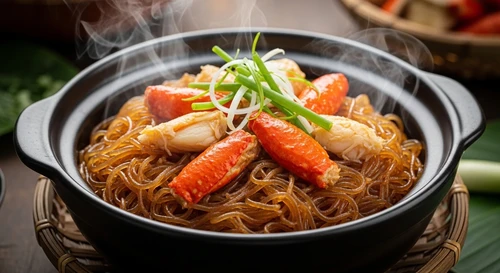
" This isn't just fried rice; it's a culinary performance. It's the sound of the Mekong Delta hitting your palate – a symphony of textures and primal flavors. "
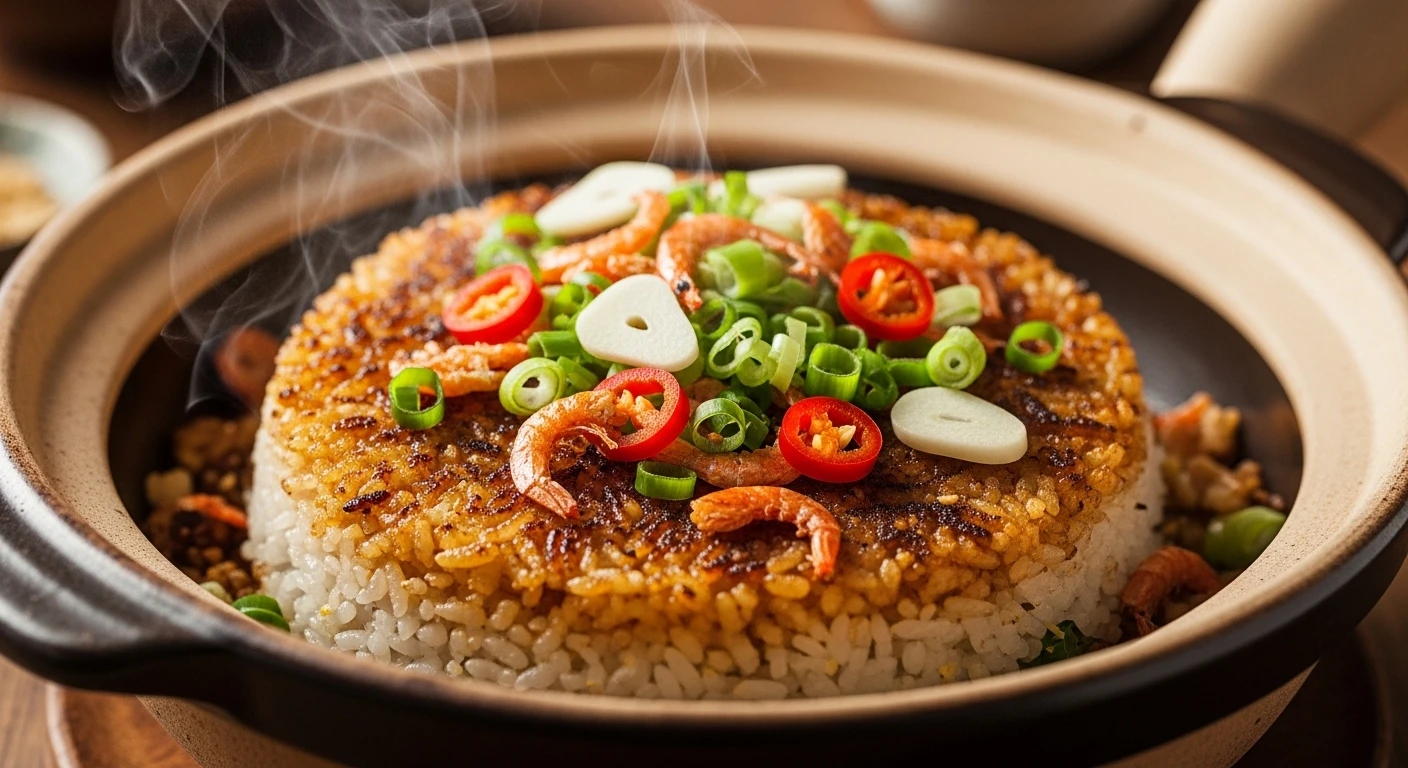
📸 The prize: A perfectly charred, flavor-packed claypot of rice.
1 Where Earth Meets the Sea: A Mekong Origin Story
The Mekong Delta. A vast network of rivers, canals, and fertile plains that defines so much of Vietnam's identity. This is a land where agriculture and aquaculture are not just industries, but ways of life. And it's here, in the salty air and humid heat, that humble ingredients are transformed into culinary masterpieces.
This claypot fried rice, known locally as Cơm Chiên Nồi Đất, is a testament to that ingenuity. It’s a dish born from necessity and perfected by generations of cooks who understood the power of a blazing fire, a humble clay pot, and the concentrated essence of the region. Forget delicate broths and intricate sauces; this is about primal satisfaction, about coaxing magic from simple, honest components.
The Rice Canvas
Day-old rice is crucial. Its slightly dry texture allows each grain to crisp up without clumping, forming the perfect base for that coveted crunchy bottom.
The Deep Sea Umami
Dried shrimp – small, intensely flavorful crustaceans harvested from coastal waters – are the soul of this dish. They lend a profound, salty-sweet depth that fresh shrimp can’t replicate.
2 Symphony of Ingredients: The Foundation
The Aromatics & Spice
- Garlic: Plenty of it, minced or thinly sliced, toasted to fragrant perfection.
- Dried Shrimp: Crushed or finely chopped for maximum flavor distribution.
- Chili: Fresh bird's eye chilies, finely sliced, to provide a fiery kick. Adjust to your heat tolerance.
- Scallions: White parts for sautéing, green tops for garnish.
- Black Pepper: Freshly cracked, for a pungent bite.
The Building Blocks
- Cooked Rice: Preferably day-old, medium or long grain.
- Egg: Whisked and sometimes fried separately before being incorporated.
- Oil: A good neutral oil, or preferably, scallion oil for an extra layer of flavor.
- Seasoning: Fish sauce and a touch of sugar.
3 The Alchemical Process: From Wok to Pot
Infuse the Oil
Gently heat oil with the white parts of scallions and crushed garlic. Cook until fragrant and slightly golden, then strain, reserving the infused oil and discarding the solids. This is your flavor base.
Toast the Shrimp & Chili
In the same pan (or a clean wok), add a bit more oil. Sauté the crushed dried shrimp and sliced chilies over medium-high heat until fragrant. Be careful not to burn the shrimp.
The Rice Toss
Add the day-old rice to the wok. Toss vigorously, breaking up any clumps. Stir in the infused scallion-garlic oil, fish sauce, and a pinch of sugar. Cook until the rice is heated through and starting to dry out.
The Claypot Transformation
Heat your claypot over high heat. Add a splash of oil. Pour the fried rice into the hot pot. Stir and press it against the sides and bottom, allowing it to char and crackle. This is where the magic happens! Cook for 3-5 minutes until you hear that satisfying sizzle.
The Grand Finale
Stir in the whisked egg (it will cook from the residual heat and steam) and the green scallion tops. Give it one final toss and serve immediately, scraping the delicious crunchy bits from the bottom of the pot.
From Mangrove to Market: The Dried Shrimp Story
The iconic dried shrimp of the Mekong Delta are more than just an ingredient; they represent a crucial coastal livelihood. Harvested from the brackish waters of the mangroves, these small shrimp are sun-dried to preserve their intense flavor and aroma. This process concentrates their natural sweetness and umami, making them a powerhouse in Vietnamese cuisine.
The Catch
Small, wild shrimp are often caught using traditional methods in the coastal areas like Rach Goc.
The Drying Process
Sun-drying is key, concentrating flavors and creating a unique texture. This makes them shelf-stable and intensely flavorful.
For those seeking the genuine taste of the Mekong, using high-quality dried shrimp from the region is paramount. They are the key to unlocking the authentic soul of this dish.
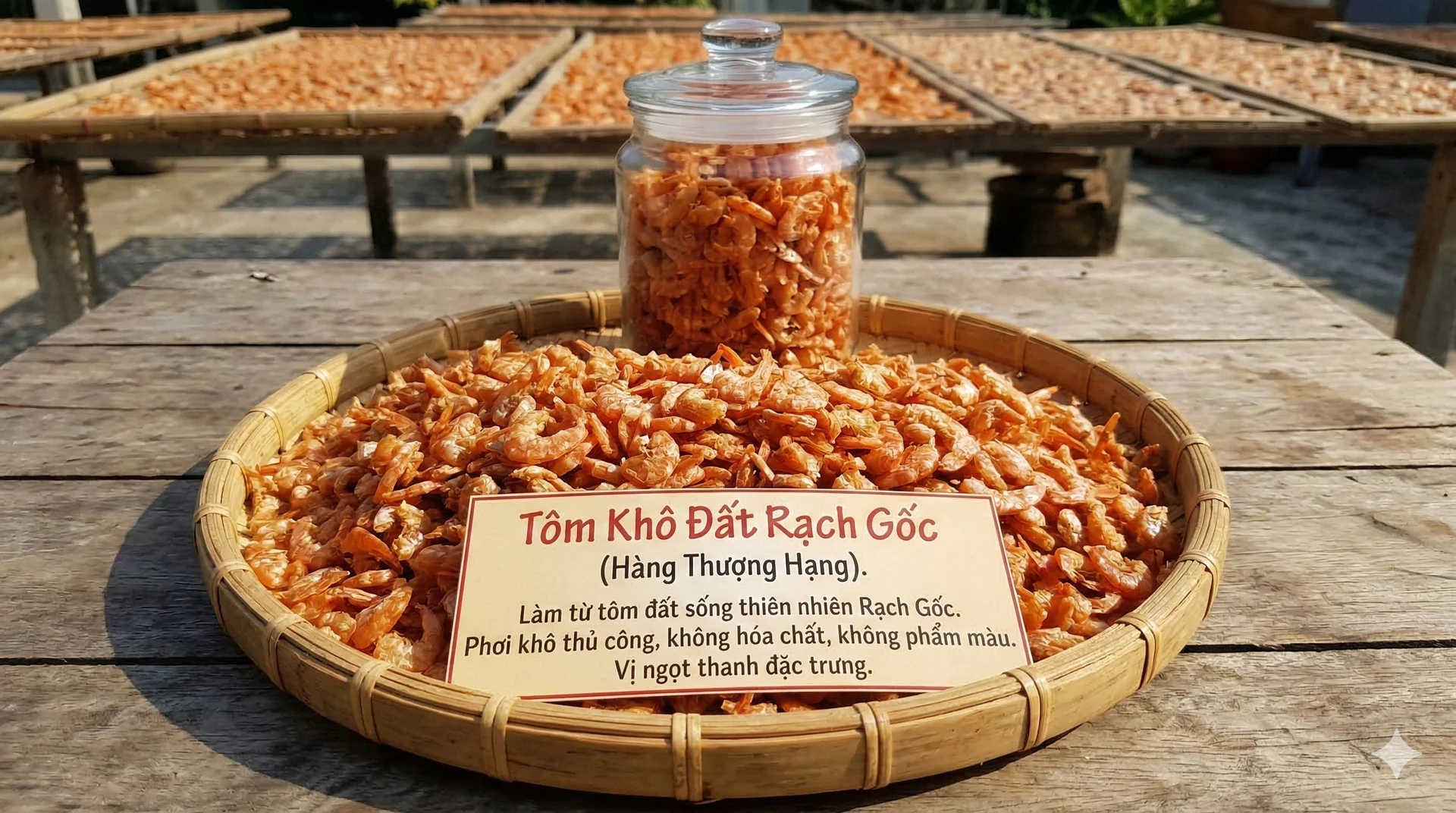
Heritage Ingredient
Sun-Dried Wild Shrimp from Rach Goc
Sun-Dried Wild Shrimp from Rach Goc
Traditional dried shrimp made from small wild shrimp, valued for natural sweetness and commonly used in Vietnamese salads, soups, and festive dishes.
Concentrated sunlight and sea salt in every bite, these crimson gems offer a deep, umami sweetness that whispers tales of Rach Goc's golden shores.
5 That Irresistible 'Soc' (The Crunchy Bottom)
The true hallmark of excellent claypot fried rice is the 'soc' – the layer of perfectly crisped, slightly charred rice at the bottom of the pot. It requires high heat, a good clay pot that distributes heat evenly, and patience. You want to hear that distinct crackling sound as the rice caramelizes. It’s not burnt; it’s *caramelized*.
Don't be afraid to scrape it out with your spoon. This layer is where all the concentrated flavors meld together, creating a texture that is both satisfyingly chewy and delightfully crunchy. It’s the reward for your efforts, the signature of a truly well-made Cơm Chiên Nồi Đất.

The coveted crunchy layer.
6 Completing the Meal: Beyond the Rice
While this fried rice is a filling meal in itself, it pairs beautifully with other Mekong Delta staples. A side of fresh, crisp vegetables is always welcome, providing a refreshing counterpoint to the rich flavors of the rice.
- Fresh Greens: A simple salad of lettuce, cucumber, and tomatoes, perhaps with a light nuoc cham dressing.
- Herbal Infusion: A clear, light broth like Canh Chua (Sour Soup) or a simple vegetable soup can cut through the richness.
- Savory Companions: Sometimes, a small portion of grilled pork or even some steamed fish can accompany this rice for a more elaborate meal.
And of course, no Vietnamese meal is complete without a beverage. A chilled glass of iced tea (trà đá) or a light lager would be perfect companions.
7 The Claypot Secret: Why it Matters
The choice of cookware is not arbitrary. Clay pots, with their porous nature and even heat distribution, are superior for this dish. Unlike a thin metal wok, a clay pot retains and radiates heat steadily, allowing the rice to develop that coveted crust without burning too quickly. Seasoning a clay pot properly is an art in itself, creating a natural non-stick surface that improves with age and use.

The humble clay pot, a cornerstone of Mekong cooking.
8 From My Kitchen to Yours: Pro Tips
🔥 High Heat is Non-Negotiable
🍚 Day-Old Rice is Your Friend
🍤 Don't Overcrowd the Pan
🌶️ The Chili Kick
Craving More Rice?
Explore the diverse world of Vietnamese rice dishes, from fragrant steamed rice to hearty noodle soups.
🍚 Discover Com Tam