" Forget ice cream. When the Vietnamese heat truly bites, you seek the solace of something both nourishing and cooling. Something that whispers of the rivers and the sea, and the wisdom of generations. "
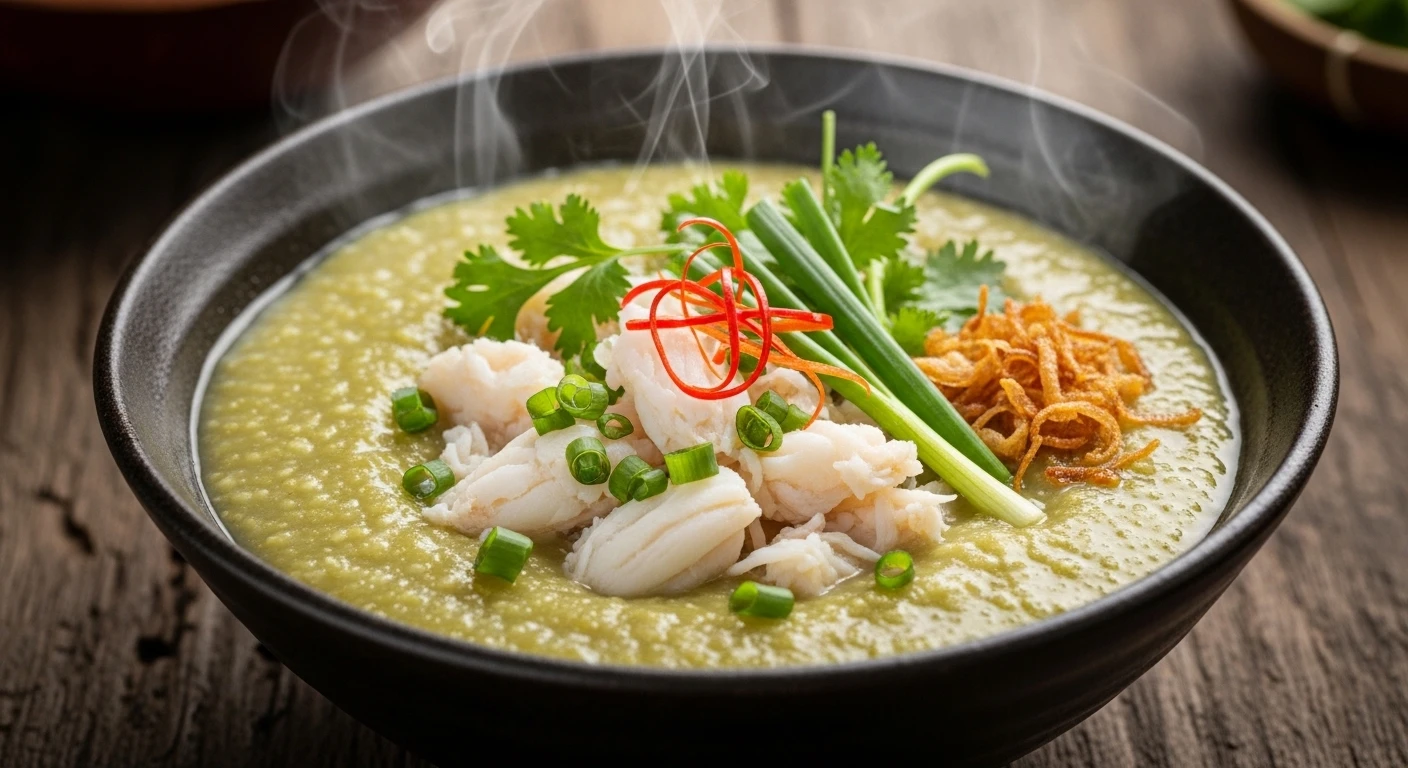
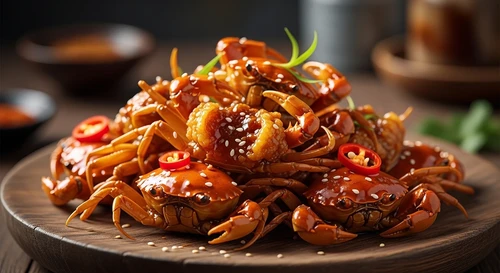
📸 The embrace of textures: Smooth porridge meets tender crab meat.
1 The River's Remedy: Understanding the 'Cooling' Philosophy
In the Mekong Delta, food isn't just sustenance; it's a daily negotiation with the climate. The relentless equatorial sun demands culinary strategies, and 'cooling' (thanh nhiet) is a fundamental principle. This isn't about physical temperature alone, but about balancing the body's 'hot' and 'cool' energies, a concept deeply embedded in traditional Vietnamese medicine and everyday cooking.
Mung beans (đậu xanh) are nature's cooling agents. Their natural properties are legendary for alleviating heatiness, detoxifying, and promoting hydration. When combined with the subtle sweetness and inherent moisture of fresh crab, you get a dish that is more than just food – it's a balm for a sun-drenched soul.
Imagine a day of navigating the labyrinthine canals, the air thick with humidity. The thought of a heavy, greasy meal would be unbearable. Instead, you seek out the humble kitchens or floating stalls offering a bowl of this porridge. It's the antidote, the gentle reset button that allows you to face the afternoon heat renewed.
2 Humble Beginnings, Noble Flavors
The Mung Bean Foundation
We're not talking about the split, polished mung beans often found in dessert soups. For this porridge, whole mung beans are key. They break down into a creamy, velvety base, providing substance and that characteristic cooling effect. Soaking them is crucial to reduce cooking time and enhance digestibility.
The Sweetness of the Sea
The star protein comes from the waterways. Think of the mud crabs from Ca Mau – their rich, sweet meat is legendary. For this dish, it's often the tender, white meat from the body and legs that's preferred, adding a delicate seafood essence without overpowering the subtle mung bean base. You could use a firm white fish or even plump shrimp if crab is unavailable, but the authentic version sings with crab.
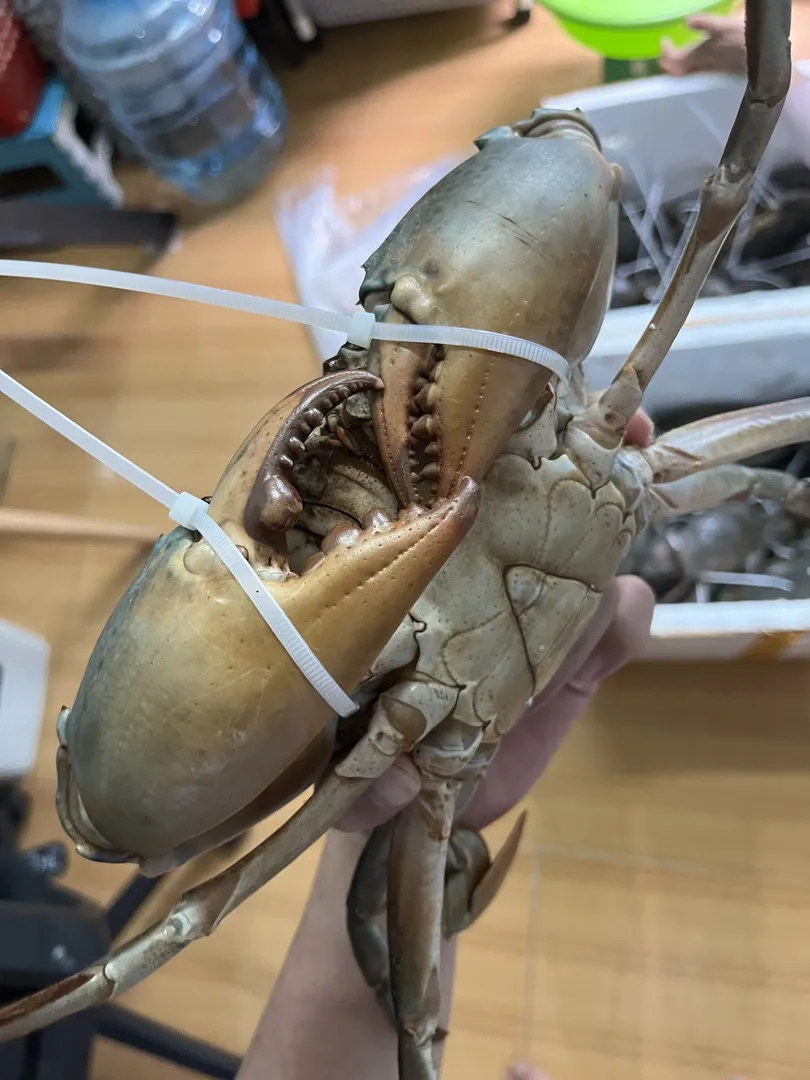
Heritage Ingredient
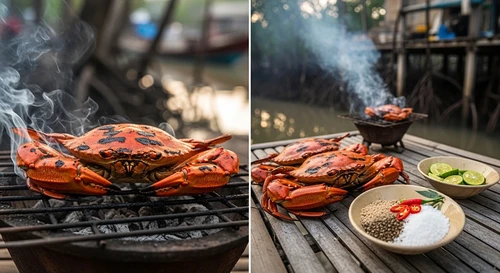
Ca Mau Jumbo Mud Crab
Ca Mau Jumbo Mud Crab
A large male mud crab prized for dense, sweet meat and thick claws, commonly used in steamed crab and grilled crab dishes across the Mekong Delta.
An icon of coastal culinary heritage, featuring firm, sweet meat that captures the raw power and freshness of Ca Mau's tides.
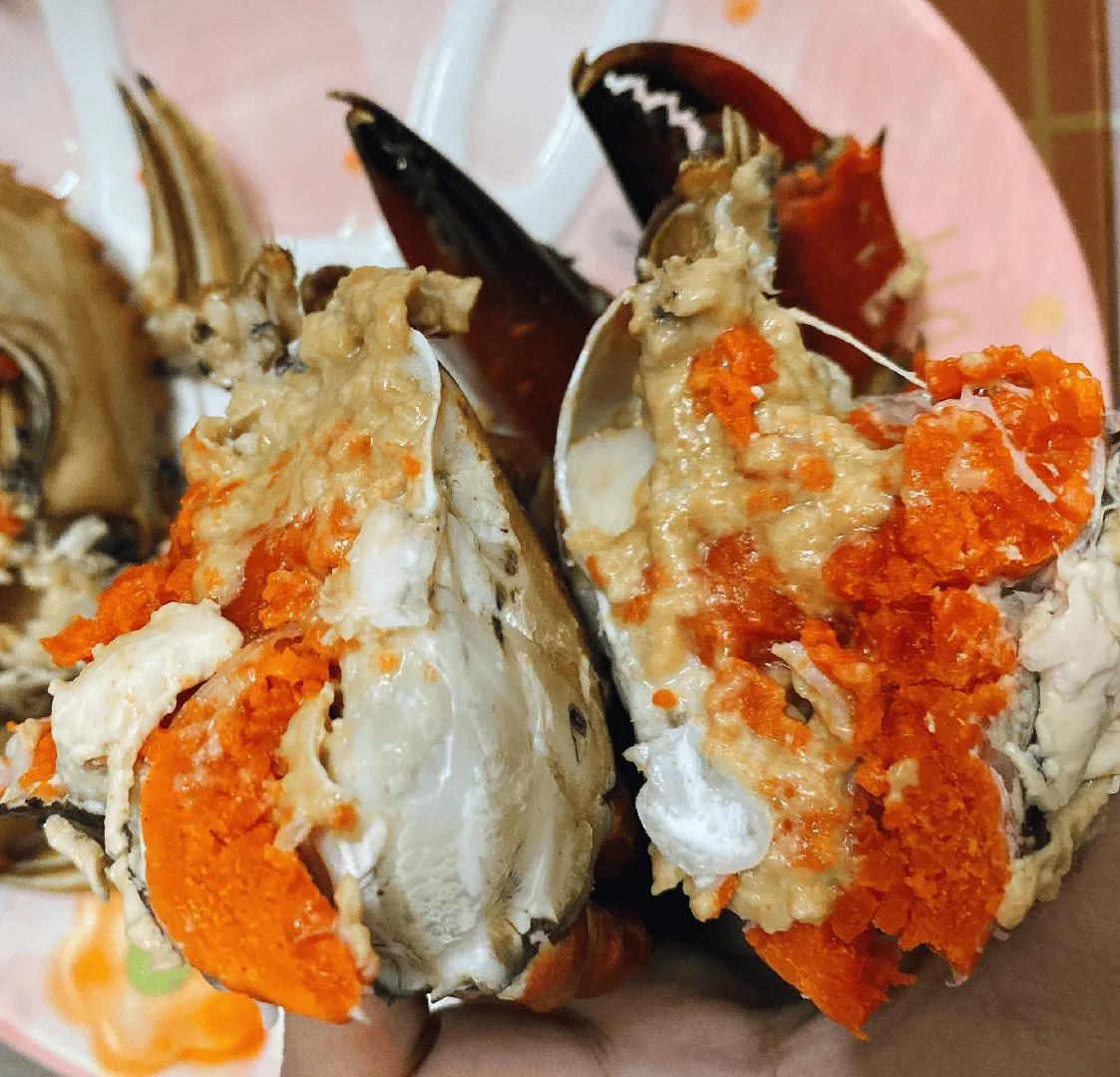
Heritage Ingredient
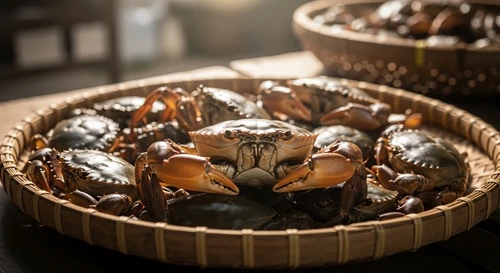
Ca Mau Roe Mud Crab
Ca Mau Roe Mud Crab
A female mud crab known for deep orange roe and a rich, creamy finish, often featured in celebratory Southern Vietnamese seafood meals.
A crimson treasure hidden within a shell, boasting rich, creamy roe that melts on your tongue like a golden sunset over the delta.
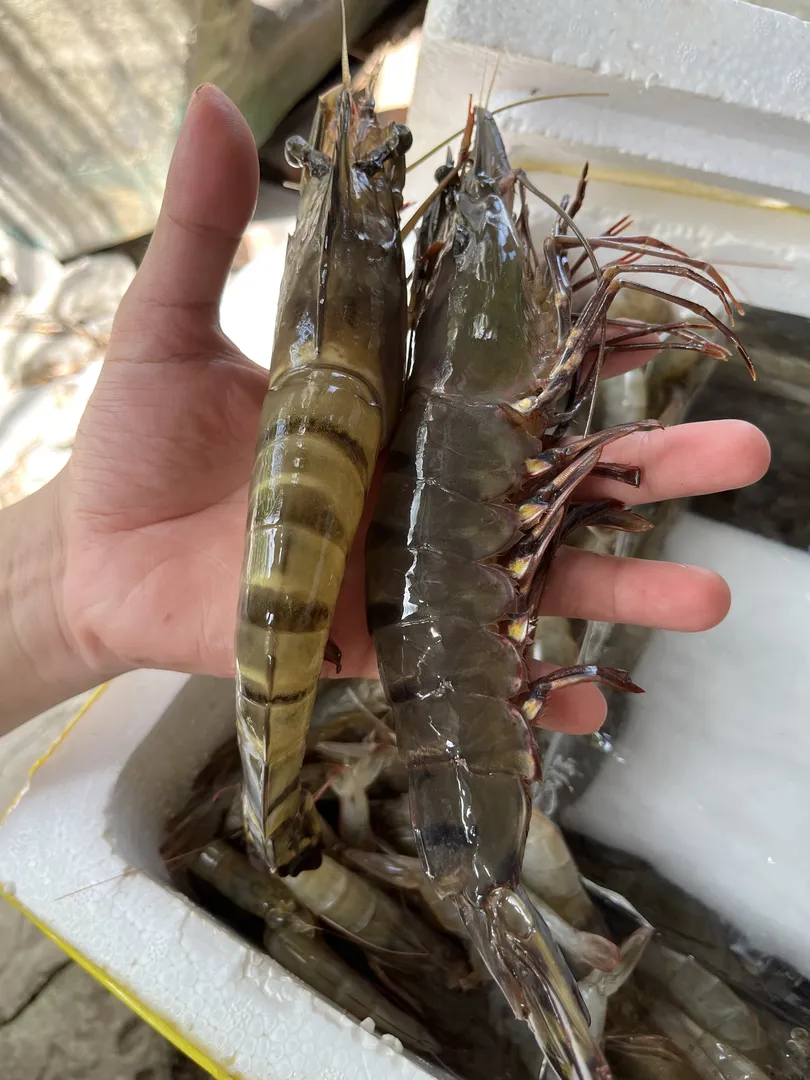
Heritage Ingredient
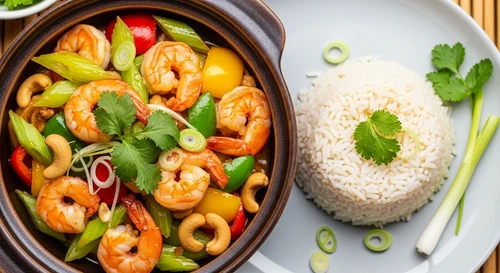
Ca Mau Black Tiger Shrimp
Ca Mau Black Tiger Shrimp
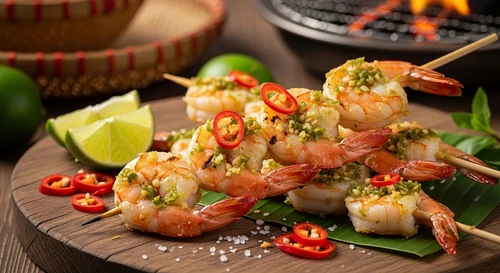
Large black tiger shrimp associated with mangrove aquaculture in Ca Mau, known for firm flesh and a cleaner, sweeter finish than intensively farmed shrimp.
Wild spirits of the mangroves, these black-banded gems deliver a firm, snappy texture and a sweetness that echoes the forest's vibrant life.
3 From Pot to Peace: Crafting the Porridge
This isn't a race. It's about coaxing out the best from simple ingredients. The process is forgiving and requires patience more than precision.
Bean Prep (The Soaking Secret)
Rinse 1 cup of whole mung beans thoroughly. Soak them in ample water for at least 4 hours, or preferably overnight. This is non-negotiable for a smooth, quick-cooking porridge.
The Simmering Base
Drain the soaked beans and place them in a pot with 4-5 cups of water (or a mix of water and light chicken/vegetable broth for added depth). Bring to a boil, then reduce heat to a gentle simmer. Cook, covered, for about 30-40 minutes, or until the beans are very soft and starting to break apart.
Creaming it Up
Once the beans are soft, you can use an immersion blender to partially or fully blend them for a smoother texture. Alternatively, mash them against the side of the pot. Add more liquid if needed to reach your desired porridge consistency – it should be thick but pourable.
The Crab's Gentle Entrance
Gently stir in your prepared crab meat. If using whole crabs, cook them separately by steaming or boiling until just done, then pick the meat and add it to the hot porridge. Avoid overcooking the crab; it should be tender and sweet. Season with salt and a pinch of white pepper. A touch of fish sauce can also enhance the savory notes.
Garnishes: The Final Flourish
This porridge is a canvas for simple, vibrant additions that lift its cooling properties and add textural contrast.
Fresh Herbs
Chopped scallions, cilantro, and perhaps some Vietnamese balm (kinh gioi) or mint for extra freshness.
Crispy Shallots
A sprinkle of crispy fried shallots adds a delightful crunch and savory aroma.
Chili Threads (Optional)
For those who like a gentle hint of spice, thinly sliced red chili adds visual appeal and a touch of heat.
5 A Taste of the Waterways
This dish embodies the spirit of the Mekong Delta – resourceful, honest, and deeply connected to nature's rhythms. It’s a reminder that the most profound culinary experiences often come from the simplest ingredients, prepared with care and respect.
You'll find variations of this porridge in home kitchens and small eateries across provinces like Can Tho, Soc Trang, and Bac Lieu. It’s often served as a light breakfast, a comforting afternoon snack, or a gentle supper. It’s the kind of food that, after a long day under the Delta sun, feels like coming home.
The magic lies not just in the ingredients, but in the very act of eating it: the warm, smooth embrace of the porridge, the delicate sweetness of the crab, the fresh burst of herbs. It’s a culinary cool-down that soothes from the inside out, a perfect testament to the Delta’s enduring culinary wisdom.
6 Nutritional Notes: A Wholesome Bowl
Beyond its cooling properties, this porridge is a nutritional powerhouse:
- Mung Beans: Excellent source of plant-based protein, fiber, vitamins (especially B vitamins), and minerals like magnesium and potassium. They aid digestion and are known for their antioxidant properties.
- Crab Meat: Rich in lean protein, omega-3 fatty acids, and essential minerals such as zinc, copper, and selenium. It provides vital nutrients without excessive fat.
- Low Fat & High Hydration: The preparation method (boiling/simmering) keeps the fat content low, while the liquid base ensures hydration, crucial for combating heat.
This dish aligns perfectly with a healthy diet, offering balanced nutrition in a digestible and refreshing format.
7 Beyond the Classic: Culinary Adventures
While the mung bean and crab is the star, the Mekong Delta is a land of constant culinary evolution. Here are a few ways you might see this dish adapted or complemented:
- Added Seafood: Sometimes, plump prawns or small squid might be added for extra texture and oceanic flavor.
- Fermented Shrimp Paste (Mam Nem): A tiny amount of this potent condiment can be stirred in for an umami boost, but use with extreme caution – it's powerful!
- Rice Paper Rolls: Often served alongside, these fresh rice paper rolls filled with herbs and vegetables offer a light, crisp counterpoint to the soft porridge.
- Chili Salt Dip: For those who like to dip their crab meat into something more robust than plain herbs.