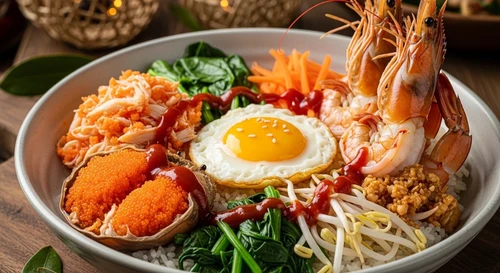
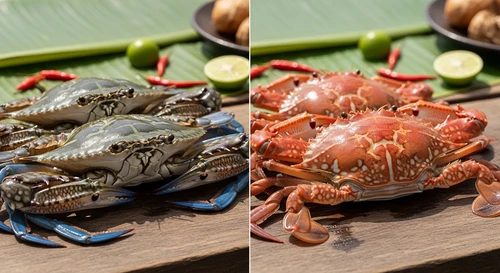
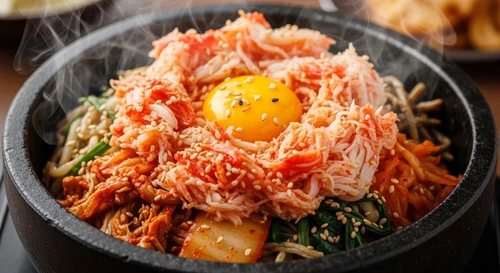
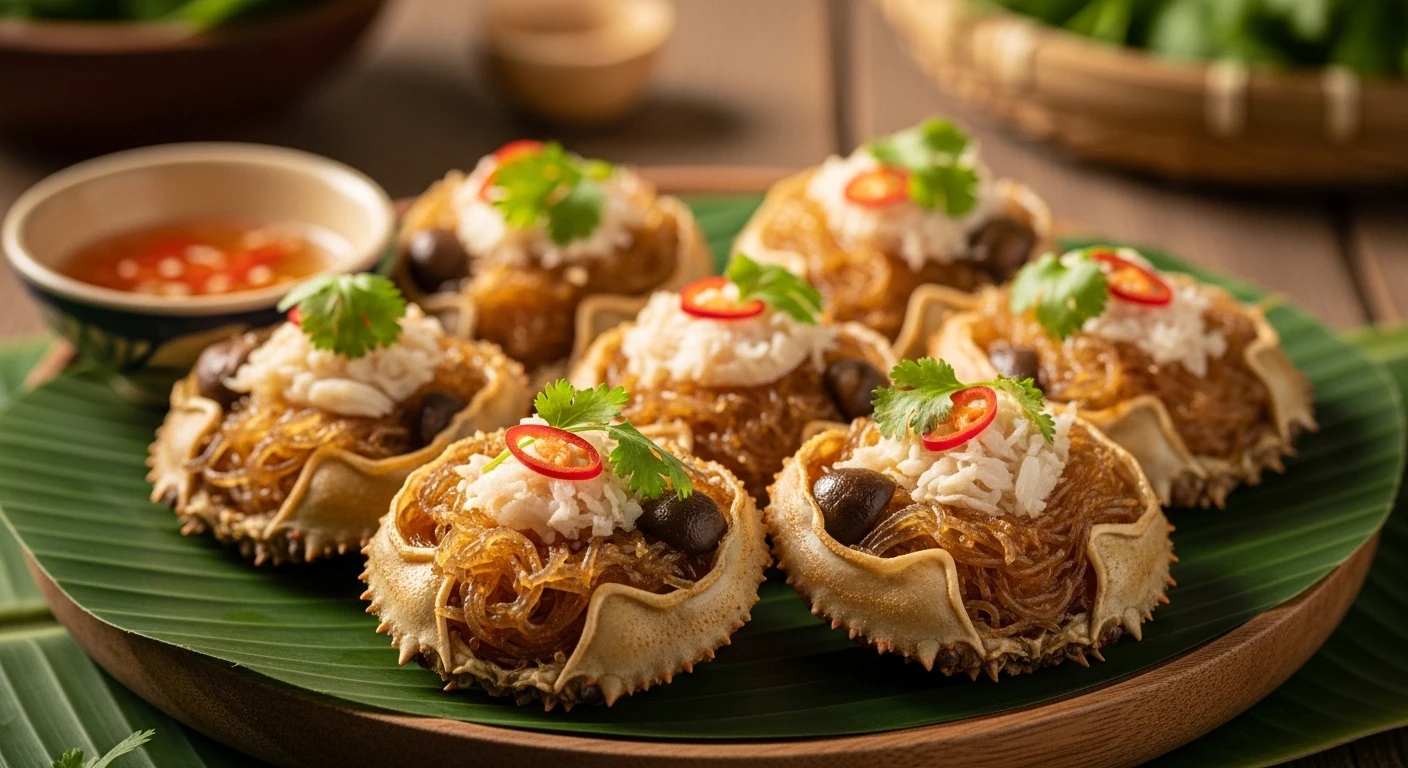
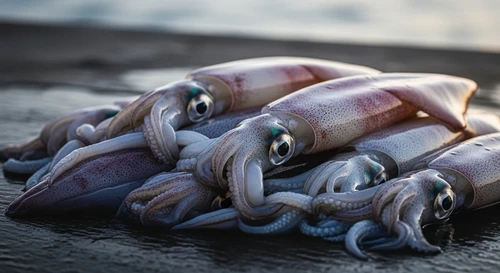
" Forget the bland, the predictable. This is the Mekong Delta on a plate: a full-on flavor assault that leaves you licking your fingers, desperate for more. "
1 The River's Bounty: A Ca Mau Story
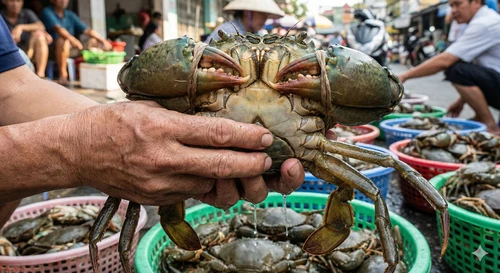
Picture this: the sun beating down on the emerald waterways of Ca Mau, Vietnam's southernmost province. This is a land where seafood isn't just sustenance; it's lifeblood, a currency, a source of profound regional pride. From the vast mangrove forests to the bustling floating markets, the rivers and coastlines teem with a diversity that few places on Earth can match.
And in this aquatic paradise, the humble mantis shrimp, or 'tom tik' as it's known locally, plays a starring role. While often overshadowed by its more famous crustacean cousins, the mantis shrimp possesses a unique, almost sweet flesh that lends itself perfectly to bold, bright flavors. This is where the magic of tamarind comes in.
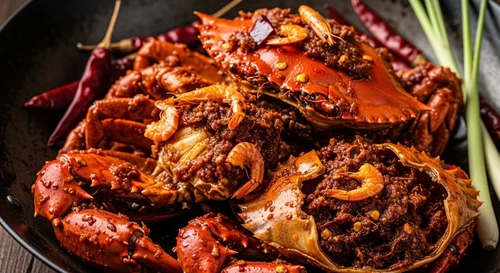
The sweet and sour tamarind glaze, a staple across Southeast Asia, finds its ultimate expression here. It's a dance between the tartness of tamarind, the sweetness of palm sugar or honey, the savory depth of fish sauce, and often, a kick of chili. It clings to the succulent shrimp, creating a sticky, finger-licking experience that is both primal and sophisticated.
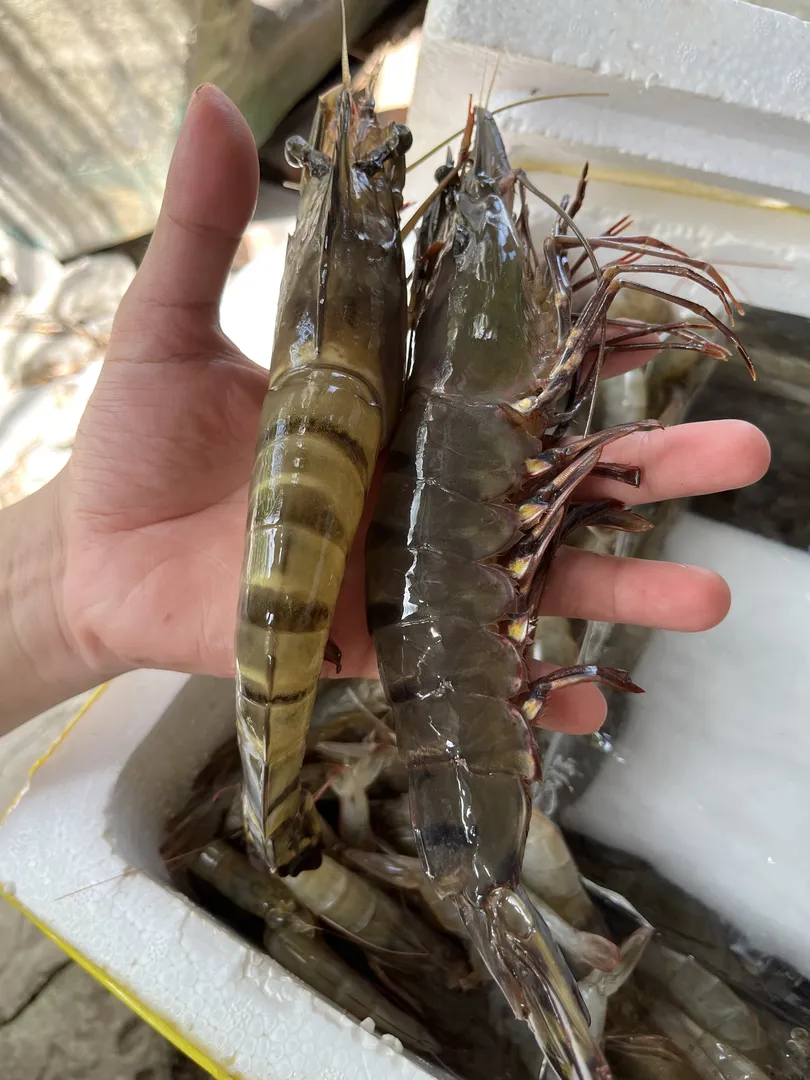
Heritage Ingredient
Ca Mau Black Tiger Shrimp
Ca Mau Black Tiger Shrimp
Large black tiger shrimp associated with mangrove aquaculture in Ca Mau, known for firm flesh and a cleaner, sweeter finish than intensively farmed shrimp.
Wild spirits of the mangroves, these black-banded gems deliver a firm, snappy texture and a sweetness that echoes the forest's vibrant life.
While this dish features mantis shrimp, the spirit of its seafood source echoes the rich waters of the Mekong Delta, from where prawns like these Ca Mau Black Tiger Shrimp hail. These are the kinds of ingredients that fuel the vibrant culinary landscape of Southern Vietnam.
The Mekong Delta is a treasure trove of incredible seafood, each with its own character and perfect preparation.
2 A Culinary Balancing Act
The soul of this dish lies in its sauce – a thick, glossy elixir that coats every morsel of shrimp. It's not just about throwing ingredients together; it's about creating a harmonious balance, a tightrope walk between competing tastes.
Tamarind
The backbone. Use pure tamarind paste (not concentrate if possible) for that essential tangy depth. It's the sour that makes the sweet sing.
Sweetness
Palm sugar or good quality honey is preferred. It adds a complex sweetness that sugar alone can't achieve, and helps with the glaze's sticky texture.
Heat & Savory
A splash of premium fish sauce for umami, and a finely chopped chili (or two) for that vital warmth that cuts through the richness.
3 Quick Toss, Big Flavor
This isn't a dish for slow-cooking. Mantis shrimp cooks in minutes. The art is in the rapid toss, ensuring every piece is perfectly coated without overcooking.
Ingredients Checklist
- Mantis Shrimp: About 500g, cleaned and half-peeled (leaving the tail and shell on for grip).
- Scallion Oil: 2-3 tbsp. Simple: gently fry chopped scallions in oil until fragrant.
- For the Glaze:
- 2 tbsp Tamarind paste
- 1 tbsp Fish Sauce (premium Vietnamese brand)
- 1 tbsp Honey or Palm Sugar
- 1/2 tsp Soy Sauce (optional, for color)
- 1 small Red Chili, finely chopped
- 1 clove Garlic, minced (optional, but recommended)
- 1 tbsp Water (to thin if needed)
- Garnish: Fresh cilantro, extra chopped scallions, toasted sesame seeds.
The Technique
- Prep the Glaze: In a small bowl, whisk together tamarind paste, fish sauce, honey/palm sugar, soy sauce (if using), chopped chili, minced garlic (if using), and water. Set aside.
- Cook the Shrimp: Heat a wok or large skillet over high heat. Add the scallion oil. Once shimmering, add the mantis shrimp. Stir-fry for 2-3 minutes until they just start to turn pink.
- Sauce it Up: Pour the prepared tamarind glaze over the shrimp. Toss rapidly for another 1-2 minutes, allowing the sauce to thicken and coat every piece. The shrimp should be cooked through but still succulent.
- Serve Immediately: Plate the shrimp, drizzle any remaining glaze from the pan, and garnish generously with fresh cilantro, scallions, and sesame seeds.
4 Insider Tips for Authenticity
Quality is Key
Freshness is paramount. If you can't find mantis shrimp, larger prawns will also work, but the texture and flavor profile will differ slightly. Always opt for the freshest available.
The Tamarind Paste Matters
Don't confuse tamarind paste with tamarind sauce. True paste, made from dried tamarind pulp and water, offers the most authentic sour base. You can make it yourself by soaking pulp in hot water and straining.
Heat Control
The chili is crucial for balance, but adjust to your tolerance. In the Mekong, a good amount of heat is typical, cutting through the richness and sweetness.
The Sizzle
High heat is your friend here. You want a quick sear and a rapid glaze reduction. This preserves the shrimp's succulence and creates that addictive sticky texture.
5 A Glimpse into the Delta's Palate
The sweet and sour tamarind glaze is a versatile hero in Mekong cuisine, appearing in many forms. It's a testament to the region's ability to transform simple ingredients into complex, unforgettable dishes.
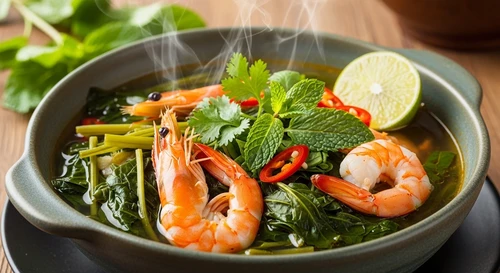
Think of Tamarind Crab (Cua Rang Me), where whole crabs are wok-tossed in a similar rich, tangy sauce. Or perhaps Canh Chua, a sour fish soup that features tamarind as its defining characteristic, brightened with pineapple, tomatoes, and fresh herbs.
These dishes are more than just recipes; they are stories of the rivers, the soil, and the ingenuity of the people who call the Mekong Delta home. They are bold, honest, and unapologetically delicious.
Got Questions? We've Got Answers.
🦐 What if I can't find mantis shrimp?
🌶️ Is this dish very spicy?
🍯 What kind of tamarind paste should I use?
Craving Something Fresh?
If sticky glazes aren't your speed today, perhaps you're after the clean, pure taste of the sea?
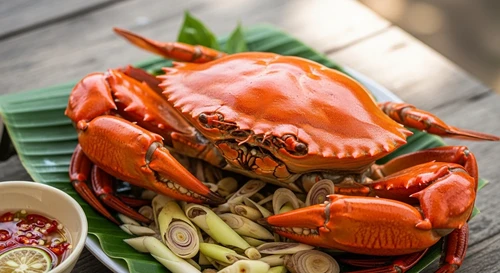
🌊 Discover Steamed Crab with Beer