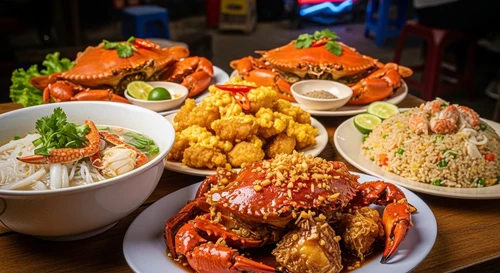
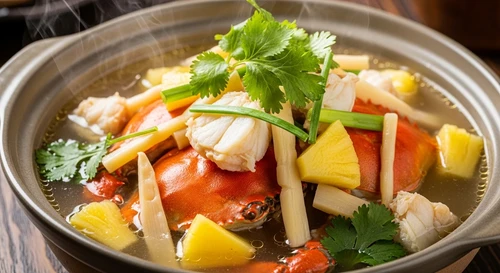
" This isn't your average takeout sweet and sour. This is the delta calling. It’s the hum of a bustling market, the sun-drenched tang of ripe pineapple, and the deep, briny kiss of the sea. "
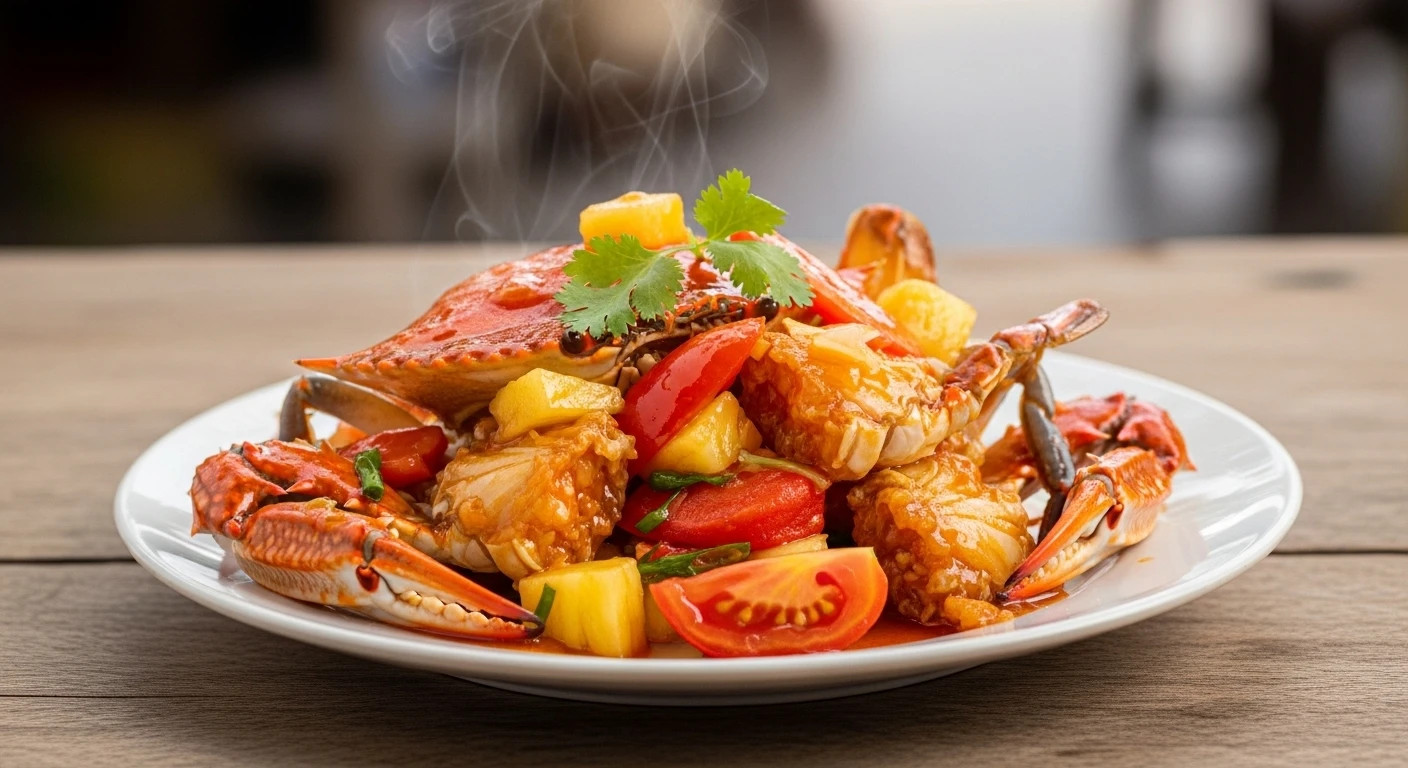
📸 A vibrant plate that sings with freshness.
1 From River to Table: The Blue Crab's Journey
The Mekong Delta, a sprawling labyrinth of rivers, canals, and coastal waters, is a treasure trove of seafood. Here, life moves at the rhythm of the tides, and the bounty of the water dictates the pulse of the villages. Blue crabs, with their firm, sweet flesh and satisfying heft, are a staple. Unlike their saltwater cousins, these freshwater or brackish-water dwellers often carry a subtle, earthy sweetness.
This dish, sweet and sour blue crab, is a testament to the delta’s resourcefulness and love for balanced flavors. It’s a dish that harmonizes the ocean's gift with the land's abundance—the sharp tang of local tomatoes, the tropical perfume of pineapple, and the aromatic foundation of shallots and garlic. It’s often found gracing family tables and humble riverside eateries, a celebration of simple, profound flavors.
The Crab
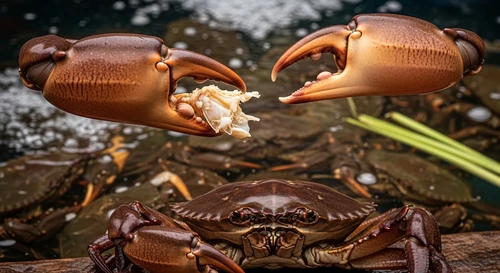
We're talking about blue crabs here – robust creatures from the delta's waterways. They might not have the intimidating size of Ca Mau mud crabs, but they possess a delicate sweetness perfect for absorbing sauces.
Heritage Ingredient Ca Mau Jumbo Mud Crab A large male mud crab prized for dense, sweet meat and thick claws, commonly used in steamed crab and grilled crab dishes across the Mekong Delta. Where every ingredient captures the essence of the wind and tides, weaving a vibrant culinary tapestry of the Mekong region.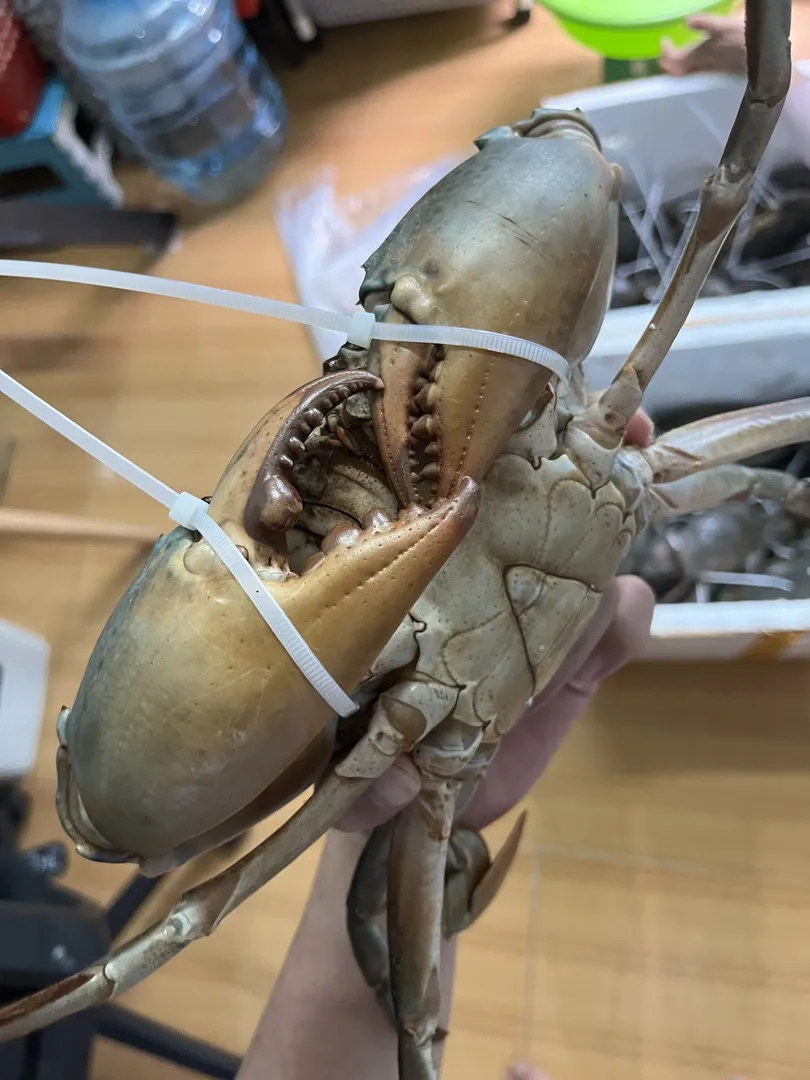
Ca Mau Jumbo Mud Crab
The Delta Garden
Tomatoes bring a natural acidity and umami, while shallots offer a milder, sweeter onion profile. The star, pineapple, provides both acidity and fruity sweetness, crucial for that signature sweet and sour profile that’s distinctly Southeast Asian.
2 Crafting the Perfect Sauce
The magic of this dish lies in its sauce. It’s a simple alchemy, transforming humble ingredients into a glaze that clings beautifully to the crab. There are no complex marinades or lengthy simmering times. It’s about fresh, vibrant flavors coming together quickly.
The Foundation
- Pineapple: Fresh is best. Cut into bite-sized chunks.
- Tomatoes: Ripe and juicy, diced. They break down to form the sauce base.
- Shallots: Finely minced for a delicate allium flavor. Garlic too, if you prefer a punch.
The Balancing Act
- Fish Sauce: The essential umami backbone of Vietnamese cuisine.
- Sugar: To balance the sourness and enhance the fruit notes.
- Vinegar (Optional): A splash of rice vinegar can amplify the sourness if needed.
- Water/Broth: To achieve the right consistency.
3 From Shell to Sizzle
In the Mekong Delta, waste is a foreign concept. Every part of the crab is utilized. For this dish, we want clean, perfectly cooked crab meat that’s been smashed just enough to allow the sauce to penetrate every crevice.
Clean & Chop
Thoroughly clean the live crabs. Depending on size, either halve them or chop them into manageable pieces (like large segments). The key is exposing the shell and meat.
The Smashed Claw
Using the flat side of a cleaver or a mallet, give the crab claws a good smash. This cracks the shell, making them easier to eat and allowing the sauce to seep into the meat.
Quick Fry & Sauce
Heat oil in a wok or large pan. Briefly stir-fry the shallots (and garlic). Add the pineapple and tomatoes, cook until softened. Then add the crabs, fish sauce, sugar, and a splash of water. Stir-fry rapidly until the crab is cooked through and coated in the glistening sauce.
4 Beyond the Plate: Delta Dining Customs
In the Mekong Delta, food is more than sustenance; it's about community, sharing, and connection. Dishes like this sweet and sour crab are often served family-style, with mounds of steamed jasmine rice to soak up every last drop of the glorious sauce.
Serving Suggestions
- Steamed Jasmine Rice: The perfect neutral canvas for the bold flavors.
- Fresh Herbs: Cilantro, mint, or even Thai basil can add a fresh, aromatic finish.
- Chili: For those who crave an extra kick, finely sliced bird's eye chilies are a welcome addition.
Regional Notes
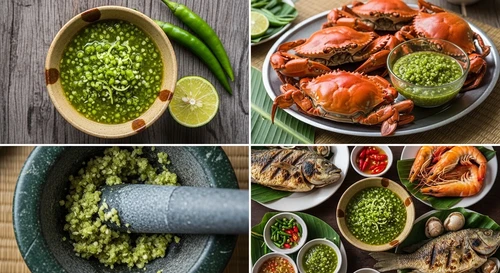
While blue crab is common, other regional crustaceans might appear. Near the coast, you might find similar preparations with smaller crabs or even prawns. Further inland, where fresh seafood is less abundant, preserved flavors might dominate. For example, fermented mangrove crab (Ba Khia) offers a stark contrast, showcasing the delta's diverse palate.
Heritage Ingredient Fermented Mangrove Crab (Ba Khia) A traditional fermented crab specialty from the mangrove region of Rach Goc, often cited in articles about rustic Mekong Delta flavors and preserved seafood culture. Where every ingredient captures the essence of the wind and tides, weaving a vibrant culinary tapestry of the Mekong region.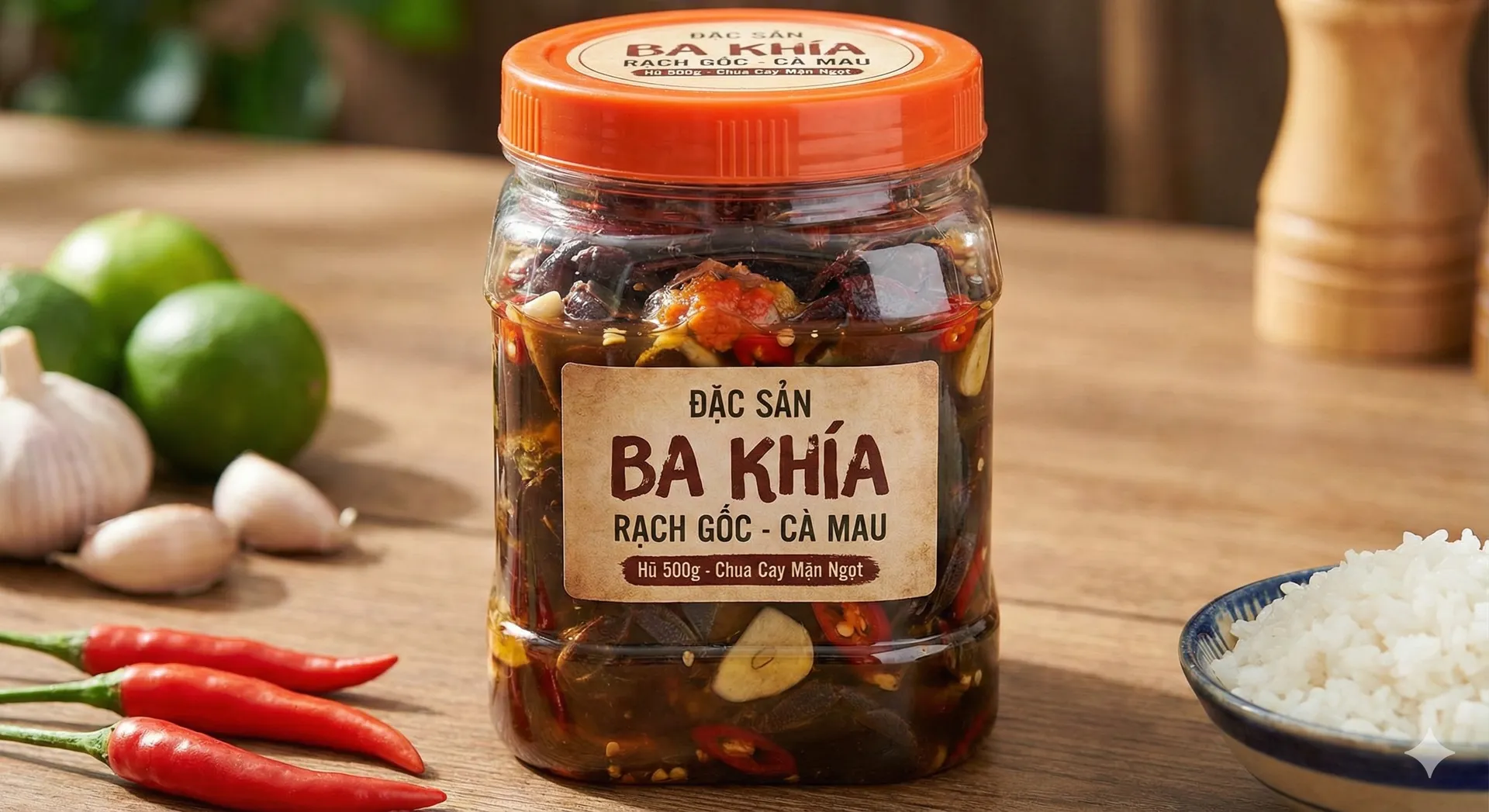
Fermented Mangrove Crab (Ba Khia)
5 Why Smash the Crab?
This isn't about brute force; it's about unlocking potential. Smashing the crab claws and legs, even lightly, serves several crucial purposes in this dish:
Ease of Eating
Cracked shells mean diners don't need to wrestle with tough armor. It transforms the eating experience from a chore to a delight.
Flavor Infusion
The sauce seeps into the meat through the cracks, ensuring every bite is infused with the sweet, sour, and savory notes.
Texture Contrast
The slightly broken shell allows for a delightful contrast between the tender crab meat and the crispy shell fragments.
6 The Tropical Heartbeat: Pineapple
Not all pineapples are created equal, and for this dish, ripeness is paramount. An underripe pineapple will yield a harsh, metallic sourness, while an overripe one might turn mushy. We seek that perfect balance: fragrant, golden-yellow, and yielding slightly to the touch.
In the Mekong Delta, tropical fruits are abundant, and their natural sweetness and acidity are celebrated. This dish harnesses that sun-kissed flavor, creating a sauce that is more complex and nuanced than a simple sugar-and-vinegar mix. It’s the taste of humid afternoons and vibrant, fertile lands.
7 Occasion & Enjoyment
This sweet and sour blue crab is incredibly versatile. It’s a fantastic weeknight meal when you want something quick, flavorful, and satisfying. It’s also elegant enough for casual gatherings or as part of a larger Vietnamese feast.
Serve it piping hot, straight from the wok. The aroma alone is an invitation to dig in. Watch as your guests crack shells and lick their fingers clean, savoring the intricate dance of sweet, sour, and savory. It’s a dish that embodies the spirit of Vietnamese hospitality – generous, flavorful, and deeply satisfying.
8 Beyond the Crab: Other Delta Delights
The Mekong Delta's culinary landscape is rich and diverse, extending far beyond its incredible seafood. While this crab dish shines, it’s part of a larger symphony of flavors that includes fresh fruits, aromatic herbs, and regional specialties.
Consider pairing this with other delta staples. Imagine the refreshing contrast of a crisp green mango salad, or the earthy comfort of a coconut curry. Even simple boiled vegetables dipped in savory fish sauce offer a grounding counterpoint. The delta’s food culture is a masterclass in using fresh, local ingredients to create dishes that are both complex and comforting.
Craving More Crab?
From simple steamed delights to rich, complex flavors, the world of Vietnamese crab is vast.
🔥 Explore Tamarind Crab