" Forget your tired lemon wedges. In the sprawling, waterlogged embrace of the Mekong Delta, there's a condiment that rules them all. It's bright, it's bold, and it has the power to elevate even the most humble of prawns to royalty. "
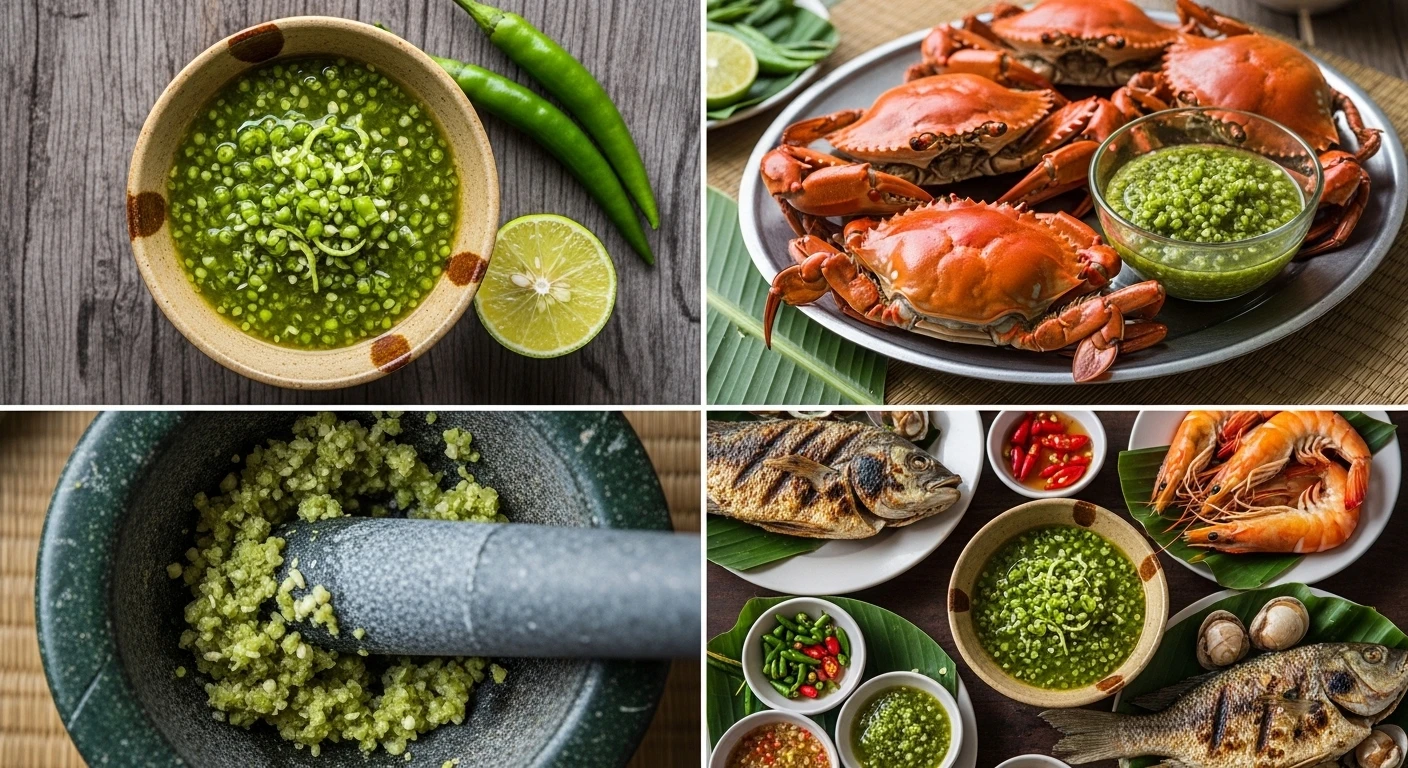
📸 The star of the show: Muối Tiêu Chanh, a symphony of green chili, lime, and salt.
1 The Delta's Fiery Heart: A Legacy of Flavor
To understand Vietnamese seafood is to understand the potent, electrifying magic of its dipping sauces. While *nuoc mam* (fish sauce) forms the backbone of many dishes, there are moments, particularly along the bountiful waterways of the Mekong Delta, where simpler, brighter accompaniments steal the show. The most iconic of these, and arguably the king of them all, is Muối Tiêu Chanh – the vibrant green pepper sauce.
This isn't just a sauce; it's a ritual. It's the sharp, clean counterpoint to the rich sweetness of fresh crab, the zesty kiss that awakens the delicate flesh of grilled prawns, and a vital part of the culinary identity of the Southwestern provinces. Imagine sitting by a slow-moving river, the humid air thick with the scent of salt and brine, a steaming plate of freshly caught crab before you. Your meal isn't complete without that small, jade-colored bowl, promising a punch of flavor.
The beauty of Muối Tiêu Chanh lies in its radical simplicity. It's a testament to the Mekong Delta's philosophy of cooking: let the ingredients sing. And with this sauce, the ingredients harmonize perfectly.
2 The Essential Trio: Green Chili, Lime, and Salt
Fresh Green Chilies
Ideally, the small, fiery Thai bird's eye chilies, or their local Mekong Delta cousins. They provide heat without overwhelming the palate. The goal is a pleasant warmth, not a searing inferno.
Zesty Lime Juice
Freshly squeezed lime juice is crucial. It cuts through the richness of seafood, brightens the flavors, and adds that essential tangy zest that defines the sauce.
The Salty Foundation
Good quality sea salt is key. It balances the heat of the chili and the tang of the lime, grounding the flavors and enhancing the natural sweetness of the seafood.
Some variations might add a touch of sugar for balance, or even a whisper of finely minced garlic, but these three are the absolute non-negotiables.
3 Crafting "Muối Tiêu Chanh": The Mekong Method
Making this sauce is less about precise measurements and more about achieving a harmonious balance. It's a sensory experience, best learned by doing and tasting. Think of it as coaxing the flavors out, not forcing them.
Ingredients:
- 2-4 fresh green chilies (adjust to your heat preference)
- 1-2 tablespoons fresh lime juice (about 1/2 to 1 lime)
- 1 teaspoon sea salt (or to taste)
- Optional: Pinch of sugar, tiny piece of finely minced garlic
Equipment:
- Small mortar and pestle (traditional and recommended for texture)
- Small bowl
- Knife and cutting board
Prepare the Chilies
Wash and thinly slice the green chilies. For a smoother sauce and less intense heat, you can deseed them. For a bolder kick, leave them whole or roughly chop.
The Mortar & Pestle Dance
In your mortar, combine the sliced chilies and salt. Gently pound them until a paste begins to form. This releases their essential oils and flavor.
Introduce the Lime
Add the fresh lime juice and stir well. If using, add your pinch of sugar or minced garlic now. The mixture should become a vibrant, slightly chunky, emerald green sauce.
Taste and Adjust
This is the most crucial step. Taste it! Does it need more salt? More lime? A touch more chili? Adjust until it sings. The perfect sauce should be a balance of spicy, tangy, and salty.
4 Perfectly Paired: The Ultimate Seafood Companions
Muối Tiêu Chanh is not just for one type of seafood; its versatility is legendary. It's the ultimate blank canvas that highlights the best of what the Mekong Delta's waters have to offer.
Heritage Ingredient
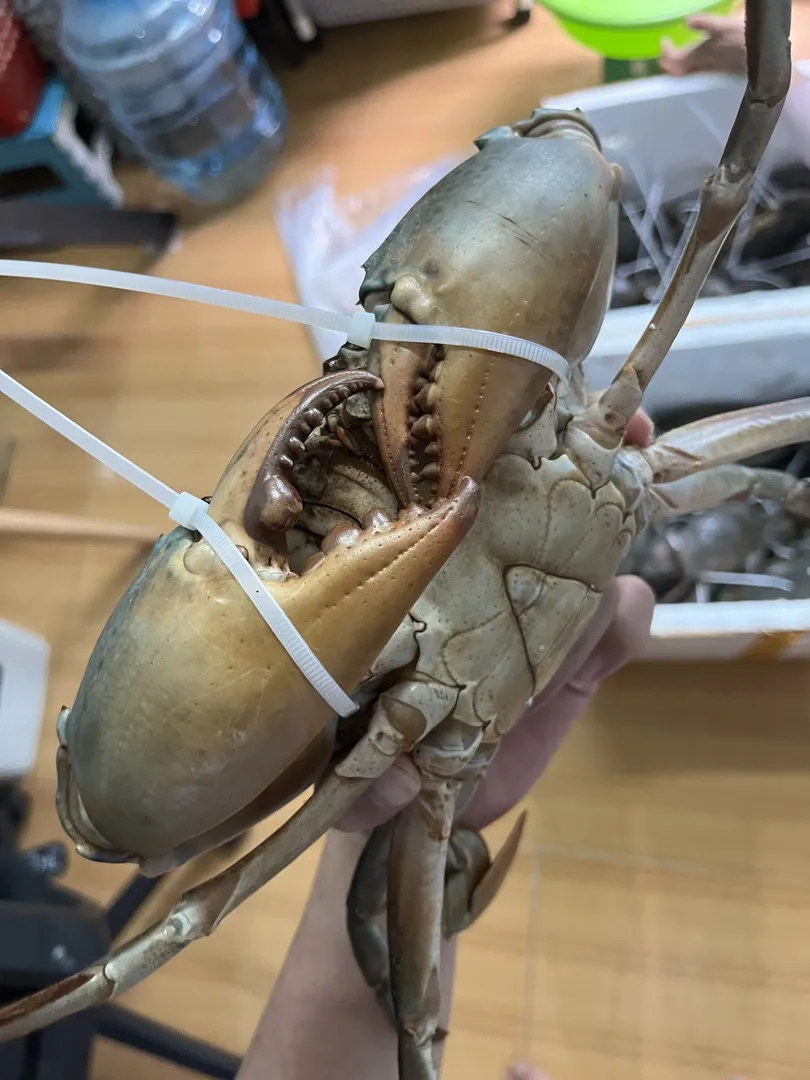
Ca Mau Jumbo Mud Crab
Ca Mau Jumbo Mud Crab
A large male mud crab prized for dense, sweet meat and thick claws, commonly used in steamed crab and grilled crab dishes across the Mekong Delta.
An icon of coastal culinary heritage, featuring firm, sweet meat that captures the raw power and freshness of Ca Mau's tides.
Heritage Ingredient
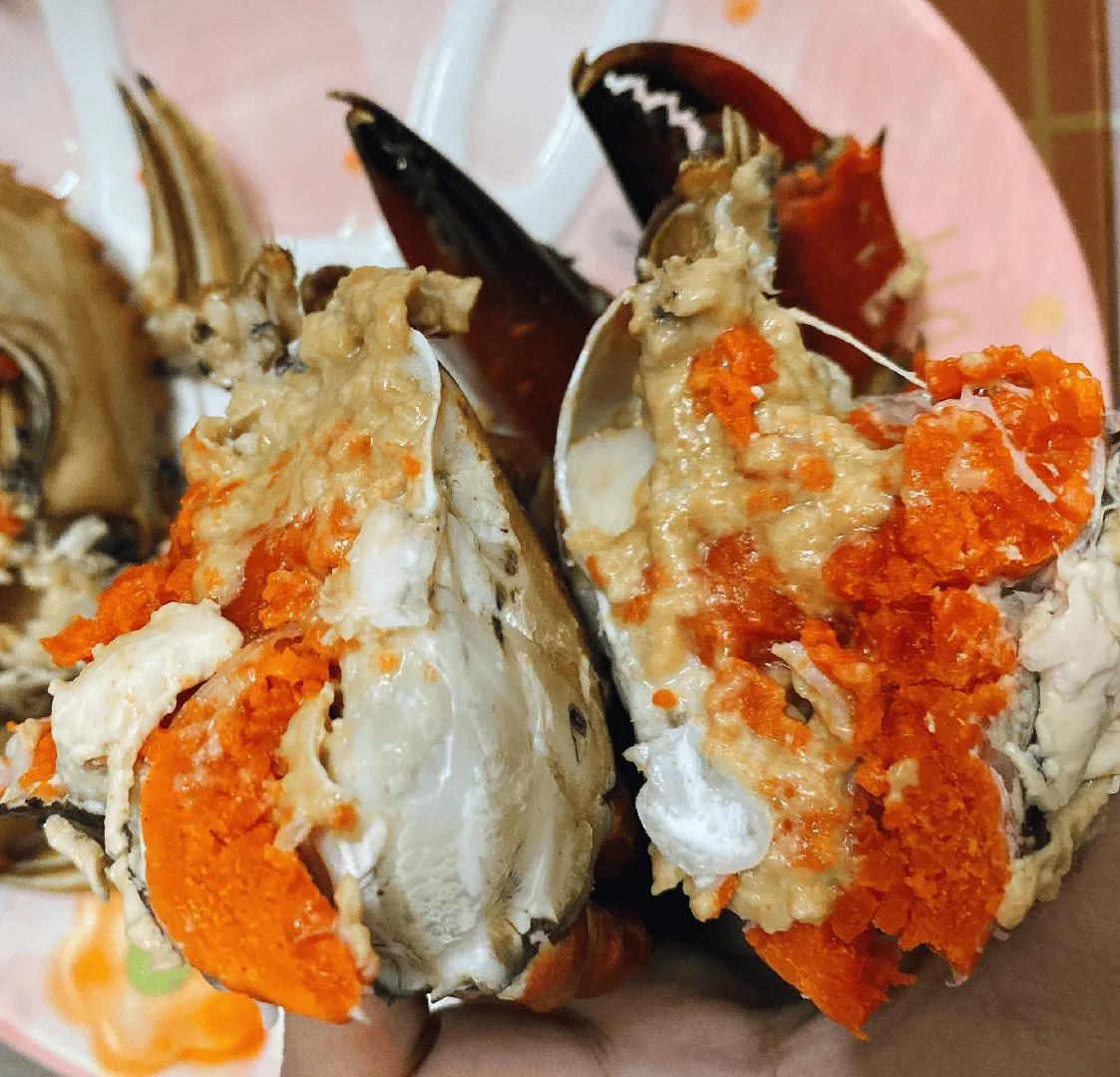
Ca Mau Roe Mud Crab
Ca Mau Roe Mud Crab
A female mud crab known for deep orange roe and a rich, creamy finish, often featured in celebratory Southern Vietnamese seafood meals.
A crimson treasure hidden within a shell, boasting rich, creamy roe that melts on your tongue like a golden sunset over the delta.
Heritage Ingredient
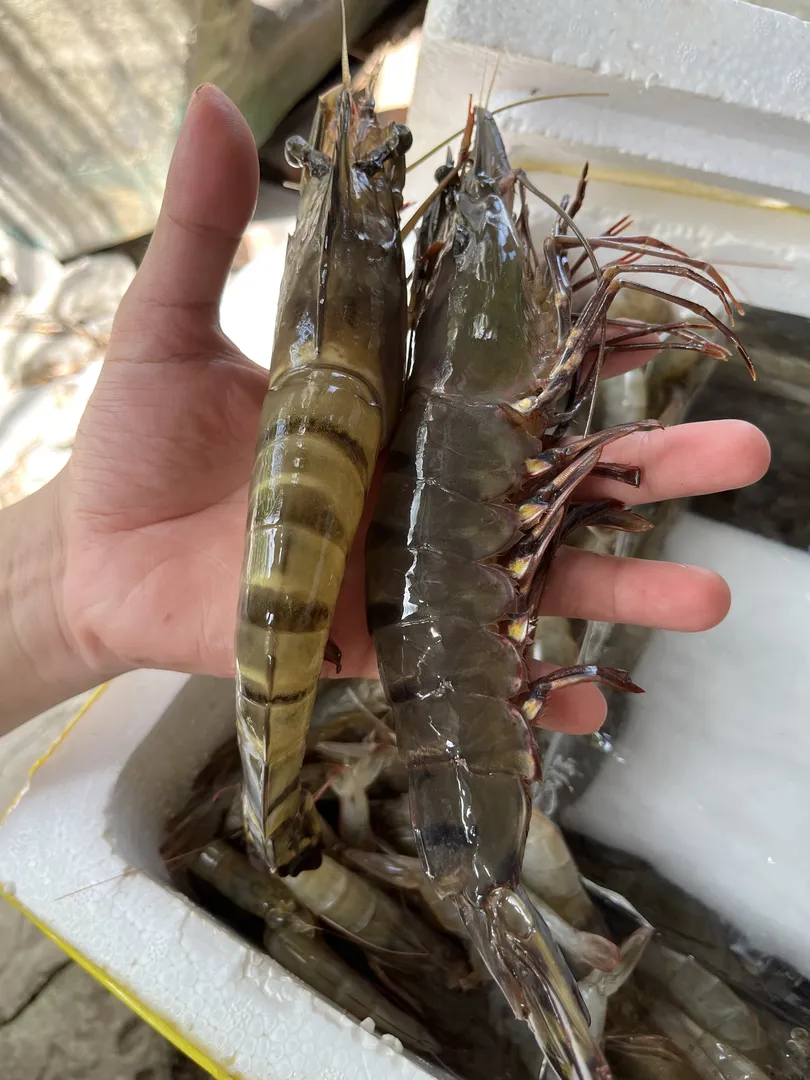
Ca Mau Black Tiger Shrimp
Ca Mau Black Tiger Shrimp
Large black tiger shrimp associated with mangrove aquaculture in Ca Mau, known for firm flesh and a cleaner, sweeter finish than intensively farmed shrimp.
Wild spirits of the mangroves, these black-banded gems deliver a firm, snappy texture and a sweetness that echoes the forest's vibrant life.

Heritage Ingredient
Mekong Giant Freshwater Prawn
Mekong Giant Freshwater Prawn
A river prawn with long blue claws and rich head fat, common in grilled prawn dishes and hotpot traditions across the Mekong basin.
Majestic blue-clawed warriors of the Mekong, famous for their rich, fatty heads and a savory depth that captures the essence of the delta's rivers.
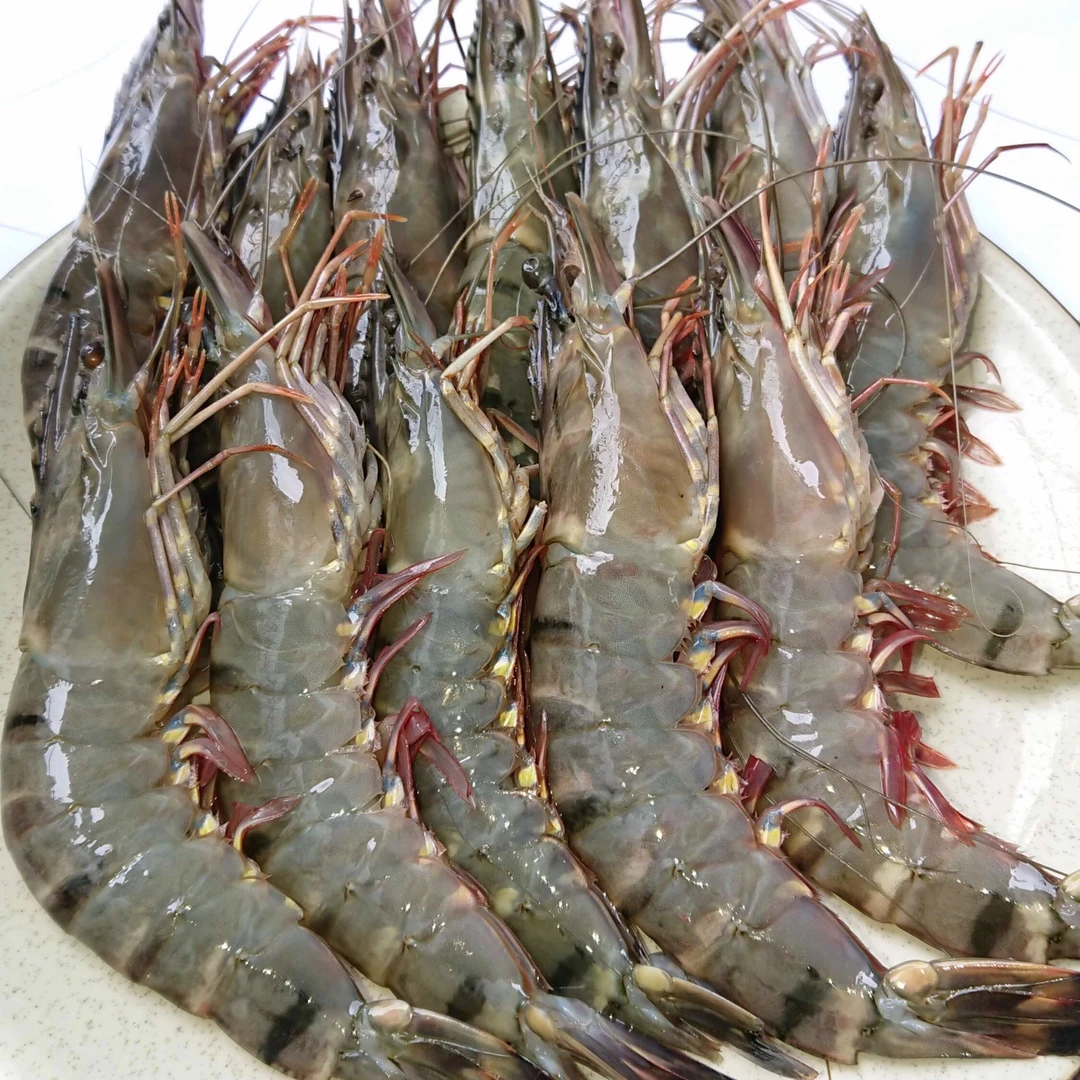
Heritage Ingredient
Whiteleg Shrimp
Whiteleg Shrimp
A widely used shrimp in Vietnamese home kitchens, suitable for stir-fries, soups, steamed dishes, and practical cooking articles that need a familiar shrimp reference.
Translucent jewels of the coast, thin-shelled and remarkably sweet, making every simple home meal feel like a seaside celebration.
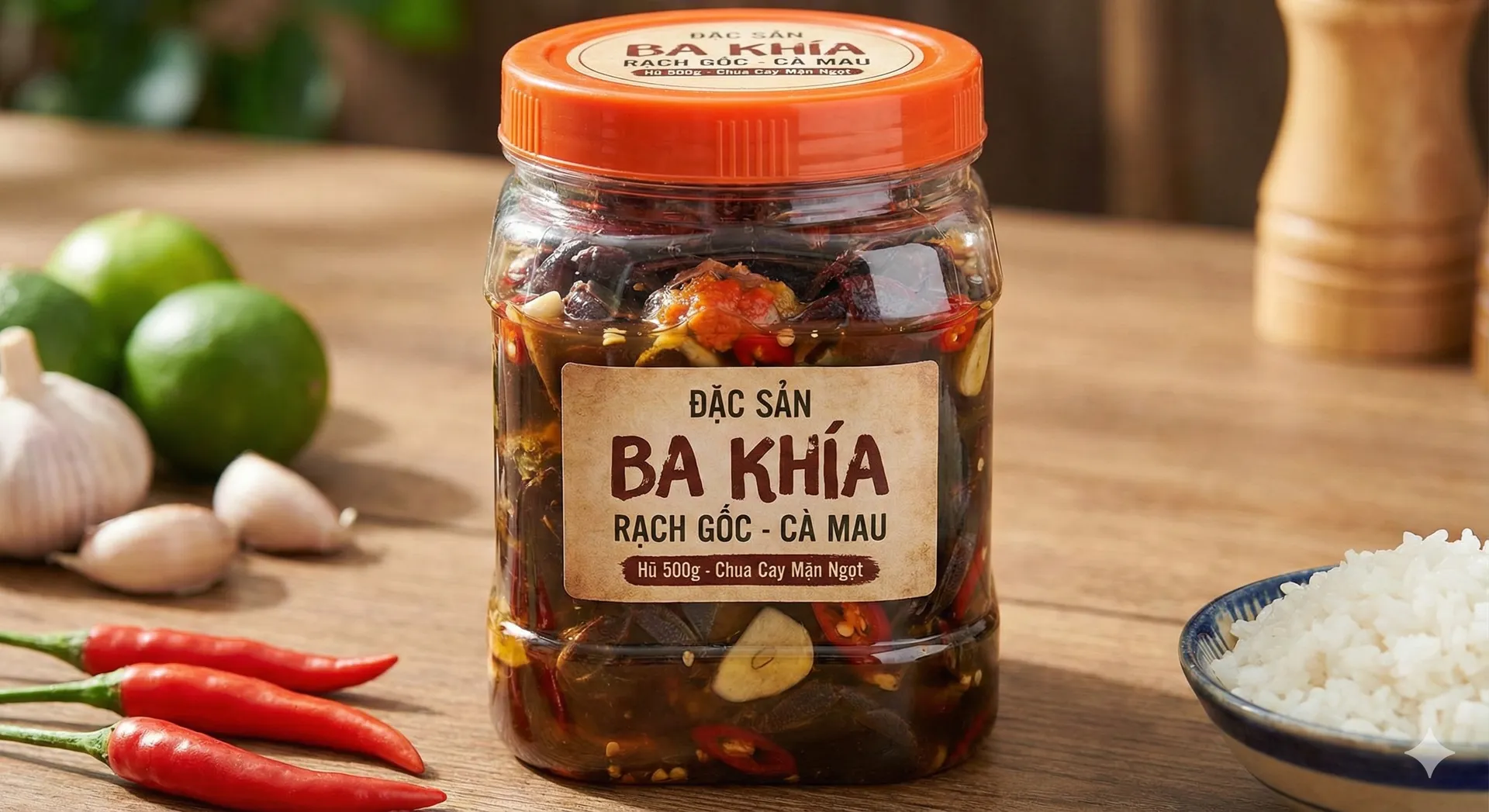
Heritage Ingredient
Fermented Mangrove Crab (Ba Khia)
Fermented Mangrove Crab (Ba Khia)
A traditional fermented crab specialty from the mangrove region of Rach Goc, often cited in articles about rustic Mekong Delta flavors and preserved seafood culture.
The salty-sour heartbeat of the wild south, where traditional fermentation turns forest crabs into a nostalgic explosion of rustic Mekong soul.
From the muddy depths of mangrove swamps to the vast coastal nets, the ingredients of the Mekong Delta are best savored with this zesty, spicy elixir.
5 Elevating the Experience: Variations and Tips
The "Muối Tiêu Xanh" Twist
For a truly authentic and prized version, seek out whole green peppercorns (tiêu xanh). Lightly crush them and add them to the mortar with the chilies. Their unique, pungent spice adds an incredible layer of complexity that elevates the sauce to another level. This is the 'king' of green pepper sauces.
Texture is King
While a blender can make a quick sauce, the traditional mortar and pestle method gives Muối Tiêu Chanh its characteristic slightly chunky texture. This texture holds onto sauces and provides a pleasant bite, rather than a thin liquid.
Don't be afraid to experiment! The Delta is all about adapting to what you have and what tastes best. This sauce is a reflection of that spirit.
6 From Mangrove to Market: A Taste of the Mekong Lifestyle
The creation and consumption of Muối Tiêu Chanh are deeply interwoven with the lifestyle of the Mekong Delta. In coastal towns like Ca Mau or the fishing villages dotting the islands, fresh seafood is the lifeblood. Families gather around communal plates, cracking shells and dipping morsels into vibrant sauces.
The ingredients – chilies grown in local gardens, limes from riverside orchards, salt harvested from coastal evaporation ponds, and the omnipresent green peppercorns from nearby farms – are all products of this fertile region. The sauce is a direct expression of the land and its bounty.
Imagine a floating market in Can Tho, where vendors sell their day's catch. A small stall might offer freshly steamed prawns, served simply with a small bowl of this potent green sauce. It’s a snapshot of daily life, a fusion of fresh ingredients and time-honored flavor pairings that define the region.
7 The Unforgettable Finish
So, the next time you find yourself with a plate of pristine seafood, whether it’s steamed crab fresh from the market or a quick pan-sear of shrimp, don't reach for the ordinary. Mix up a batch of Muối Tiêu Chanh. It’s more than just a condiment; it's a passport to the vibrant flavors and soul of the Mekong Delta. It’s the secret weapon that proves, time and again, that the simplest combinations often yield the most extraordinary results.
8 Beyond Seafood: Unexpected Pairings
While seafood is its undisputed domain, the zesty kick of Muối Tiêu Chanh can surprise you. Try it as a dip for grilled chicken skewers, a flavor booster for fried spring rolls, or even drizzled over steamed vegetables for an extra zing. It's a testament to its bold, adaptable profile.
In the Mekong Delta, innovation is constant. This sauce, while traditional, is also a playground for culinary creativity. The next time you're feeling adventurous, consider it the vibrant green spark that can ignite a multitude of dishes.
More Mekong Flavors
View More Food & Culinary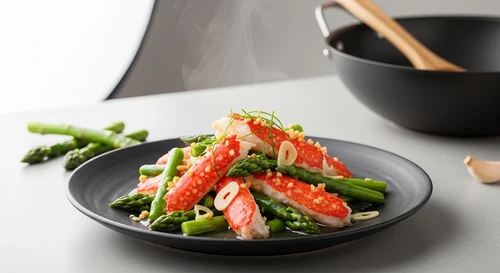
Stir-fried Crab with Crunchy Asparagus & Garlic
A light combination of crunchy green asparagus and shredded crab meat, flash-fried in a hot wok.
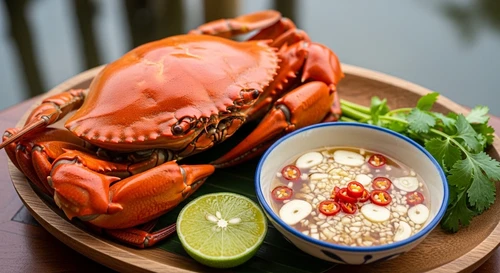
Making the Perfect Fish Sauce Dip for Steamed Crab
It's all about the ratio! How to balance fish sauce, lime, sugar, garlic, and chili to complement, not overpower, the crab.
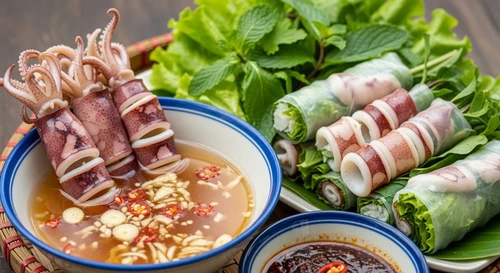
Squid Dipped in Sour Fermented Rice Vinegar with Rice Paper Rolls
Fresh squid tubes dipped in a spicy, sour vinegar and fermented rice broth, rolled in rice paper with lettuce, and dipped in pungent Mam Nem.
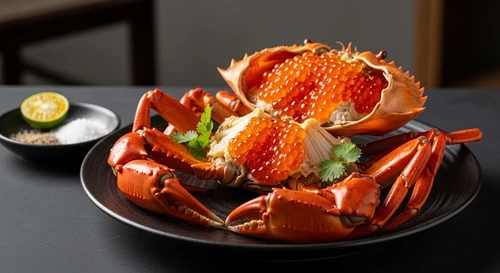
What is 'Cua Gach Son'? Understanding Vietnam's Premium Roe Crab
Why is the orange roe crab so highly prized in Asian cuisine? Discover the rich flavor profile of Ca Mau's most expensive export.
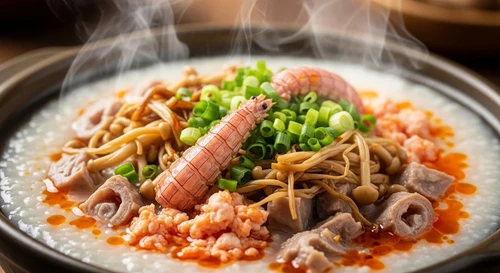
Mantis Shrimp, Pork & Straw Mushroom Porridge
Pork cartilage porridge cooked until the rice grains burst, with minced mantis shrimp and garlic-sautéed straw mushrooms for tired days.
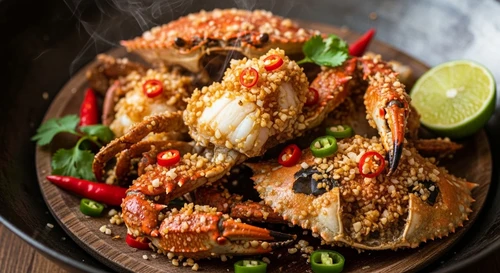
Salt and Chili Toasted Crab (Cua Rang Muoi): Spicy, Salty, Addictive
If you love spicy food, this classic Vietnamese seafood preparation will blow your mind. Perfect with a cold beer.
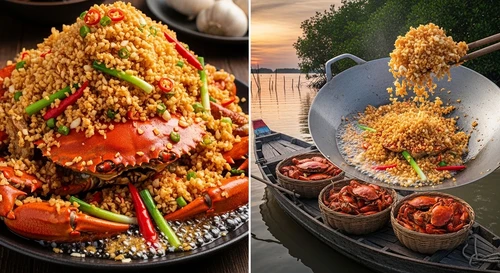
Hong Kong Style Typhoon Shelter Crab: Garlic Overload
Deep-fried crab buried under a mountain of crispy garlic, scallions, and chili. A masterpiece of Cantonese cuisine.
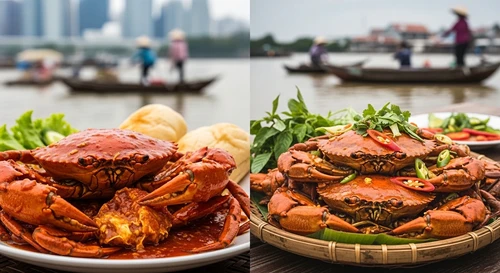
Singaporean Chili Crab vs. Vietnamese Tamarind Crab: A Flavor Showdown
Comparing two of Southeast Asia's most iconic crab dishes. Which flavor profile suits your palate better?
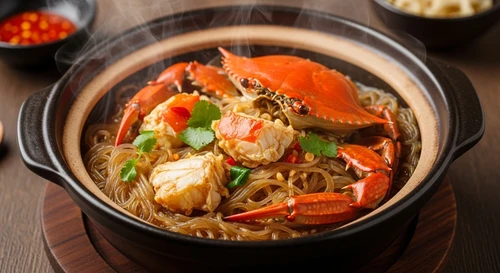
Flavorful Claypot Glass Noodles with Blue Crab
Toss dry glass noodles with crab broth, onions, and shiitake mushrooms in an earthen pot to keep it boiling hot.