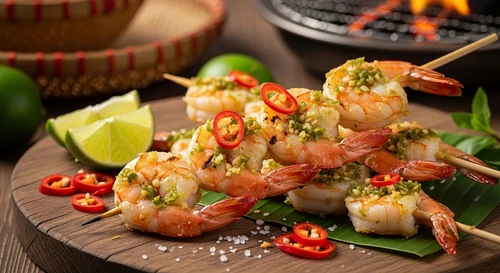
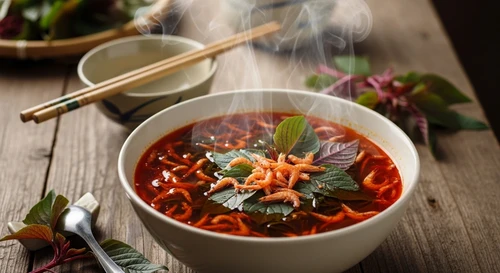
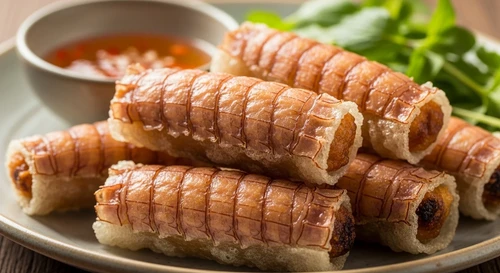
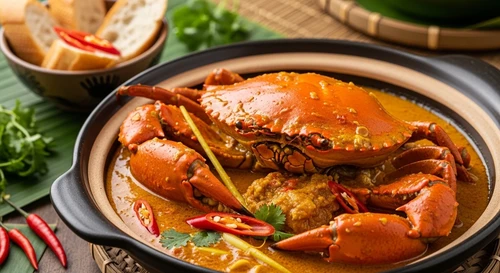
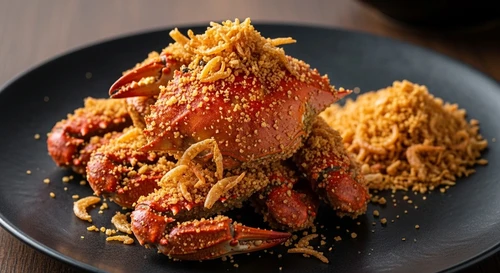
" In the labyrinthine waterways of the Mekong Delta, where the scent of salt and ripe fruit mingles with damp earth, seafood isn't just sustenance; it's a story. And the tale of mantis shrimp, especially when kissed by steam and the earthy aroma of lemongrass, is one of profound delicacy. "
1 The Jewel of the Mudflats: Unveiling Mantis Shrimp
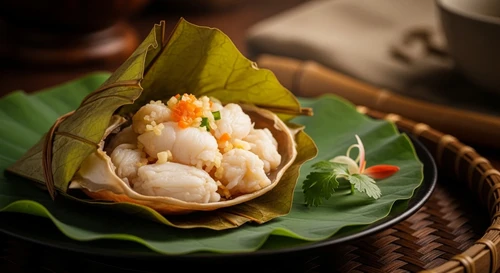
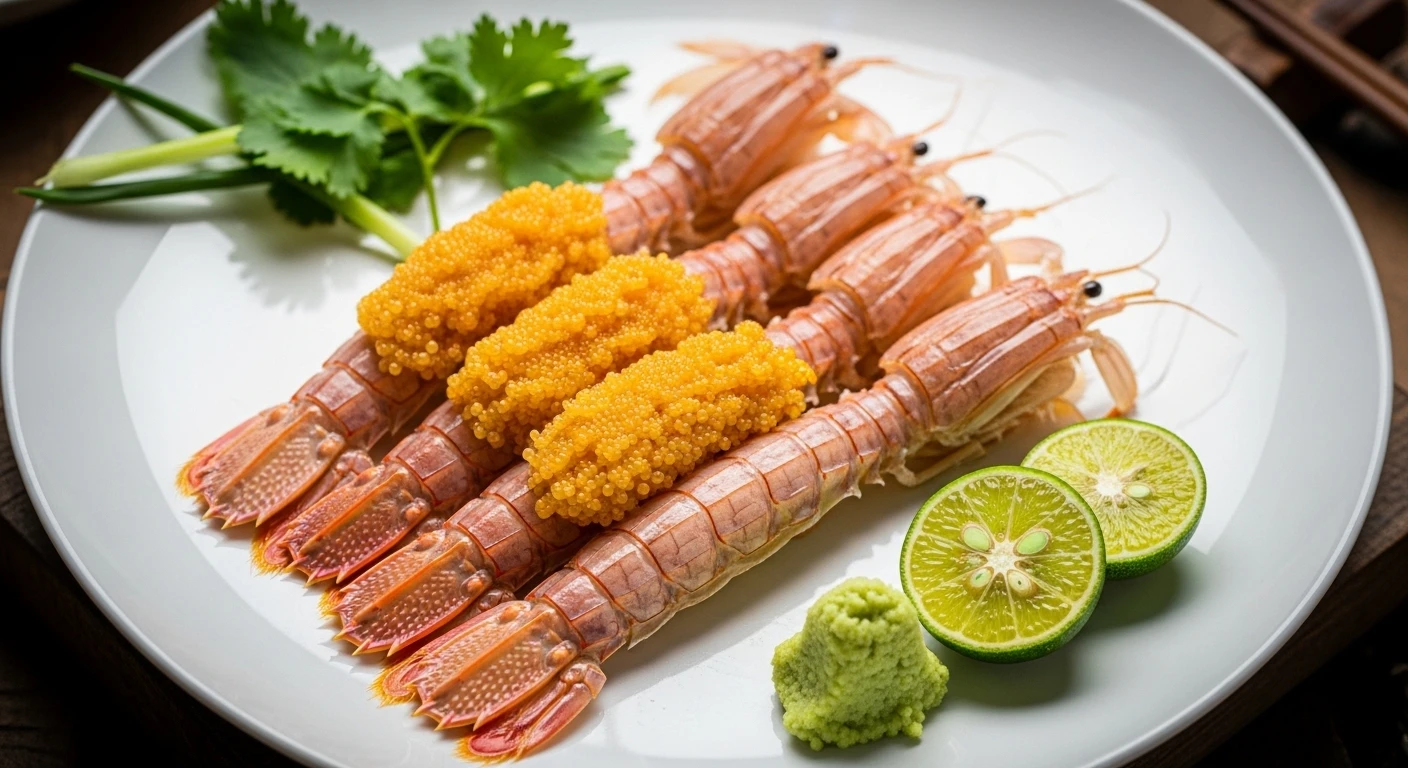
Forget the hulking lobsters and common prawns for a moment. In the coastal regions and estuarine fringes of the Mekong Delta, creatures of intricate beauty and surprising flavor make their home. The mantis shrimp, or 'tôm tít' as it's known locally, is one such marvel. These aren't your average shrimp; they're vibrant, often brightly colored predators with segmented bodies and a unique culinary treasure: a rich, golden roe that lines their backs.
The magic of 'tôm tít' lies in its texture and the precious roe. The meat itself is firm, sweet, and possesses a delicate brininess, distinct from its more common cousins. But the roe? That's where the true luxury resides. When cooked perfectly, it transforms into a creamy, intensely flavorful coral that melts in the mouth, a testament to the creature's life force, nurtured by the nutrient-rich waters of the Ca Mau mangroves and the Gulf of Thailand.
This dish, simple as it may seem, is a celebration of that roe. It's about honoring the ingredient, coaxing out its natural sweetness without overwhelming it. The steaming method is key – it preserves the integrity of the meat and the precious roe, preventing the dreaded shrinkage that plagues so many improperly cooked crustaceans.
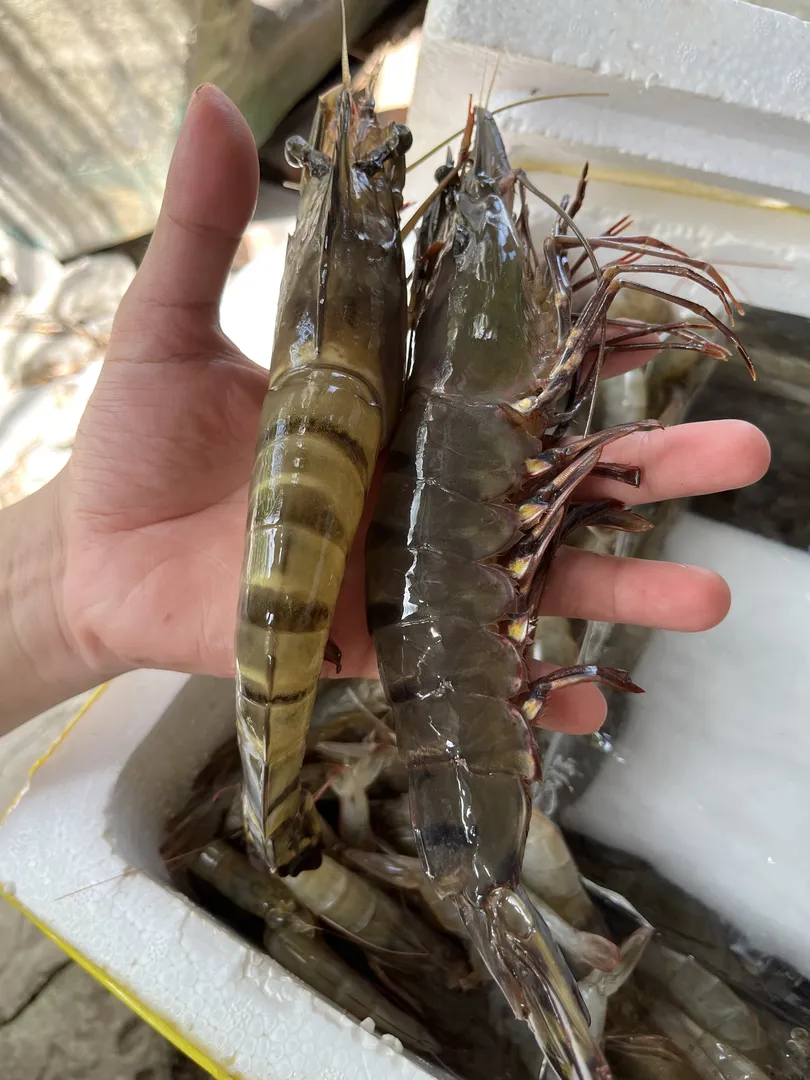
While mantis shrimp are unique, understanding the importance of quality seafood like this Vietnamese Black Tiger Shrimp from Ca Mau sets the stage for appreciating the delta's aquatic gifts.
Heritage Ingredient
Ca Mau Black Tiger Shrimp
Ca Mau Black Tiger Shrimp
Large black tiger shrimp associated with mangrove aquaculture in Ca Mau, known for firm flesh and a cleaner, sweeter finish than intensively farmed shrimp.
Wild spirits of the mangroves, these black-banded gems deliver a firm, snappy texture and a sweetness that echoes the forest's vibrant life.
2 The Art of the Gentle Boil: Mastering Mantis Shrimp
The cardinal sin when preparing delicate seafood like mantis shrimp is overcooking. It's a tightrope walk between raw and rubbery. The goal is to gently coax the sweetness out, ensuring the meat remains plump and the roe stays intact, a shimmering cascade of gold. Here’s the secret: minimal heat, maximum flavor infusion.
Many recipes might suggest boiling, but for 'tôm tít', steaming is superior. It allows for a more controlled application of heat and moisture, infusing the shrimp with the aromatics without waterlogging them. It’s a method that speaks to the region’s culinary philosophy – letting the inherent quality of the ingredients shine.
We're not talking about a high-pressure steam blast here. It's a gentle, aromatic bath, where the steam, laced with lemongrass and ginger, permeates the crustacean, enhancing its natural perfume rather than masking it.
Key to Plumpness:
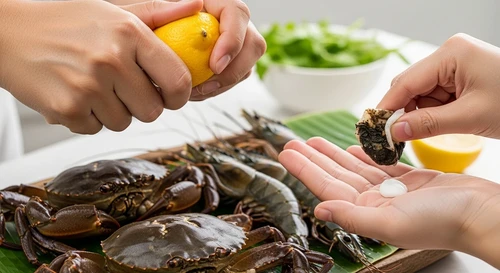
- Live is Best: As with most delicate seafood, fresh, live mantis shrimp are paramount.
- Don't Crowd the Pot: Give each shrimp space to cook evenly.
- Watch the Clock: Overcooking is the enemy. Timing is everything.
- The Roe Factor: Keep an eye on the back. When the roe firms up and turns a vibrant golden-orange, you're almost there.
3 Mekong Aromatics: The Fragrant Ensemble
The beauty of Mekong Delta cuisine lies in its masterful use of aromatics. They don't just add flavor; they create an entire sensory experience. For steamed mantis shrimp, we call upon two pillars of Vietnamese flavor: lemongrass and ginger.
Lemongrass (Sả):
More than just a garnish, lemongrass is the soul of many Southern Vietnamese dishes. For steaming, we bash the stalks to release their potent citrusy oils and earthy undertones. It forms the fragrant bed upon which our mantis shrimp will rest, its aroma infusing every bite.
Ginger (Gừng):
Ginger brings a warming, slightly peppery counterpoint to the citrusy lemongrass and the sweet seafood. Sliced or roughly chopped, it adds depth and a subtle zing that cuts through the richness of the roe.
These two, in harmony, create an olfactory symphony that signals the arrival of something special. It's the scent of a clean, vibrant coastal morning, captured and served.
4 The Ritual of Preparation: From River to Plate
The Stars
- Live Mantis Shrimp: 250-300g, cleaned (rinsed, if needed).
- Lemongrass: 3-4 stalks, trimmed, tough outer layers removed, smashed and roughly chopped.
- Ginger: 1-inch piece, peeled and sliced.
- Optional: A few Kaffir lime leaves, torn.
The Technique
- Steamer Pot: A pot with a tight-fitting lid and a steamer basket or rack.
- Water/Broth: About 2 inches of water or light chicken broth for the steamer base.
- Wasabi Paste: For serving.
- Lime Wedges: For serving.
5 The Gentle Steam: Unlocking Flavor
Prepare the Aromatics Bed
In your steamer basket, lay down the smashed lemongrass stalks and sliced ginger (and lime leaves, if using). This creates a fragrant platform.
Arrange the Mantis Shrimp
Place the cleaned mantis shrimp in a single layer on top of the aromatics. Ensure they are not overcrowded. Position them so the roe is visible along their backs.
Steam to Perfection
Bring about 2 inches of water (or broth) to a rolling boil in the bottom of the steamer pot. Place the basket with the shrimp inside. Cover tightly and steam for **4 to 7 minutes**, depending on size. The shrimp will turn opaque pink, and the roe will firm and turn a vibrant golden-orange. Do not overcook!
Rest and Serve
Remove from heat immediately. Let them rest for a minute before carefully arranging on a serving platter. The residual heat will finish the cooking.
The Pungent Counterpoint: Wasabi and Lime
The delicate sweetness of the mantis shrimp and its golden roe needs a sharp, bright companion. This is where the simplicity of the serving comes into play, a signature of refined Mekong cuisine.
Wasabi Kick
A dab of pungent wasabi paste provides an electrifying, sinus-clearing heat that contrasts beautifully with the sweet meat.
Citrus Brightness
Fresh lime wedges offer a zesty, acidic burst that brightens the entire palate and cuts through any richness.
The Perfect Dip
Dip the mantis shrimp into the wasabi, then squeeze a bit of lime over it before you take a bite. It's a flavor explosion.
In some Mekong coastal areas, a simple dipping sauce of fresh chili, garlic, lime juice, and a pinch of sugar is also used, offering a different, vibrant profile.
7 The Mekong Delta's Seafood Philosophy
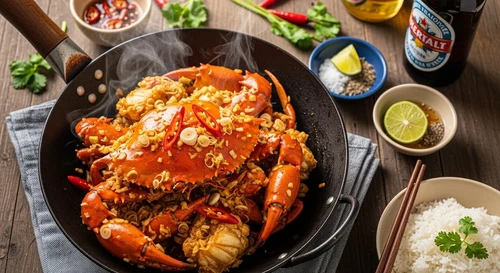
This dish, 'tôm tít' steamed with lemongrass and served with wasabi, encapsulates so much of what makes Mekong Delta cuisine so compelling. It's about respect for the environment that provides these treasures. The delta, with its intricate network of rivers, canals, and coastal mangroves, is an aquaculture powerhouse. From the famed mud crabs of Ca Mau to the abundant shrimp and diverse array of fish, the region's identity is inextricably linked to its waters.
There's a deep understanding here that nature's bounty is precious and should be treated with care. This translates into cooking methods that are often simple, relying on the intrinsic flavors of the ingredients. Over-processing or heavy sauces are typically reserved for dishes where the ingredient itself might be more robust. For something as delicate as mantis shrimp, the aim is purity. It’s a culinary ethos that values freshness, minimal intervention, and the celebration of regional specialties.
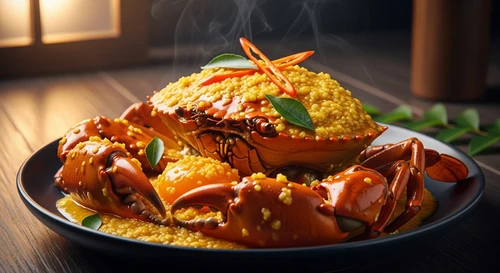
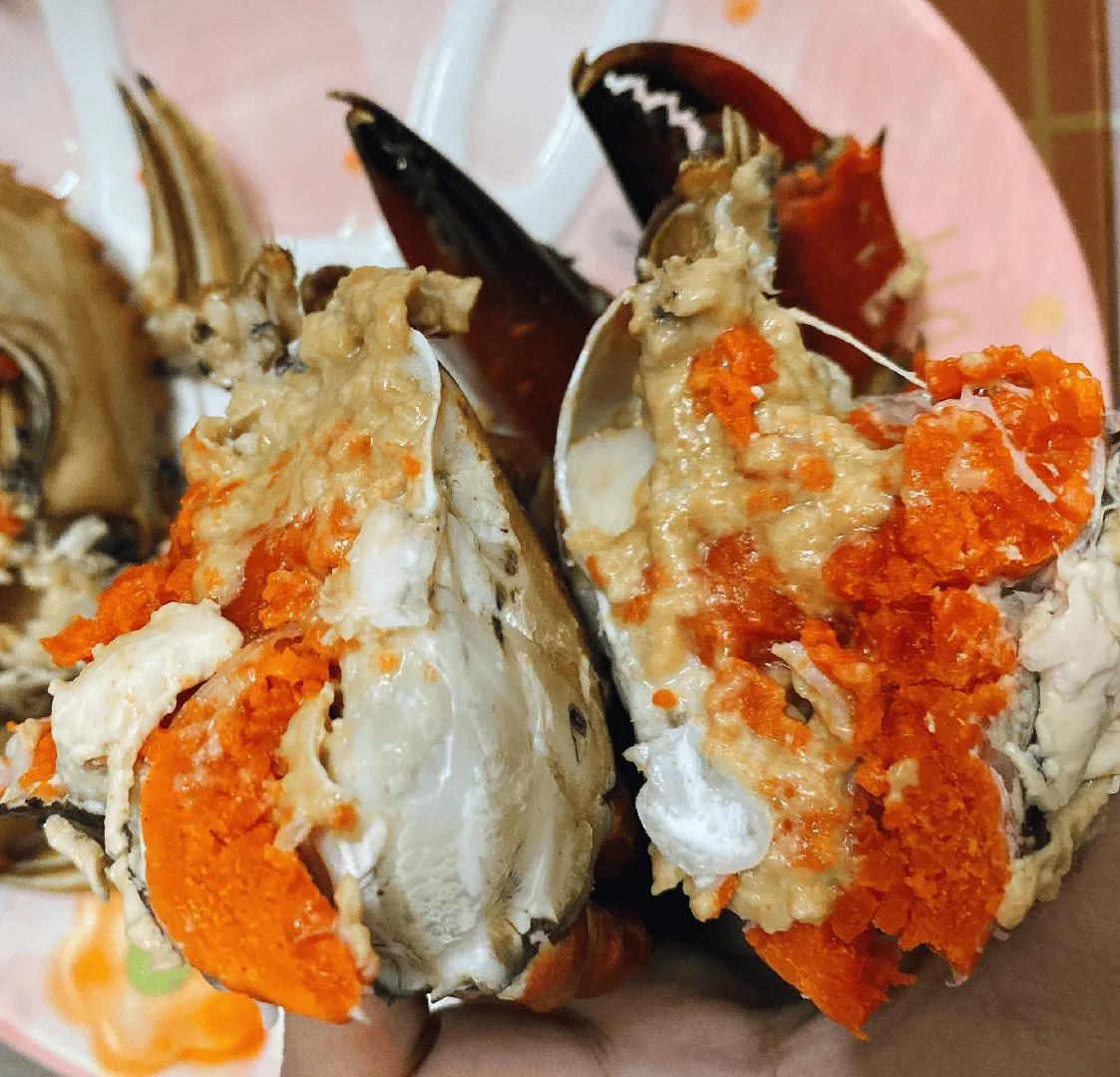
The tradition of appreciating diverse seafood is vast. Consider the roe crab from Ca Mau, another celebrated delicacy where the rich, orange roe is prized.
Heritage Ingredient
Ca Mau Roe Mud Crab
Ca Mau Roe Mud Crab
A female mud crab known for deep orange roe and a rich, creamy finish, often featured in celebratory Southern Vietnamese seafood meals.
A crimson treasure hidden within a shell, boasting rich, creamy roe that melts on your tongue like a golden sunset over the delta.

8 Beyond the Plate: A Taste of the Delta
This dish is more than just a recipe; it's an invitation. An invitation to explore the vibrant aquaculture of the Mekong Delta, to understand the subtle nuances of Vietnamese coastal cuisine, and to appreciate the simple yet profound joy of perfectly cooked seafood. It’s a reminder that sometimes, the most extraordinary flavors come from the most straightforward preparations, honoring the gifts of the earth and sea.
So, next time you find yourself with a bounty of fresh mantis shrimp, remember the gentle touch of steam, the fragrant embrace of lemongrass and ginger, and the sharp, bright finale of wasabi and lime. You'll be tasting a piece of the Mekong, a true delicacy from the heart of Vietnam.