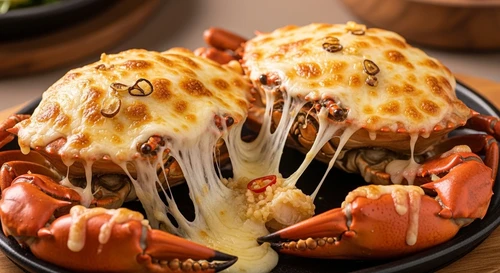
" In the intricate ballet of Mekong Delta cuisine, the mantis shrimp – or 'tom tich' as the locals call it – is a jewel. It’s a creature of striking beauty and delicate flavour, a true taste of the brackish waters and mangrove-lined coasts. But its true glory is often marred by clumsy preparation. "
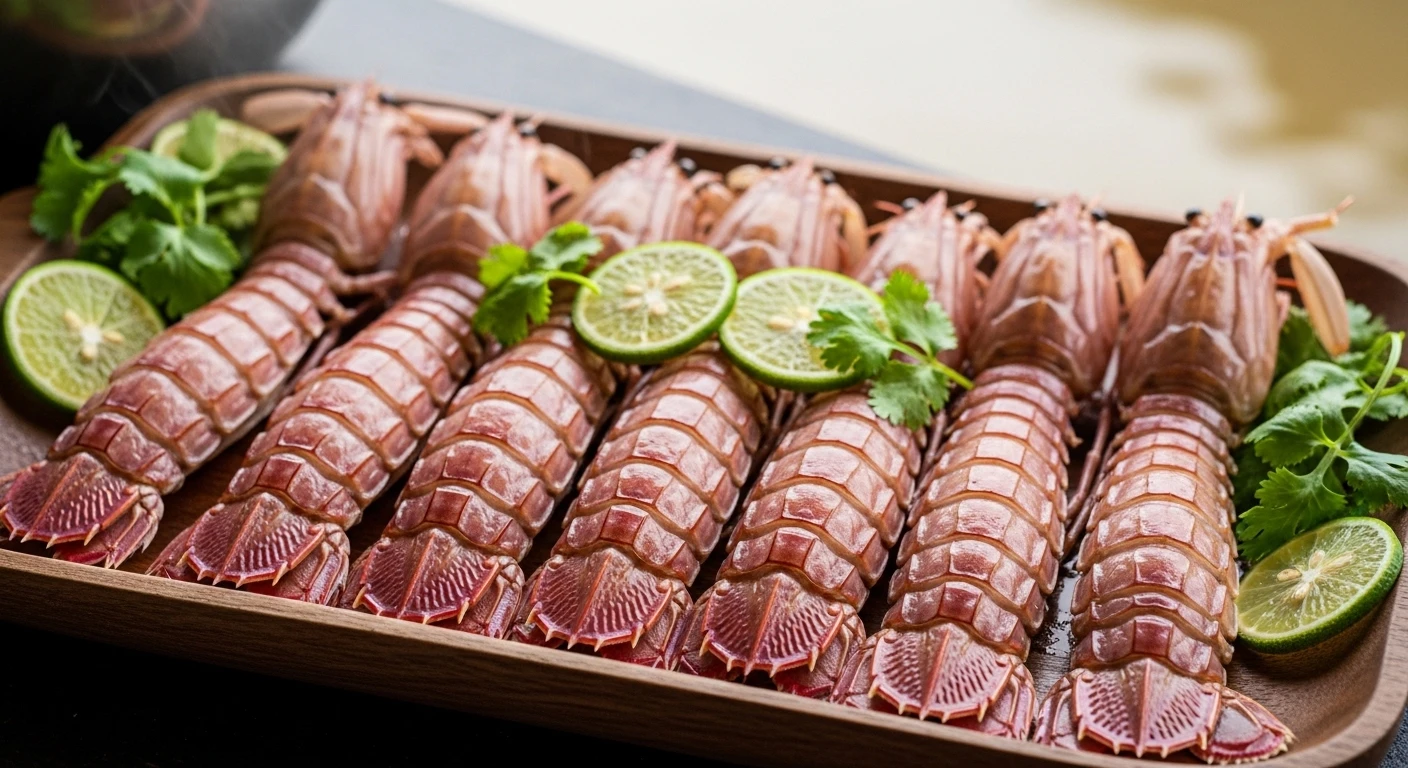
📸 The prize: Perfectly steamed mantis shrimp, heads intact.
1 The Jewel of the Brackish Waters
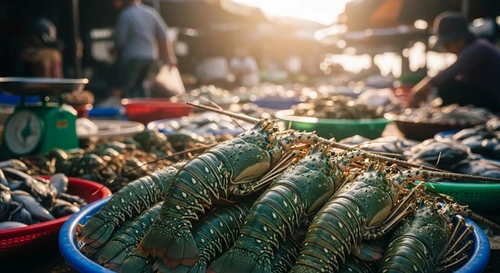
The Mekong Delta, a labyrinth of rivers, canals, and fertile plains, is a treasure trove of unique seafood. Among its most prized inhabitants is the mantis shrimp, a crustacean that commands respect not just for its intense, sweet flesh but for its almost alien beauty. Found in coastal areas and brackish estuaries, these creatures are a testament to the rich biodiversity of Vietnam's southern waterways.
Unlike their more common shrimp cousins, mantis shrimp possess a segmented, armoured body and a distinct, almost regal, head. Their flavour is a concentrated burst of oceanic sweetness, often described as richer and more complex than typical shrimp. This inherent quality means that methods like steaming are not just cooking techniques; they are acts of reverence. The goal is to elevate, not mask, the exquisite natural flavour.
Flavor Profile
Intensely sweet, rich, with a subtle oceanic brine. Texture is firm yet succulent.
Habitat
Coastal areas, estuaries, and brackish waterways of the Mekong Delta.
In the bustling floating markets or humble roadside eateries of Ca Mau or Bac Lieu, you'll find these gems displayed with pride. But to truly appreciate them, one must master the art of preparing them without destroying their visual appeal – a culinary challenge that separates the amateur from the seasoned cook.
2 The Headless Horror: Why It Happens
The most common pitfall when steaming mantis shrimp is the dreaded detachment of the head. It’s a frustrating sight: perfectly cooked bodies, but sad, disembodied heads lying forlornly at the bottom of the steamer. This usually occurs due to one or a combination of these factors:
- Overcrowding the Steamer: When shrimp are piled too high, they shift and jostle during the vigorous steaming process, leading to structural integrity issues.
- Aggressive Handling: Tossing the shrimp around when placing them in or removing them from the steamer is a surefire way to loosen those delicate connections.
- Uneven Heat Distribution: If steam is too aggressive in one spot, it can blast the shrimp unevenly, weakening the attachment points.
- Freezing & Thawing: Improperly thawed shrimp can have their cell structures compromised, making them more prone to breaking apart. Always use fresh, never previously frozen, for this method.
The solution lies in a gentle approach and a mindful placement strategy. It’s less about a complex recipe and more about understanding the delicate nature of your ingredient.
3 The "On-Their-Backs" Secret
This is the core technique, simple yet profoundly effective. It requires a bit of spatial thinking and a steady hand:
Gentle Preparation
If using live mantis shrimp, a quick plunge into an ice bath for 5-10 minutes will stun them, making them easier to handle and less likely to break.
The Crucial Placement
Here's the magic: Arrange the mantis shrimp on their backs, belly-up, in a single layer on your steamer rack. Ensure they are not touching each other if possible. The ventral side (belly) is more robust; placing them this way allows the steam to cook them evenly without exerting undue pressure on the more delicate dorsal side where the head attaches.
Gentle Steaming
Steam over boiling water or a light broth (perhaps with ginger and a single stalk of lemongrass) for about 5-8 minutes, depending on size. The shell will turn a vibrant pinkish-red, and the flesh should be opaque. Avoid over-steaming, which can toughen the meat.
The Careful Harvest
This is crucial: Do NOT toss or agitate the steamer basket. Carefully lift the rack out of the steamer. Then, using tongs or your hands (if cool enough), gently transfer the mantis shrimp to your serving platter, maintaining their "on-the-back" orientation for presentation.
4 Presentation is Key
The true reward of this technique is the visual impact. A platter of perfectly steamed mantis shrimp, each with its head proudly attached, is a culinary statement. It speaks of respect for the ingredient and mastery of a simple, yet profound, cooking principle.

Accompaniments
Serve with a classic Vietnamese dipping sauce: a simple blend of lime juice, fish sauce, finely chopped chili, and perhaps a hint of sugar. A sprinkle of cracked black pepper elevates it further.

Freshness Factor
This method is best employed with the freshest mantis shrimp possible. For inspiration on sourcing pristine seafood from the region, consider the abundant offerings from the Ca Mau coastline.
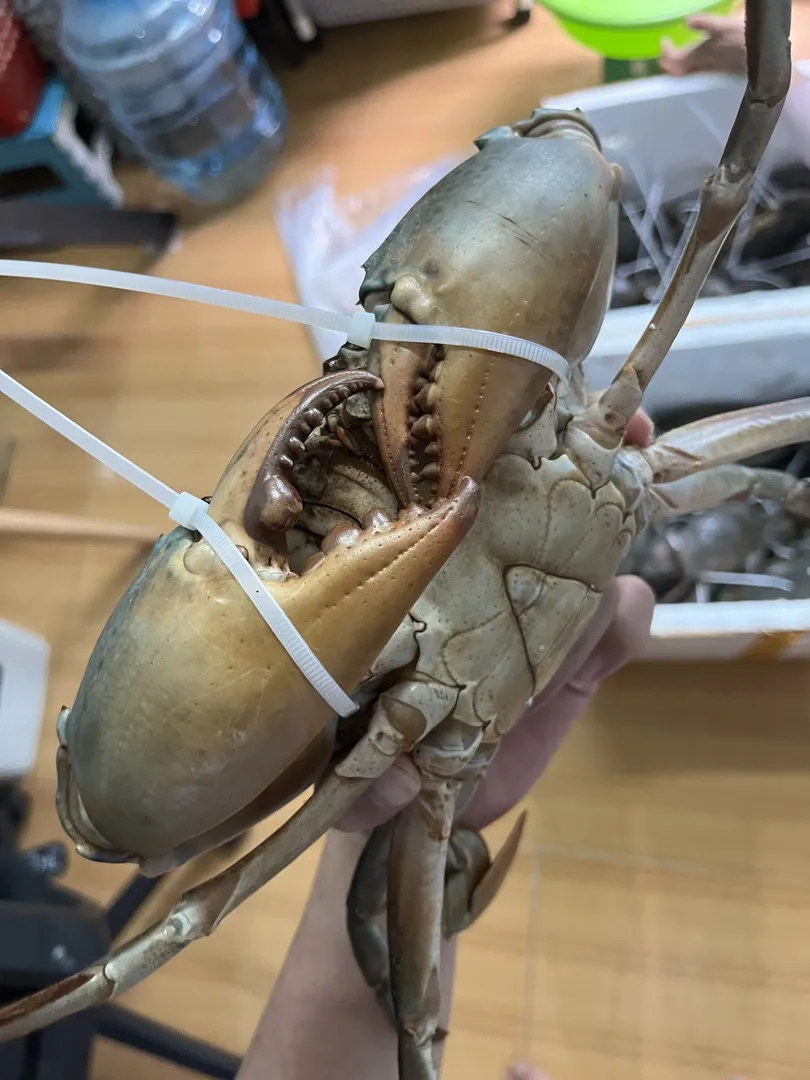
Heritage Ingredient
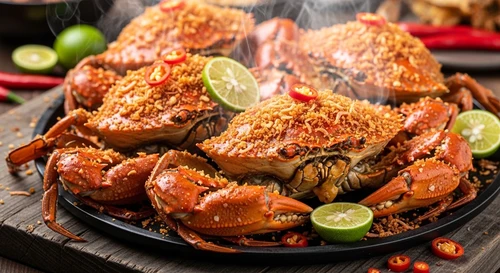
Ca Mau Jumbo Mud Crab
Ca Mau Jumbo Mud Crab
A large male mud crab prized for dense, sweet meat and thick claws, commonly used in steamed crab and grilled crab dishes across the Mekong Delta.
An icon of coastal culinary heritage, featuring firm, sweet meat that captures the raw power and freshness of Ca Mau's tides.

The Grand Reveal
Arrange the shrimp artfully. Consider garnishing with fresh herbs like cilantro or mint, and perhaps some thin slices of lime. The visual appeal will significantly enhance the dining experience.
5 Applying the Principle
While perfected for mantis shrimp, this gentle steaming and careful placement technique can be beneficial for other delicate crustaceans and shellfish where visual presentation is paramount. Think of smaller crabs, certain types of prawns, or even plump scallops where you want to maintain their structural integrity and natural beauty on the plate.
The spirit of this method aligns perfectly with the culinary philosophy prevalent in the Mekong Delta: using the freshest ingredients and employing techniques that allow their natural flavors and forms to shine. It's about minimal intervention for maximum impact, a principle that defines so much of the region's extraordinary cuisine.
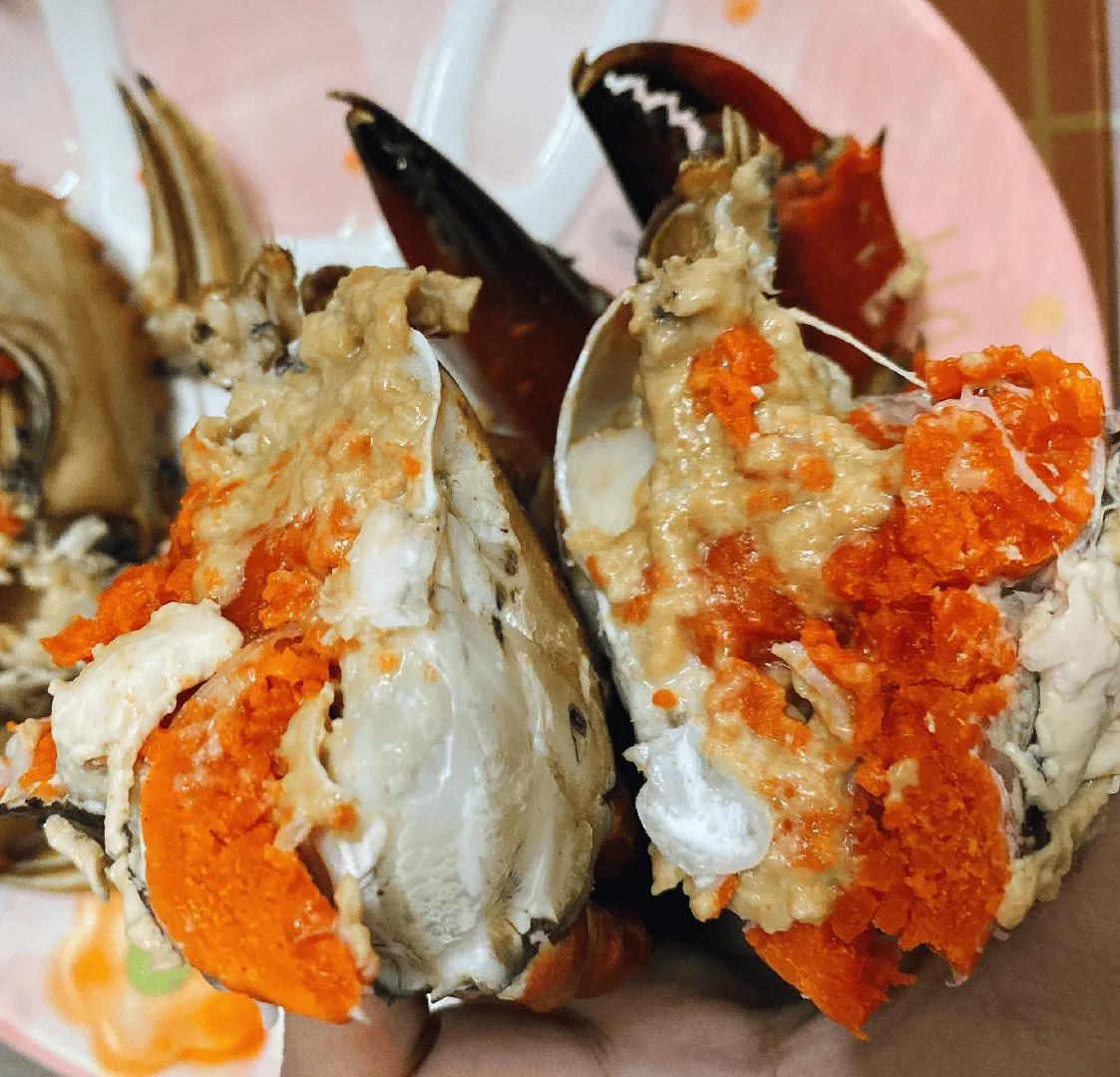
Heritage Ingredient
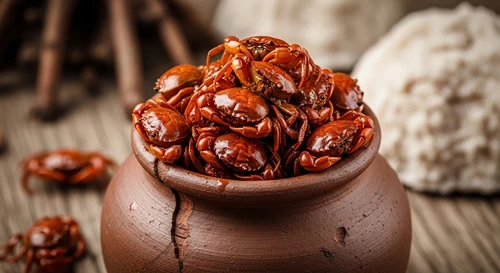
Ca Mau Roe Mud Crab
Ca Mau Roe Mud Crab
A female mud crab known for deep orange roe and a rich, creamy finish, often featured in celebratory Southern Vietnamese seafood meals.
A crimson treasure hidden within a shell, boasting rich, creamy roe that melts on your tongue like a golden sunset over the delta.
6 Echoes of the Delta
The practice of steaming seafood is deeply ingrained in Vietnamese culinary traditions, particularly in the Mekong Delta. Here, where the bounty of the rivers and the sea is a daily reality, simple steaming is elevated to an art form. It's a method that honours the direct, unadulterated flavour of ingredients like prawns, crab, and of course, the mantis shrimp.
Imagine a scene: a small boat drifting along a quiet canal, the scent of woodsmoke mingling with the salty air. A simple pot steams over a gentle flame, releasing fragrant aromas. This isn't just cooking; it's a connection to the landscape, a rhythm of life tied to the ebb and flow of the water. The "on-their-backs" technique for mantis shrimp is a modern refinement of these age-old principles, ensuring that this visually stunning crustacean arrives at the table as a true testament to its origins.
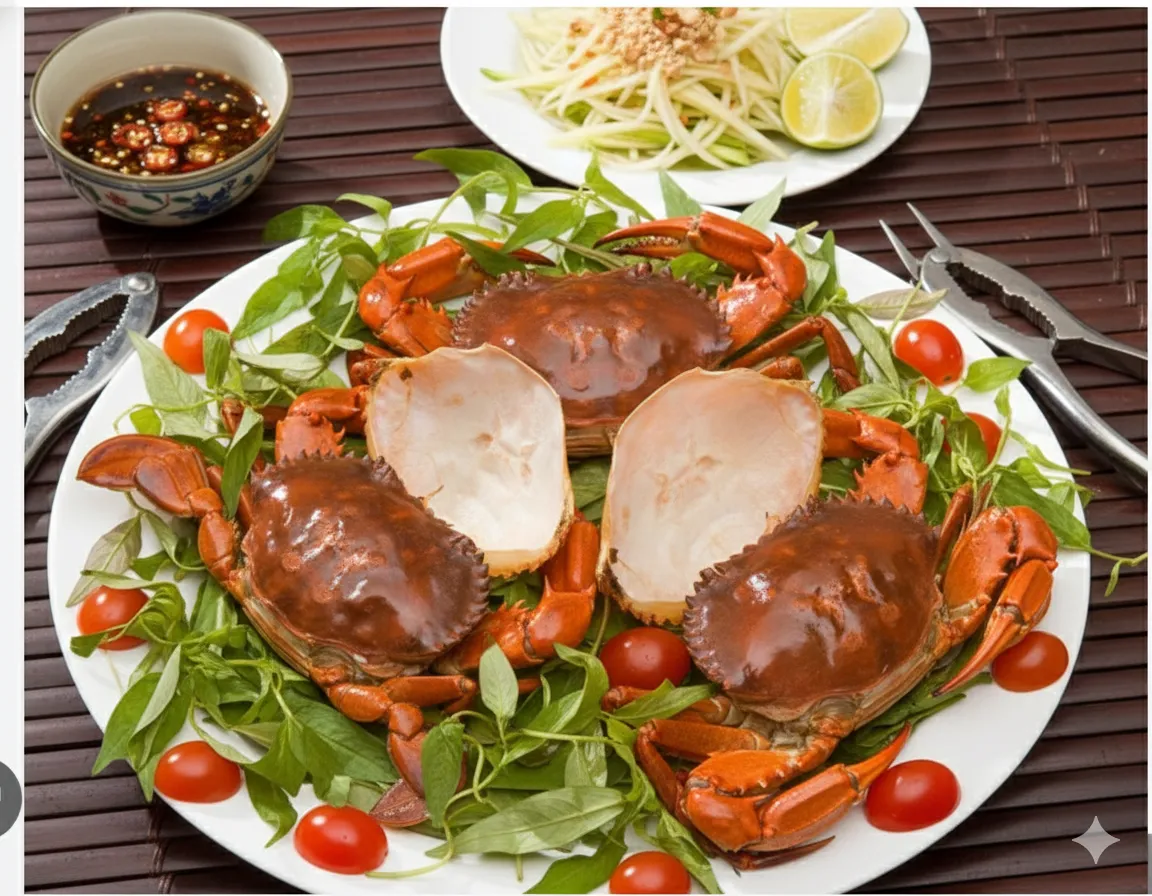
Heritage Ingredient
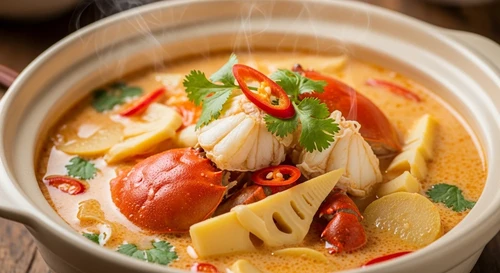
Soft-Shell Butter Crab (Molting Crab)
Soft-Shell Butter Crab (Molting Crab)
A rare molting mud crab from Ca Mau, valued for its edible soft inner shell and exceptionally creamy roe, making it the closest local equivalent to soft-shell crab concepts familiar abroad.
Nature's rare masterpiece—a delicate transition where a soft inner layer protects golden, custard-like roe in a fleeting moment of flavor.
Frequently Asked Questions
❓ Do I need to peel the mantis shrimp before steaming?
🌡️ How do I know when they are perfectly cooked?
❄️ Can I use frozen mantis shrimp?
8 The Art of Simplicity
Mastering the steaming of mantis shrimp with heads intact is a small victory in the kitchen, but one that yields significant rewards. It’s a testament to the power of technique, observation, and a deep appreciation for the ingredients the Mekong Delta so generously provides. So next time you procure these magnificent crustaceans, remember to treat them with the care they deserve. Place them on their backs, steam them gently, and present them with pride. Your guests—and your palate—will thank you.