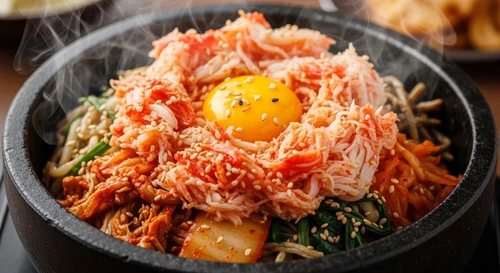
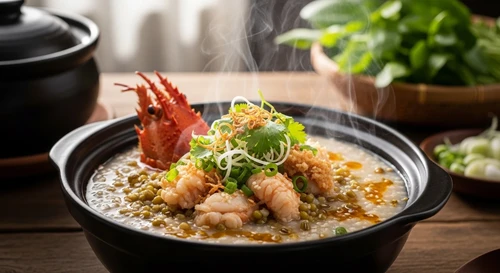
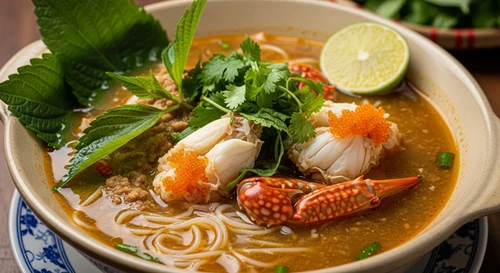
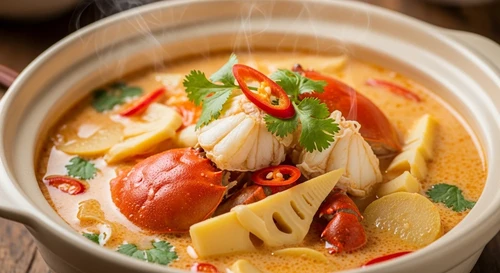
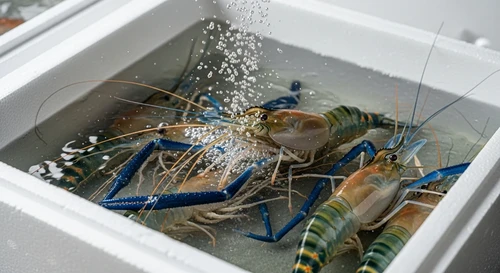
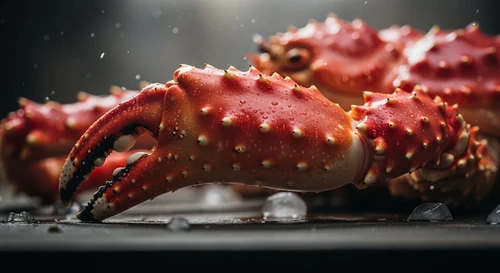
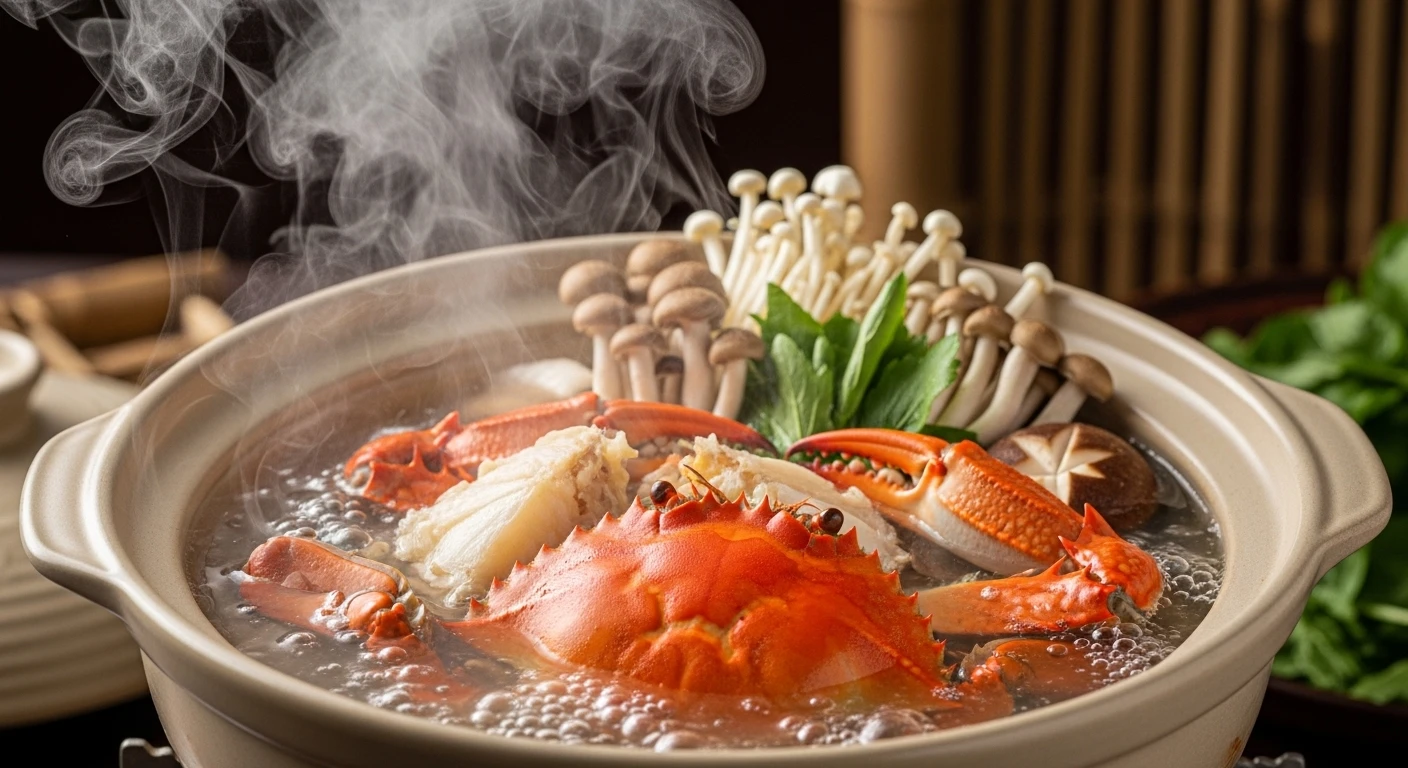
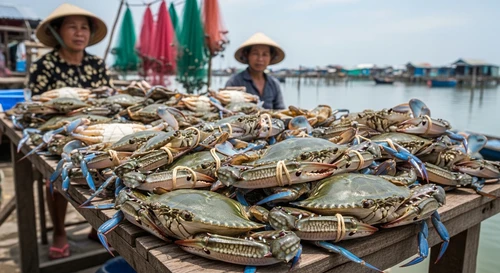
" Forget the heavy sauces, the garlic butter explosions, the chili onslaughts. Sometimes, the greatest culinary artistry lies in restraint. In honoring the inherent, unadulterated sweetness of the sea, captured within the shell of a magnificent crab. This is Cantonese steamed crab. "
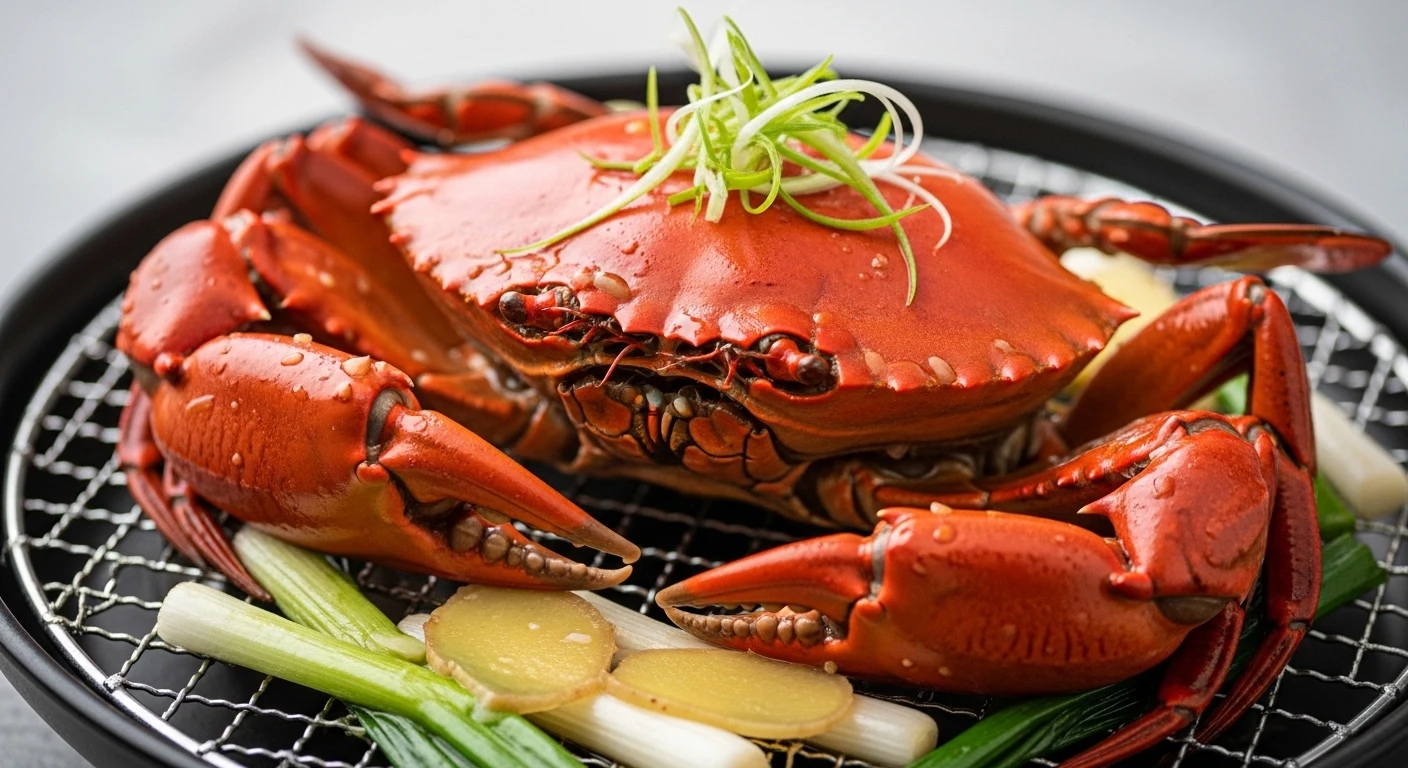
📸 The Glorious Reveal: The shell, blushing crimson, hints at the sweet treasures within.
1 From the Delta's Embrace: The Humble Mud Crab
While this dish hails from Cantonese tradition, its soul finds its truest expression when anchored by the magnificent mud crabs of Vietnam's Mekong Delta. These waters, a vast network of brackish rivers, canals, and coastal mangroves, are the lifeblood of some of the world's most prized crustaceans.
In regions like Ca Mau, the southernmost tip of Vietnam, mud crabs (Scylla serrata) are a cornerstone of the local economy and diet. They are hand-caught by fishermen navigating the labyrinthine waterways, their capture a testament to a deep, ancestral understanding of the tides and the habitat. The crabs here, nourished by the rich, mineral-laden waters and a diet of small crustaceans and mollusks, boast a dense, sweet meat that is simply unparalleled.

Heritage Ingredient
Ca Mau Jumbo Mud Crab
Ca Mau Jumbo Mud Crab
A large male mud crab prized for dense, sweet meat and thick claws, commonly used in steamed crab and grilled crab dishes across the Mekong Delta.
An icon of coastal culinary heritage, featuring firm, sweet meat that captures the raw power and freshness of Ca Mau's tides.
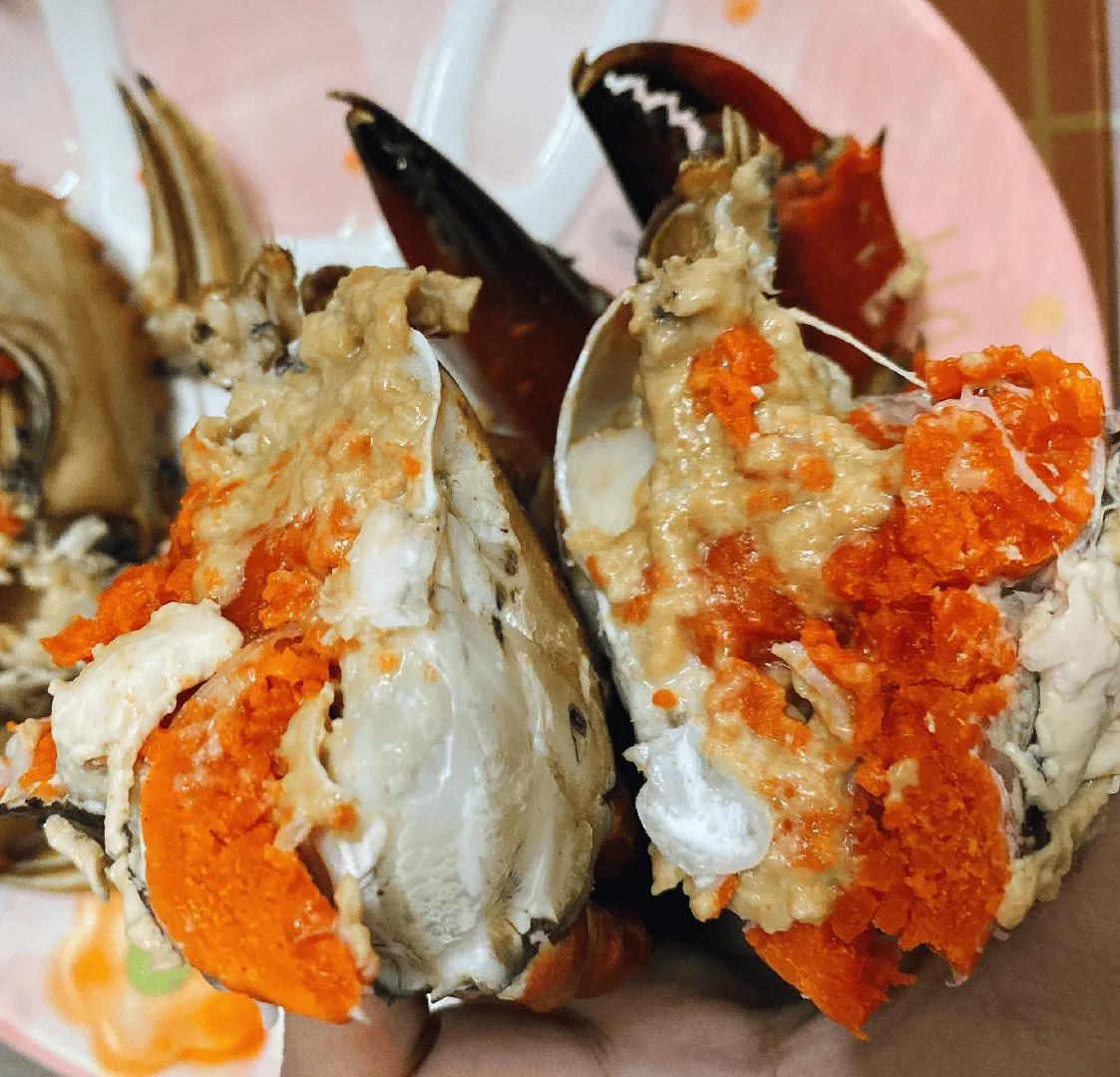
Heritage Ingredient
Ca Mau Roe Mud Crab
Ca Mau Roe Mud Crab
A female mud crab known for deep orange roe and a rich, creamy finish, often featured in celebratory Southern Vietnamese seafood meals.
A crimson treasure hidden within a shell, boasting rich, creamy roe that melts on your tongue like a golden sunset over the delta.
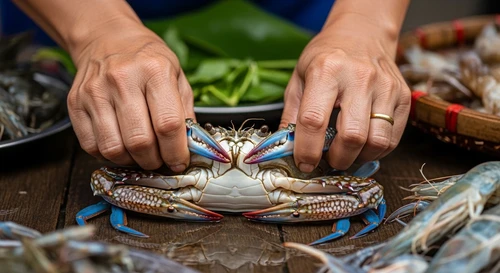
For this dish, a firm-shelled, lively mud crab is paramount. Whether it's the meaty claws of a male crab or the rich roe of a female (often prized for its creamy texture), the quality is key. A good crab for steaming should be heavy for its size, with no foul odor, and its legs should cling tightly. This is where the magic of simple steaming truly shines – it unveils the crab's inherent glory without fuss.
2 The Unadorned Ensemble
The Star Player
- 1-2 Live Mud Crabs (approx. 500-700g each): Crucial for this method. Ensure they are lively and healthy.
- Premium Soy Sauce: 3-4 tablespoons (use a good quality light soy sauce, not dark).
- Shaoxing Wine (or Dry Sherry): 1 tablespoon (for aroma).
- Sesame Oil: 1 teaspoon.
- Water: 1/4 cup.
The Aromatic Duo
- Fresh Ginger: 1 large thumb-sized piece, thinly sliced.
- Scallions (Spring Onions): 3-4 stalks. White parts cut into 2-inch lengths, green parts thinly sliced for garnish.
- Optional: A few slices of fresh garlic.
3 The Gentle Unveiling
Prepare the Crab
Clean the crab under cold running water. If it's very lively, you can place it in the freezer for 10-15 minutes to calm it. Trim off the gills and the apron. You can keep it whole or cut it into halves or quarters for easier eating and faster cooking, depending on your preference and serving style.
Make the Steaming Bed
In your steamer pot or wok, place a steamer rack. Arrange the sliced ginger (and garlic, if using) and the white parts of the scallions on the rack. This creates an aromatic base that infuses the crab as it steams.
Prepare the Sauce Mixture
In a small bowl, whisk together the soy sauce, Shaoxing wine (or sherry), sesame oil, and water. This forms the delicate poaching liquid that will gently bathe the crab.
Steam to Perfection
Place the prepared crab pieces onto the aromatic bed. Pour the soy sauce mixture evenly over the crab. Cover the pot tightly and steam over medium-high heat for 10-15 minutes for halves, or 15-20 minutes for whole crabs, depending on size. The shell should turn a vibrant, unmistakable crimson.
Serve with Flair
Carefully remove the crab from the steamer. Discard the spent ginger and scallions from the steaming bed. Arrange the crab on a serving platter. Drizzle any remaining sauce from the pot over the crab. Garnish generously with the thinly sliced green parts of the scallions. Serve immediately.
4 A Symphony of Subtle Flavors
The beauty of this dish lies in its nuanced flavor profile. The sweet, oceanic essence of the crab meat is the undisputed protagonist. The soy sauce provides a savory backbone, a whisper of umami that enhances, rather than masks, the crab's natural flavor. Ginger lends a subtle warmth and fragrance, cutting through any richness, while the Shaoxing wine adds an intangible aromatic complexity.
It’s a clean, pure taste that speaks of pristine waters and quality ingredients. It’s the kind of dish that makes you pause, savor, and appreciate the simple perfection that can be achieved with minimal intervention. It’s a taste of the sea, delivered with the refined elegance of Cantonese cuisine.
5 Accompaniments: Keeping it Classy
To complement such a delicate dish, think light and clean.
- Steamed Rice: A cloud of fluffy jasmine rice is the quintessential partner.
- Stir-fried Greens: A simple dish of stir-fried bok choy, gai lan, or water spinach with garlic provides a fresh, slightly bitter contrast.
- Light Soup: A clear broth, perhaps with some tofu and seaweed, rounds out the meal without overpowering the crab.
6 From Coastal Harvests to Global Tables
While this specific recipe has Cantonese roots, the fundamental approach of appreciating the crab's inherent sweetness through steaming is a universal language spoken in seafood-loving cultures worldwide. In the Mekong Delta, variations exist: some might add a splash of fish sauce for extra savoriness, or a hint of chili for heat. However, the core principle remains: let the crab shine.
The journey from the muddy, mangrove-lined waterways of Ca Mau to a beautifully presented plate of steamed crab is a testament to the bounty of our planet and the respect we owe to its harvest. It's a culinary bridge connecting the hard work of Vietnamese fishermen with the refined palates of gourmands everywhere. This simple steamed crab is more than just a dish; it's a celebration of nature's perfection.
7 Ethical Harvests, Delicious Feasts
As we savor these gifts from the sea, it's essential to consider the source. The vibrant ecosystems of the Mekong Delta, especially the delicate mangrove forests, are crucial for the sustainability of crab populations. Responsible fishing practices, from avoiding overfishing to protecting juvenile crabs, ensure that future generations can also enjoy these culinary treasures. When sourcing crabs, look for suppliers committed to ethical and sustainable aquaculture or wild-caught methods. This ensures not only the quality of your meal but also the health of the waters that nurture them.
8 The Takeaway: Less is Truly More
Don't be tempted to overcomplicate this dish. The finest ingredients speak for themselves. This Cantonese Soy Sauce Steamed Crab is a testament to that philosophy. It’s a dish that requires respect for the crab, a keen eye for quality, and a patient hand. When done right, it’s a revelation – a simple, elegant ode to the sweet, briny essence of the sea.
So, seek out the best crab you can find, especially those with a lineage from the rich waters of the Mekong. Let the steam work its magic, and prepare to be reminded of just how exquisite seafood can be in its purest form.