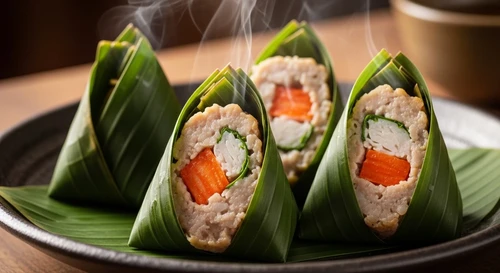
" Forget the bustling markets for a moment. Imagine a quiet afternoon by the river, the air thick with the scent of coconut, the gentle lapping of water against a wooden sampan. This bowl is that feeling. "
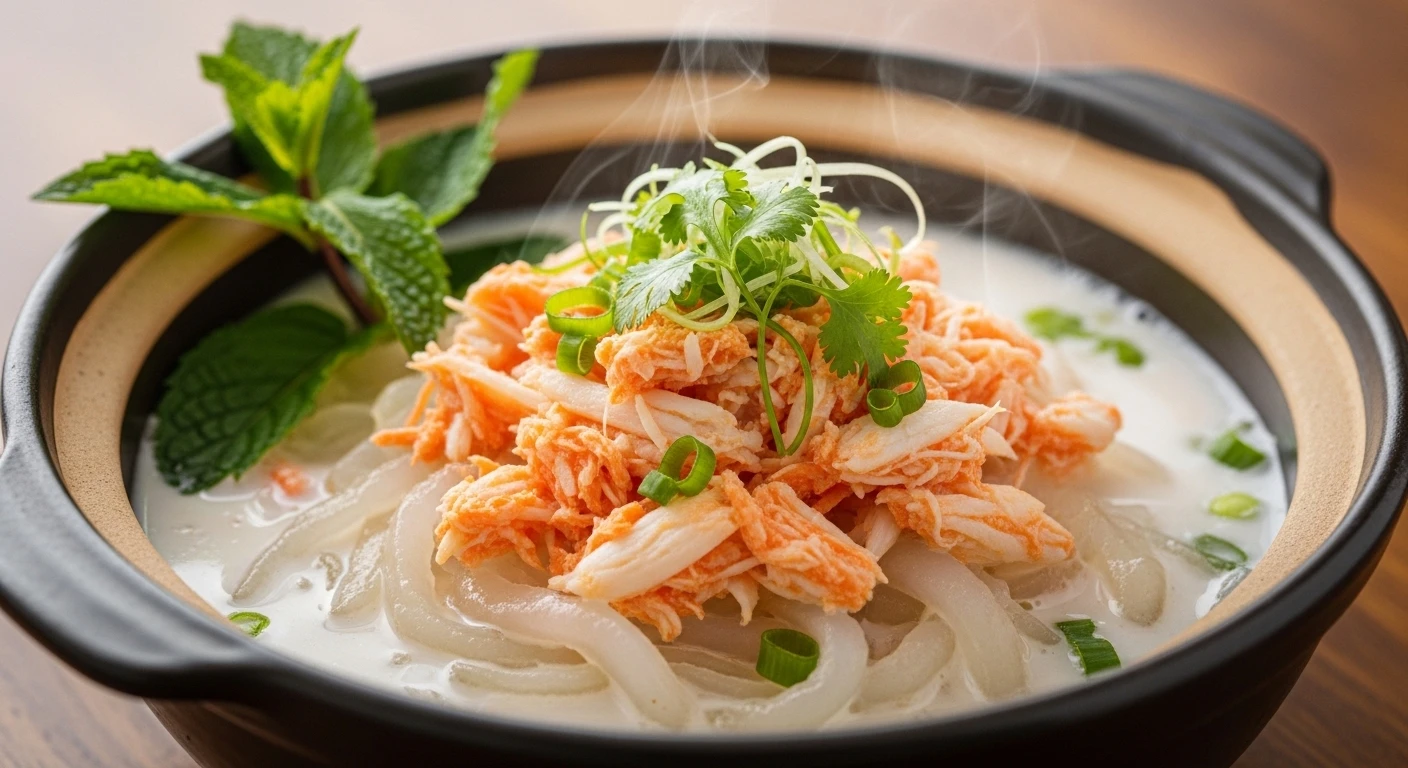
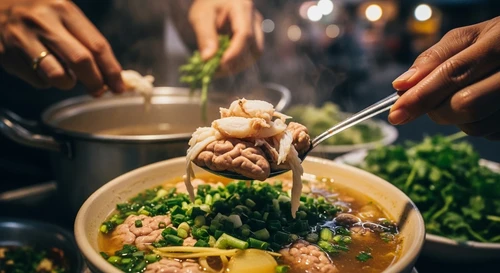
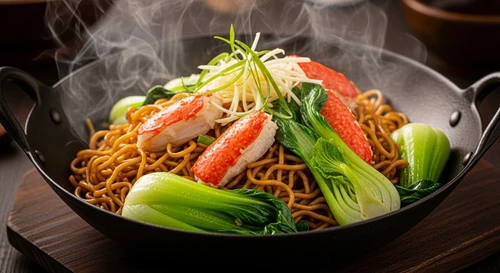
📸 A bowl of pure comfort: Creamy broth, vibrant crab, and perfectly chewy noodles.
1 The Soul of the Mekong: Where Flavor Flows
The Mekong Delta, a vast network of rivers and canals, is Vietnam's breadbasket. It's a land where life revolves around the water, and its bounty dictates the local cuisine. This dish, Bánh Canh Ghẹ Nước Cốt Dừa, is a perfect embodiment of that relationship – simple, nourishing, and deeply satisfying.
Unlike the fiery, complex flavors often associated with Vietnamese cuisine, this noodle soup leans into a more subtle, comforting profile. It’s a testament to the delta’s natural abundance, allowing the sweet essence of fresh blue crab and the creamy richness of coconut milk to take center stage. It’s the kind of food that warms you from the inside out, much like the gentle embrace of the Mekong sun.
Coastal Bounty
The delta's coastline and intricate river systems yield some of Vietnam's finest seafood. Fresh blue crab, with its sweet, delicate meat, is a prized ingredient, especially in regions like Ca Mau.
Coconut's Embrace
Coconut palms are ubiquitous in the southern climate. Coconut milk provides a velvety texture and a subtle, sweet counterpoint that beautifully balances the savory notes of the crab and broth.
2 The Cast of Characters: More Than Just Noodles
What elevates this dish from a simple noodle soup to a true culinary experience? It's the thoughtful combination of high-quality ingredients, each playing a vital role in the symphony of flavors and textures.
The Noble Crab
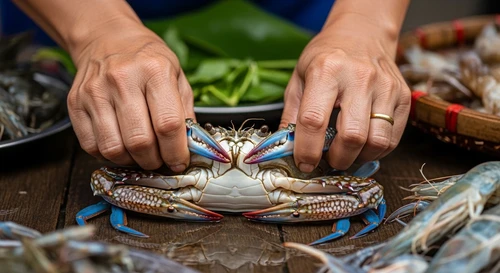
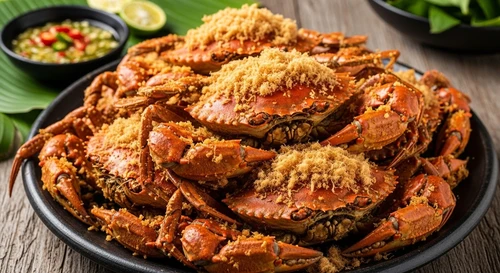
The star of our show is the fresh blue crab. In the Mekong Delta, crabs are sourced fresh from the brackish waters and coastal mangroves. For this dish, we seek out crabs with firm, sweet meat. While many variations exist, the characteristic delicate, shredded crab meat is key.
Heritage Ingredient
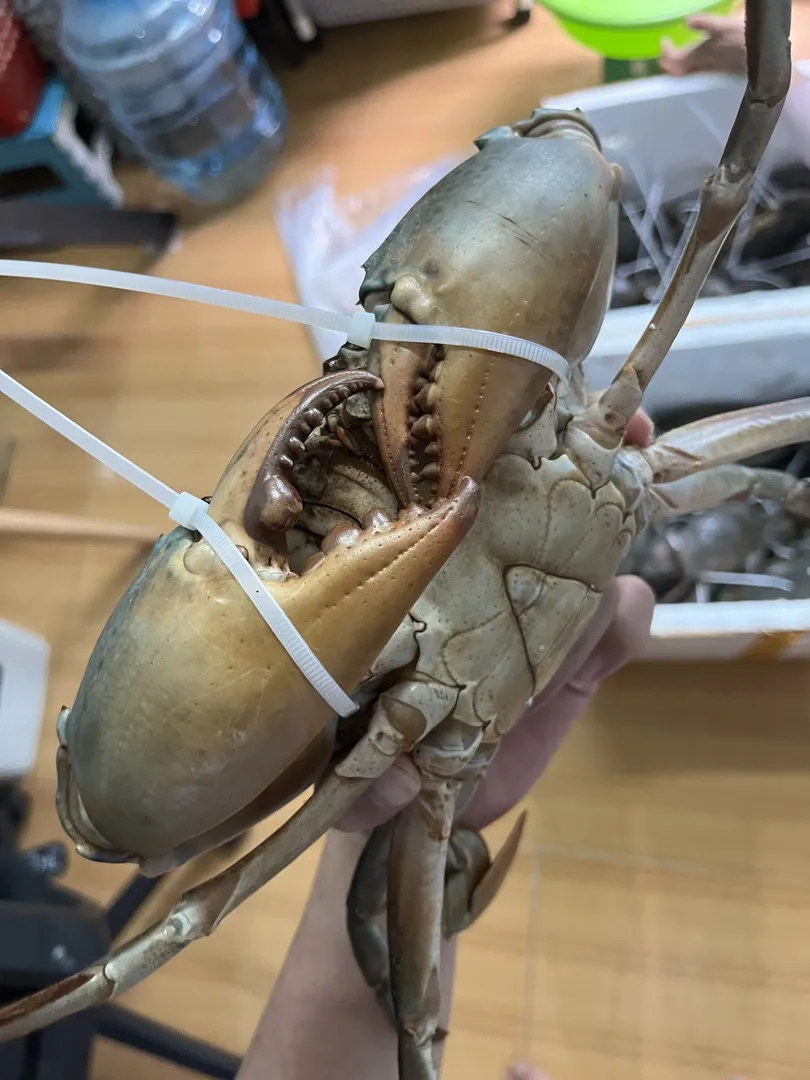
Ca Mau Jumbo Mud Crab
Ca Mau Jumbo Mud Crab
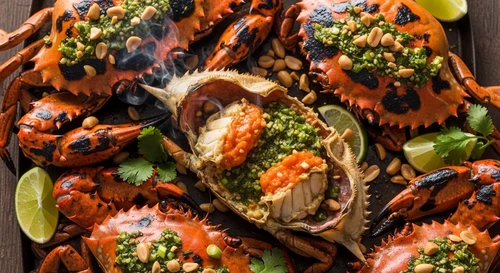
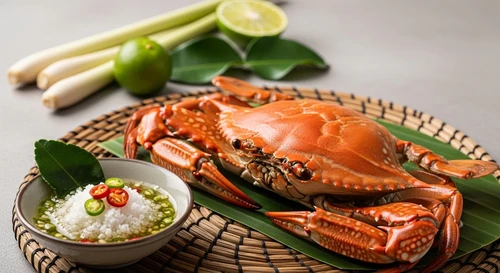
A large male mud crab prized for dense, sweet meat and thick claws, commonly used in steamed crab and grilled crab dishes across the Mekong Delta.
An icon of coastal culinary heritage, featuring firm, sweet meat that captures the raw power and freshness of Ca Mau's tides.
Chewy Marvels
Forget your typical wheat noodles. Bánh canh traditionally uses tapioca flour noodles. These are typically thick, translucent, and possess a delightful, satisfying chewiness that holds up perfectly in the rich broth. They are often made fresh, cut by hand, which adds to their unique texture.
The Silky Foundation
The broth is where the magic happens. It begins with a base stock, often made from crab shells and aromatics, then enriched with creamy coconut milk. A touch of fish sauce for umami, a whisper of sugar to round out the flavors, and simple aromatics like garlic and shallots form the soul of this dish.
3 Crafting the Broth: The Heartbeat of Flavor
The broth is the soul of any noodle soup, and in this case, it's a carefully orchestrated dance of savory and sweet. The secret lies in building layers of flavor without overwhelming the star ingredient – the blue crab.
The Foundation: Crab Stock
Start by creating a robust crab stock. Gently sauté aromatics like shallots and garlic. Add the crab shells (rinsed thoroughly) and cover with water. Simmer for at least 30-45 minutes to extract maximum flavor. Strain, discarding solids.
Creamy Infusion
In a separate pot, heat the strained crab stock. Add in good quality coconut milk, bringing it to a gentle simmer. Season with Vietnamese fish sauce (nuoc mam) and a touch of sugar. Taste and adjust – it should be savory with a hint of sweetness and a velvety texture.
Prepping the Blue Jewel
While the broth simmers, prepare the crab. Steam whole crab pieces (legs, body sections) for about 8-10 minutes until just cooked. Once cooled, extract the fresh crab meat. Shredding it lightly is traditional for this dish.
4 The Tapioca Noodle Mystery: Chewy Perfection
The texture of the noodles is crucial. Tapioca flour gives them that signature elastic, chewy bite – a delightful contrast to the creamy broth and tender crab. Here’s how to achieve noodle nirvana:
The Dough
- The Mix: Typically, a combination of tapioca starch and rice flour (or a small amount of all-purpose flour) creates the ideal texture. Water is added to form a pliable dough.
- Kneading: Knead until smooth. The dough should be firm but not dry.
Shaping & Cooking
- Forming: Roll out the dough thinly and cut into desired noodle shapes (often short, thick strands).
- Boiling: Boil the fresh noodles in salted water until they float and are cooked through but still chewy. This usually takes only a few minutes. Drain immediately.
5 The Final Touches: A Bowl of Serenity
Bringing it all together is a simple yet crucial step. It’s about creating a visually appealing and aromatically complete dish.
Serving Ritual
Ladle the hot, creamy coconut milk broth into serving bowls. Add a generous portion of the chewy tapioca noodles. Top with the shredded blue crab meat. Ensure there’s a good crab-to-noodle ratio.
The Aroma Ensemble (Garnishes)
Fresh herbs are essential for brightening the dish. Garnish with chopped green onions, cilantro, and perhaps a few sprigs of Vietnamese mint (rau ram) or Thai basil. A lime wedge on the side allows diners to add extra zest.
Complementary Delights
While perfectly balanced on its own, this noodle soup pairs well with fresh spring rolls or a simple plate of Vietnamese herbs.
For those who love crab in all its forms, explore the diversity from the Mekong Delta:
Heritage Ingredient
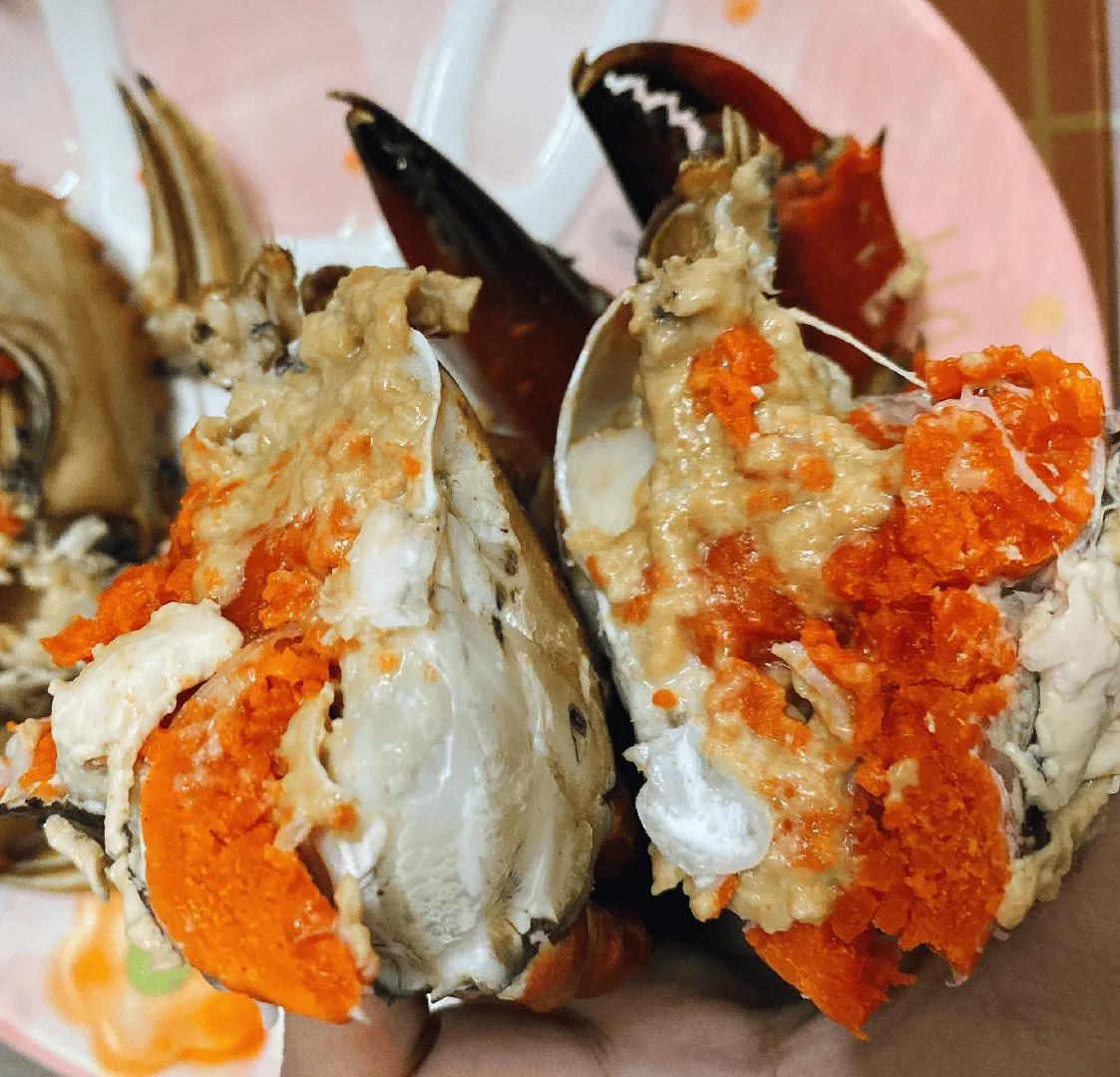
Ca Mau Roe Mud Crab
Ca Mau Roe Mud Crab
A female mud crab known for deep orange roe and a rich, creamy finish, often featured in celebratory Southern Vietnamese seafood meals.
A crimson treasure hidden within a shell, boasting rich, creamy roe that melts on your tongue like a golden sunset over the delta.
Heritage Ingredient
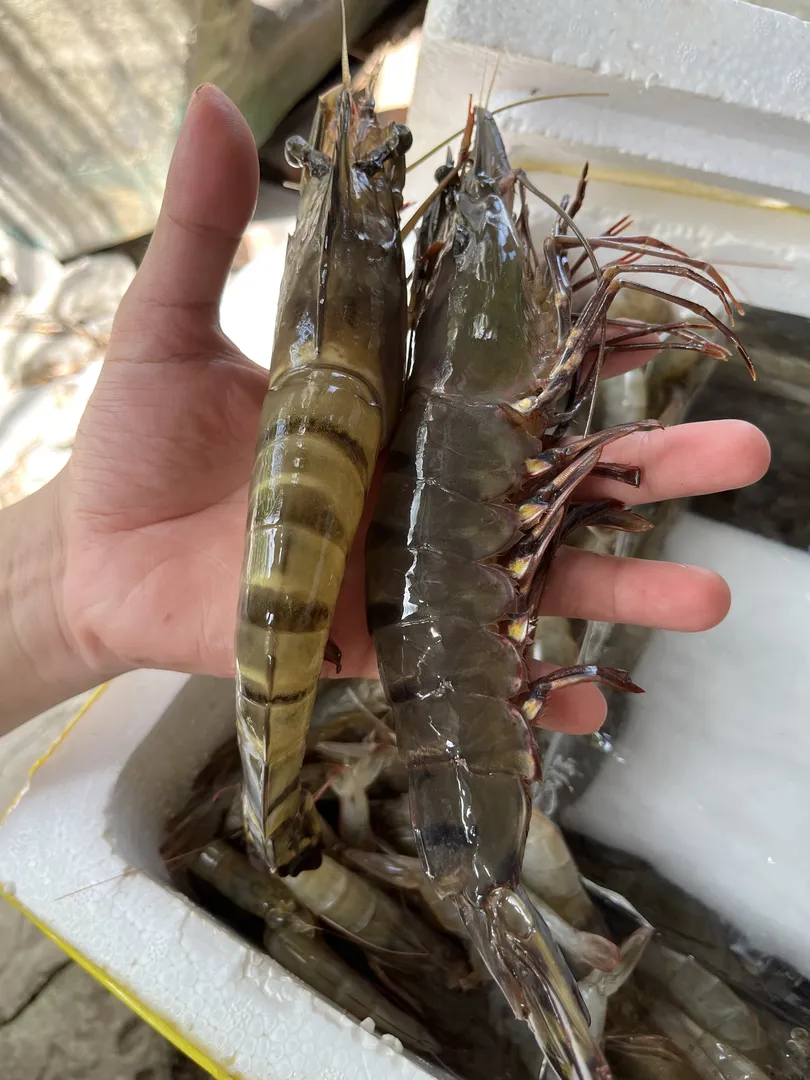
Ca Mau Black Tiger Shrimp
Ca Mau Black Tiger Shrimp
Large black tiger shrimp associated with mangrove aquaculture in Ca Mau, known for firm flesh and a cleaner, sweeter finish than intensively farmed shrimp.
Wild spirits of the mangroves, these black-banded gems deliver a firm, snappy texture and a sweetness that echoes the forest's vibrant life.
A Spoonful of the Delta
This isn't just food; it's a narrative. It tells a story of the rivers, the abundant life they sustain, and the people who have learned to coax such delicate flavors from nature's offerings. It’s a dish that speaks of comfort, of home, and of the serene beauty of the Mekong Delta. It’s a must-try for anyone seeking an authentic taste of Southern Vietnamese culinary soul.
Discover other regional specialties that highlight the delta's unique ingredients and culinary traditions.
Insider Tips for an Authentic Taste
⚪ Freshness is Paramount
🥥 Quality Coconut Milk Matters
🌶️ Don't Fear the Garnish
8 Mekong Delta Snapshot: Life on the Water
To truly appreciate dishes like this, one must understand the environment that shapes them. The Mekong Delta is a vibrant ecosystem of winding waterways, fertile floodplains, and hardworking communities. Floating markets, like Cai Rang in Can Tho, are the pulsating hearts of commerce, where produce and seafood are traded directly from boats. The aquaculture of shrimp and crabs is a vital livelihood, and the fresh catches are directly integrated into daily meals, leading to dishes that are both practical and deeply flavorful. This noodle soup, with its reliance on fresh seafood and coconut, is a direct echo of this riverine existence.