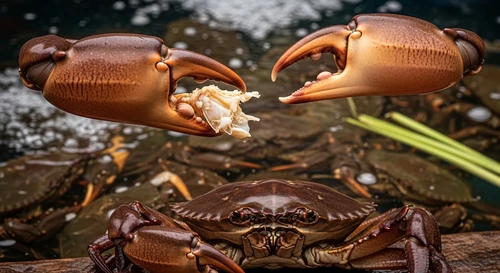
" There are times, especially by the sea, when simplicity reigns supreme. This is one of them. The gentle embrace of beer and the pungent perfume of lemongrass are all this majestic crab needs. "
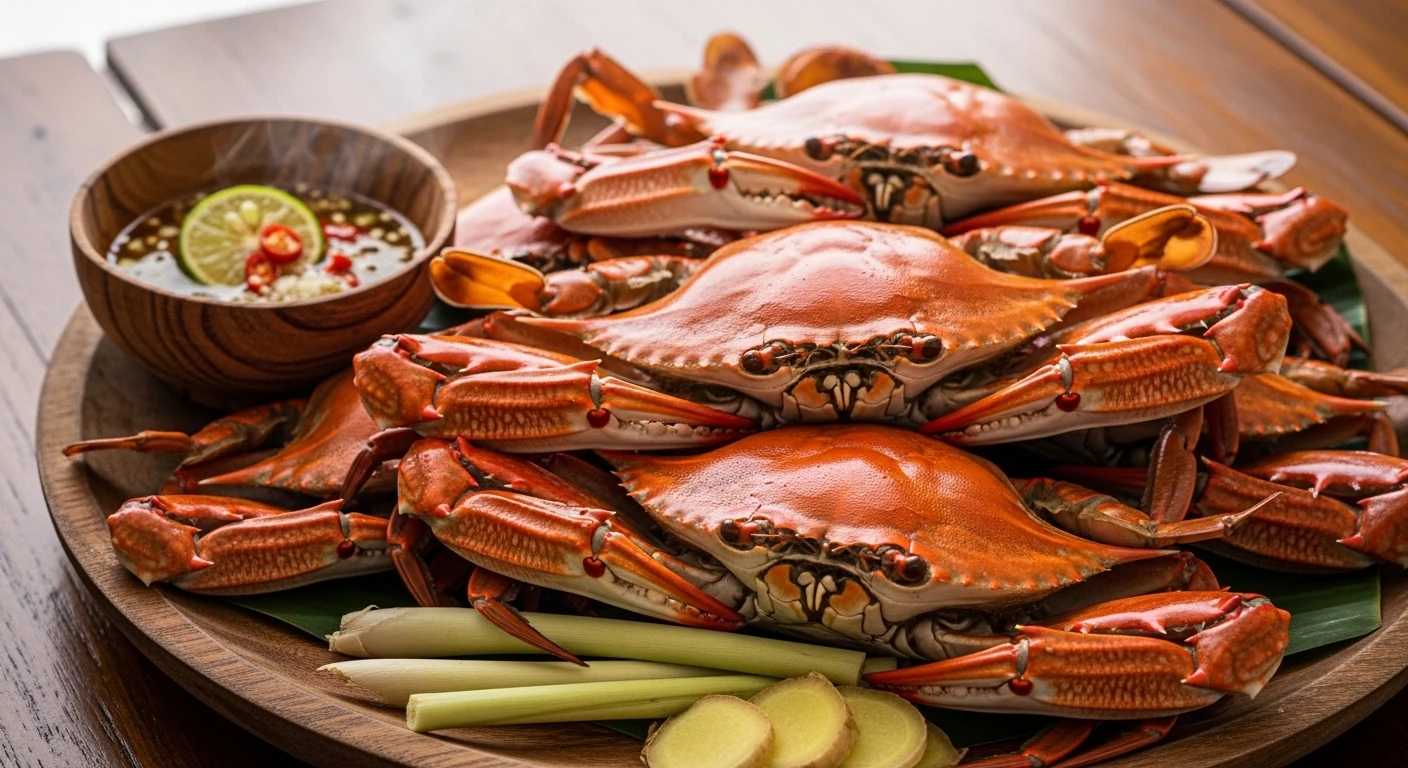
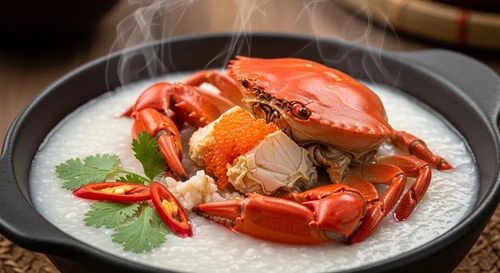
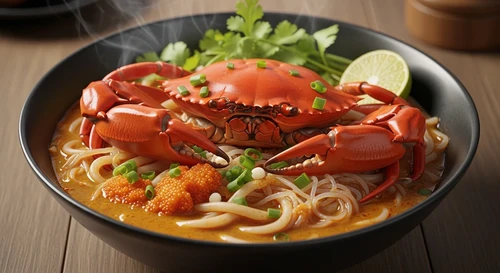
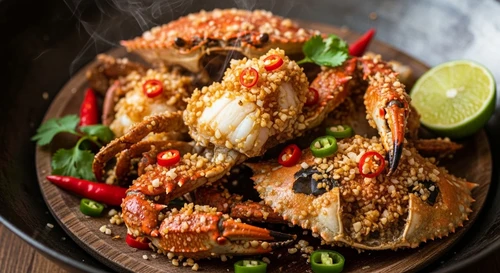
📸 The jewel of the sea: Perfectly steamed blue swimmer crab, revealing its vibrant color and delicate texture.
1 From Tra Co Sands to Your Table
Tra Co Beach, nestled in the northernmost part of Vietnam, is a place where the rhythm of life is dictated by the tides and the bounty of the sea. It's here, amidst the salty air and the calls of fishermen, that one finds such unpretentious culinary artistry. While blue swimmer crabs are a global delight, their preparation in places like Tra Co, or further south in the Mekong Delta with its vast network of rivers and coastal waters, often returns to the purest expressions of flavor.
The method of steaming crab with aromatics is common throughout Vietnamese coastal communities. It's a testament to the belief that the freshest ingredients, particularly high-quality seafood, need little adornment. The goal is to coax out their inherent sweetness, not mask it.
Coastal Simplicity
The philosophy here is elemental: let the sea's offerings speak for themselves. This dish is a perfect example of that.
Mekong Delta Roots
Even though Tra Co is in the north, the spirit of this dish echoes the resourceful and ingredient-focused approach of the Mekong Delta, where every part of the river's bounty is celebrated.
2 Why Beer and Lemongrass?
This isn't just about flavor; it's about technique. The combination of beer and lemongrass isn't arbitrary. It's a carefully considered pairing that enhances the crab's natural profile.
Beer: The Aromatic Veil
The ethanol and hops in beer act as a solvent, bonding with and helping to vaporize the volatile sulfur compounds that can create a "fishy" smell. The mild malty notes also add a subtle complexity without overpowering the crab.
Lemongrass: The Pungent Perfume
The bright, citrusy, and slightly gingery aroma of lemongrass is a classic Southeast Asian pairing for seafood. When steamed, its essential oils are released, infusing the crab with a refreshing and invigorating fragrance.
3 The Art of the Gentle Steam
This is where the magic happens. The key to perfect steamed crab lies in preserving its integrity and ensuring those prized legs stay attached. It's about respect for the ingredient.
The Star of the Show
- Live Blue Swimmer Crab (or similar): Absolutely must be alive. Freshness is paramount. Look for bright eyes and lively movement. For a visual reference, consider something like the Export-Grade Ca Mau Roe Crab – a good indicator of quality seafood.
- Aromatic Base: 5-6 stalks of lemongrass, smashed to release their oils. 2-inch piece of ginger, sliced.
- The Steaming Liquid: 1 to 1.5 cans (about 330-500ml) of lager beer.
- Optional Enhancers: A few kaffir lime leaves.
Crucial Steps for Success
- The Humane Chill: To prevent legs from dropping, place the live crab in the freezer for about 15-20 minutes. This stuns them, making them sluggish and less likely to jettison limbs during handling or steaming.
- Prepare the Steamer: In a wide pot or wok, pour the beer. Add the smashed lemongrass and ginger (and lime leaves if using) directly into the beer. Place a steamer rack above the liquid.
- The Gentle Placement: Arrange the stunned crab on the steamer rack, ensuring it’s not submerged in the beer. Cover the pot tightly.
- The Perfect Steam: Bring the beer to a rolling boil over high heat. Steam for 10-15 minutes for medium crabs, or 15-20 minutes for larger ones. The shell should turn a vibrant orange-red.
- Immediate Rest: Once cooked, remove from heat immediately. Do not let them sit in residual steam, as they can overcook.
4 Unlocking the Sweetness: Meat and Roe
The beauty of a well-steamed crab lies not just in its sweet, succulent meat, but also in the rich, creamy roe. This vibrant orange treasure is a delicacy cherished by many.
The Meat: Delicate and Sweet
Steaming preserves the crab's natural moisture and delicate texture. The meat should be tender and easily pulled from the shell, with a clean, sweet flavor that requires no heavy sauces.
Heritage Ingredient
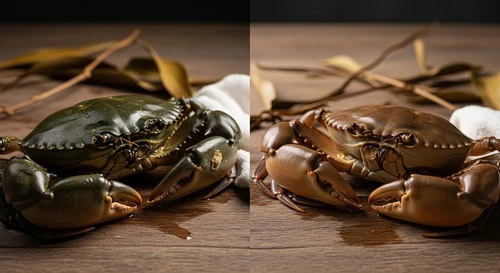
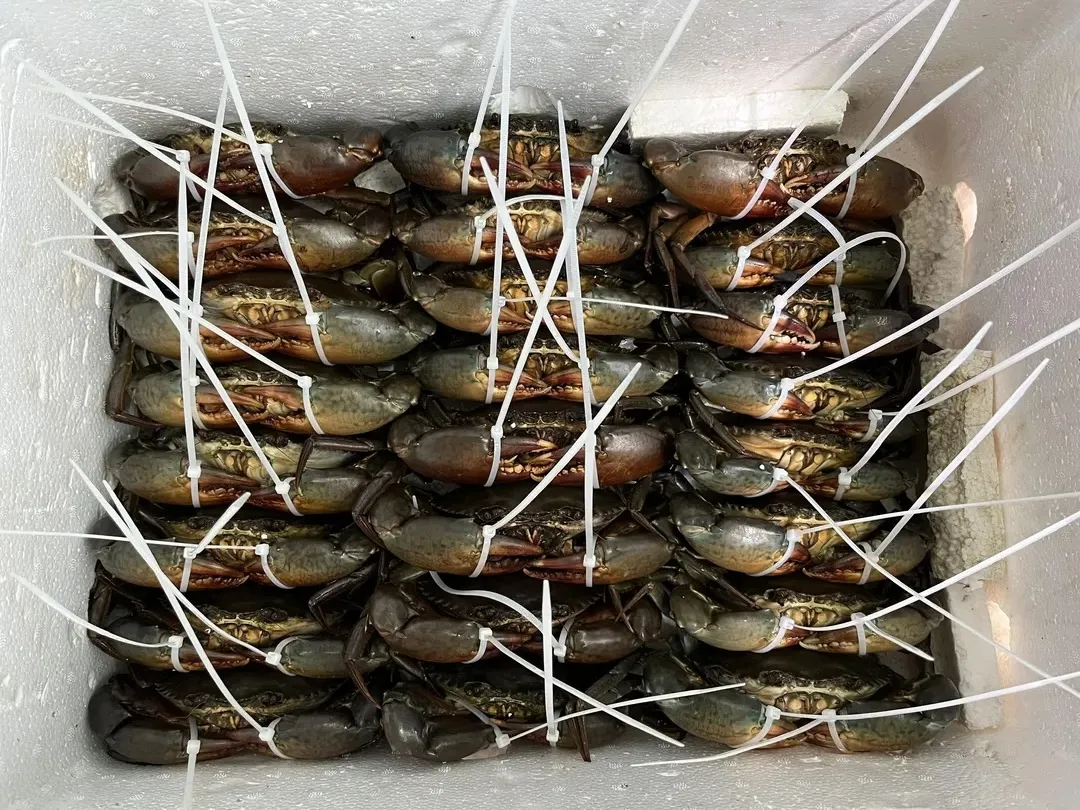
Export-Grade Ca Mau Roe Crab
Export-Grade Ca Mau Roe Crab
A carefully sorted roe crab selected for size, shell quality, and roe consistency, suitable for explaining premium grading in Vietnamese crab culture.
The pinnacle of perfection—pristine shells and bursting roe, meticulously selected to conquer the hearts of global gourmets.
The Roe: A Rich Indulgence
When you crack open the steamed crab, look for the bright orange roe nestled within the carapace. This is a sign of a healthy, well-fed female crab. Its texture is often described as custardy or creamy, offering a luxurious counterpoint to the lean meat. It is best enjoyed on its own or lightly mixed with the dipping sauce.
The Essential Companion: Lime, Chili & Salt
Steamed crab is pure, but pure can sometimes mean subtle. To elevate it to its full potential, a simple, zesty dipping sauce is absolutely non-negotiable. It cuts through the richness and awakens the palate.
1. The Base: Salt & Pepper
A good pinch of fine sea salt and freshly cracked black pepper (or white pepper for a cleaner look).
2. The Zing: Lime Juice
The juice of one to two fresh limes. The acidity is key. Don't be shy!
3. The Kick: Chili (Optional)
Thinly sliced fresh bird's eye chilies for those who crave heat. Add to taste.
Some chefs add a tiny splash of fish sauce or a spoonful of condensed milk for extra depth. Experiment to find your perfect balance!
6 Rivers of Flavor: Crab Culture in Southern Vietnam
While Tra Co is a northern gem, the spirit of steaming seafood with simple aromatics thrives in the Mekong Delta. Here, the abundance of brackish waters and coastal regions means crab is a staple. Mud crabs, known locally as 'cua,' are particularly prized. The Delta's culinary landscape is one of immense variety, but the fundamental respect for fresh ingredients remains consistent.
In markets from Ca Mau to Can Tho, you'll find an array of crabs – from the meaty mud crabs (cua thịt) prized for their dense flesh, to the female crabs (cua gạch) celebrated for their rich, orange roe. The methods of preparation are diverse, but simple steaming, often with lemongrass or even coconut water, is a fundamental technique. It's a way of life, a connection to the land and water that sustains these communities. This steamed crab dish, regardless of its specific origin, embodies that core philosophy: the best ingredients, treated with respect, require little more than a touch of culinary magic.
Frequently Asked Questions
❓ How do I know if my crab is fresh?
🍺 Can I use other liquids besides beer?
🦀 What if I can't find blue swimmer crabs?
8 Savoring the Moment
" Eating crab, especially when prepared this way, is an experience. It’s a communal affair, a moment of connection, whether you're by the sea in Tra Co, by a river in the Mekong Delta, or in your own kitchen. The cracking of the shell, the unveiling of the sweet meat and roe, the dip into that zesty sauce—it’s a symphony of simple pleasures. "
So, next time you seek a taste of the sea that is both pure and profound, give this simple yet elegant preparation a try. Your palate will thank you.