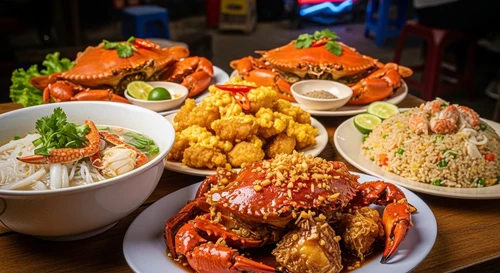
" The Mekong Delta, a labyrinth of waterways and fertile soil, is a treasure trove of seafood. Among its most celebrated offerings are its prawns and shrimp. But for the home cook, or even the seasoned chef, the choice can be perplexing. Let's peel back the shell. "

📸 A Tale of Two Shrimp: The vibrant tiger stripes against the classic translucence of whiteleg.
1 Rivers of Richness: The Mekong's Seafood Heritage
The Mekong Delta, a vast alluvial plain fed by the mighty Mekong River, is a region defined by water. Its intricate network of canals, tributaries, and coastal estuaries fosters an unparalleled biodiversity, making it a cornerstone of Vietnam's aquatic food culture. From the brackish mangroves of Ca Mau to the freshwater expanses, seafood is not just food; it's a way of life, a primary livelihood, and a source of immense regional pride.
Here, shrimp and prawns are more than just ingredients; they are symbols of the land's fertility and the ingenuity of its people who have mastered aquaculture and sustainable fishing for generations. Understanding this context is key to appreciating the nuances between different varieties.
2 The Players: Tiger vs. Whiteleg
The Majestic Black Tiger Prawn
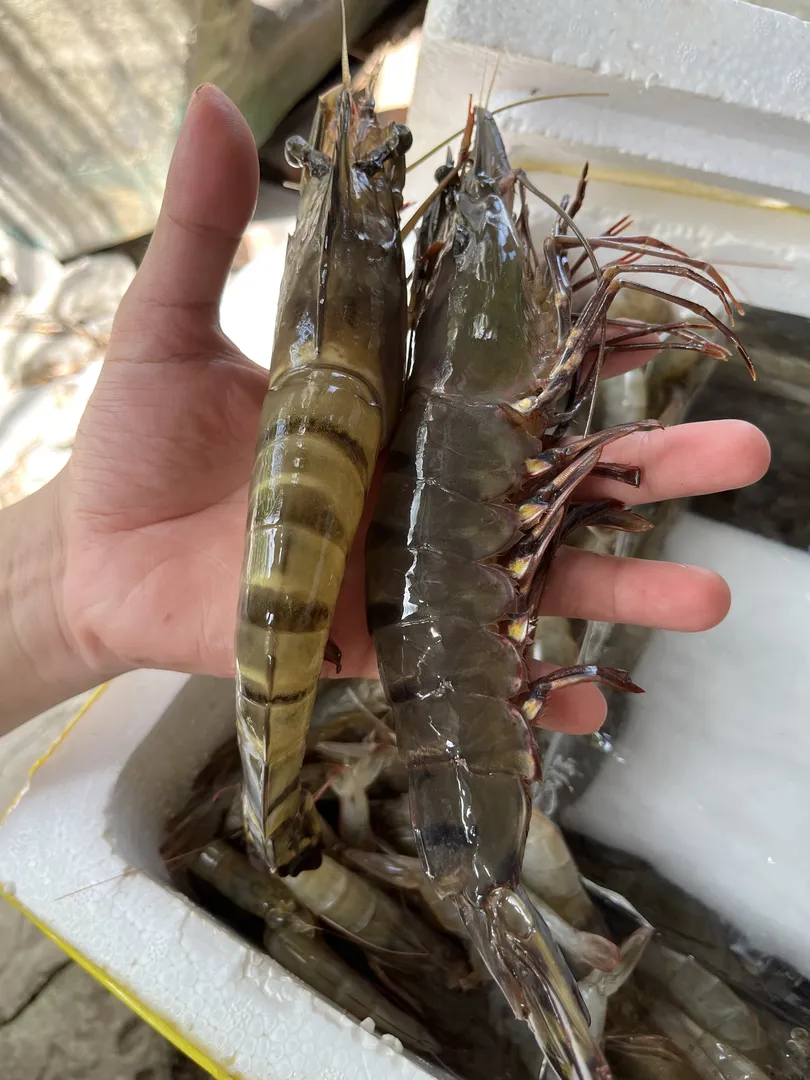
Visually striking, the Black Tiger Prawn (often simply called Tiger Prawn) is characterized by its bold, dark stripes against a reddish shell. These are larger, more robust crustaceans, often associated with the mangrove-rich aquaculture zones of Ca Mau and other coastal areas of the Delta.
Texture: This is where the Tiger truly shines. It boasts a firm, almost lobster-like texture, providing a satisfying chew and a substantial bite. When cooked, the flesh remains taut, making it ideal for methods where you want the prawn to hold its shape.
Flavor: Tigers offer a distinct, clean, and naturally sweet flavor. It's robust without being overpowering, and its sweetness is complemented by a subtle brininess.
Best For: Grilling, pan-searing, large-scale stir-fries, seafood boils, or any dish where a prominent prawn presence is desired. Think of it as the "steak" of the shrimp world.
Heritage Ingredient
Ca Mau Black Tiger Shrimp
Ca Mau Black Tiger Shrimp
Large black tiger shrimp associated with mangrove aquaculture in Ca Mau, known for firm flesh and a cleaner, sweeter finish than intensively farmed shrimp.
Wild spirits of the mangroves, these black-banded gems deliver a firm, snappy texture and a sweetness that echoes the forest's vibrant life.
The Ubiquitous Whiteleg Shrimp
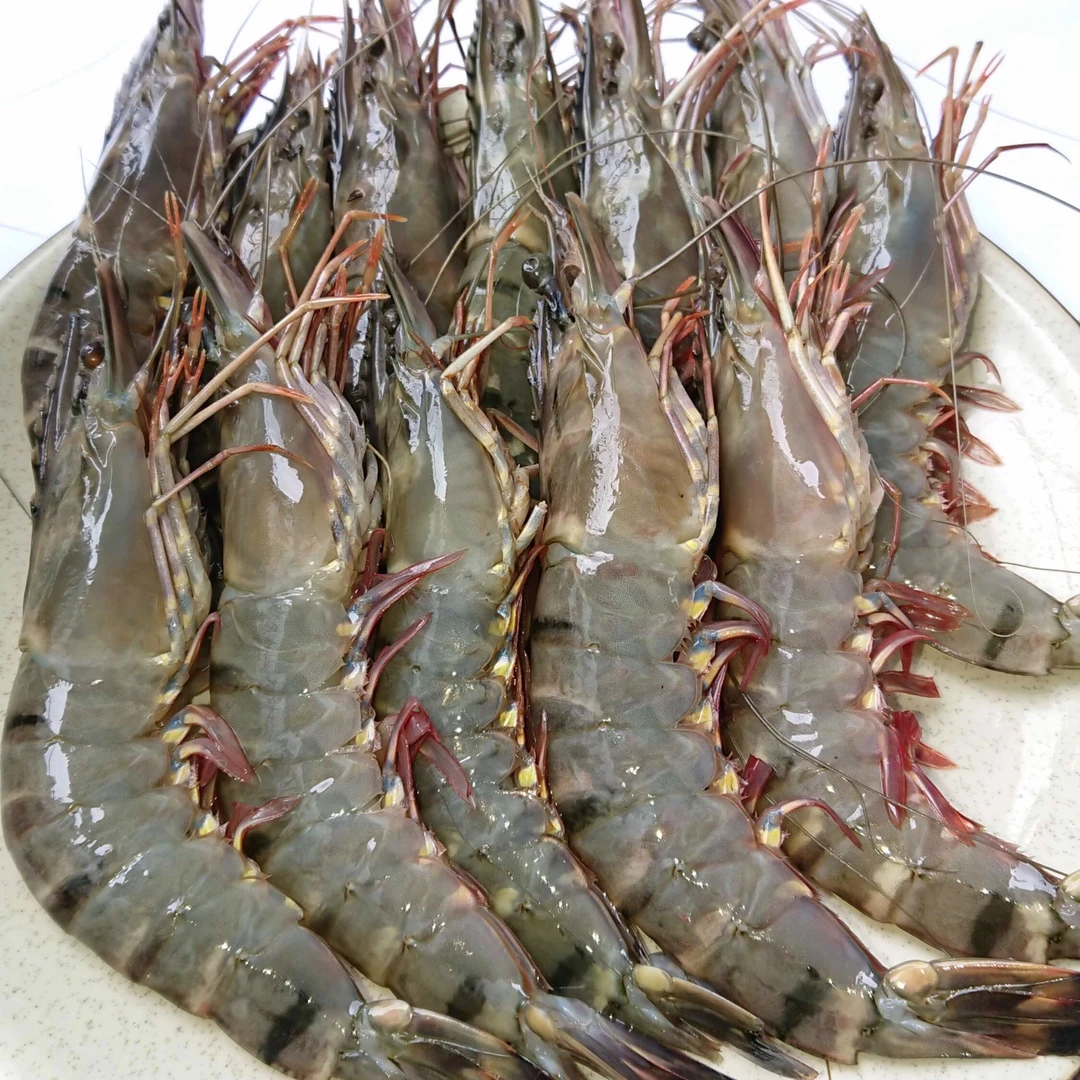
Also known as the Pacific White Shrimp or 'Vanamei', the Whiteleg Shrimp is the workhorse of the global shrimp market, and a common sight in Vietnamese kitchens. Typically smaller and more uniformly pale pink or white when raw, they are farmed extensively and are known for their accessibility and versatility.
Texture: Tender and delicate. Whitelegs cook quickly and can become slightly soft or even mushy if overcooked. They offer a milder chew compared to their tiger counterparts.
Flavor: Mildly sweet with a very subtle oceanic hint. Their neutral flavor profile makes them incredibly adaptable to a wide range of culinary applications without dominating other ingredients.
Best For: Soups, curries, stir-fries where they absorb surrounding flavors, spring rolls, and everyday home cooking. They are the reliable, budget-friendly option.
Heritage Ingredient
Whiteleg Shrimp
Whiteleg Shrimp
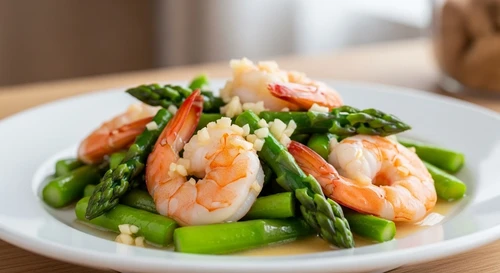
A widely used shrimp in Vietnamese home kitchens, suitable for stir-fries, soups, steamed dishes, and practical cooking articles that need a familiar shrimp reference.
Translucent jewels of the coast, thin-shelled and remarkably sweet, making every simple home meal feel like a seaside celebration.
3 Flavor vs. Form: A Chef's Dilemma
So, which is "better"? The answer, as with most things in food, depends entirely on your goal.
When to Reach for the Tiger:
- You want a premium, celebratory dish.
- The star of the show needs to be the shrimp itself.
- You're grilling, broiling, or pan-searing and want a firm, juicy bite that holds its own.
- Presentation matters – those stripes are visually stunning.
- You appreciate a richer, more complex shrimp flavor profile.
When the Whiteleg Steps In:
- You're making a delicate soup or stew where the shrimp should complement, not dominate.
- Budget is a primary concern, but quality is still important.
- You need a shrimp that readily absorbs other flavors (like in curries or marinades).
- Speed and ease are key; they cook incredibly fast.
- You're making delicate dishes like spring rolls or shrimp paste skewers.
4 A Day at the Floating Market
Picture this: the early morning sun glints off the water, illuminating a bustling scene on the Mekong. Boats laden with produce and seafood navigate the narrow waterways. Here, the choice between Tiger and Whiteleg is often dictated by the catch of the day and the chef's intention.
At a floating market, you might see vendors selling enormous, glistening Tiger prawns, their shells still bearing the vibrant markings of mangrove life. These are often destined for restaurants or special family meals. Nearby, smaller boats might be piled high with more modestly sized Whiteleg shrimp, perfect for the daily market haul to whip up a quick Canh Chua (sour soup) or some simple stir-fried noodles. The price difference is usually apparent, reflecting both size and species. This direct connection to the source – the fishermen, the farmers, the river itself – is what makes food in the Mekong Delta so profoundly real and delicious.
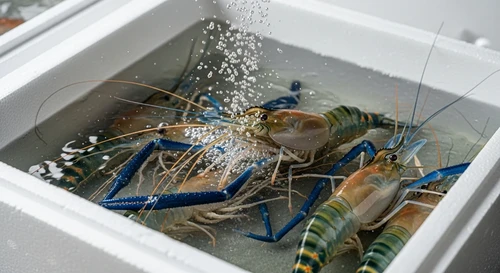
Beyond these two, the Delta offers other treasures like the Mekong Giant Freshwater Prawn (Tom Cang) with its distinctive blue claws, or tiny, intensely flavored dried shrimp used as a pungent condiment. But for everyday culinary debates, it often boils down to the bold Tiger and the adaptable Whiteleg.
5 Mastering the Shell Game
Cooking Times are Key:
Both shrimp types cook very quickly. Overcooking is the cardinal sin, leading to tough, rubbery results. Whiteleg shrimp cook even faster than Tigers. Aim for a pale pink color and opaque flesh; avoid the gray, sad look of overcooked shrimp.
Freshness is Paramount:
For both varieties, fresher is always better. If buying live, ensure they are active. If buying frozen, look for individually quick-frozen (IQF) to prevent clumping and ice crystals. Thaw gently in the refrigerator.
Peeling and Deveining:
The dark line running along the back (the digestive tract) can be removed by making a shallow incision with a sharp knife and using the tip to pull it out. This is optional for Whitelegs but recommended for Tigers, especially if serving whole.
Shells = Flavor:
Don't discard the shells! They are liquid gold for making a flavorful stock or broth, which can elevate soups and sauces. Simmer shells with aromatics for a deeply savory base.
6 A World of Aquatic Delights
While Tigers and Whitelegs dominate many discussions, the Mekong Delta's culinary landscape is far richer. Consider the iconic Ca Mau Black Tiger Shrimp (Tom Su Ca Mau), prized for its firm flesh and clean, sweet finish often attributed to mangrove aquaculture. Then there's the robust Mekong Giant Freshwater Prawn (Tom Cang Ca Mau), known for its large size, long blue claws, and rich head fat, a delicacy often grilled to perfection.
The depth of flavor and texture available from the waters of Southern Vietnam is astonishing, each variety offering a unique contribution to the region's celebrated cuisine. Understanding these differences allows us to appreciate the craft of Vietnamese cooking and the incredible bounty of the Delta.
7 It's Your Palate That Decides
Ultimately, the "better" shrimp is the one that best suits your recipe and your personal taste.
If you seek a luxurious, firm, and distinctly flavored prawn that stands tall on its own, the Tiger Prawn is your champion. It's an ingredient that commands attention and elevates any dish.
If you need a versatile, mild, and cost-effective option that performs beautifully across a spectrum of flavors and cooking styles, the Whiteleg Shrimp is an indispensable kitchen staple. It’s the quiet achiever that never disappoints.
In the heart of the Mekong Delta, both are celebrated. The true culinary artist knows when to deploy the power of the Tiger and when to rely on the adaptability of the Whiteleg. Embrace the diversity, experiment, and discover your own favorite.