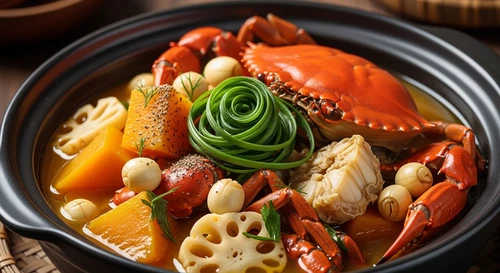
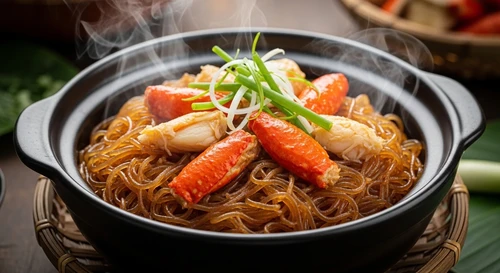
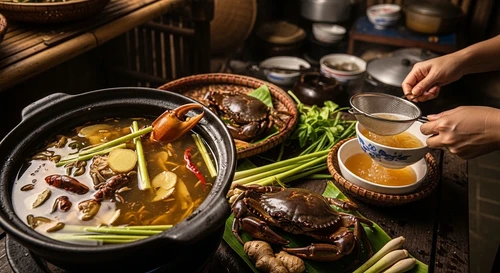
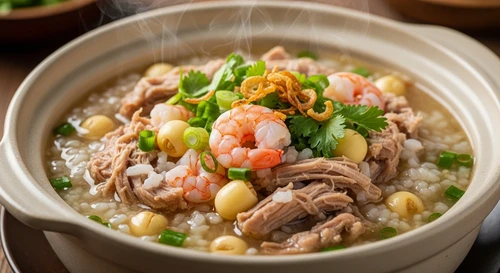
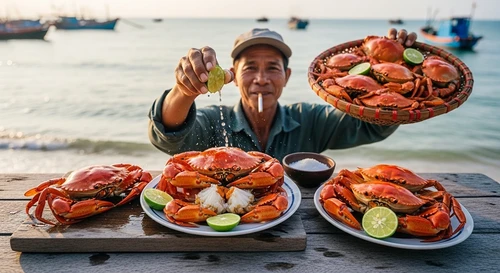
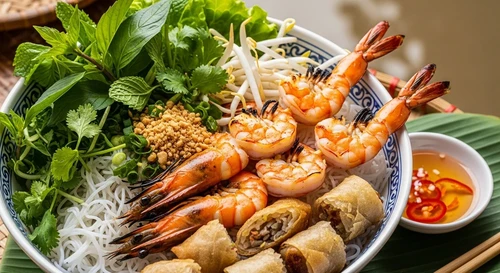
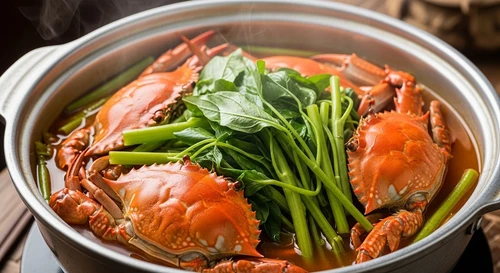
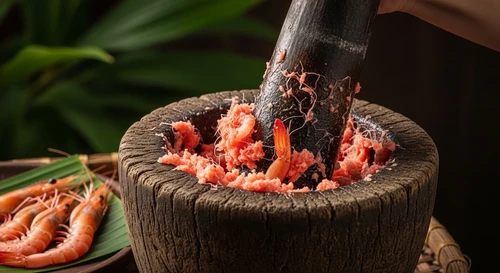
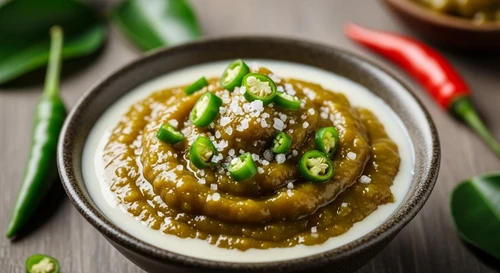
" In the heart of the Mekong Delta, where life ebbs and flows with the tide, simple nourishment is paramount. This isn't just food; it's a lullaby in a bowl, a taste of mother's love, a foundation for growth. "
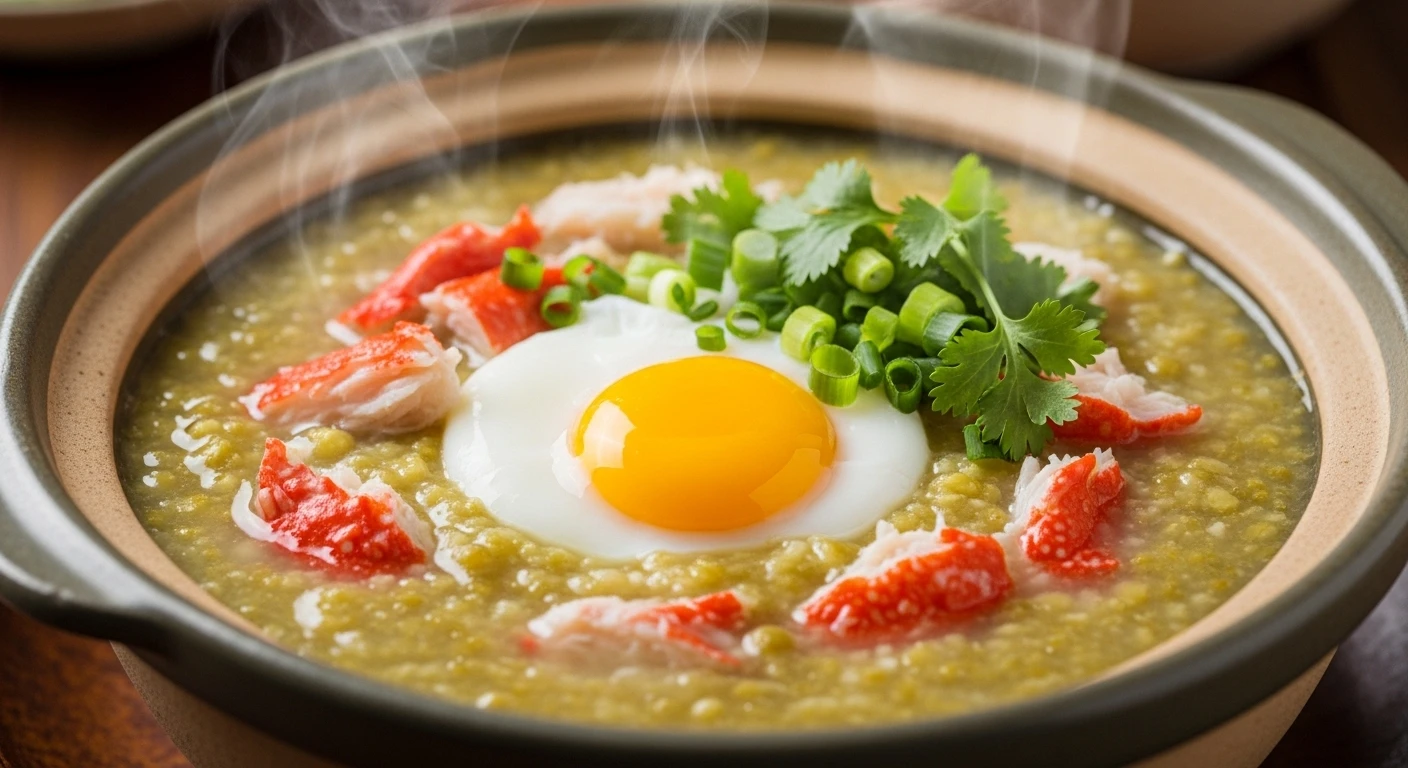
📸 A humble bowl of comfort, ready to be savored.
1 The Soul of the Delta: Why These Ingredients?
The Mekong Delta, a sprawling network of rivers and fertile plains, is Vietnam's rice bowl and a treasure trove of fresh seafood. For generations, families have relied on its bounty for sustenance and flavor. This porridge is a testament to that heritage, a dish that speaks of resourcefulness, health, and the simple joy of good food.
We're talking about two powerhouses coming together. Crab, especially the blue crabs found in the delta's brackish waters, is a fantastic source of protein, omega-3 fatty acids, and essential minerals like zinc and selenium. They're often smaller than their saltwater cousins but pack a punch of sweet, delicate flavor.
The Star: Blue Crab
Prized for its tender, sweet meat, blue crab (often referred to as 'cua lột' when molting, or simply 'cua' when mature) is a staple along the coast and in the river systems. Its flavor is cleaner, less intensely saline than some other species.
Heritage Ingredient Ca Mau Jumbo Mud Crab A large male mud crab prized for dense, sweet meat and thick claws, commonly used in steamed crab and grilled crab dishes across the Mekong Delta. An icon of coastal culinary heritage, featuring firm, sweet meat that captures the raw power and freshness of Ca Mau's tides.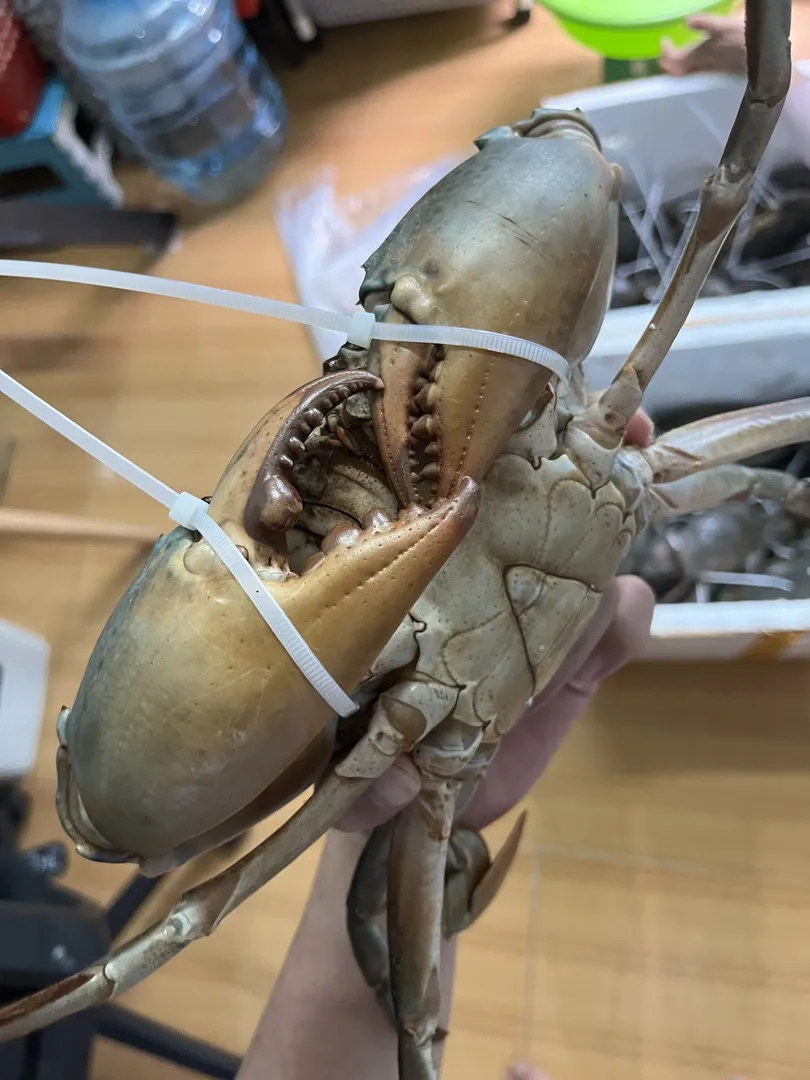
Ca Mau Jumbo Mud Crab
The Foundation: Mung Beans
Also known as 'đậu xanh', mung beans are a cornerstone of Vietnamese cuisine, used in both sweet and savory dishes. They lend a wonderfully creamy texture to porridges, are easily digestible, and packed with plant-based protein and fiber.
And then, the humble egg. It's the final touch, adding richness, extra protein, and a silky texture when swirled in. It transforms a good porridge into a truly nourishing meal.
2 Sourcing the Best: A Delta Perspective
In the Mekong Delta, food is intrinsically linked to the environment. Blue crabs are typically caught in the coastal waters of provinces like Ca Mau and Soc Trang, or in the intricate network of canals and rivers. The freshness is paramount. Look for live crabs that are active and heavy for their size.
Mung beans, cultivated in the fertile lands of the delta, are readily available in markets, usually sold dried. Choose plump, unblemished beans. For the porridge, they are typically soaked and then cooked until soft, often mashed or blended to create that signature creamy base.
Heritage Ingredient
Ca Mau Jumbo Mud Crab
Ca Mau Jumbo Mud Crab
A large male mud crab prized for dense, sweet meat and thick claws, commonly used in steamed crab and grilled crab dishes across the Mekong Delta.
An icon of coastal culinary heritage, featuring firm, sweet meat that captures the raw power and freshness of Ca Mau's tides.
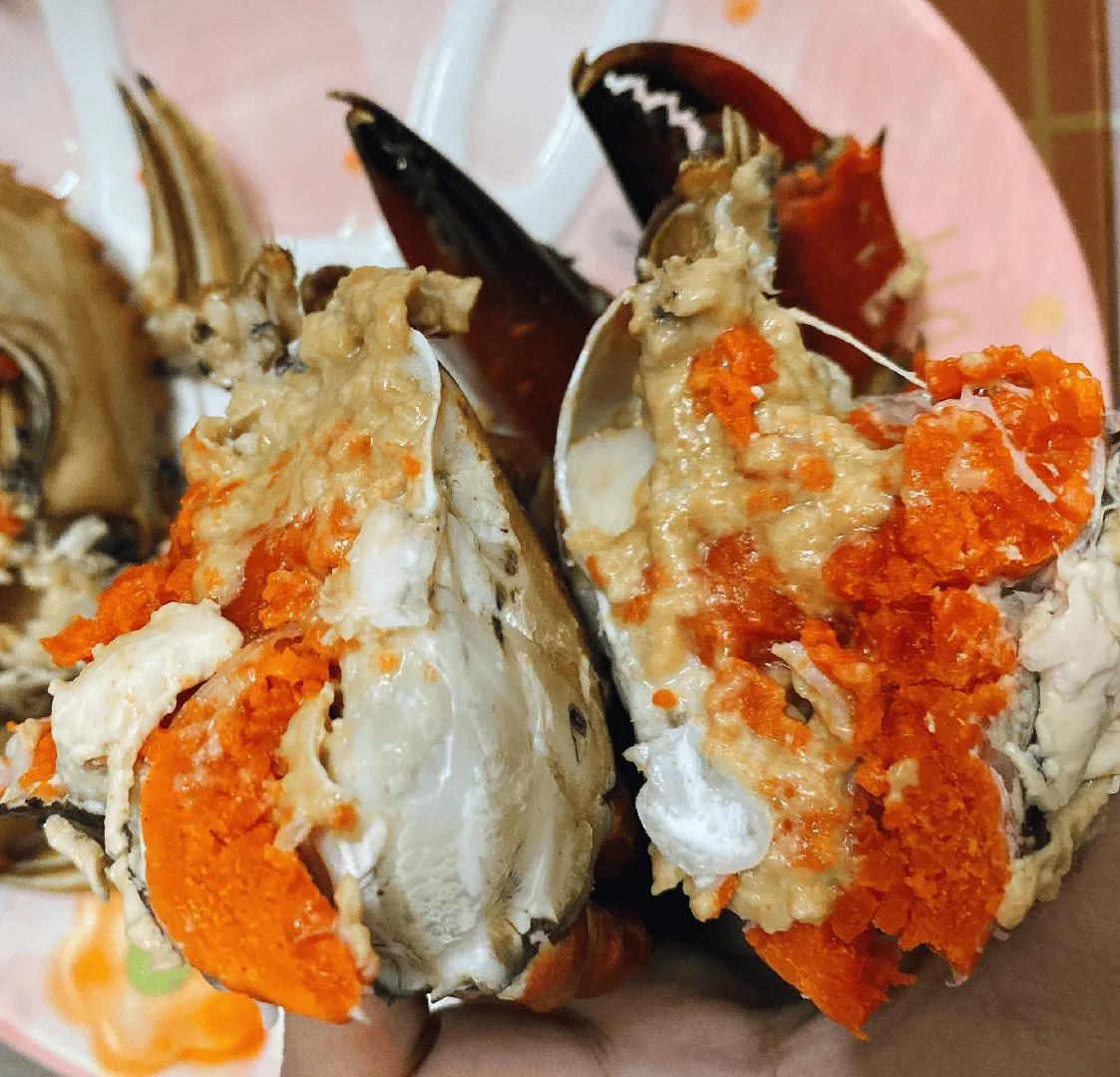
Heritage Ingredient
Ca Mau Roe Mud Crab
Ca Mau Roe Mud Crab
A female mud crab known for deep orange roe and a rich, creamy finish, often featured in celebratory Southern Vietnamese seafood meals.
A crimson treasure hidden within a shell, boasting rich, creamy roe that melts on your tongue like a golden sunset over the delta.
3 Crafting the Bowl: A Simple, Wholesome Process
The beauty of this dish lies in its simplicity. It's a one-pot wonder that prioritizes extracting the pure flavors of the ingredients.
Prepare the Mung Beans
Rinse ½ cup of dried mung beans thoroughly. Soak them in water for at least 1-2 hours, or preferably overnight. Drain and set aside.
Cook the Porridge Base
In a pot, combine the soaked mung beans with 4 cups of water. Bring to a boil, then reduce heat and simmer for 30-40 minutes, or until the beans are very soft and starting to break down. You can mash them further with a spoon or potato masher for a smoother texture.
Add the Crab
While the mung beans are cooking, clean and crack the shells of 1-2 small blue crabs. Add the crab pieces to the pot. Simmer for about 10-15 minutes, or until the crab meat is cooked through and has turned opaque red.
Season and Enrich
Season the porridge with fish sauce (to taste) and a pinch of salt and white pepper. If the porridge is too thick, add a little more hot water. Stir gently.
The Finishing Touch: The Egg
Ladle the hot porridge into bowls. Gently crack a free-range egg into the center of each bowl. The residual heat will gently cook the egg, creating ribbons of creamy yolk throughout the porridge. Garnish with chopped scallions and cilantro.
Baby's First Feast: Doubling Down on Nutrition
This dish is a nutritional powerhouse for growing bodies. The combination of lean protein from crab and digestible carbohydrates from mung beans, boosted by the complete protein and healthy fats from the egg, makes it an ideal first food or a balanced meal for toddlers.
Protein Powerhouse
Crab and egg provide essential amino acids for muscle development and repair.
Digestible Energy
Mung beans offer complex carbs for sustained energy, gentle on developing digestive systems.
Vitamins & Minerals
Rich in zinc, selenium, B vitamins, and iron, crucial for cognitive function and immunity.
For younger babies, ensure the crab meat is finely shredded and the porridge is smooth. You can also reduce the amount of fish sauce or omit it entirely for very young infants, relying on the natural sweetness of the ingredients.
5 A Taste of Home, Wherever You Are
While this dish is a comforting staple in Mekong Delta households, you'll also find delicious versions in local eateries and roadside stalls across Southern Vietnam. Each vendor might have their own subtle variations – perhaps adding a touch of ginger or a pinch of white pepper for aroma.
If you're lucky enough to live near a Vietnamese market with fresh seafood, attempting this at home is incredibly rewarding. The aroma filling your kitchen will transport you straight to a bustling delta morning.
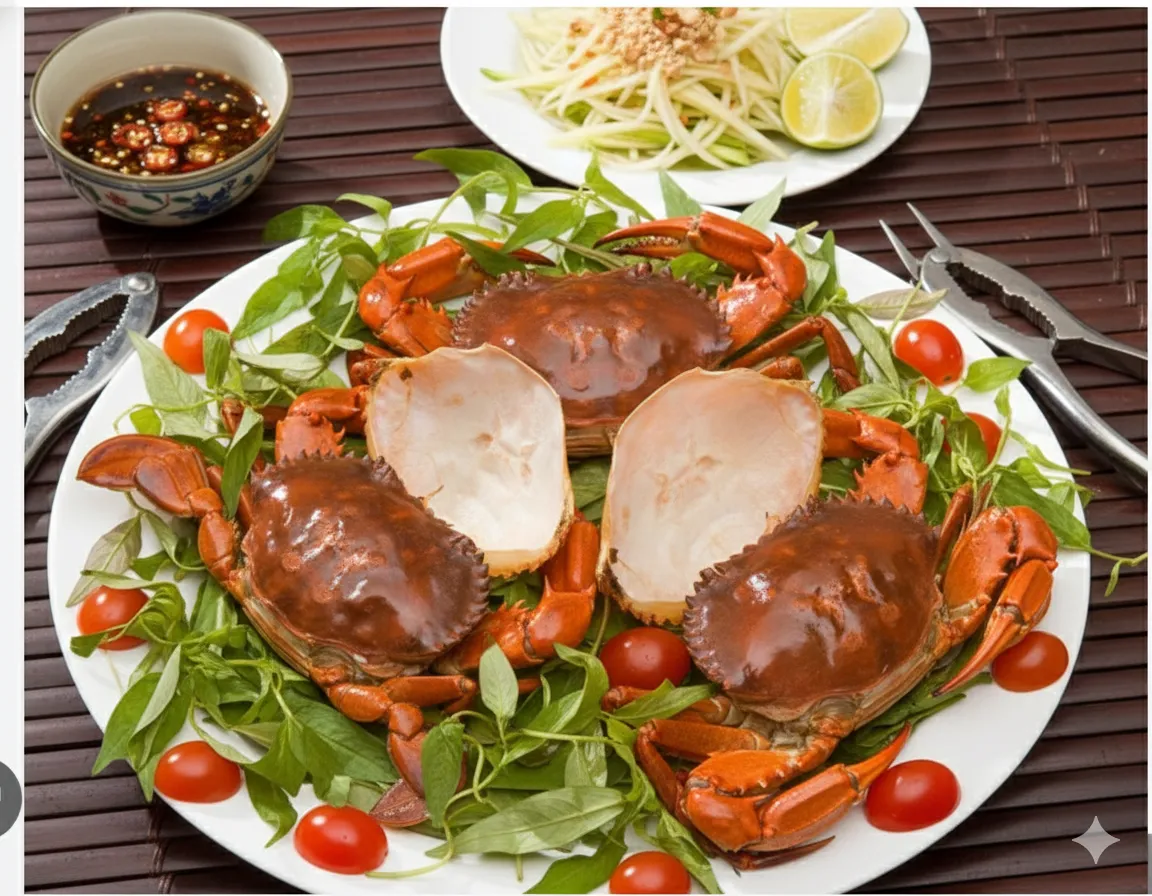
Heritage Ingredient
Soft-Shell Butter Crab (Molting Crab)
Soft-Shell Butter Crab (Molting Crab)
A rare molting mud crab from Ca Mau, valued for its edible soft inner shell and exceptionally creamy roe, making it the closest local equivalent to soft-shell crab concepts familiar abroad.
Nature's rare masterpiece—a delicate transition where a soft inner layer protects golden, custard-like roe in a fleeting moment of flavor.
Market Finds
Look for live blue crabs and fresh mung beans at your local Asian markets. The quality of the crab is key – seek out active, lively specimens.
6 Beyond the Bowl: A Delta Culinary Philosophy
This Crab and Mung Bean Porridge exemplifies a core principle of Mekong Delta cuisine: extracting maximum flavor and nutrition from fresh, local ingredients with minimal fuss. While other regional dishes might involve complex sauces or elaborate preparations, here, the focus is on the inherent sweetness of the crab and the comforting creaminess of the mung beans.
The addition of the egg is not just for texture; it’s a culinary harmony, a complete protein that rounds out the dish. It’s a reminder that sometimes, the simplest combinations are the most profound. This is food that nourishes the body and soothes the soul, a true taste of the Delta's generous spirit.
Common Questions
🍚 Can I use other types of crabs?
👶 What if my baby has allergies?
🌿 Can I add other vegetables?
Craving More Delta Flavors?
Explore the rich tapestry of Mekong Delta cuisine, from savory noodle soups to exotic fruits.
Explore the Delta 🛶