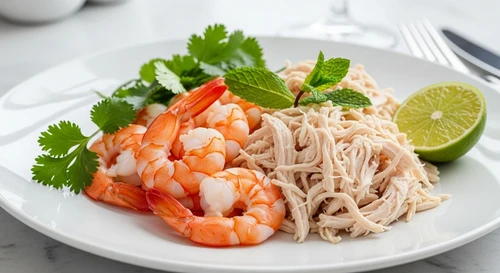
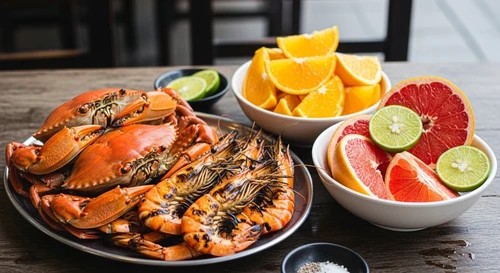
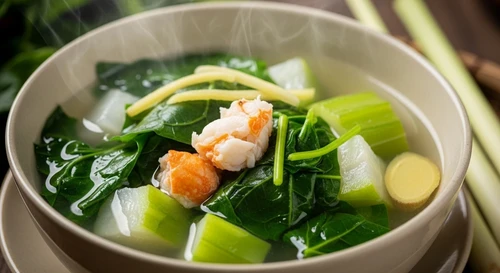
" In the grand theatre of seafood, lobster often takes center stage, bathed in spotlight and commanding exorbitant prices. Prawns, meanwhile, can be found working the crowd, accessible and familiar. But when the applause dies down and the plates are cleared, which performer truly nourishes us more? "
1 The Grand Entrance: Lobster's Allure
There's an undeniable romance associated with lobster. The pristine white meat, the rich, buttery flavor, the sheer *experience* of cracking open a carapace – it all adds up. Whether it's a succulent Maine lobster, a delicate European variety, or the prized spiny lobsters of tropical waters, its reputation precedes it. This luxury often comes with a price tag that can make even seasoned gourmands pause, especially when a pound of the finest specimen can easily run upwards of $100 in many Western markets. But what are we actually paying for, beyond the indulgence?
The perception is that such premium pricing must surely translate to superior nutritional benefits. We envision a treasure trove of essential nutrients, packed more densely than in its more common aquatic cousins. It's a comforting thought: the expensive choice is also the "best" choice for your health. But is this perception grounded in scientific fact, or merely a byproduct of marketing and tradition?
2 The Humble Hustle: Shrimp's Ubiquity
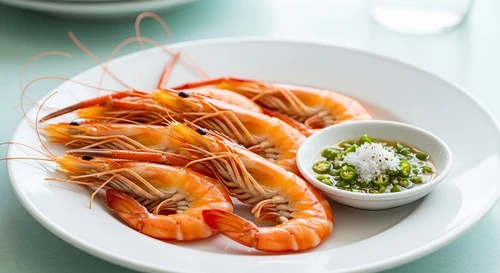
Now, turn your gaze to the humble prawn and its smaller cousin, shrimp. These are the workhorses of the seafood world, found on menus from casual bistros to bustling Asian night markets. From the colossal tiger prawns, often farmed in the rich mangrove ecosystems of the Mekong Delta like these Heritage Ingredient Ca Mau Black Tiger Shrimp Large black tiger shrimp associated with mangrove aquaculture in Ca Mau, known for firm flesh and a cleaner, sweeter finish than intensively farmed shrimp. Wild spirits of the mangroves, these black-banded gems deliver a firm, snappy texture and a sweetness that echoes the forest's vibrant life.
Ca Mau Black Tiger Shrimp
You can buy a pound of good quality tiger prawns for a fraction of the cost of a single lobster tail. This accessibility makes them a staple in diets globally, providing a familiar taste and texture that can be prepared in countless ways – grilled, fried, in soups, curries, or delicate salads. Their widespread availability and lower price point often lead to them being perceived as less "premium." But, like their larger, more flamboyant relatives, what nutritional secrets do they hold?
Mekong Delta's Bounty
Regions like Ca Mau in Vietnam are renowned for their aquaculture, producing succulent black tiger shrimp and large freshwater prawns, showcasing the incredible diversity and quality found in delta waterways. These prawns often have a cleaner, sweeter profile due to their environment.
Nutrient Powerhouses
Shrimp and prawns are intrinsically good sources of lean protein, omega-3 fatty acids, and a host of essential vitamins and minerals. Their nutritional profile is well-documented and consistently impressive.
3 Unpacking the Micronutrients
To settle this debate, we spoke with nutritionists who have analyzed the typical nutritional profiles of both lobster and shrimp. The findings might surprise you, challenging the notion that price directly correlates with overall health benefits.
Lobster (e.g., American Lobster)
- Calories: ~70-85 kcal
- Protein: ~16-18g
- Fat: ~0.5-1.5g (very low, mostly unsaturated)
- Cholesterol: ~70-80mg
- Key Minerals: Excellent source of Selenium, Copper, Zinc. Good source of Vitamin B12, Phosphorus.
- Omega-3s: Present, but generally lower than shrimp.
Shrimp/Prawn (e.g., Tiger Shrimp)
- Calories: ~80-100 kcal
- Protein: ~18-22g
- Fat: ~0.5-2g (low, often slightly higher than lobster, but still very lean)
- Cholesterol: ~110-120mg (Note: Dietary cholesterol's impact is debated; for most, it's less concerning than saturated/trans fats)
- Key Minerals: Excellent source of Selenium, Phosphorus, Copper. Very good source of Vitamin B12, Iodine.
- Omega-3s: Generally higher than lobster, offering a more robust fatty acid profile.
4 Beyond the Basics: Subtle Differences
When we break down the micronutrient profiles, a nuanced picture emerges. Both lobster and shrimp are nutritional powerhouses, offering lean protein and beneficial minerals with very little fat. However, the *type* and *concentration* of certain nutrients can vary.
Selenium Superstar:
Both are excellent sources. Selenium is a potent antioxidant crucial for thyroid function and immune health. Lobster might have a slight edge here, but the difference is often marginal.
Vitamin B12 & Copper:
Lobster often leads in Vitamin B12, vital for nerve function and red blood cell formation, and Copper, important for energy production and iron absorption. Shrimp is still a very good source of B12.
Omega-3 Fatty Acids:
Shrimp and prawns tend to offer a slightly higher and more diverse profile of beneficial omega-3 fatty acids, which are critical for heart and brain health.
Cholesterol Considerations:
Lobster typically has slightly less cholesterol per serving than shrimp. However, for most healthy individuals, dietary cholesterol has a less significant impact on blood cholesterol than previously thought, with saturated and trans fats being greater concerns.
The Value of Abundance: Shrimp & Prawns from Vietnam
In the vast, intricate waterways of the Mekong Delta, shrimp and prawns are not just food; they are lifeblood. The livelihoods of countless families depend on the sustainable harvest and aquaculture of these crustaceans. While lobsters are a delicacy of coastal regions and more temperate waters, the delta's bounty of prawns, like these Heritage Ingredient Mekong Giant Freshwater Prawn A river prawn with long blue claws and rich head fat, common in grilled prawn dishes and hotpot traditions across the Mekong basin. Majestic blue-clawed warriors of the Mekong, famous for their rich, fatty heads and a savory depth that captures the essence of the delta's rivers.
Mekong Giant Freshwater Prawn
Protein Density
Delta shrimp are lean protein champions, crucial for muscle repair and satiety.
Trace Minerals
Rich in iodine and zinc, supporting thyroid health and immune function.
Accessibility & Sustainability
These species are often farmed sustainably, providing consistent nutrition without the extreme environmental or economic impact of some luxury seafood.
The nutritional value of delta shrimp is mirrored by their economic and cultural importance, providing a sustainable food source and livelihood for millions.
6 The Fat Game: A Subtle Distinction
When it comes to fat content, both lobster and shrimp are remarkably lean. This is fantastic news for anyone looking to boost their protein intake while keeping calorie counts in check. However, there can be slight variations. Lobster often boasts slightly less total fat and, importantly, less saturated fat per serving compared to many types of shrimp.
The fat that IS present in both is largely unsaturated, including those beneficial omega-3 and omega-6 fatty acids. The slight difference in saturated fat, while scientifically measurable, is unlikely to be nutritionally significant for most people who consume these seafood items in moderation as part of a balanced diet. The benefits derived from the protein, vitamins, and minerals far outweigh these minor fat variations for the average consumer.
7 Value for Your Dollars (and Health)
So, is a $100 lobster a better nutritional investment than a $1 prawn? Based on the typical nutritional breakdown, not necessarily. While lobster may offer a slight advantage in certain trace minerals and lower saturated fat, shrimp and prawns provide a nearly equivalent profile of lean protein, essential minerals, and a good dose of omega-3s, all at a dramatically lower cost.
The "value" of seafood isn't solely determined by its price or its place on a luxury spectrum. It's about the micronutrients it delivers relative to its cost and availability. For consistent, everyday nutrition, shrimp and prawns emerge as exceptional choices, offering immense health benefits without breaking the bank. Lobster remains a luxurious treat, offering a wonderful culinary experience and good nutrition, but perhaps not a fundamentally *superior* one from a purely quantitative health perspective.
8 Making Informed Decisions
The takeaway here isn't to abandon lobster – it's a delicious and nutritious food! Instead, it's about understanding that you don't need to spend a fortune to reap the significant health benefits of seafood. Both lobster and shrimp offer incredible nutritional value, packed with lean protein, essential minerals, and healthy fats.
For daily consumption and consistent nutrient intake, the accessibility and affordability of shrimp and prawns make them arguably the more "nutritious" choice in terms of value. They provide a wide spectrum of essential nutrients that contribute to overall health and well-being. When you're choosing seafood, consider not just the price or the prestige, but the comprehensive nutritional package each option brings to your table. Whether from the majestic coasts where lobsters roam or the fertile deltas where prawns flourish, embracing diverse seafood is a path to a healthier, more vibrant diet.
Taste the Delta Difference
Experience the superior quality and taste of sustainably sourced seafood from the Mekong Delta.
Heritage Ingredient
Ca Mau Black Tiger Shrimp
Ca Mau Black Tiger Shrimp
Large black tiger shrimp associated with mangrove aquaculture in Ca Mau, known for firm flesh and a cleaner, sweeter finish than intensively farmed shrimp.
Wild spirits of the mangroves, these black-banded gems deliver a firm, snappy texture and a sweetness that echoes the forest's vibrant life.
Heritage Ingredient
Mekong Giant Freshwater Prawn
Mekong Giant Freshwater Prawn
A river prawn with long blue claws and rich head fat, common in grilled prawn dishes and hotpot traditions across the Mekong basin.
Majestic blue-clawed warriors of the Mekong, famous for their rich, fatty heads and a savory depth that captures the essence of the delta's rivers.