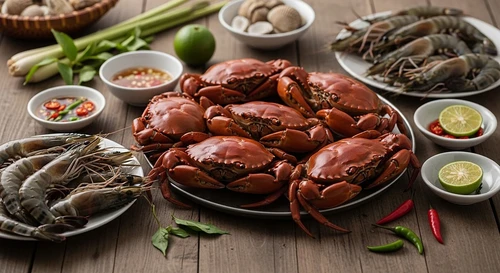
" In the heart of the Mekong Delta, where lifeblood flows from the river and the sea, food is more than sustenance; it's ritual, tradition, and often, folklore. One persistent whisper among the river folk is that certain foods, particularly the bounty of the ocean, can interfere with healing. "
1 The Mekong's Culinary Canvas: Seafood as Lifeblood
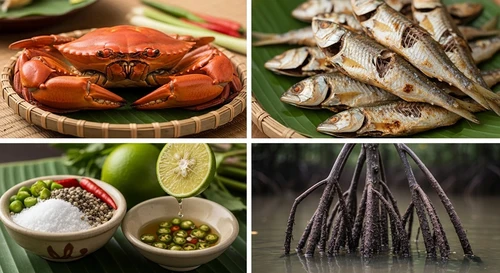
For generations, the fertile lands and intricate waterways of Vietnam's Mekong Delta have been defined by their rich agricultural output and even richer aquatic bounty. From the vast mangrove forests of Ca Mau to the bustling floating markets of Can Tho, seafood isn't just a dish; it's a cornerstone of the regional economy and culture.
Crab, shrimp, fish – these are staples, often harvested fresh daily and prepared with a reverence that speaks to their importance. Methods range from simple steaming, allowing the natural sweetness to shine, to complex, flavor-packed stews and stir-fries. This deep connection to the ocean and rivers means that dietary advice, especially around healing and well-being, often becomes intertwined with the very foods that sustain these communities.
Ca Mau's Finest Crab
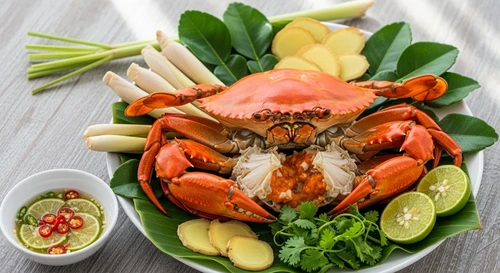
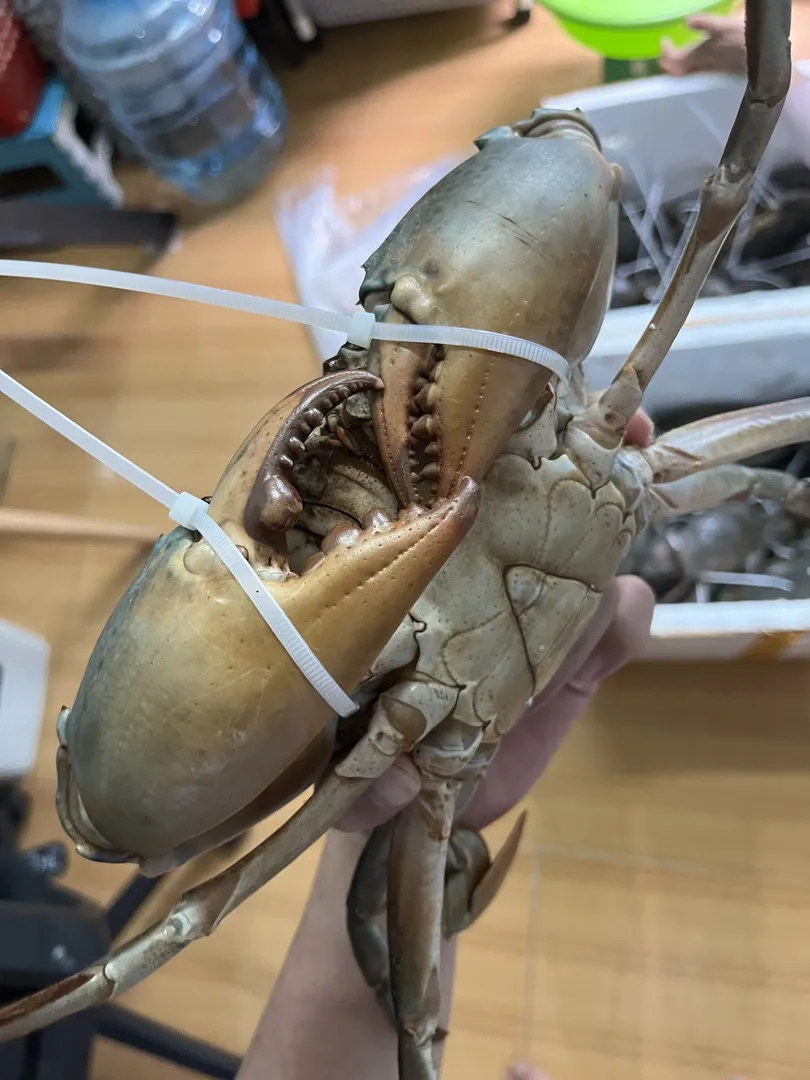
The mud crabs of Ca Mau are legendary, famed for their dense, sweet meat and rich roe. These crabs are not just food; they represent a way of life for the coastal communities.
Heritage Ingredient
Ca Mau Jumbo Mud Crab
Ca Mau Jumbo Mud Crab
A large male mud crab prized for dense, sweet meat and thick claws, commonly used in steamed crab and grilled crab dishes across the Mekong Delta.
An icon of coastal culinary heritage, featuring firm, sweet meat that captures the raw power and freshness of Ca Mau's tides.
Mangrove Shrimp
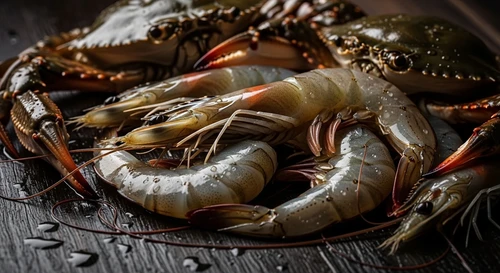
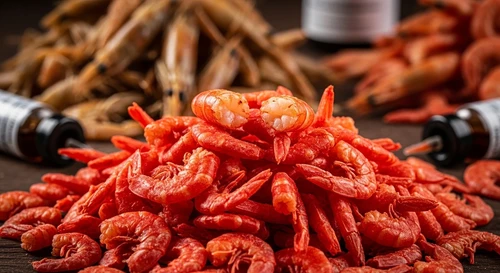
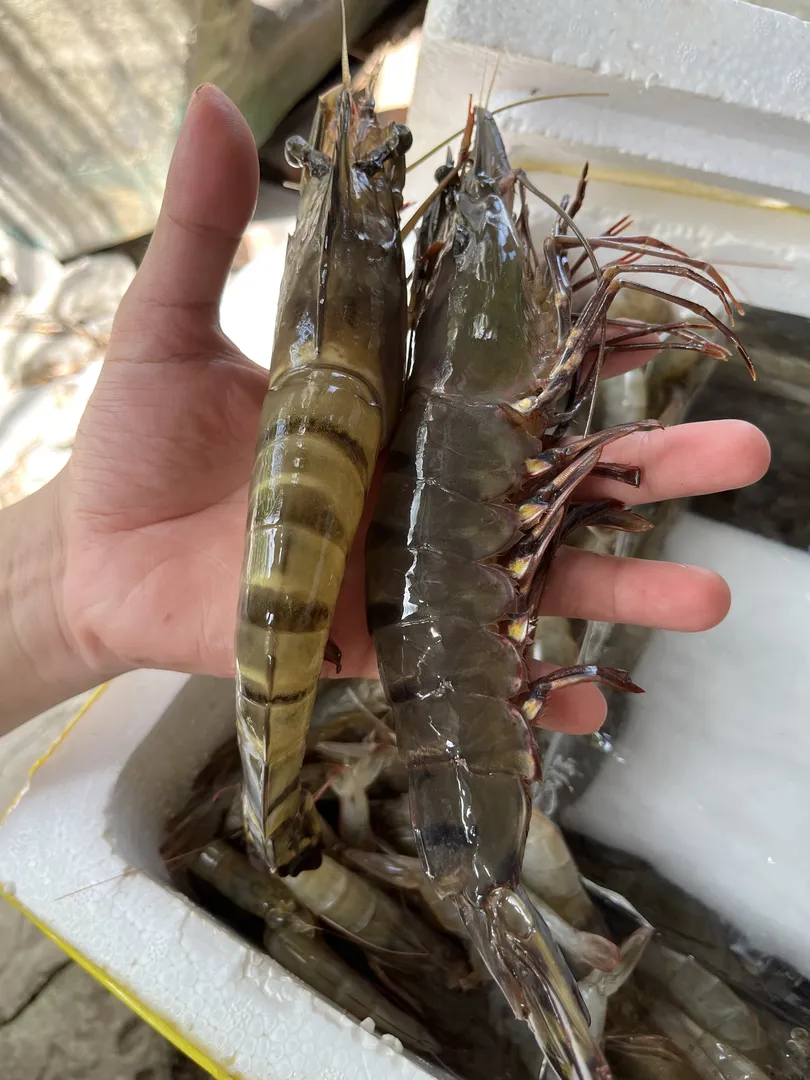
Black tiger shrimp, often farmed sustainably in the mangrove ecosystems, offer a firm texture and a clean, sweet flavor, a testament to the health of the delta's natural environment.
Heritage Ingredient
Ca Mau Black Tiger Shrimp
Ca Mau Black Tiger Shrimp
Large black tiger shrimp associated with mangrove aquaculture in Ca Mau, known for firm flesh and a cleaner, sweeter finish than intensively farmed shrimp.
Wild spirits of the mangroves, these black-banded gems deliver a firm, snappy texture and a sweetness that echoes the forest's vibrant life.
2 The Persistent Myth: Why Seafood is Blamed
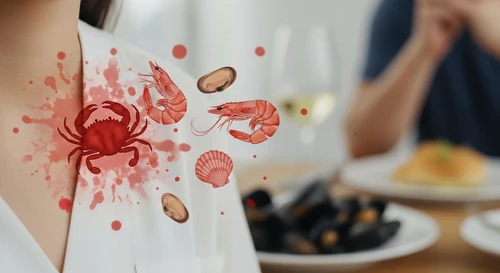
The belief that eating seafood, especially crab, after surgery, a wound, or a tattoo can lead to keloid scars is deeply ingrained in Vietnamese culture. You'll hear it from grandmothers to street vendors: "Don't eat crab; it will make your scar bulge and itch."
Why this specific connection? Several theories attempt to explain its origin:
- Histamine Content: Seafood, like fish and shellfish, can contain higher levels of histamine, particularly if not perfectly fresh. Some believe histamine can trigger inflammatory responses.
- "Heatiness" in Traditional Medicine: In Traditional Chinese Medicine (TCM) and its Vietnamese adaptations, seafood is often categorized as a "hot" or "warming" food. Certain post-surgery diets aim to balance this "heat" to promote cooler healing.
- Observational Correlation: It's possible that early observations noted scar formation in individuals who happened to consume seafood. Without scientific understanding, these correlations became causal beliefs.
The Scarring Process Explained Briefly
Scarring is a natural part of the body's healing process after an injury. Keloids, a specific type of raised scar, occur when the body produces an overabundance of collagen. Factors influencing keloid formation are complex and include genetics, skin type, location of the wound, and the severity of the injury. They are a result of abnormal fibroblast activity during healing, not external dietary triggers in the way the myth suggests.
3 The Dermatologist's Verdict: Myth or Malady?
We spoke with leading dermatologists to get their take on this culinary caution. The consensus? The link between eating crab or other seafood and the formation of keloid scars is, from a medical standpoint, largely unfounded.
No Direct Scientific Link
Dr. Anya Sharma, a renowned dermatologist specializing in wound healing, explains: "There is no robust scientific evidence to suggest that consuming seafood directly causes keloid scarring. Keloids are a complex dermatological response related to genetics and the body's internal healing mechanisms, not a dietary reaction to histamine in fish."
Inflammation and Allergies
While some individuals may have seafood allergies or sensitivities that can trigger a general inflammatory response throughout the body, this is distinct from causing a specific keloid scar formation. An allergic reaction would manifest differently and wouldn't be limited to scar tissue.
The key distinction is between a general inflammatory condition (which *could* theoretically impact healing) and the specific biological process of keloid formation. "If someone has a known severe allergy, avoiding the allergen is always wise for overall health," adds Dr. Kenji Tanaka. "But for the average person without allergies, enjoying fresh seafood poses no direct risk to scar development."
4 Nutrition's True Impact on Healing
While seafood might not be the culprit, nutrition *does* play a crucial role in wound healing. A balanced diet rich in essential vitamins and minerals supports the body's repair processes. So, what *should* you focus on for optimal recovery?
Protein
Essential for building and repairing tissues. Lean meats, fish, beans, and dairy are excellent sources.
Vitamins C & A
Vitamin C is vital for collagen synthesis, while Vitamin A aids in cell growth and immune function. Fruits, vegetables, and eggs are key.
Zinc
This mineral is critical for wound repair and immune support. Found in meat, shellfish, legumes, and seeds.
In fact, many seafood options, like shrimp and certain fish, are excellent sources of protein and zinc, which are *beneficial* for healing. The myth unfairly casts a shadow on a food group that can be a valuable part of a healthy recovery diet.
5 Bridging Tradition and Science
The persistence of the seafood-scar myth highlights the beautiful tension between age-old cultural wisdom and scientific understanding. In places like the Mekong Delta, where traditional practices are deeply respected, these beliefs are passed down through generations. They are often rooted in a desire to care and protect.
However, as medical knowledge advances and global communication increases, it's vital to revisit these beliefs with a critical, yet respectful, lens. Understanding the biological processes behind wound healing and scar formation allows us to separate fact from folklore. This doesn't mean discarding traditional dietary advice entirely, but rather, integrating it with evidence-based practices.

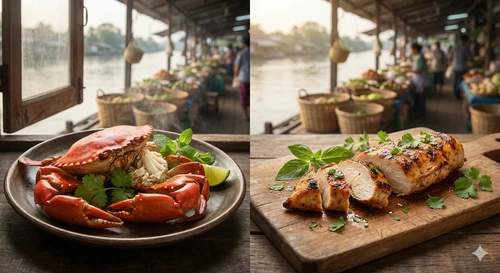
📸 Life on the river: Seafood is integral to the Mekong Delta's sustenance and economy.
For someone recovering from surgery or a tattoo in Vietnam, or anywhere else, the best approach is often a combination: adhere to your medical provider's specific instructions, maintain a nutrient-rich diet that supports healing, and enjoy the delicious, fresh seafood that the Mekong Delta and other coastal regions have to offer – in moderation and without undue fear.
6 Sensible Steps for Scar Healing
Instead of focusing on what *not* to eat based on folklore, focus on what *promotes* healthy healing. Here's practical advice:
✅ Follow Medical Guidance
🍎 Eat a Balanced Diet
💧 Stay Hydrated
☀️ Protect Your Scar
7 Other Persistent Food & Healing Myths
The seafood-scar belief isn't the only culinary myth surrounding healing. Many cultures have similar dietary taboos. Here are a few common ones:
Chicken and Wounds:
The idea that chicken causes "flesh rot" or poor healing is another common belief, particularly in some parts of Asia. Medically, chicken is a great source of lean protein vital for healing. Unless allergic, it's beneficial.
"Hot" vs. "Cold" Foods:
While TCM concepts of "heat" and "cold" can offer nuanced dietary balance, applying them rigidly without understanding their medical basis can lead to unnecessary restrictions. Many "hot" foods, like ginger or certain peppers, have anti-inflammatory properties.
Sweet Foods and Inflammation:
Excessive sugar intake can indeed contribute to inflammation, which might indirectly affect healing. However, this applies to all highly processed sugars, not specific foods like crab.
8 A Taste of Truth from the Delta
The Mekong Delta's culinary heritage is built on fresh, vibrant ingredients. The seafood harvested from its waters is not only a source of livelihood but a delicious part of its cultural identity. While respecting traditional wisdom is important, embracing scientific understanding allows us to enjoy these gifts without fear.
So, the next time you find yourself by the riverbanks, perhaps enjoying a steaming plate of fresh Ca Mau mud crab, rest assured. Your enjoyment of this delicacy is unlikely to influence the outcome of your healing process. Focus on good nutrition, proper medical care, and savor the incredible flavors the Mekong has to offer.
Curious About Other Myths?
What other food beliefs are common in Vietnam, and do they hold water?
🧐 Explore More Myths