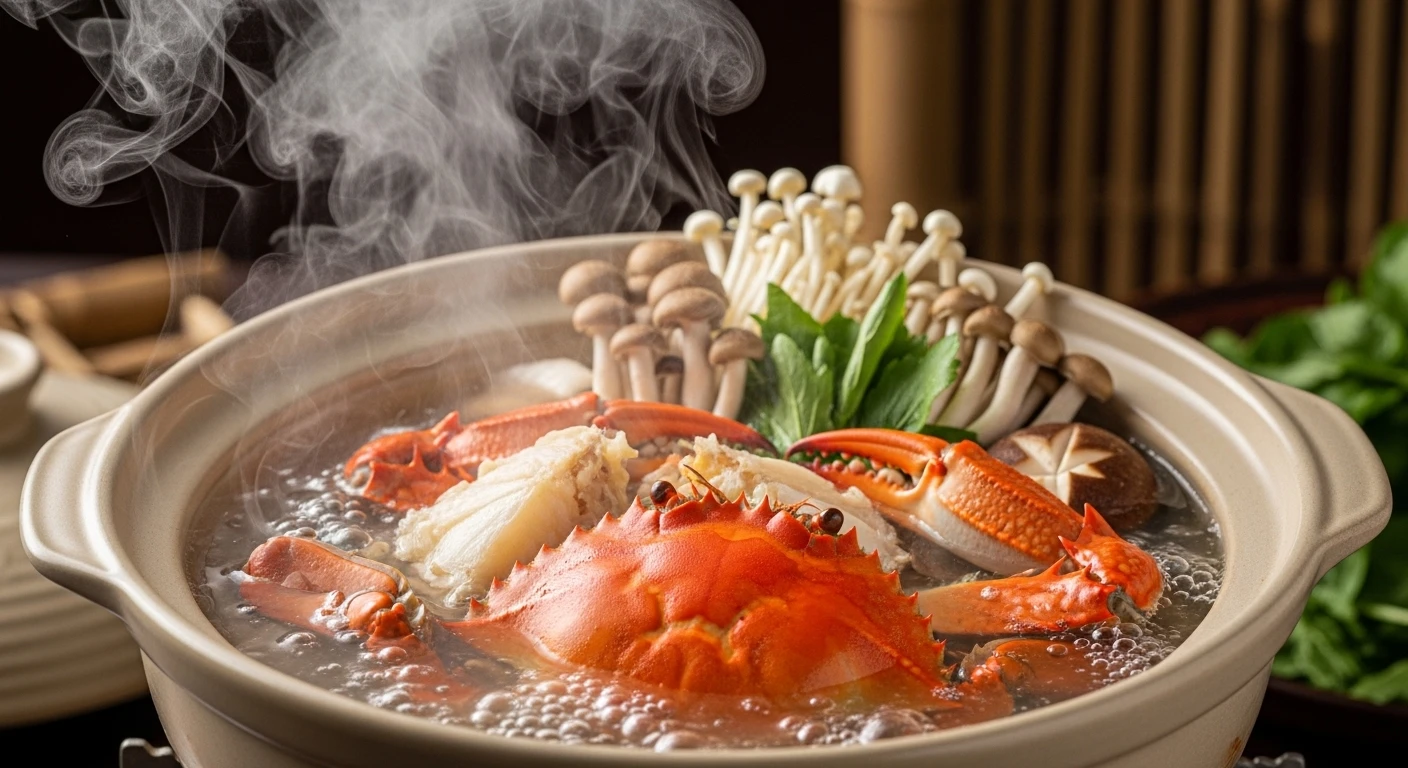
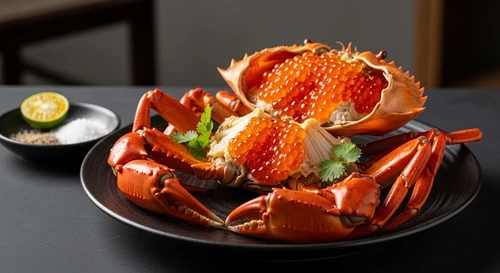
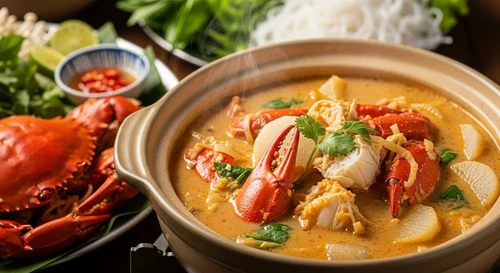
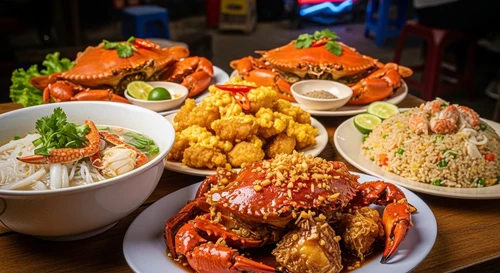
" This isn't just a sauce; it's a bridge. A bridge between the earthy, umami-rich traditions of Chinese fermentation and the sweet, succulent bounty of the Mekong Delta's waters. "

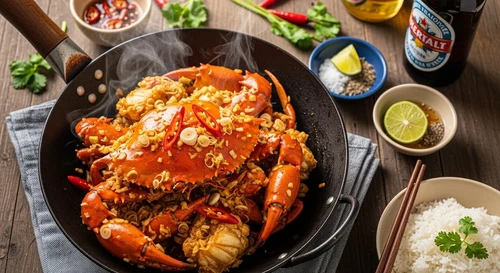
📸 The star of the show: Golden fried crab, dripping with its ruby-red, nutty sauce.
1 The Mekong's Crimson Heart: Red Fermented Tofu
At the soul of this dish is Fǔrǔ (腐乳), or red fermented tofu. Don't let the humble appearance fool you. These small cubes of soybean curd, fermented with red yeast rice, are flavor powerhouses. They deliver a complex profile: nutty, savory, slightly sweet, with a whisper of pungency that's utterly addictive.
In the watery labyrinth of the Mekong Delta, where culinary traditions blend Chinese, Khmer, and Vietnamese influences, ingredients like fermented tofu find a natural home. While perhaps more overtly "Chinese" in its primary flavor profile, its application here – clinging to the sweet meat of a fresh mud crab – feels distinctly Southern Vietnamese. It’s a testament to how ingredients travel and transform, adapting to new landscapes and palates.
Heritage Ingredient
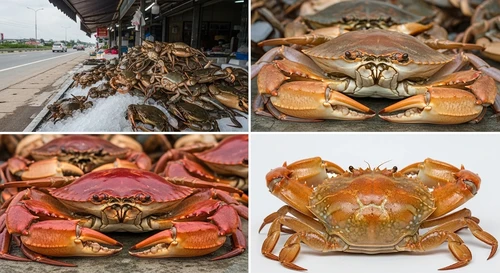
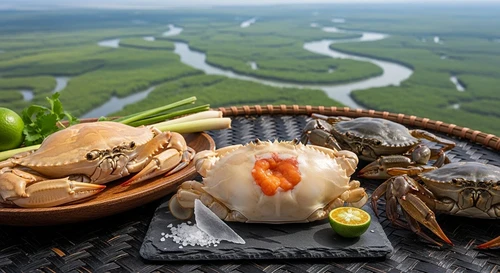
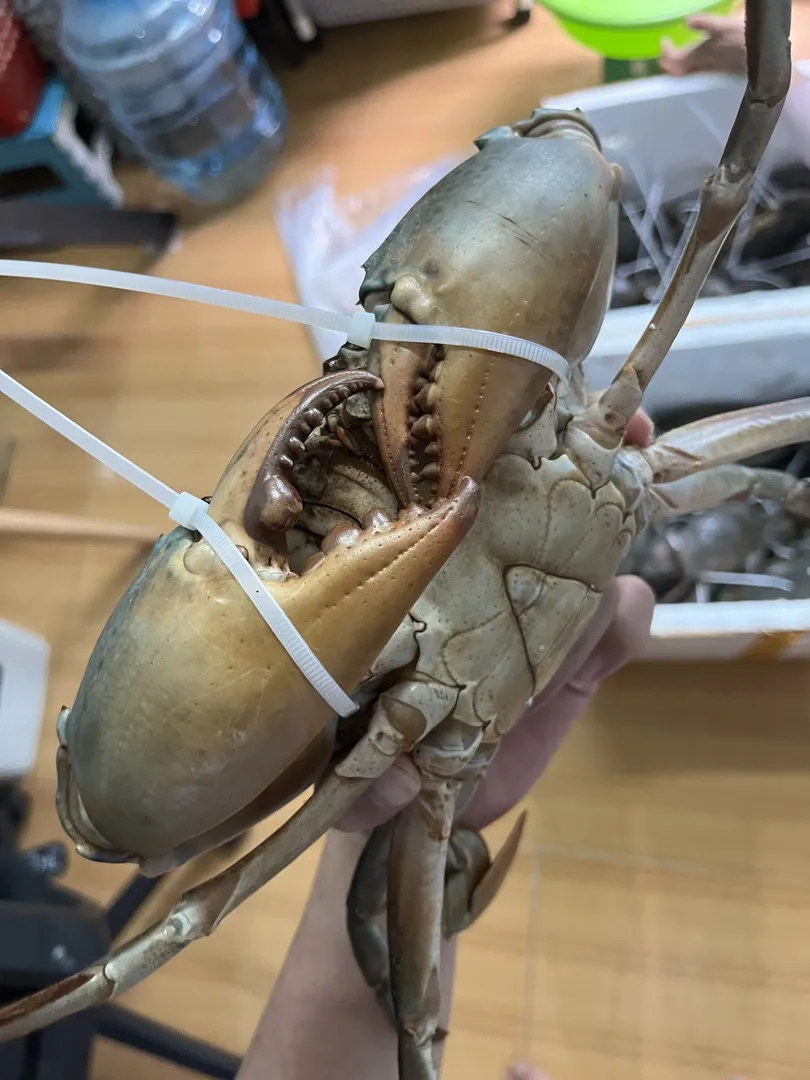
Ca Mau Jumbo Mud Crab
Ca Mau Jumbo Mud Crab
A large male mud crab prized for dense, sweet meat and thick claws, commonly used in steamed crab and grilled crab dishes across the Mekong Delta.
An icon of coastal culinary heritage, featuring firm, sweet meat that captures the raw power and freshness of Ca Mau's tides.
Heritage Ingredient
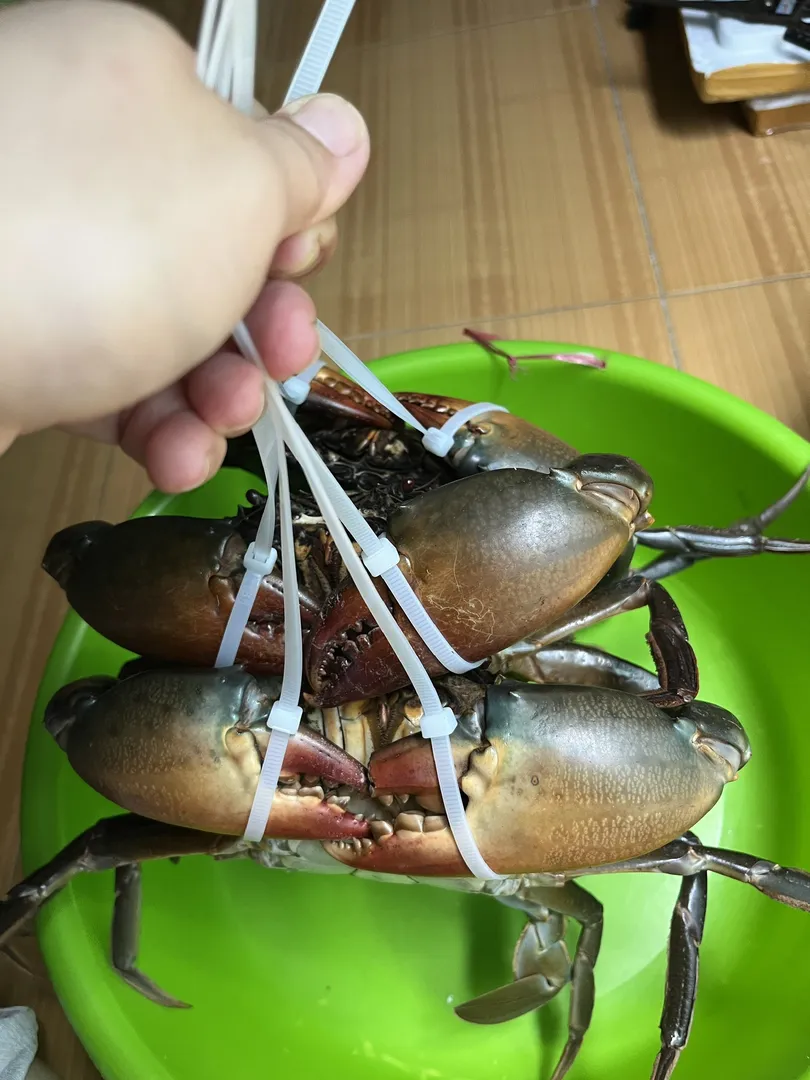
Giant Ca Mau Mud Crab
Giant Ca Mau Mud Crab
A larger export-grade mud crab with dramatic claws and thick meat, often used to illustrate oversized crab categories in Vietnamese seafood markets.
A titan of the ocean, offering colossal claws filled with muscular, succulent meat that elevates every feast into a royal experience.
2 The Crab's Embrace: Choosing Your Vessel
This sauce demands a crab that can stand up to its robust flavor. We're talking about the king of the coastal waters: the mud crab. In the Mekong Delta, particularly the mangrove-rich regions of Ca Mau, these crabs are a staple. Their dense, sweet meat and rich roe (if you're lucky enough to get a female crab with spawn) make them the perfect canvas for a sauce this bold.
Look for crabs that are lively, with firm shells and heavy bodies – signs of good meat yield. While this dish often features fried crab, the quality of the crab itself is paramount. The sauce should enhance, not mask, the inherent sweetness of the seafood.
Heritage Ingredient
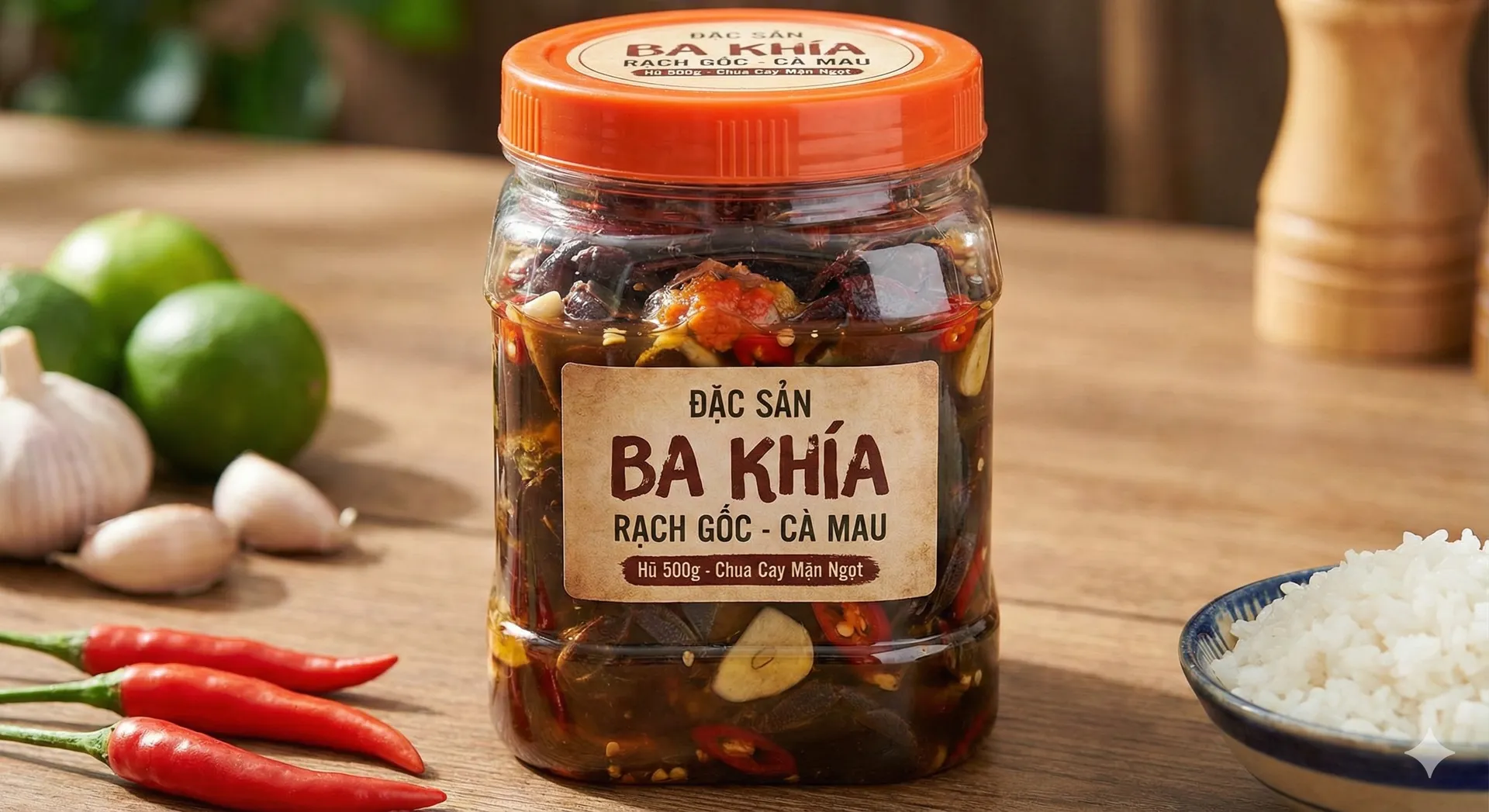
Fermented Mangrove Crab (Ba Khia)
Fermented Mangrove Crab (Ba Khia)
A traditional fermented crab specialty from the mangrove region of Rach Goc, often cited in articles about rustic Mekong Delta flavors and preserved seafood culture.
The salty-sour heartbeat of the wild south, where traditional fermentation turns forest crabs into a nostalgic explosion of rustic Mekong soul.
3 Crafting the Crimson Gold: The Sauce
The magic happens when the humble fermented tofu is transformed into a luxurious coating. This isn't a quick stir-fry; it’s a deliberate process of building flavor. The tofu is typically mashed and cooked down with aromatics, often including garlic, ginger, and sometimes a touch of chili for warmth. Sugar is added to balance the saltiness, and a liquid – be it water, stock, or even a splash of Shaoxing wine – is used to achieve the perfect viscous consistency.
Key Sauce Components:
- Red Fermented Tofu: The foundation. Mash until smooth.
- Aromatics: Minced garlic and ginger are essential.
- Sweetness: A pinch of sugar to round out the flavors.
- Liquid: Water, crab stock, or mild broth for consistency.
- Spice (Optional): A hint of chili flakes or fresh chili for a gentle kick.
The goal is a thick, glossy sauce that clings beautifully to every crevice of the fried crab. It should be rich enough to coat without being overwhelmingly heavy, allowing the natural sweetness of the crab to shine through.
4 The Culinary Dance: Frying & Coating
Once your crab is expertly prepared (cleaned and cut into manageable pieces, often dusted with a little cornstarch for crispness), it's time for the hot oil. The frying process aims for a golden, slightly crispy exterior that provides a textural contrast to the tender meat within. This also helps to seal in the crab's juices.
The crucial step follows: tossing the hot, fried crab pieces in the prepared red fermented tofu sauce. This is often done quickly, over medium heat, allowing the sauce to bubble and cling, enveloping each piece in its savory embrace. A final flourish of chopped scallions or cilantro adds freshness and visual appeal.
From Chinese Roots to Mekong Branches
While red fermented tofu is a cornerstone of Chinese cuisine, its adaptation in the Mekong Delta speaks volumes about regional culinary adaptability. The use of fresh, high-quality mud crabs, abundant in the delta's coastal and mangrove areas, elevates this dish. It's a subtle yet profound fusion – a Chinese flavor profile married to Vietnamese ingredients and cooking sensibilities. This dish isn't merely a recipe; it's a narrative of cultural exchange, where the earthy depth of fermentation finds a home in the sweet, briny waters of Southern Vietnam.
Think of this as a cousin to dishes featuring preserved flavors, like the intensely savory ba khia (fermented mangrove crabs) or the tangy punch of mam tom chua (fermented sour shrimp paste), showcasing how fermentation plays a vital role across the Delta's food landscape.
Serving the Masterpiece
🍚 The Classic Pairing: Steamed Rice
🥬 Fresh Greens for Balance
🍻 A Cold Drink to Complement
7 Expert Tips for Success
- Quality of Fermented Tofu: Use good quality red fermented tofu. It should have a pleasant aroma, not an overwhelming ammoniac smell. The color should be a rich red.
- Don't Overcook the Crab: The goal is tender, moist meat. Overcooking will make it tough and dry. Fry briefly, then coat in the sauce for just enough time to heat through.
- Sauce Consistency: Aim for a sauce that coats but doesn't drown. It should be thick enough to stick to the crab pieces without sliding off. Adjust with a touch more liquid or a pinch of cornstarch slurry if needed.
- Freshness is Key: If possible, use fresh, live mud crabs. The difference in texture and flavor is significant.
8 A Mekong Symphony
Red Fermented Tofu Crab Sauce is more than just a dish; it's a culinary conversation between cultures, a harmonious blend of savory depth and natural sweetness. It’s the kind of food that sticks with you, a reminder of the complex, layered flavors that emerge when tradition meets the bounty of the earth and sea. It embodies the spirit of the Mekong – rich, resilient, and deeply flavorful.