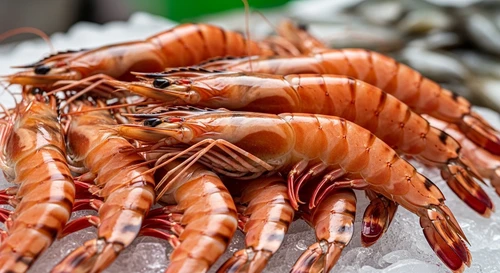
" We've all been there. Faced with a pile of beautiful, glistening shrimp, ready for the pan, the grill, or the simmering broth. Then comes the tedious part: deveining. The knife slips, you tear the flesh, or you just end up with a messy pile. There has to be a better way, right? "
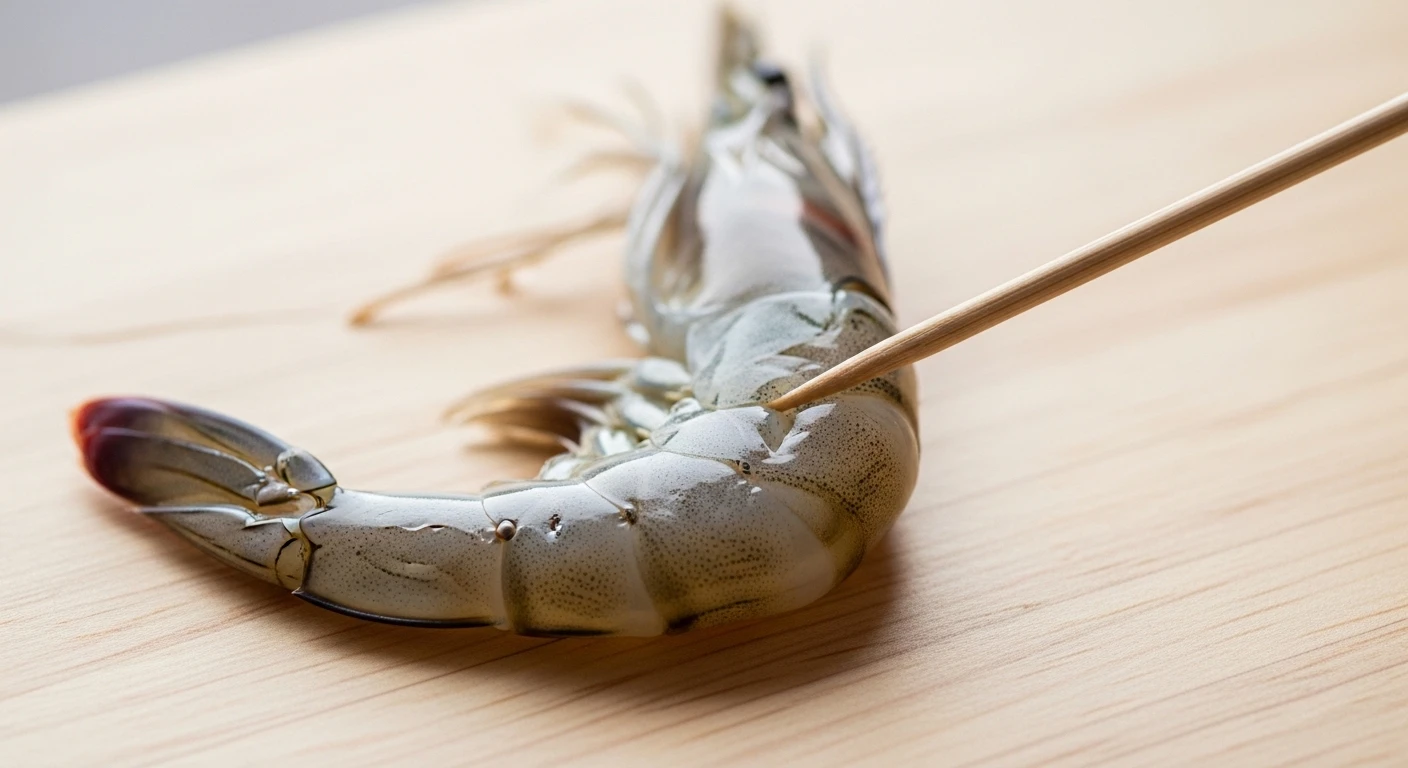
📸 Elegance in simplicity: The humble toothpick conquers the shrimp's digestive tract.
1 The Spirit of the River: Efficiency & Respect
In the Mekong Delta, where the rivers teem with life and the rhythm of daily existence is dictated by the tides and the catch, efficiency is not just a virtue; it's a necessity. Whether it's fishermen mending nets on their sampans or market vendors prepping their day's wares, there's an innate understanding of how to get the job done with minimal fuss and maximum respect for the ingredients.
Think of the bustling floating markets, where every movement is precise, every tool essential. This same philosophy extends to the kitchen. When dealing with precious seafood, like the famed Ca Mau Black Tiger Shrimp or the freshwater giants like the Mekong Giant Freshwater Prawn, the goal is always to preserve their natural sweetness and texture. This toothpick trick embodies that delta spirit: simple, effective, and deeply respectful of the food.
Heritage Ingredient
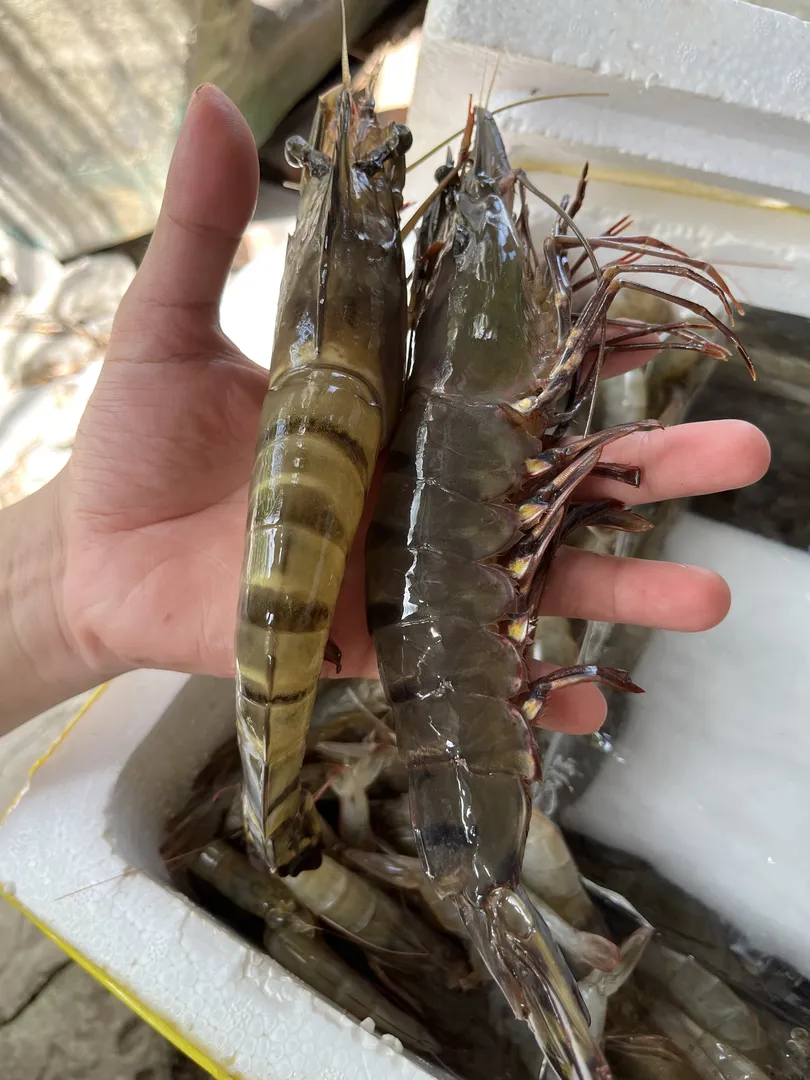
Ca Mau Black Tiger Shrimp
Ca Mau Black Tiger Shrimp
Large black tiger shrimp associated with mangrove aquaculture in Ca Mau, known for firm flesh and a cleaner, sweeter finish than intensively farmed shrimp.
Wild spirits of the mangroves, these black-banded gems deliver a firm, snappy texture and a sweetness that echoes the forest's vibrant life.

Heritage Ingredient
Mekong Giant Freshwater Prawn
Mekong Giant Freshwater Prawn
A river prawn with long blue claws and rich head fat, common in grilled prawn dishes and hotpot traditions across the Mekong basin.
Majestic blue-clawed warriors of the Mekong, famous for their rich, fatty heads and a savory depth that captures the essence of the delta's rivers.
2 The Knife's Downside
The traditional method often involves a knife. While it works, it has its drawbacks:
- Tearing the Flesh: It's easy to cut too deep or too wide, tearing the delicate shrimp meat and compromising its texture.
- Messy Presentation: Unwanted cuts can make the shrimp look unappealing, especially for dishes where presentation matters.
- Inefficiency: If you're prepping a large batch, the knife method can be time-consuming and frustrating.
- Digestive Tract Risk: The "vein" is actually the shrimp's digestive tract. Leaving it in can impart a slightly gritty or bitter taste, especially if the shrimp has had a recent meal.
The toothpick method, on the other hand, offers a clean, precise extraction without damaging the shrimp's integrity.
3 The Humble Hero
Yes, a simple wooden toothpick. It’s the unsung hero of countless kitchens, from street food stalls in Saigon to fine dining establishments. Its size, strength, and precision make it the perfect tool for this delicate task.
The key is to use a standard, sturdy wooden toothpick. Plastic ones can be too flexible, and metal ones might be too sharp and risk damaging the shrimp. Look for ones with a slightly pointed but not needle-sharp tip.

4 Master the 3-Second Technique
Orientation is Key
Place the shrimp on a clean cutting board, shell on, with its back (the curved side) facing UP. The tail should be pointing away from you.
The Gentle Insertion
Find the natural crease or joint in the shell segment just below the "tail fan". Gently insert the tip of the toothpick into this crease, aiming slightly downwards towards the tail.
The Elegant Pull
Once inserted, apply gentle upward pressure. The toothpick should slide along the underside of the digestive tract. With a slight tug, the entire vein should come out cleanly in one piece!
Rinse and Repeat
If any part remains, use the toothpick to gently tease it out. Rinse the shrimp under cold water and repeat with the next one. You’ll be surprised how fast this becomes second nature.
5 Applications Beyond the Basics
This technique isn't just for one type of shrimp or one recipe. It’s universally applicable for any dish where you want pristine, clean-tasting shrimp:
- Stir-fries: Essential for a clean bite, whether it's a vibrant Vietnamese Garlic Stir-fry or a spicy seafood medley.
- Soups and Broths: Imagine a clear, delicate broth with perfectly cooked shrimp. No one wants a gritty surprise in their soup!
- Salads: From a refreshing Green Papaya Salad (Goi Du Du) to a noodle salad, clean shrimp elevate the dish.
- Grilling or Roasting: Especially when shrimp are grilled in their shells, this method ensures maximum flavor without any unpleasant undertones.
Even for peeled and deveined shrimp like the versatile Whiteleg Shrimp, understanding this basic prep is crucial for consistent quality.
Heritage Ingredient
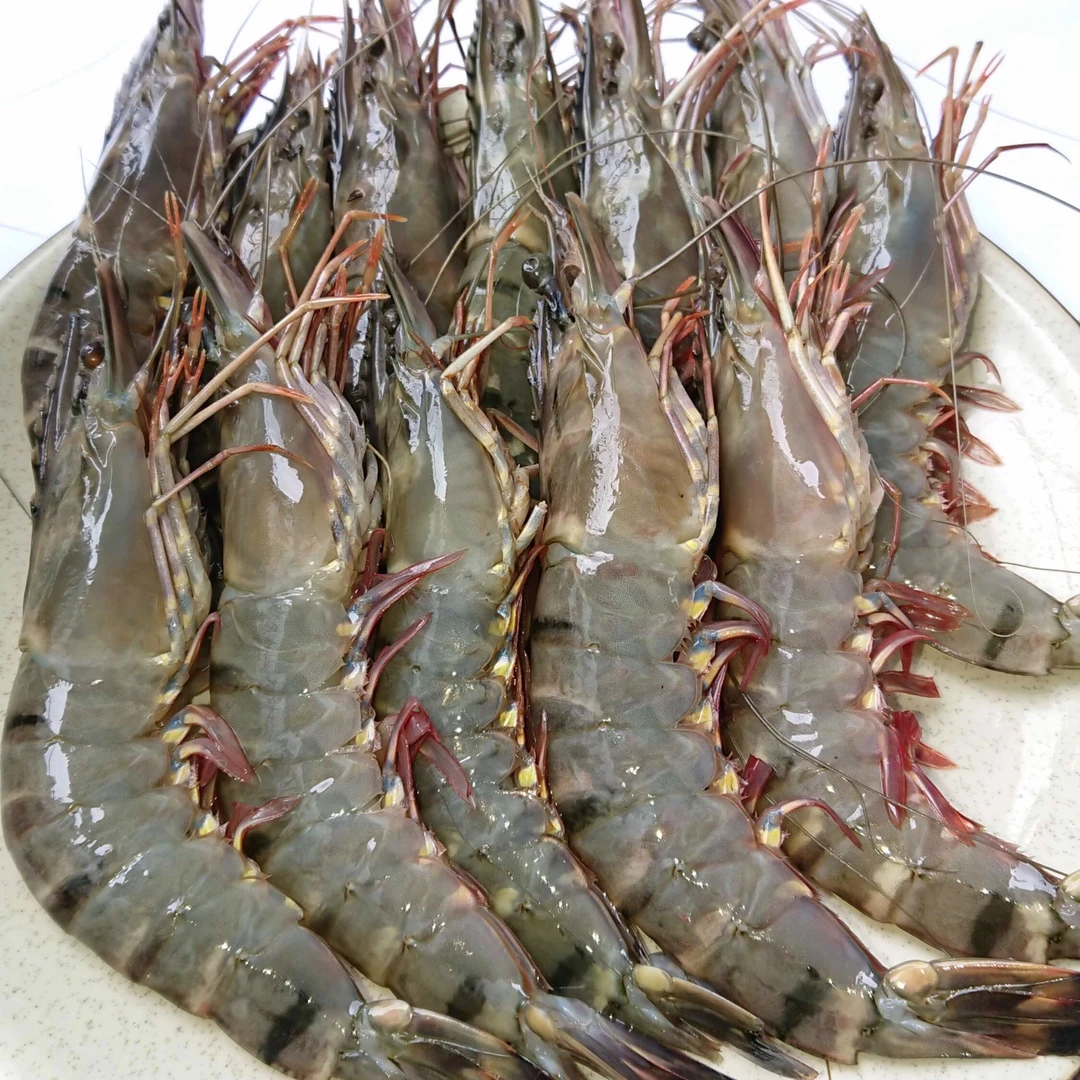
Whiteleg Shrimp
Whiteleg Shrimp
A widely used shrimp in Vietnamese home kitchens, suitable for stir-fries, soups, steamed dishes, and practical cooking articles that need a familiar shrimp reference.
Translucent jewels of the coast, thin-shelled and remarkably sweet, making every simple home meal feel like a seaside celebration.
6 Delta Kitchen Secrets
Freshness is Paramount
This trick is best applied to fresh shrimp. The digestive tract is less likely to have broken down or caused discoloration in very fresh specimens.
Don't Overthink It
You don't need to be a sushi chef. It takes a bit of practice, but once you feel it, you'll do it without thinking. It’s about finding that one specific seam.
Tail On or Off?
This method works best with the tail on, as it gives you a point of reference and a handle to work with. If you need peeled shrimp, you can remove the tail after deveining.
Cold Water Rinse
After deveining, a quick rinse under cold water not only washes away any residue but also helps firm up the shrimp slightly before cooking.
7 Other Uses for the Toothpick
While its star turn is deveining shrimp, the humble toothpick has a surprising number of uses in the kitchen, reflecting the resourcefulness of Delta cooks:
- Testing Doneness: For cakes, muffins, or even testing if potatoes are tender.
- Securing Rolled Meats: Keeping poultry or roulades together during cooking.
- Creating Decorative Holes: In pastry dough or even for making small openings in dumplings.
- "Blind" Baking Tart Shells: Pricking the base to prevent puffing.
It's a testament to how simple tools, used creatively, can solve complex culinary challenges.
8 Elevate Your Seafood Game
In the grand tapestry of Mekong Delta cuisine, where every ingredient is cherished and every technique honed for flavor and efficiency, this simple toothpick trick stands out. It’s not just about deveining shrimp; it’s about approaching your food with care, precision, and a touch of delta ingenuity. So next time you're faced with a bowl of fresh shrimp, grab a toothpick and experience the satisfaction of a perfectly prepped ingredient, ready to shine in your culinary creation.