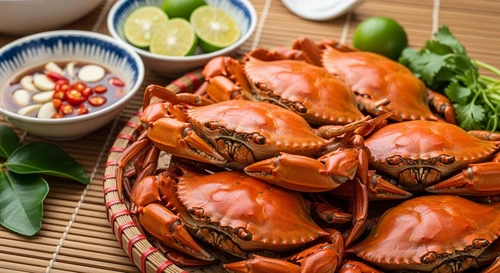
" In the labyrinthine waterways of the Mekong Delta, where freshwater meets salt, the humble mud crab reigns supreme. But beyond its sweet, succulent flesh lies a deeper magic – a tradition of healing and vitality woven into its very essence. This is not just a meal; it's an elixir. "
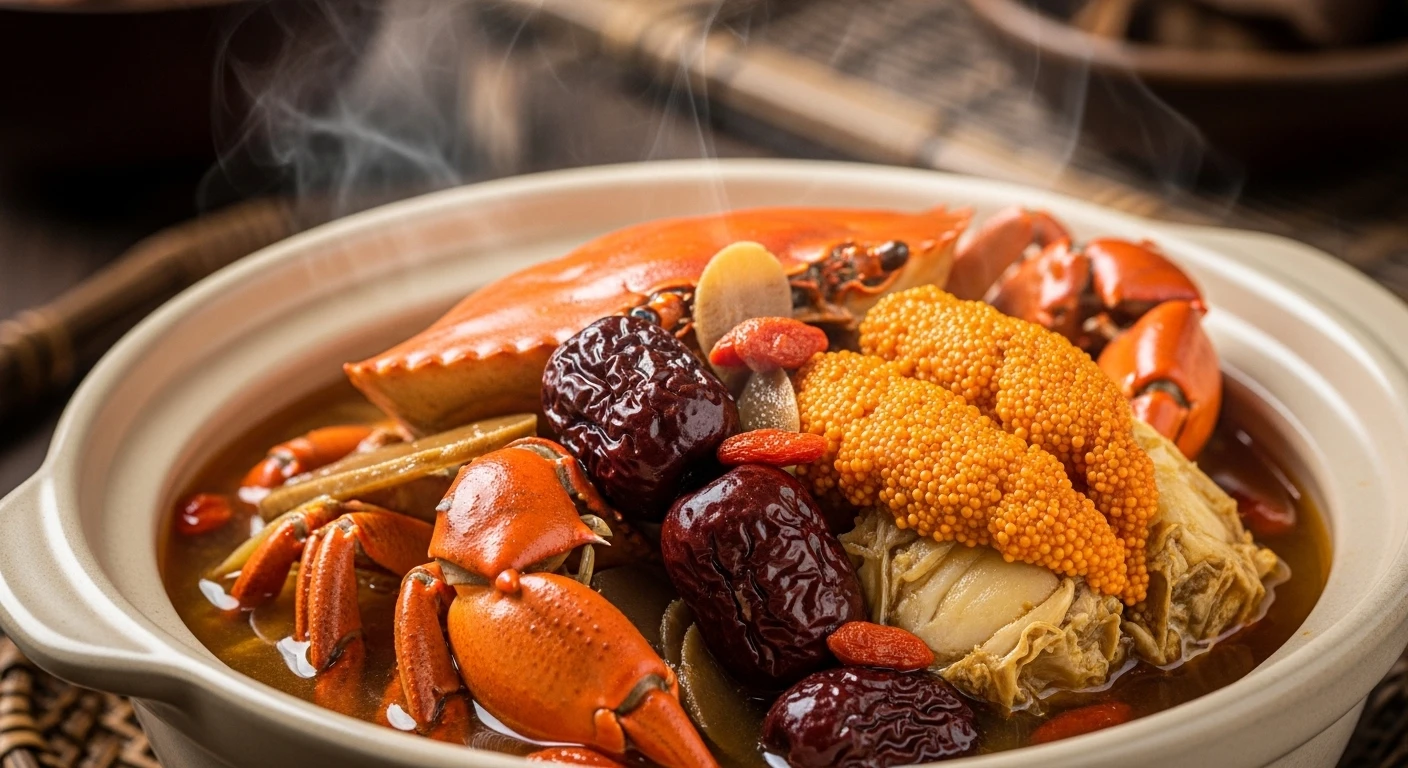
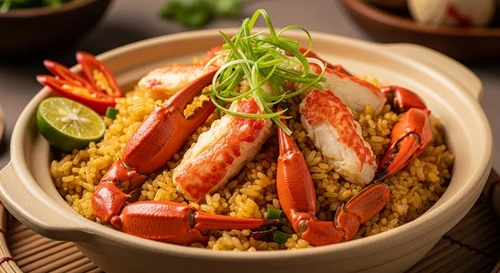
📸 A bowl of pure, life-giving essence, ready to restore and rejuvenate.
1 From the Mangroves: The Jewel of Ca Mau
The Mekong Delta, particularly the province of Ca Mau, is synonymous with some of Vietnam's finest seafood. Among these treasures, the mud crab (cua bùn) stands tall. Unlike its more aggressive freshwater cousins, the mud crab thrives in the brackish waters where the Mekong's massive river system meets the salty embrace of the sea. This unique environment imparts a distinct sweetness and a firm, dense texture to the crab's flesh.
While many might know Ca Mau crabs for their impressive size – perfect for grilling or steaming with simple flavors – there's a subtler, more profound way they're prepared, especially when the intention is to nourish. This is where the tradition of herbal stewing comes into play, a practice deeply influenced by Chinese culinary philosophy that has long permeated Vietnamese food culture.
Heritage Ingredient
Ca Mau Roe Mud Crab
Ca Mau Roe Mud Crab
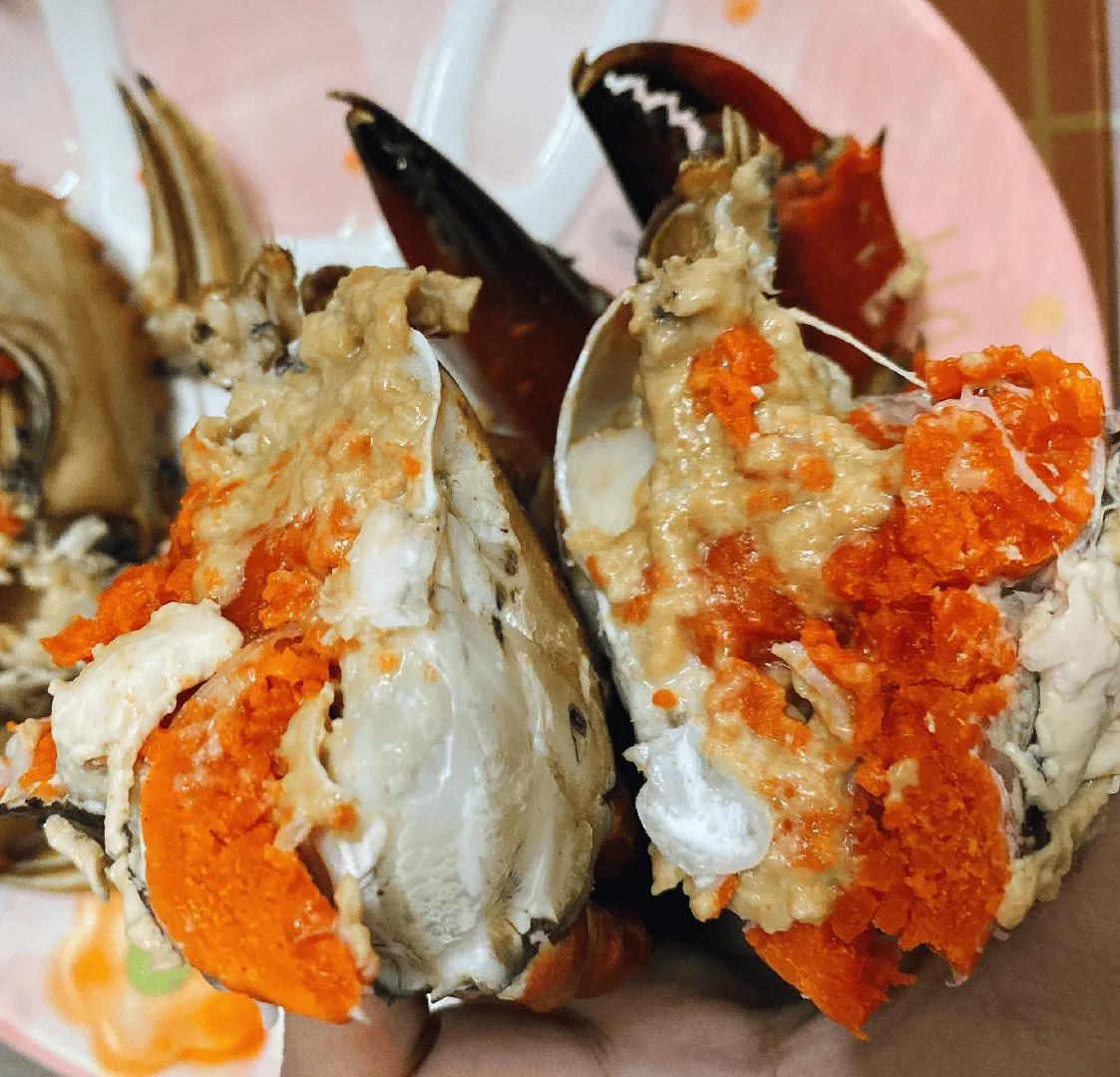
A female mud crab known for deep orange roe and a rich, creamy finish, often featured in celebratory Southern Vietnamese seafood meals.
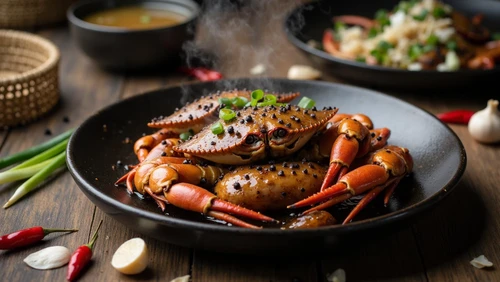
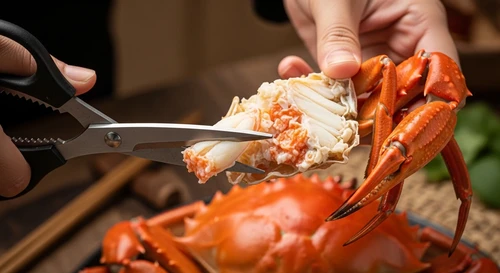
A crimson treasure hidden within a shell, boasting rich, creamy roe that melts on your tongue like a golden sunset over the delta.
This dish often favors the female crab, prized for its rich, creamy roe (gạch) which contributes a luxurious texture and depth of flavor to the broth. The roe, in traditional Vietnamese and Chinese medicine, is considered a powerhouse of nutrients, believed to fortify blood and boost vitality.
2 The Elixir's Core: Chinese Herbs & Goji
The soul of this dish lies in its carefully selected blend of herbs. These aren't just for flavor; they are chosen for their perceived health benefits, a practice deeply rooted in Traditional Chinese Medicine (TCM) that has become an integral part of Southern Vietnamese cuisine.
Goji Berries (Câu Kỷ Tử)
These vibrant red berries are famous for their antioxidant properties. In TCM, they are believed to nourish the liver and kidneys, improve eyesight, and boost the immune system. Their subtle sweetness also complements the crab.
Jujubes (Táo Tàu)
Also known as Chinese dates, these dried fruits add a natural sweetness and a slight chewiness. They are associated with calming the spirit (Shen) and tonifying blood, making them perfect for dishes aimed at restoring energy.
Angelica Sinensis (Đương Quy)
A cornerstone herb in women's health, Dang Gui is renowned for its blood-nourishing and blood-circulating properties. It adds a complex, slightly earthy aroma to the broth.
Solomon's Seal (Ngọc Trúc)
Often used to moisten the lungs and stomach, this herb contributes a delicate, slightly sweet, and subtly floral note to the broth, enhancing its overall smoothness.
White Peony Root (Bạch Thược)
This herb is often paired with Angelica Sinensis to balance its warming properties and is believed to help with blood and Qi (vital energy) deficiency.
Ginseng (Nhân Sâm - optional)
For an extra boost of vitality, a small piece of dried ginseng can be added. Its renowned energy-revitalizing properties are a natural fit for this nourishing dish.
The combination creates a broth that is both savory and subtly sweet, incredibly aromatic, and imbued with the goodness of nature's pharmacy.
3 Simmering the Essence
This is not a dish rushed. It requires patience, allowing the flavors to meld and the crab's natural sweetness to infuse the herbal broth. The process is as much about intention as it is about execution.
Ingredients Checklist
- 1 Live Mud Crab (preferably female with roe)
- 1-1.5 liters of water (or chicken/pork broth for extra depth)
- 15-20g Goji Berries
- 3-5 Dried Jujubes
- 5-10g slices of Angelica Sinensis (Dang Gui)
- 5-10g slices of Solomon's Seal (Ngoc Truc)
- (Optional) 5g White Peony Root (Bach Thược)
- (Optional) A small piece of dried Ginseng
- Pinch of salt (to taste)
- Pinch of white pepper
Preparation Steps
- Clean and Prepare the Crab: Thoroughly wash the live crab. Separate the body from the claws and legs. Clean the underside and remove the gills and the "dead man's fingers" (spongy gray parts). Crack the body in half if large.
- Rinse Herbs: Gently rinse all dried herbs and berries to remove any dust.
- Simmer the Broth: In a pot, combine the water (or broth) with all the dried herbs and jujubes. Bring to a boil, then reduce heat and simmer for at least 30 minutes to allow the herbal flavors to infuse.
- Add Crab and Roe: Add the prepared crab pieces and the goji berries to the simmering herbal broth. If using roe, gently separate it and add it as well.
- Cook Gently: Cover the pot and let it simmer for another 15-20 minutes, or until the crab is fully cooked and the shell turns a vibrant orange-red. The roe should be cooked through but remain creamy.
- Season: Season with a pinch of salt and white pepper to taste. The herbal broth should be naturally slightly sweet, so adjust salt carefully.
- Serve: Ladle the crab, roe, and plenty of the fragrant broth into individual bowls. Serve immediately.
4 A Taste of Tradition in the Delta
In the Mekong Delta, food is rarely just about sustenance. It's a celebration of the land's bounty, a carrier of tradition, and a means of nurturing loved ones. Dishes like this herbal crab stew are often prepared for those recovering from illness, new mothers, or during times when extra strength is needed. The slow simmering process, the careful selection of ingredients, and the intention behind preparing the dish all contribute to its restorative power.
You might find variations of this stew in local markets or specialty eateries, often with slightly different herb combinations depending on the cook's family tradition or the season. It’s a testament to how deeply medicinal principles are integrated into the everyday culinary landscape of Western Vietnam. The rich, slightly sweet, and deeply aromatic broth is considered a warming and vitalizing tonic, perfectly suited to the humid climate of the delta, which often leaves people feeling drained.
5 Chef's Notes for Optimal Vitality
🌿 Sourcing the Herbs:
🦀 Crab Quality is Key:
⏳ Patience for Flavor:
🥣 Serving Suggestion:
6 More Mekong Flavors to Explore
The Mekong Delta is a treasure trove of culinary wonders. Beyond this nourishing crab stew, discover other regional specialties that capture the spirit of this fertile land:
- Fermented Mangrove Crab (Ba Khia): A uniquely pungent and savory delicacy, often enjoyed with rice.
- Ca Mau Mudskipper: These amphibious fish are a local favorite, usually grilled with spicy salt.
- Mekong Giant Freshwater Prawns: Prized for their size and rich head fat, perfect for grilling.
- Fermented Sour Shrimp (Mam Tom Chua): A vibrant paste with chili and garlic, served with fresh herbs and meats.
Each dish tells a story of the rivers, the soil, and the resourceful people who call the Mekong home.
7 A Culinary Inheritance
This Herbal Stewed Mud Crab is more than just a recipe; it's a legacy passed down through generations. It embodies the Vietnamese philosophy of food as medicine, where simple ingredients are transformed into powerful remedies through thoughtful preparation and time-honored techniques. In a region defined by its waterways and rich agricultural output, this dish stands as a beautiful example of how the Mekong Delta honors its bounty, turning the gifts of the sea and the earth into a source of profound nourishment and well-being.
The Last Sip: Beyond the Ingredients
It's the quiet simmer, the aroma filling your kitchen, the vibrant colors of the herbs and crab, and finally, that soul-warming broth. This dish is a reminder that sometimes, the most powerful remedies are found in the simplest, most natural forms, presented with respect and care. It's a taste of the Mekong's deep connection to health and harmony.