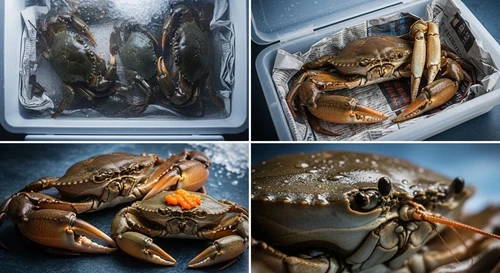
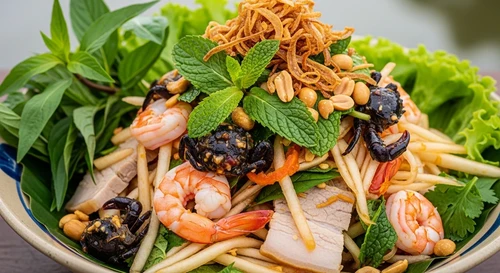
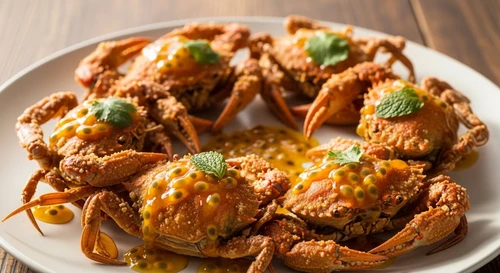
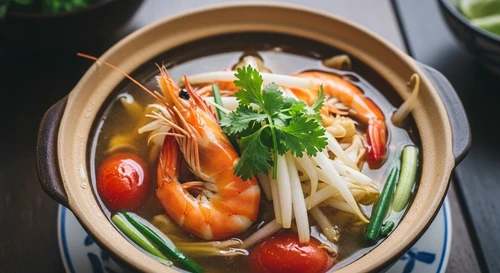
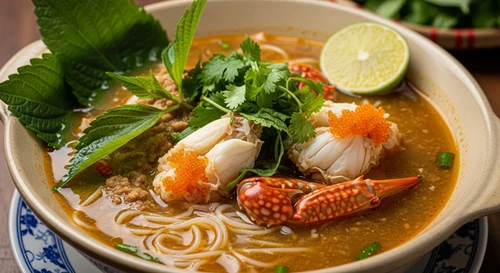
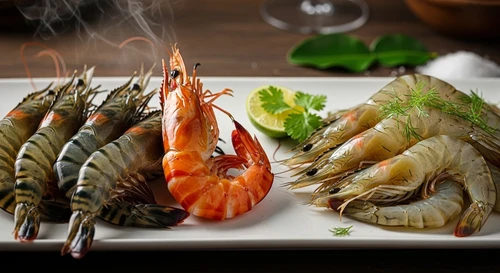
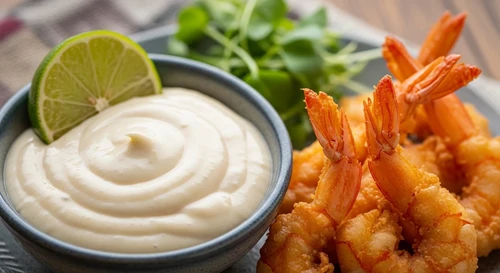
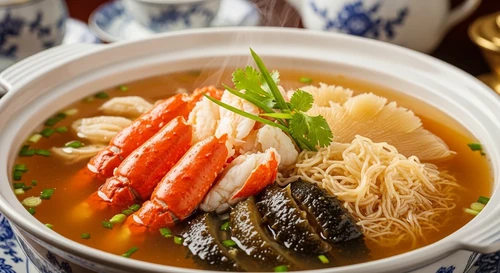
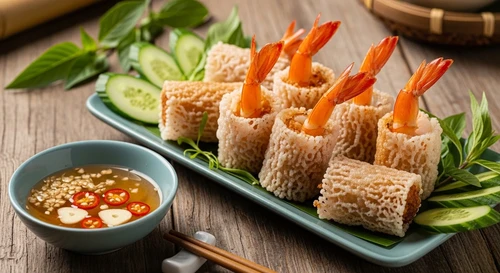
" Forget lobster and caviar. In the heart of the Mekong Delta, the true luxury is found in the mud. These humble creatures, often overlooked, transform into a dish of sublime richness, a testament to the ingenuity of riverine cuisine. "
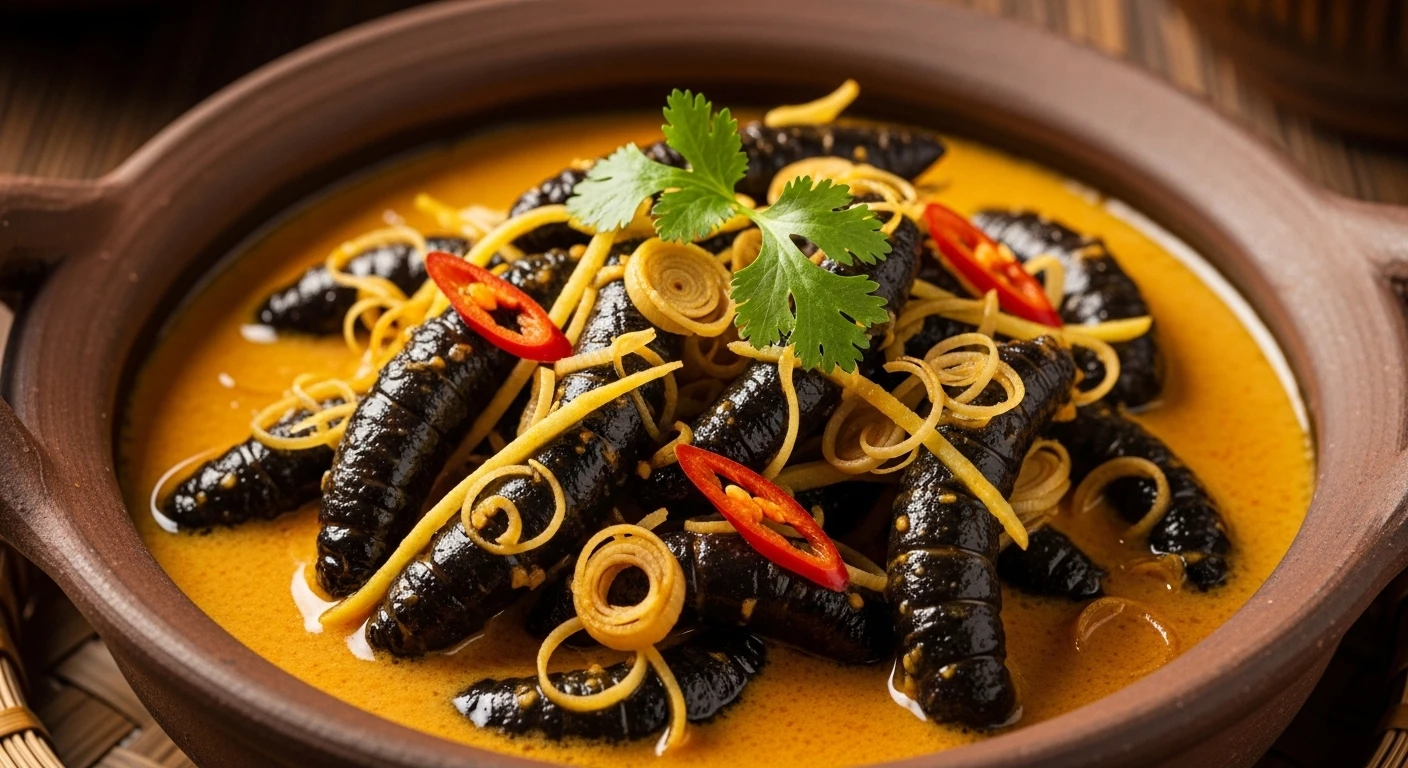
📸 The Golden Embrace: Creamy coconut milk coating the tender mud creeper meat.
1 From Mire to Masterpiece
The Mekong Delta, a sprawling network of rivers, canals, and lush paddies, is a cradle of biodiversity. Among its less celebrated inhabitants are the 'mud creepers' – small, bottom-dwelling creatures that thrive in the silty embrace of the delta's waterways. While their appearance might be deceiving, these are not just any snails or small crustaceans. They are a delicacy, especially in provinces like Ca Mau and Bac Lieu, where their unique texture and ability to absorb flavor make them a star ingredient in rustic, yet sophisticated, local dishes.
Harvesting mud creepers is often a labor of love, involving skilled local fishermen who know the riverbeds intimately. They are typically found in brackish or freshwater environments, often near mangrove fringes or rice fields, where the rich organic matter provides sustenance. Their shells are often darker, blending with the mud, a natural camouflage that belies the sweet, succulent meat hidden within.

Heritage Ingredient
Ca Mau Mudskipper
Ca Mau Mudskipper
A mangrove mudskipper from Ca Mau, often grilled with chili salt and featured in articles about unusual delta seafood and mudflat ecosystems.
The acrobatic spirit of the mudflats, delivering a fragrant, smoky flesh that embodies the untamed beauty of Ca Mau's mangrove world.
2 The Creamy Embrace
The true alchemy of this dish lies in its sauce. Rich coconut milk, freshly pressed, forms the luxurious base. It's not merely about sweetness; it's about a velvety texture that coats every morsel, tempering any residual earthiness from the mud creeper. To this, we introduce the piercing, aromatic fragrance of lemongrass. Smashed to release its essential oils, lemongrass cuts through the richness, adding a bright, zesty counterpoint that is quintessentially Vietnamese.
Ginger joins the party, adding a gentle warmth and a subtle spicy kick that complements the sweetness of the coconut and the unique flavor of the mud creepers. A touch of chili, if desired, can elevate the dish further, adding a fiery whisper that awakens the palate. This is not a heavy curry; it's a delicate dance of aromatics and rich dairy, designed to showcase, not mask, the star ingredient.

Heritage Ingredient
Fermented Sour Shrimp (Mekong Style)
Fermented Sour Shrimp (Mekong Style)
A Southern Vietnamese fermented shrimp preserve made with garlic, chili, and shredded green papaya, often served with boiled pork, rice paper, or plain rice.
A vibrant dance of flavors—sour, spicy, and sweet—where tender shrimp and crunchy papaya create a masterpiece of Southern preserved heritage.
3 The Symphony of Flavors
Ingredients:
- 500g Mud Creepers (cleaned thoroughly)
- 1 can (400ml) full-fat coconut milk
- 3-4 stalks lemongrass, tough outer layers removed, finely chopped or smashed
- 1 inch ginger, peeled and julienned or finely chopped
- 1-2 bird's eye chilies, thinly sliced (optional, adjust to taste)
- 1 tablespoon fish sauce (or to taste)
- 1 teaspoon sugar (or to taste)
- 1 tablespoon cooking oil (e.g., vegetable or coconut oil)
- Freshly chopped cilantro or spring onions for garnish
The Secret Technique (Slurping):
The key is to cook them until the meat is tender and has absorbed the sauce. Then, with your lips around the shell opening, a quick, sharp suck should draw out the meat in one glorious piece.
Pro-Tip (Aromatics):
- For an even more intense lemongrass aroma, lightly bruise the stalks before chopping.
4 Crafting the Dish
The Prep
Thoroughly clean the mud creepers. Many recipes suggest soaking them in salted water for an hour or two to help purge any impurities. Drain well.
The Sauté Base
Heat the cooking oil in a wok or a large pan over medium heat. Add the chopped lemongrass and ginger. Stir-fry for about 1-2 minutes until fragrant, being careful not to burn them.
Introduce the Stars
Add the cleaned mud creepers to the wok. Stir-fry for 2-3 minutes to lightly sear them.
The Coconut Bath
Pour in the coconut milk. Add fish sauce and sugar. If using chilies, add them now. Stir well to combine.
Simmer to Perfection
Bring to a gentle simmer. Cook uncovered for 10-15 minutes, or until the sauce has thickened slightly and the mud creeper meat is cooked through and tender. Stir occasionally. Taste and adjust seasoning if necessary.
Serve
Serve hot, garnished with fresh cilantro or spring onions. This dish is typically enjoyed with steamed rice to soak up the delicious sauce, or simply slurped straight from the shell.
5 A Taste of River Life
In the Mekong Delta, food is more than sustenance; it's a connection to the land and water. Dishes like this mud creeper specialty embody that connection. Imagine sitting by a canalside eatery, the humid air thick with the scent of cooking, the gentle lapping of water against wooden boats. This is where such flavors are born and cherished.
Often, these meals are shared, a communal experience that strengthens bonds. Families gather, stories are exchanged, and the simple act of eating becomes a celebration of their way of life. The mud creeper dish, with its rich flavors and satisfying texture, is a perfect representation of this unpretentious yet deeply satisfying Delta cuisine. It reminds us that the most exquisite tastes can often be found in the most unexpected places, nurtured by tradition and a profound respect for nature's bounty.
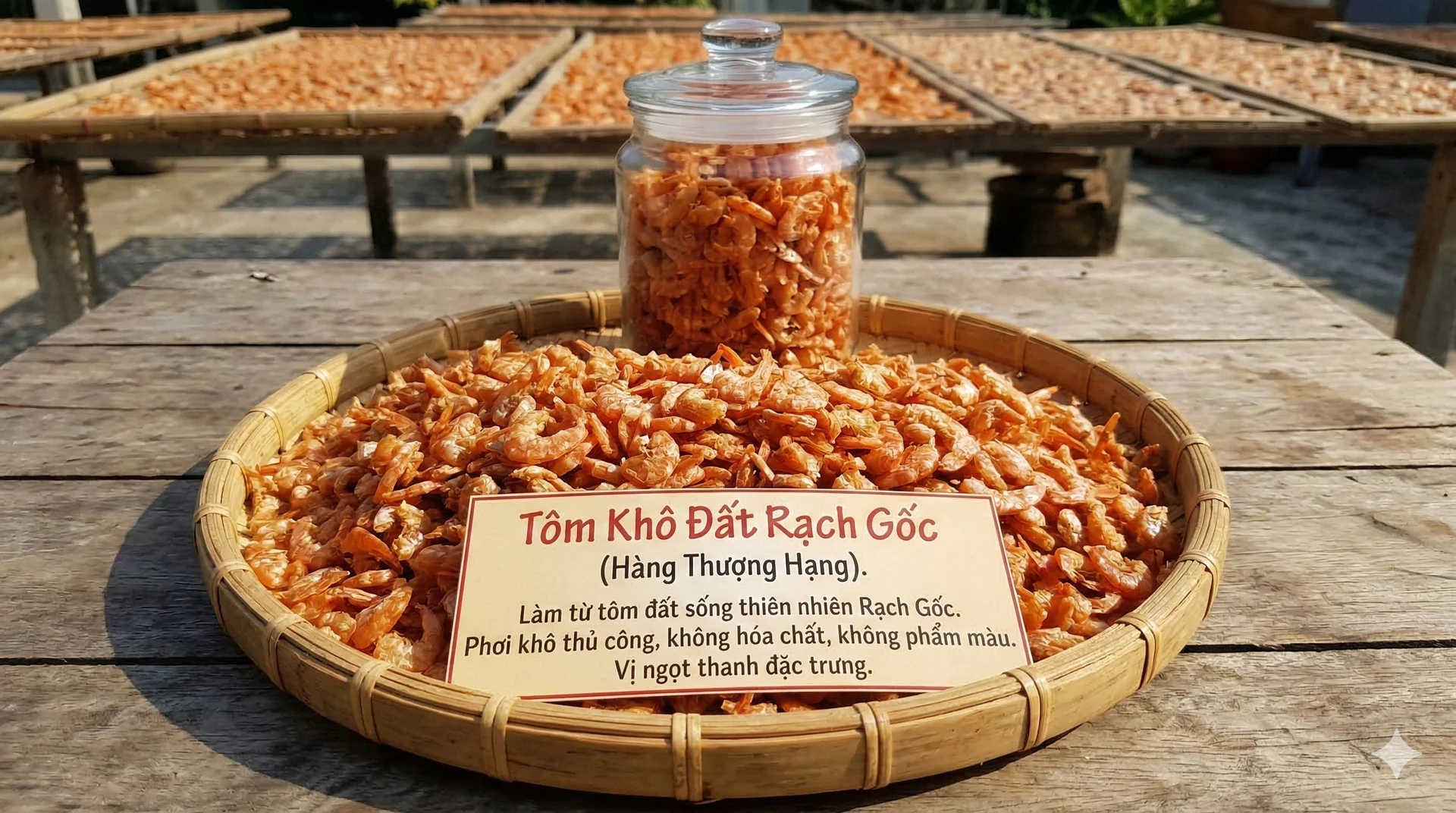
Heritage Ingredient
Sun-Dried Wild Shrimp from Rach Goc
Sun-Dried Wild Shrimp from Rach Goc
Traditional dried shrimp made from small wild shrimp, valued for natural sweetness and commonly used in Vietnamese salads, soups, and festive dishes.
Concentrated sunlight and sea salt in every bite, these crimson gems offer a deep, umami sweetness that whispers tales of Rach Goc's golden shores.
6 The Art of the Slurp
The "secret to slurping out mud creeper meat in one go" is not a complex culinary technique, but rather an understanding of physics and timing. When cooked to tender perfection, the meat detaches easily from its shell. The trick is in the vacuum created by your lips and the sharp, focused suction.
The Seal
Form a tight seal with your lips around the opening of the shell. Ensure no air can escape.
The Pull
Apply a strong, sudden suction. Imagine you're trying to drink a thick milkshake through a straw. The pressure difference should pull the meat clean out.
Practice makes perfect. Even if you don't get it on the first try, the delicious sauce and tender meat are worth the effort. It's part of the fun, a sensory engagement with your food that elevates it beyond mere consumption.
7 What to Drink With It
This dish, with its rich coconut base and fragrant aromatics, pairs beautifully with drinks that can cut through the richness or complement its subtle sweetness.
- Iced Vietnamese Coffee (Ca Phe Sua Da): The bold, slightly bitter coffee and creamy condensed milk provide a perfect contrast.
- Fresh Coconut Water: A nod to the coconut milk in the dish, it's refreshing and natural.
- Light Lager Beer: A crisp, cold beer, especially a Vietnamese brand like Bia Saigon or Tiger, is always a classic accompaniment to Mekong Delta seafood.
- Herbal Teas: Consider teas like jasmine or lotus for a lighter, aromatic experience.
8 Beyond the Basics
While the coconut milk and lemongrass version is a beloved classic, variations exist. Some cooks might add a splash of shrimp paste (mắm tôm) for an extra layer of umami, or a touch of tamarind paste for a subtle tang. The key is always to respect the natural flavor of the mud creeper, allowing it to shine through the rich, aromatic sauce. This dish is a testament to the resourcefulness and culinary wisdom of the Mekong Delta, transforming humble ingredients into a feast for the senses.
Craving More Delta Flavors?
Explore the exotic tastes and textures of the Mekong. Discover dishes that are as rich in culture as they are in flavor.
🚀 Explore More Mekong Delicacies