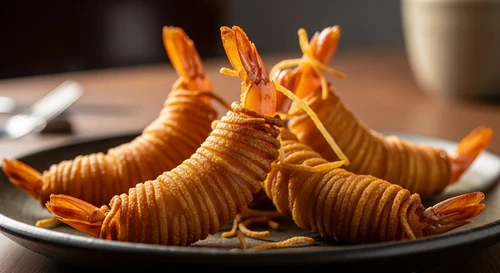
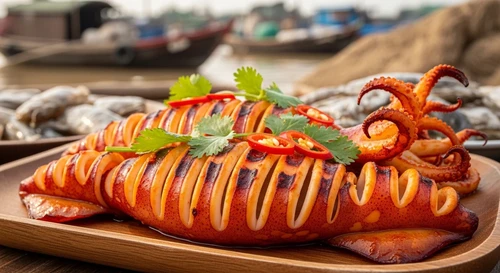
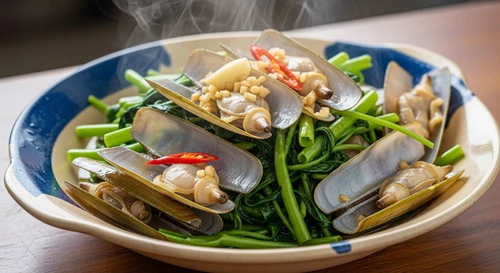
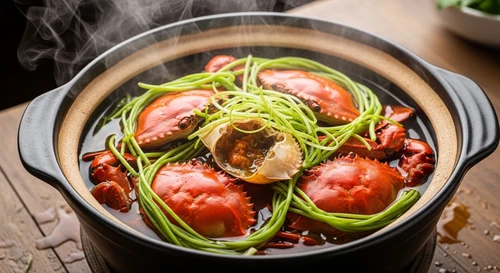
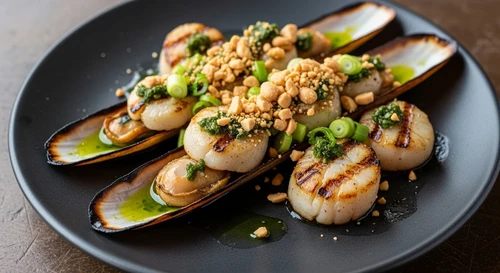
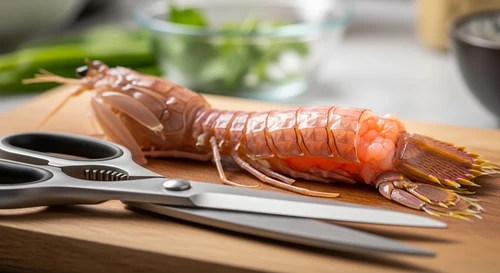
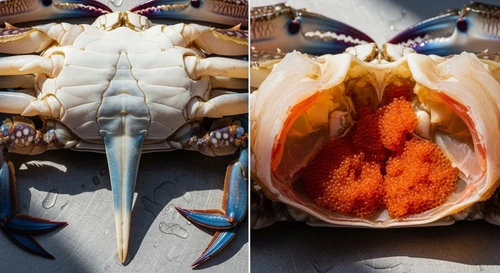
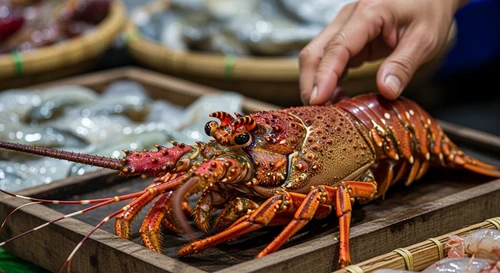
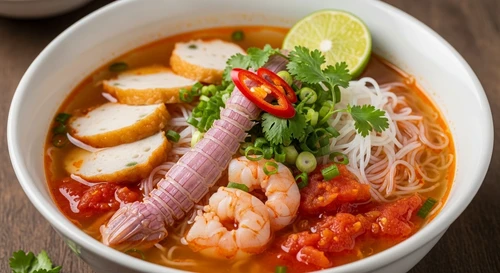
" The Mekong Delta is a treasure trove of seafood, and among its spiky, armored delights, the mantis shrimp (or 'tom tit' locally) stands out. But wrestling with those sharp spines? It's a battlefield. Not anymore. "
1 The Prize: Why Mantis Shrimp Are Worth the Effort
In the labyrinthine waterways of the Mekong Delta, where life ebbs and flows with the tide, you’ll find an abundance of oceanic bounty. Among the stars are the mantis shrimp, known in Vietnamese as 'tôm tít' or 'bọ ngựa' (sea horse), a moniker that hints at its unique, almost alien, appearance. Don't let its fierce exterior fool you. Inside, it hides a treasure trove of sweet, firm, almost lobster-like flesh.
Taste Profile
The meat is exceptionally sweet and firm, with a delicate briny finish. It's often compared to prawn and lobster, but with a unique sweetness that's distinctly its own.
Mekong Connection
Found in the coastal areas and brackish waters of Ca Mau and Bac Lieu provinces, these crustaceans are an integral part of the local diet, often enjoyed simply steamed or grilled.

Historically, the challenging nature of peeling them has kept them somewhat of a delicacy, reserved for those in the know or those willing to endure a few pricks. But what if there was a way to skip the struggle and dive straight into the reward?
2 Unleash the Kitchen Shears
Forget fancy tools and complex techniques. The secret to effortlessly peeling mantis shrimp, just like the seasoned vendors at the Cai Rang floating market or the bustling seafood stalls in Rach Gia, lies in a humble pair of kitchen scissors. Not just any scissors, mind you – sturdy, sharp kitchen shears are your best friend here.
The Essential Tool
- Sharp Kitchen Scissors: This is non-negotiable. A dull blade will make this task frustrating and potentially dangerous.
- A Cutting Board: For stability and to protect your countertops.
- A Bowl: To collect the peeled shrimp.
The Preparation
- Fresh Mantis Shrimp: The fresher, the better. Ideally, they should be lively.
- Optional: Ice Bath If you find it difficult to handle live shrimp, a quick dip in an ice bath can make them more docile.
3 Mastering the Technique: From Spiky to Succulent
Identify the Spines
Lay the mantis shrimp on its side. You'll see a row of sharp, pointy spines along its lateral edges. These are the primary culprits.
Snip the Sides
Using your scissors, carefully snip off the entire row of side spines, starting from just behind the head all the way to the tail. You'll be cutting through the shell segments.
The Tail Grab
Now, hold the shrimp firmly by the tail. This is your anchor point.
Peel Backwards
With your other hand, gently pull the shell segments backward, away from the tail, towards the head. The snipped spines create an opening, allowing the shell to slide off easily.
The Final Reveal
The shell should peel away cleanly, revealing the beautiful, pinkish-orange flesh of the mantis shrimp. Discard the shell and any remaining small, sharp bits.
4 From Delta to Dish: Simple Pleasures
Once peeled, the mantis shrimp is ready to be enjoyed in its purest form. The beauty of this seafood lies in its natural flavor, which needs very little adornment.
Serving Suggestions
Steamed
The classic method. Steam for 5-7 minutes until the flesh turns opaque and pink. Serve with a simple dipping sauce.
Grilled
Marinate briefly with garlic and a touch of fish sauce, then grill over charcoal for a smoky depth.
Salt & Pepper
A common Vietnamese preparation where the shrimp are stir-fried quickly with garlic, chili, salt, and pepper.
A simple mix of fresh lime juice, a pinch of sea salt, and freshly ground black pepper is perfection. Add sliced chili for those who like a kick.
5 The Delta Way: Respecting Nature's Bounty
In the Mekong Delta, food is more than just sustenance; it's a connection to the land and water that provide it. The emphasis is on fresh, seasonal ingredients and preparations that highlight their natural flavors. This philosophy extends to even the smallest creatures, like the mantis shrimp. Our approach to peeling it, using simple tools and a direct method, mirrors the pragmatic and respectful culinary traditions of the region. It’s about getting to the heart of the ingredient without unnecessary fuss, a lesson learned from generations of resourceful cooks navigating the rich, watery landscape.
The dexterity required to peel these creatures highlights the skill honed by generations of fishermen and market vendors. This hack doesn't just save you time and pain; it offers a glimpse into the practical culinary wisdom that flourishes along the Mekong's vast network of rivers and canals.
6 Pro-Level Insights
🦐 Can I use this on other shellfish?
🔪 What if my scissors aren't sharp enough?
🧐 Is it safe to eat 'tôm tít' from anywhere?
7 A Universal Kitchen Problem
While we focus on the 'tôm tít' of the Mekong Delta, the challenge of peeling spiky crustaceans is a global one. From langoustines in Scotland to rock lobsters in the Caribbean, the struggle to access sweet meat without injury is a common culinary hurdle. This scissor-based technique offers a practical, universally applicable solution for anyone looking to enjoy these ocean treasures with less fuss and more flavor. It's a testament to how simple tools, wielded with the right knowledge, can unlock culinary delights across continents.
8 Your Kitchen, Now a Masterclass
Don't let the formidable exterior of the mantis shrimp intimidate you any longer. With a good pair of kitchen scissors and this simple, vendor-approved technique, you can unlock its delicious secrets quickly and safely. It’s a small hack that makes a big difference, transforming a potentially messy task into an efficient prelude to a truly delightful meal. So, next time you encounter these armored gems, reach for your shears and enjoy the sweet reward.