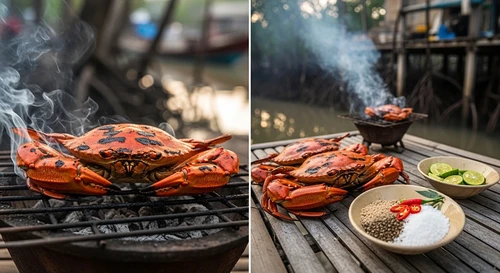
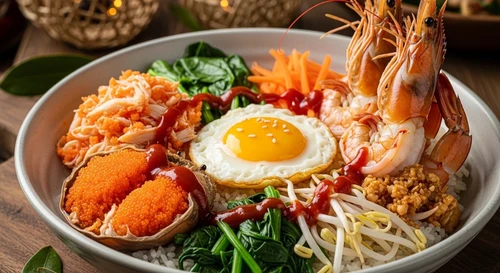
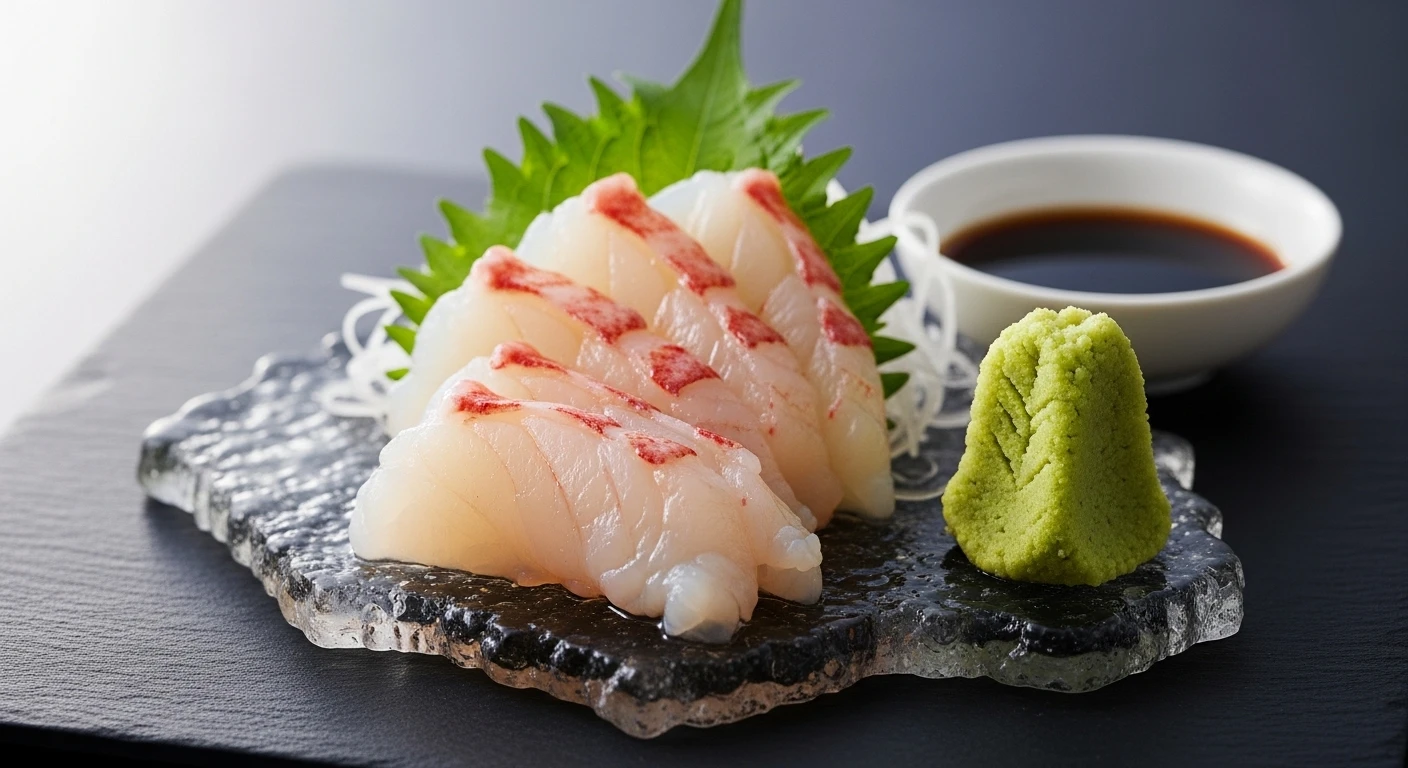
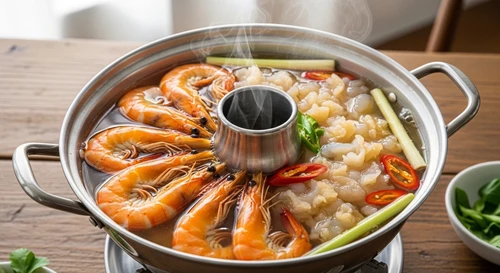
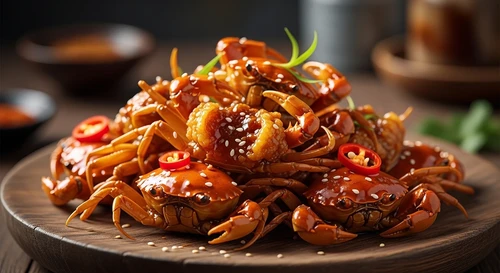
" This is the kind of dish that whispers stories of home, of slow afternoons by the river, of patience rewarded with pure, unadulterated deliciousness. It's humble, it's honest, and it's utterly captivating. "
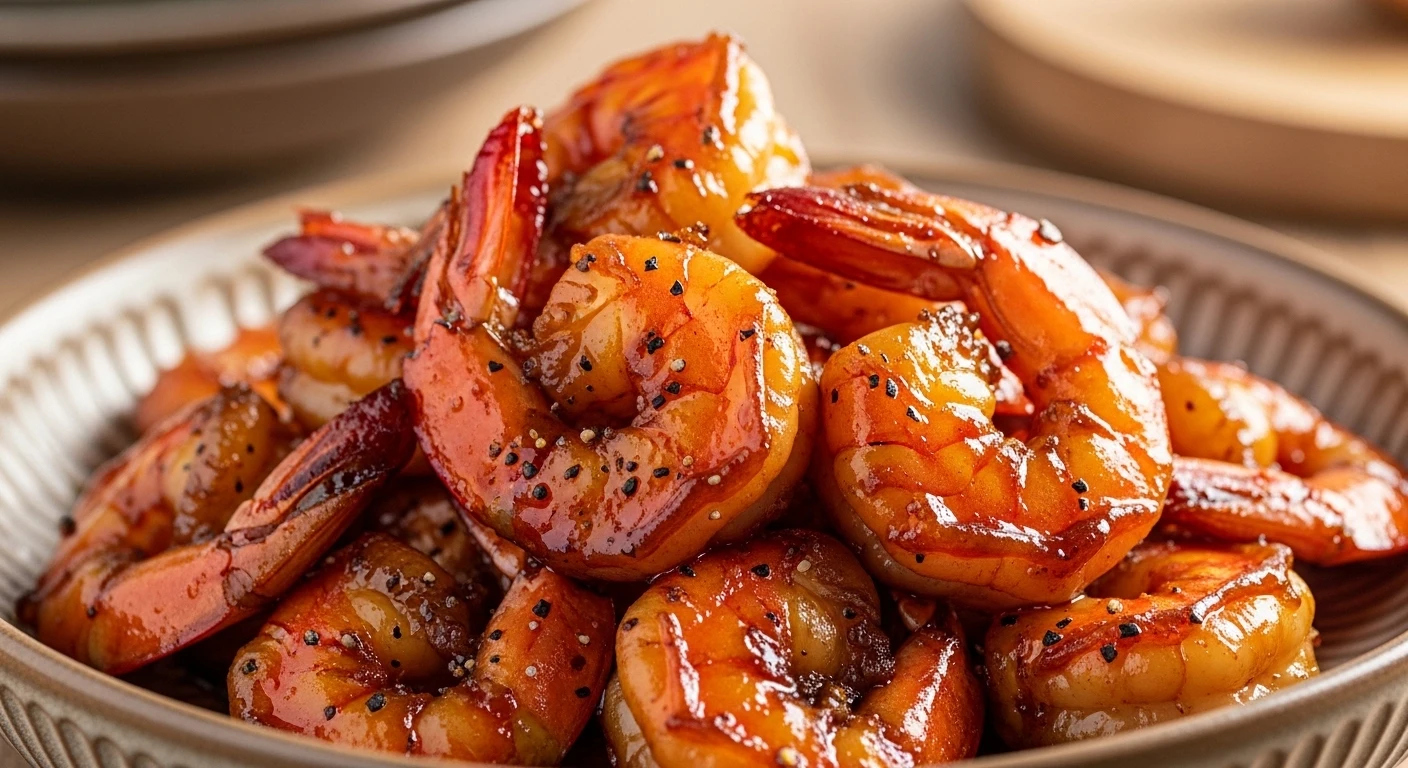
📸 The magic happens in the reduction: sticky, sweet, and savory perfection.
1 Where the Rivers Meet the Sea: A Taste of the Delta
The Mekong Delta, a vast labyrinth of rivers, canals, and fertile floodplains, is Vietnam's rice bowl and a treasure trove of fresh seafood. It's a region where lifeblood flows from the water, and the cuisine reflects this deep connection. Dishes like Tom Rim Nuoc Dua are not just recipes; they are culinary postcards from this vibrant landscape.
The sweetness of fresh coconut water, readily available from the ubiquitous coconut palms that dot the Delta's coast and islands, is a natural complement to the briny kiss of freshly caught shrimp. This isn't about complex sauces or fiery spices; it's about coaxing out the inherent flavors of the ingredients. Think of the simple, sun-drenched lives of the people here – their food often mirrors that elegance. It's food that nourishes the body and soothes the soul.
The Ingredient: Shrimp
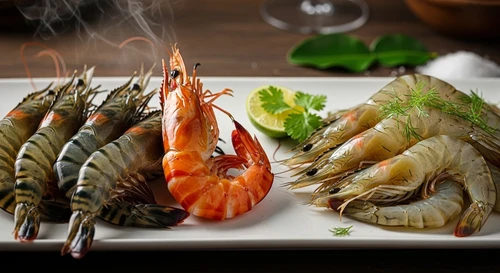
In the Delta, shrimp aren't just farmed; they thrive in the brackish waters where freshwater meets the sea. Whether it's the common Whiteleg Shrimp, perfect for everyday cooking, or the more prized Ca Mau Black Tiger Shrimp, their freshness is paramount. For this dish, peeled, deveined shrimp are ideal, allowing them to absorb the flavors beautifully.
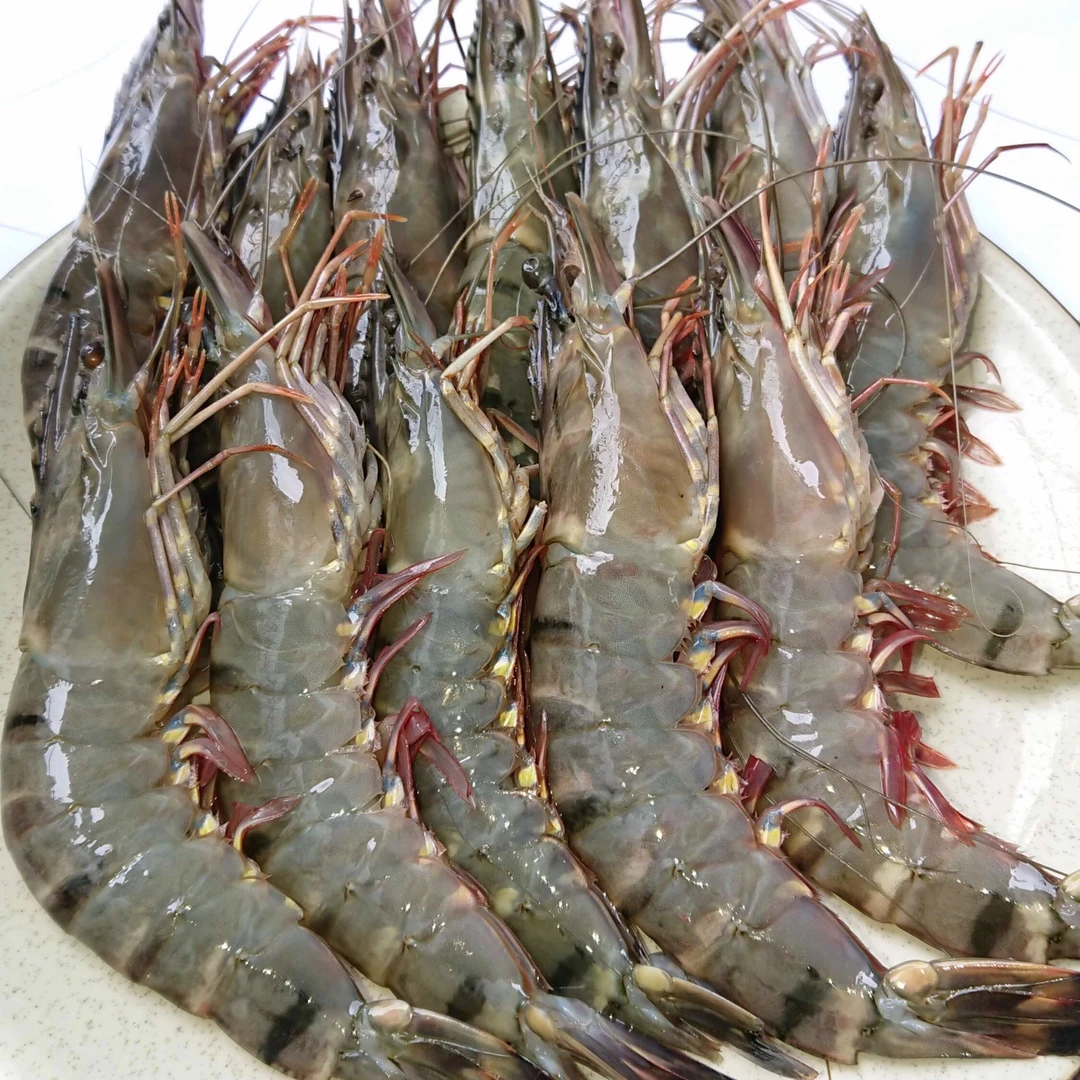
Heritage Ingredient
Whiteleg Shrimp
Whiteleg Shrimp
A widely used shrimp in Vietnamese home kitchens, suitable for stir-fries, soups, steamed dishes, and practical cooking articles that need a familiar shrimp reference.
Translucent jewels of the coast, thin-shelled and remarkably sweet, making every simple home meal feel like a seaside celebration.
The Liquid Gold: Coconut Water
Fresh, young coconut water is key. It's naturally sweet with a subtle nutty undertone, far superior to bottled versions. It provides the perfect base for the caramelization process, lending a delicate sweetness that balances the savory notes of the shrimp and the peppery punch.
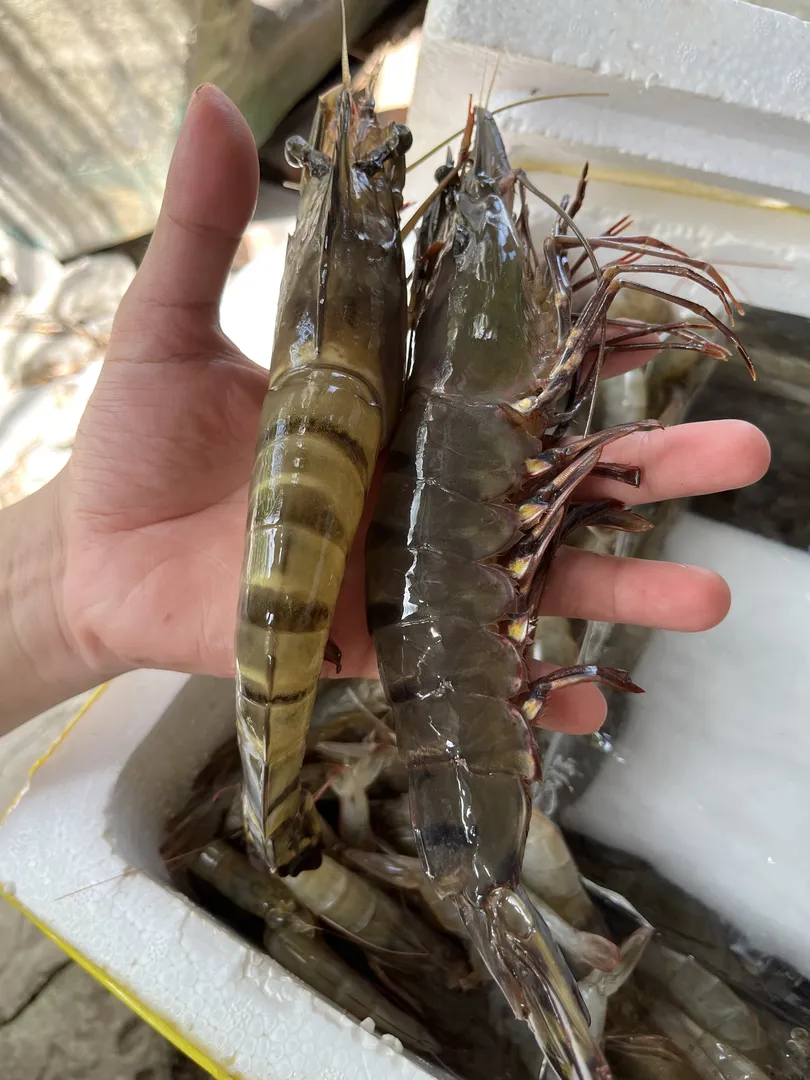
Heritage Ingredient
Ca Mau Black Tiger Shrimp
Ca Mau Black Tiger Shrimp
Large black tiger shrimp associated with mangrove aquaculture in Ca Mau, known for firm flesh and a cleaner, sweeter finish than intensively farmed shrimp.
Wild spirits of the mangroves, these black-banded gems deliver a firm, snappy texture and a sweetness that echoes the forest's vibrant life.
2 The Slow Simmer: Building Layers of Flavor
This isn't a rapid stir-fry; it's a patient dance between heat and liquid. The goal is to reduce the coconut water slowly, allowing the natural sugars to concentrate and cling to the shrimp, creating that irresistible sticky, sweet, and savory coating. It’s a technique that requires observation and a gentle hand.
Imagine the aroma filling your kitchen: the sweet brine of the shrimp mingling with the subtle tropical notes of coconut water, all punctuated by the sharp bite of freshly cracked black pepper. It's a perfume that instantly transports you. The texture is as crucial as the taste – the shrimp should be tender, not overcooked, enrobed in a glistening glaze that begs to be spooned over a bed of fluffy jasmine rice.
3 The Magic Ingredients
The Stars
- Shrimp: 300-400g, peeled and deveined (medium-sized whiteleg or black tiger shrimp work best).
- Fresh Coconut Water: 250-300ml (from about 1 young coconut).
- Black Pepper: 1-2 teaspoons, freshly cracked is essential for aroma and bite.
The Supporting Cast
- Fish Sauce: 1-2 tablespoons (start with 1, adjust to taste). The soul of Vietnamese savory.
- Sugar: 1 teaspoon (optional, if your coconut water isn't sweet enough).
- Garlic: 1-2 cloves, minced (optional, for an extra layer of aroma).
- Oil: 1 tablespoon neutral oil (like vegetable or canola).
4 Crafting the Flavor
Sauté Aromatics (Optional)
If using garlic, heat the oil in a wok or a heavy-bottomed skillet over medium heat. Add minced garlic and sauté until fragrant, about 30 seconds. Be careful not to burn it.
Add Shrimp and Liquids
Add the peeled shrimp to the skillet. Pour in the fresh coconut water and fish sauce. Add the freshly cracked black pepper. If using sugar, add it now.
Simmer and Reduce
Bring the mixture to a boil, then reduce the heat to medium-low. Let it simmer, uncovered, stirring occasionally. The liquid will gradually reduce and thicken, coating the shrimp in a glossy glaze. This will take about 10-15 minutes, depending on your stove and skillet.
Taste and Adjust
Once the sauce has thickened and coats the shrimp, taste it. Adjust seasoning with more fish sauce (for saltiness/umami), a touch more sugar if needed, or more black pepper for heat. The shrimp should be just cooked through – pink and opaque.
Serve Immediately
Transfer the caramelized shrimp and their luscious sauce to a serving bowl. Serve hot, ideally with steamed jasmine rice to soak up every last drop of flavor. Garnish with fresh cilantro or thinly sliced chili if desired.
Rice is Not an Option, It's a Requirement
This dish is incomplete without a generous portion of steamed jasmine rice. The fluffy grains act as the perfect vehicle, soaking up the rich, sticky sauce. It's a marriage made in a Mekong kitchen.
For a truly authentic experience, consider serving with a side of fresh cucumber slices or blanched greens like water spinach (Rau Muong) to cut through the richness.
6 Beyond the Basics: Elevating Your Dish
Spicy Kick:
For those who love heat, add finely chopped fresh chilies (bird's eye chilies are common in Vietnam) along with the garlic or during the simmering stage. A pinch of chili flakes also works.
Aromatic Boost:
Consider adding a bruised stalk of lemongrass or a few kaffir lime leaves to the simmering liquid for an extra layer of fragrance. Remove them before serving.
The "Rim" Technique:
"Rim" essentially means to simmer until sticky and reduced. It's a common Vietnamese technique for meats and seafood, creating concentrated flavors. Master this, and you unlock a world of Vietnamese home cooking.
Shrimp Selection:
While Whiteleg shrimp are accessible, using slightly larger, higher-quality shrimp will yield a more luxurious result. The key is freshness above all else.
Common Questions
🥥 Can I use pre-packaged coconut water?
🌶️ Is this dish supposed to be spicy?
🍤 Can I use other types of seafood?
Craving More Delta Flavors?
Explore the rich tapestry of Mekong Delta cuisine. From fresh seafood to vibrant herbs, discover dishes that tell a story.
🌊 Explore Mekong Flavors