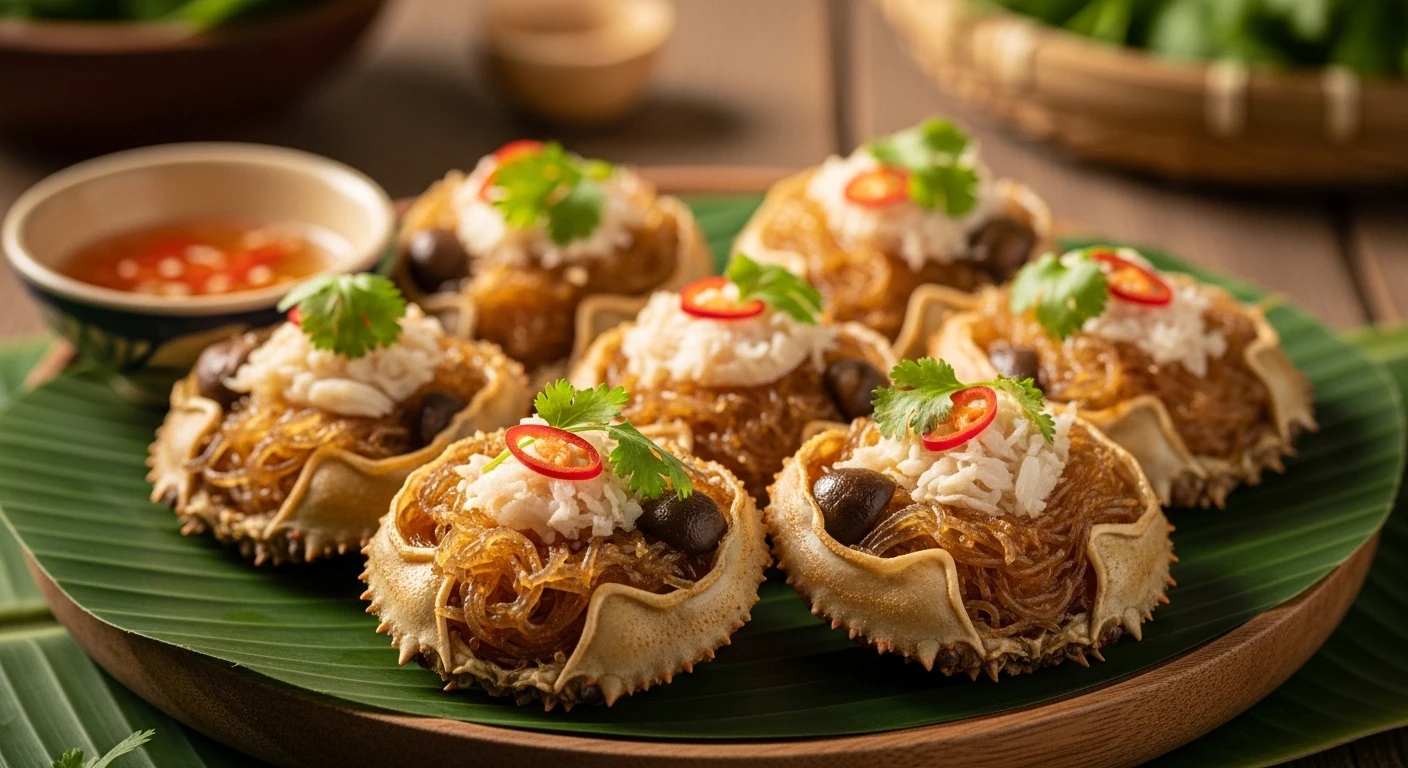
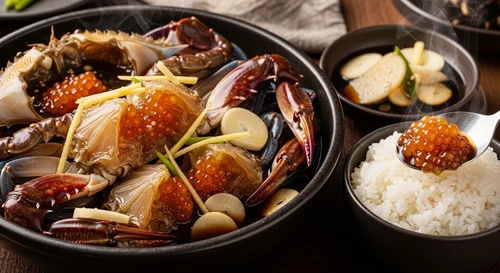
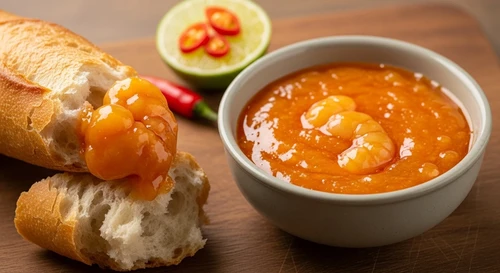
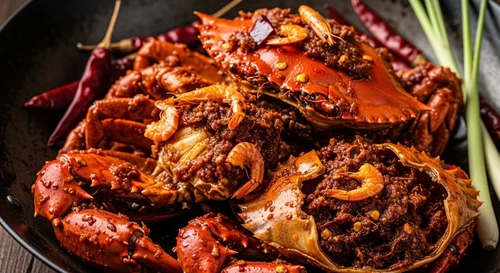
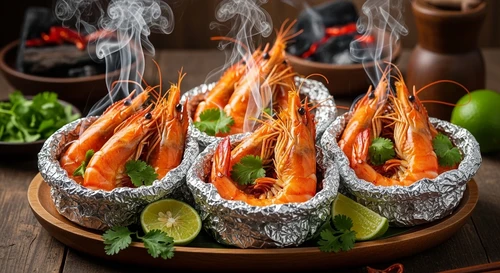
" Forget delicate plating. This is food for hungry people, for families gathered around a table groaning under its weight. This is about the joy of getting your fingers messy, and the primal urge to lick them clean. "
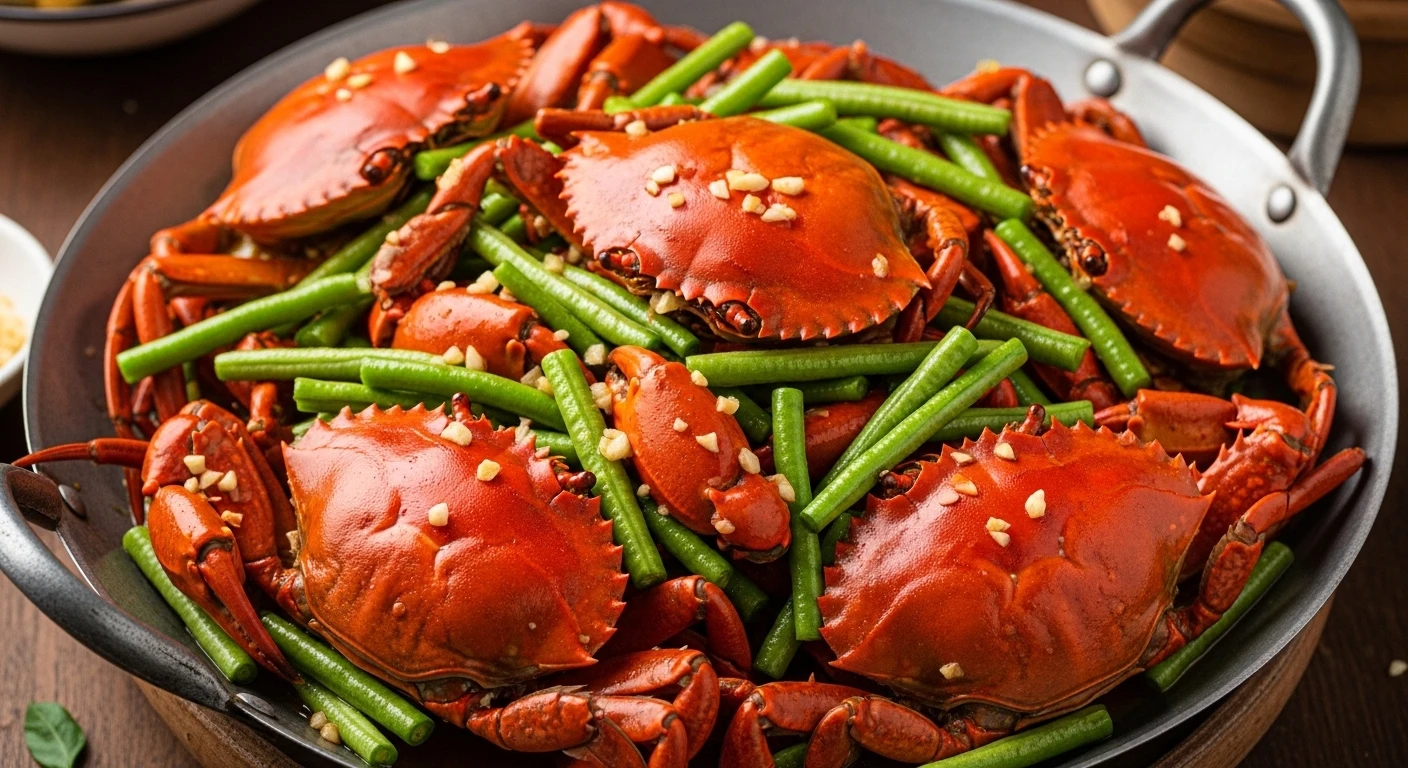
📸 The vibrant colors of a Mekong Delta bounty.
1 From Mangrove to Market: The Soul of the Crab
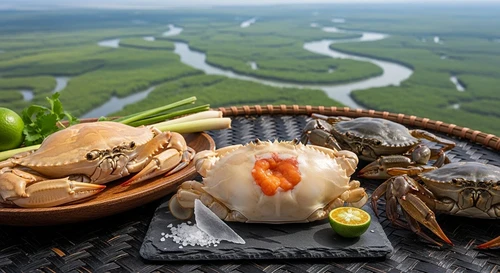
The Mekong Delta, a vast network of rivers and canals that fan out into the South China Sea, is Vietnam's agricultural heartland. But its coastline, particularly the province of Ca Mau, is a realm of dense mangroves and saline estuaries, a natural nursery for some of the country's most prized seafood. This is where our star, the "Red Blue Crab" (often referred to by its local name, simply meaning "crab" from this region), hails from. These aren't just any crabs; they are creatures shaped by the unique brackish waters, resulting in meat that is both sweet and robust, with a satisfying firmness.
Unlike the delicate, almost ethereal crab dishes found in finer dining establishments, this stir-fry is a testament to rustic culinary tradition. It's a dish born from necessity and abundance, designed to make the most of fresh catches and garden harvests. The long beans, often picked that morning from a backyard plot, provide a crisp counterpoint to the tender crab meat. This is everyday luxury, the kind that fuels hardworking families and forms the bedrock of Vietnamese home cooking.
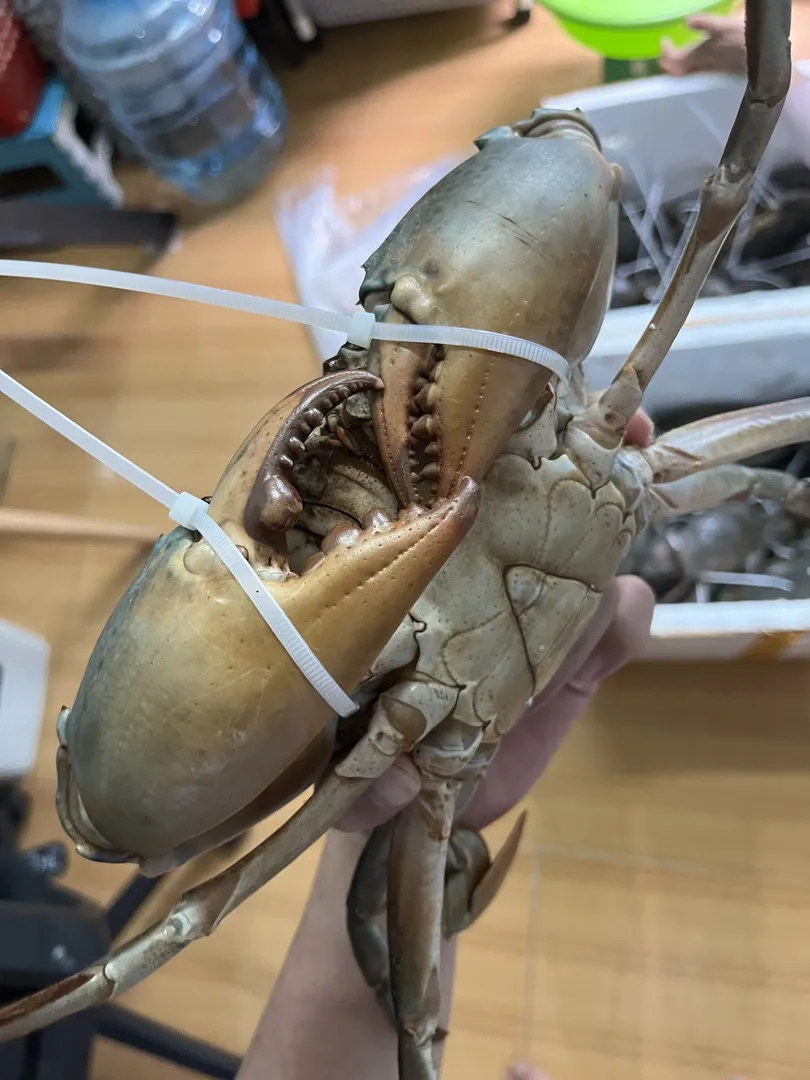
Heritage Ingredient
Ca Mau Jumbo Mud Crab
Ca Mau Jumbo Mud Crab
A large male mud crab prized for dense, sweet meat and thick claws, commonly used in steamed crab and grilled crab dishes across the Mekong Delta.
An icon of coastal culinary heritage, featuring firm, sweet meat that captures the raw power and freshness of Ca Mau's tides.
2 The Alchemy of Garlic and Long Beans
The beauty of this dish lies in its restraint. We're not drowning the crab in complex sauces. Instead, we're building a foundation of pure flavor.
Aromatic Foundation
Generous amounts of minced garlic hit a searing hot wok first. This isn't a subtle hint; it's a fragrant explosion that coats everything that follows.
The Snap of Greens
Long beans, their ends snapped off for that satisfying crunch, are stir-fried quickly. We want them vibrant green and tender-crisp, not limp and sad.
Crab's Embrace
The star arrives. Often, the crab is broken down into manageable pieces. The cooking liquid is crucial – it's the crab's own essence, mingled with a touch of water or sometimes broth.
The magic happens when these elements combine. The high heat of the wok caramelizes the garlic, the beans retain their fresh bite, and the crab meat soaks up all the delicious juices, creating a dish that is simultaneously savory, sweet, and utterly addictive.
3 High Heat, Low Fuss: The Stir-Fry Method
Prep is King
- Crab: If using live crab, ensure it's fresh and clean. Break it into pieces (legs, claws, body halves). For ease of eating, some chefs will remove the gills and apron.
- Long Beans: Wash and snap off the tough ends. Cut into bite-sized pieces (about 2-3 inches).
- Garlic: Mince a generous amount. Don't be shy.
- Aromatics: Some recipes might add a touch of ginger or chili for extra kick.
The Wok Dance
- Heat: Get your wok screaming hot. Add a neutral oil like grapeseed or peanut.
- Garlic First: Stir-fry the minced garlic until fragrant, about 15-20 seconds. Don't let it burn.
- Beans: Add the long beans and stir-fry for 2-3 minutes until they turn bright green and are still crisp.
- Crab & Liquid: Add the crab pieces. Pour in the "crab boiling water" (the reserved liquid from par-boiling the crab, or simply a mix of water and a touch of fish sauce/oyster sauce if not par-boiled).
- Simmer: Cover and let it simmer for 3-5 minutes, just enough to cook the crab through and allow the beans to absorb the flavors. The liquid should reduce slightly.
- Season: Taste and adjust seasoning with fish sauce, a pinch of sugar, or a splash of oyster sauce if needed.
4 The Secret Sauce: It's in the Water!
This is where the magic truly happens. Many Vietnamese home cooks will par-boil their crabs briefly before stir-frying. The water used for this par-boiling, often infused with aromatics like ginger and a hint of salt, becomes a flavorful elixir. This "crab boiling water" is poured back into the wok during the stir-fry.
Why is this crucial? Because it's concentrated crab essence! It carries the natural sweetness and subtle minerality of the crab, creating a sauce that is deeply infused with seafood flavor. This liquid, combined with the high heat, creates a quick, flavorful glaze that clings beautifully to both the crab and the beans. It's a brilliant example of how Vietnamese cuisine extracts maximum flavor from its ingredients with simple techniques.
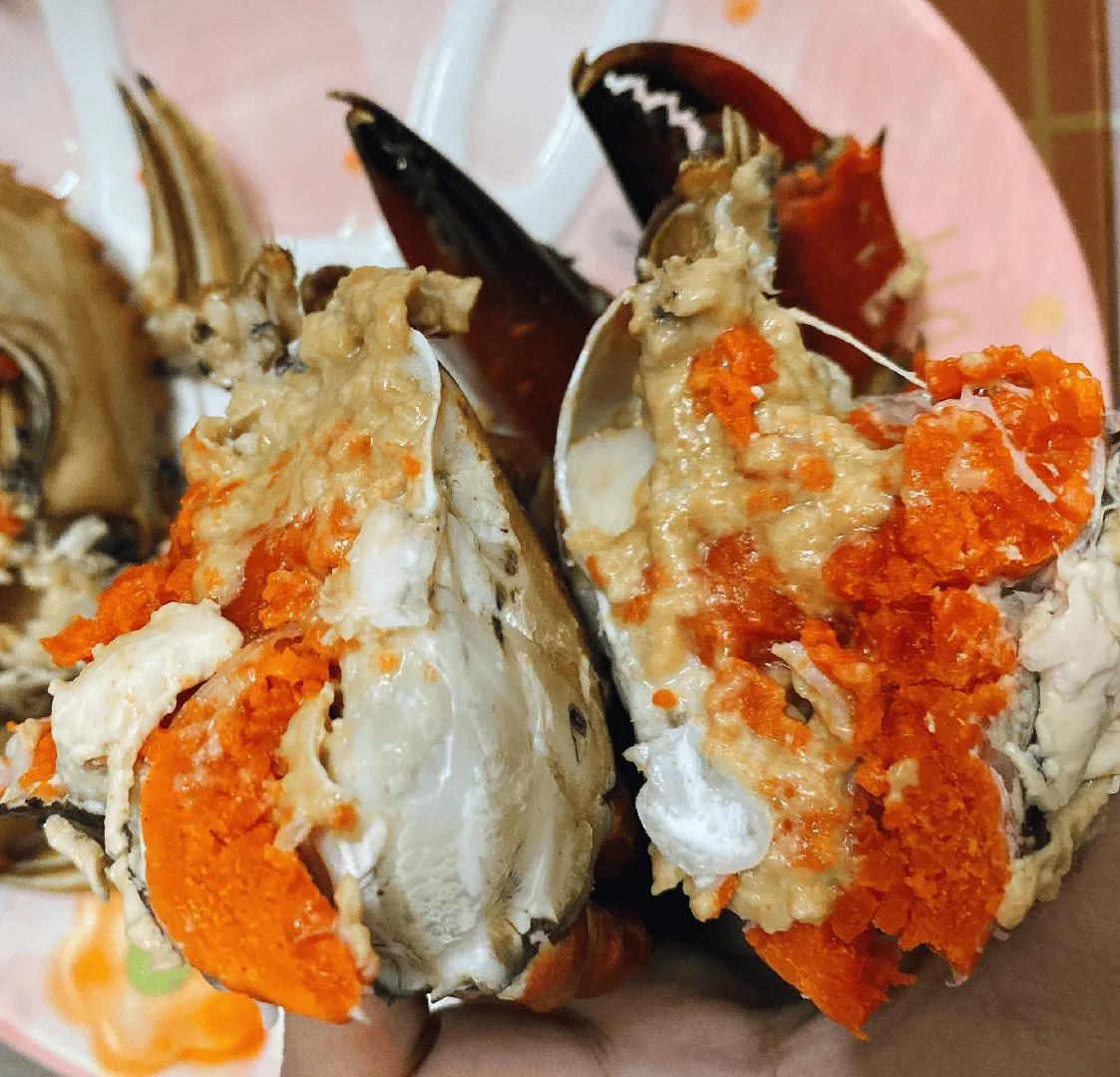
Heritage Ingredient
Ca Mau Roe Mud Crab
Ca Mau Roe Mud Crab
A female mud crab known for deep orange roe and a rich, creamy finish, often featured in celebratory Southern Vietnamese seafood meals.
A crimson treasure hidden within a shell, boasting rich, creamy roe that melts on your tongue like a golden sunset over the delta.
5 A Table of Generosity
In the Mekong Delta, meals are about sharing. This crab and long bean stir-fry is rarely a solo dish. It’s presented communally, often with a steaming mound of jasmine rice to sop up every last drop of sauce. Alongside, you might find a simple bowl of clear vegetable soup (Canh Chua, perhaps, though usually a simpler version), some pickled vegetables, or a plate of fresh herbs.
The act of eating is interactive. You'll use chopsticks to pick out the sweet crab meat, shell crackers might make an appearance for those stubborn claws, and the long beans provide a welcome crunch. There's a primal satisfaction in this kind of dining, a direct connection to the land and water that produced the food. It’s a far cry from the hurried meals of many Western cities; it's a deliberate, flavorful ritual.
6 Choosing Your Crustacean Champion
Not all crabs are created equal, especially when you're looking for that perfect stir-fry ingredient. Here's what to look for in the Mekong Delta markets:
The "Red Blue Crab" Identifier
- Weight: A good crab should feel heavy for its size, indicating firm, water-filled meat.
- Shell: Look for a firm, unblemished shell. Avoid crabs with soft spots or dull colors, as this can mean they are old or unwell.
- Movement: If buying live, vigorous movement is a sign of freshness.
Roe vs. Meat Crabs
- Roe Crab (Cua Gạch): Female crabs are prized for their rich, orange roe. This adds an incredible richness to stir-fries, but can sometimes make the dish feel heavier.
- Meat Crab (Cua Thịt): Male crabs are generally leaner with more solid, white meat. They are often preferred for dishes where the pure sweetness of the crab meat is the star.
For this stir-fry, either works beautifully. A good meat crab offers clean flavor, while a roe crab adds a luxurious, umami-rich depth. The key is freshness, regardless of gender.
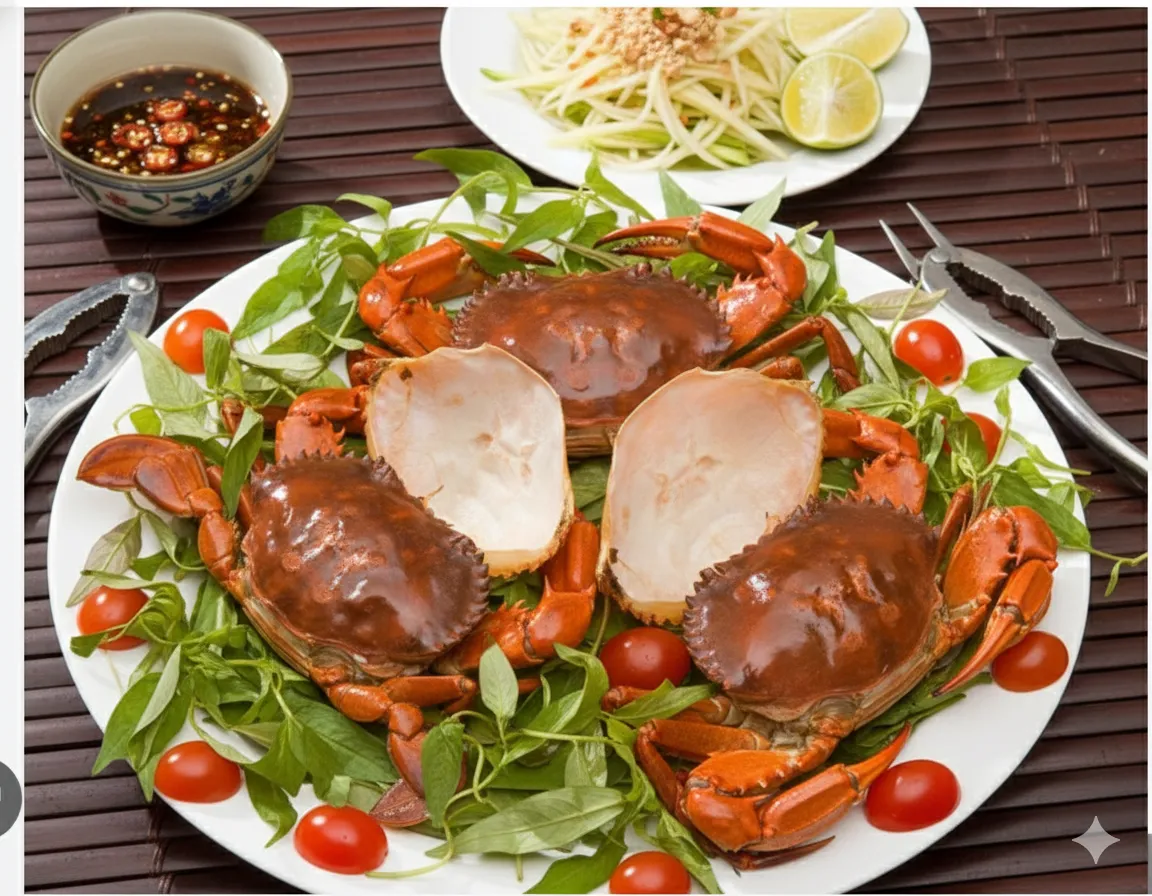
Heritage Ingredient
Soft-Shell Butter Crab (Molting Crab)
Soft-Shell Butter Crab (Molting Crab)
A rare molting mud crab from Ca Mau, valued for its edible soft inner shell and exceptionally creamy roe, making it the closest local equivalent to soft-shell crab concepts familiar abroad.
Nature's rare masterpiece—a delicate transition where a soft inner layer protects golden, custard-like roe in a fleeting moment of flavor.
7 Pro Tips for the Perfect Pot
- Don't Overcrowd the Wok: Cook in batches if necessary. Overcrowding steams the ingredients rather than stir-frying them, leading to soggy results.
- Prep Everything Before You Start: Stir-frying is fast. Have all your ingredients chopped, measured, and ready to go by the stove.
- The Sauce is Key: Taste and adjust seasoning at the very end. A good balance of savory (fish sauce), sweet (a pinch of sugar), and a touch of umami is crucial.
- Freshness is Non-Negotiable: This dish relies on the quality of the crab. Use the freshest crab you can find.
- Embrace the Mess: Don't be afraid to get your hands a little messy. It's part of the authentic experience.
8 Serve it Like a Mekong Local
This stir-fry is a main event. Serve it piping hot, straight from the wok.
- With Rice: Steamed jasmine rice is the perfect canvas to soak up the glorious sauce.
- A Simple Salad: A light, crisp cucumber or shredded cabbage salad can offer a refreshing contrast.
- Herbs: A side of fresh cilantro or Vietnamese mint can add a fragrant lift.
For drinks, think cold beer – a crisp lager like Bia Saigon or Tiger is traditional. If beer isn't your preference, iced green tea or even plain water will do. The goal is to complement, not compete with, the flavors of the crab.
Craving More Greens?
Explore the vibrant world of Vietnamese vegetable dishes.
🌿 Discover Water Spinach Stir-Fry