1 The Muddy Heart of Ca Mau: Where Rains Bring Riches
Ca Mau, the southernmost province of Vietnam, is a land inextricably linked to water. Its geography is a labyrinth of rivers, canals, and coastal estuaries, a place where the rhythm of life is dictated by the tides and, crucially, the monsoon. And this year, the early arrival of the southwest monsoon, bringing with it heavy rains, has unleashed a bounty of nature’s making: a massive surge in crab harvests.
For the seasoned fishermen and aquaculture farmers of Ca Mau, this isn't just weather; it's the pulse of their economy. The lowered salinity levels, a direct consequence of the torrential downpours, create an ideal environment for the region's prized mud crabs. This shift in their watery world signals a period of intense foraging and, more importantly, molting for the crabs, preparing them for a new, larger shell. It's this natural cycle, amplified by the monsoon's embrace, that leads to the sudden, dramatic spike in market supply we're witnessing.
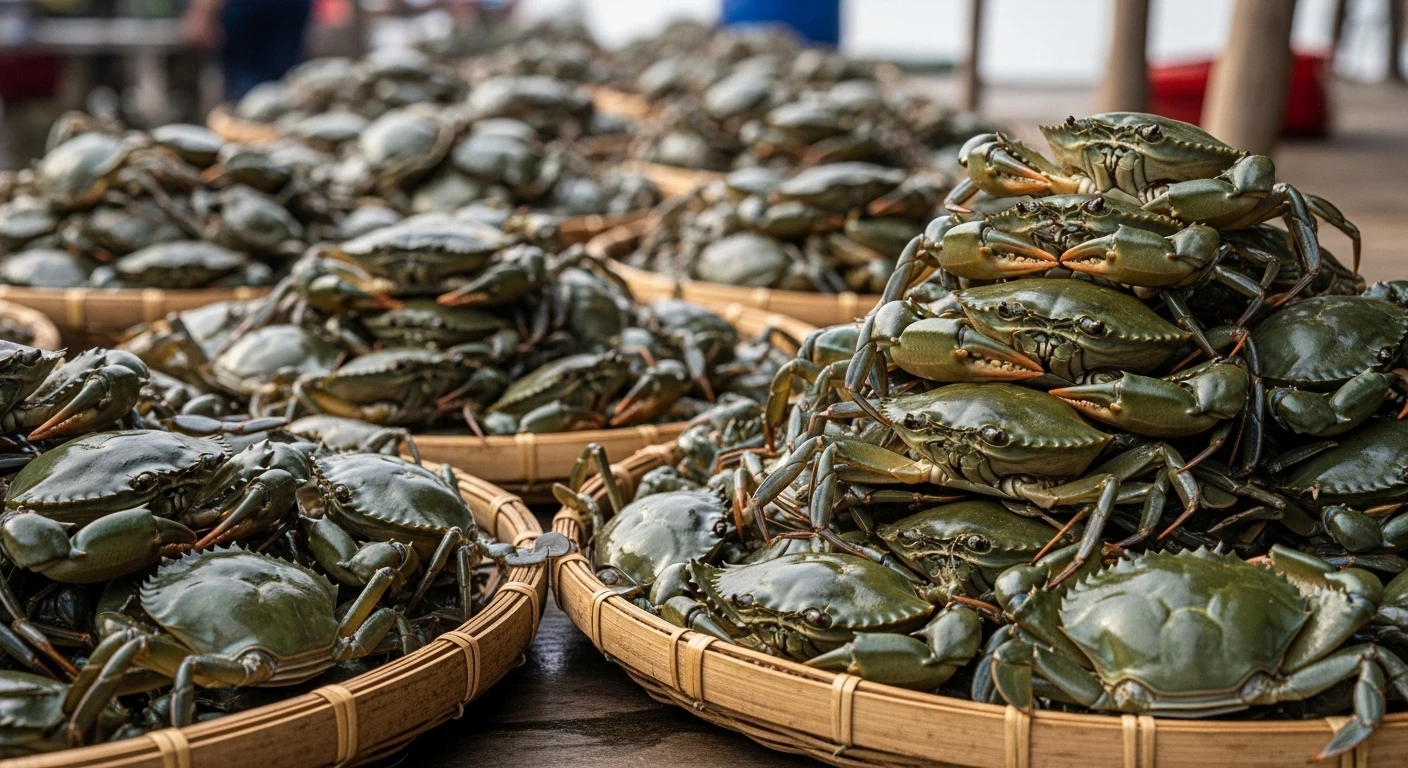
📸 The unmistakable sign of a good season: overflowing baskets of fresh Ca Mau mud crabs.
The sight is a familiar one to those who call this delta home: boats laden with the deep green, hard-shelled treasures, the air thick with the briny scent of the sea and the muddy earth. This isn't just a harvest; it's a communal event, a testament to generations of knowledge passed down, understanding the subtle cues of the environment and the needs of these powerful crustaceans.
2 Nature's Alchemy: Salinity, Molting, and the Feast
Mud crabs, particularly the prolific species found in Ca Mau's brackish waters, are remarkably sensitive to their environment. Salinity is a key regulator of their biological processes. When heavy rains dilute the coastal waters, they effectively signal a change. This reduction in salt concentration prompts the crabs to become more active. They venture out from their protective burrows to feed voraciously, bulking up before the critical process of molting.
Molting is how crabs grow. They shed their old, restrictive shell to accommodate their rapidly growing bodies. During this vulnerable period, they are softer, and it's during this time that they are most sought after for certain culinary preparations, though the market typically clamors for the hard-shelled crabs as well. The abundant food available in the nutrient-rich waters, enriched by the monsoon's runoff, ensures that these crabs are not only plentiful but also of excellent quality, with dense, sweet meat.
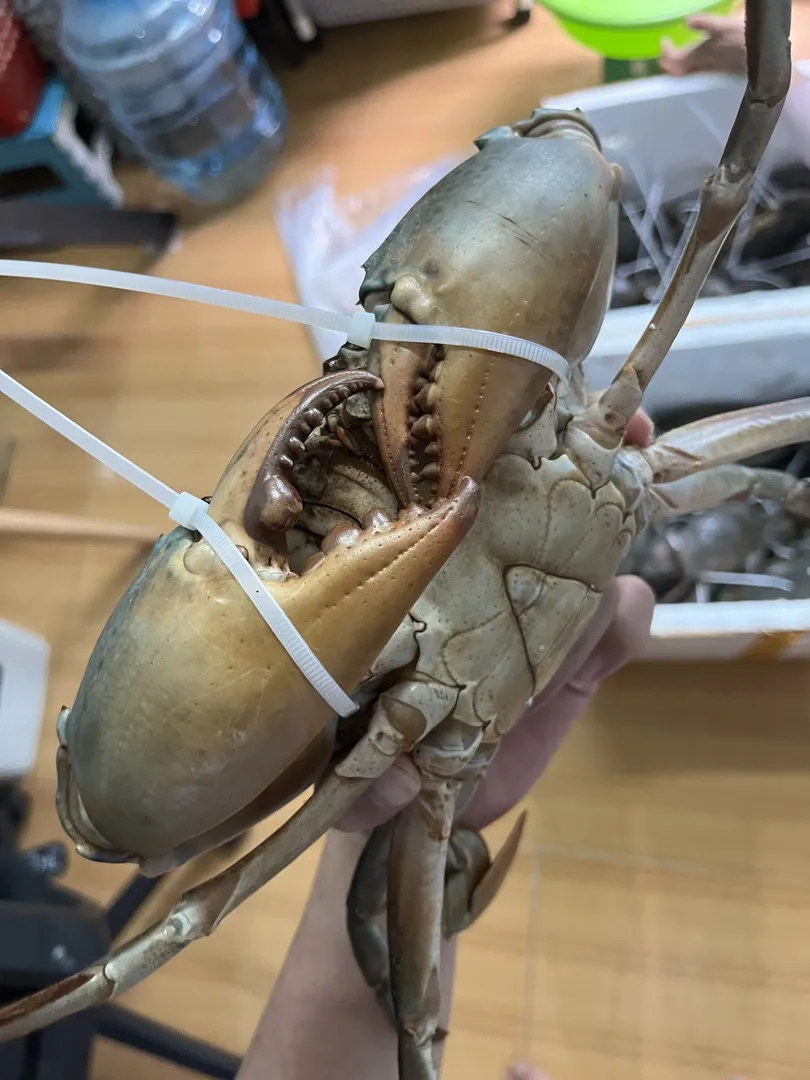
Heritage Ingredient
Ca Mau Jumbo Mud Crab
Ca Mau Jumbo Mud Crab
A large male mud crab prized for dense, sweet meat and thick claws, commonly used in steamed crab and grilled crab dishes across the Mekong Delta.
An icon of coastal culinary heritage, featuring firm, sweet meat that captures the raw power and freshness of Ca Mau's tides.
The interplay between the monsoon rains and the crab's life cycle creates a natural phenomenon that benefits both the ecosystem and the local economy. It's a delicate balance, one that the people of Ca Mau have learned to read and respect over centuries, transforming the challenges of a tropical climate into an opportunity for a bountiful harvest.
3 From the Mangroves to the Market: A Journey of Resilience
Ca Mau's landscape is dominated by vast mangrove forests, a crucial habitat for a myriad of species, including the iconic mud crab. These mangrove ecosystems act as natural nurseries, filtering water and providing shelter and abundant food sources. When the rains come, these forests become even more productive, their intricate root systems teeming with life.
The harvesting process itself is a labor of love and local ingenuity. Fishermen navigate their small boats through the flooded fields and intricate waterways, using a variety of traditional traps and nets. The sheer volume means that the markets soon become a vibrant spectacle. Stalls overflow with crabs, their shells gleaming, the air alive with the calls of vendors and the chatter of eager buyers. This surge in supply not only feeds local communities but also fuels a significant portion of Vietnam's seafood export market.
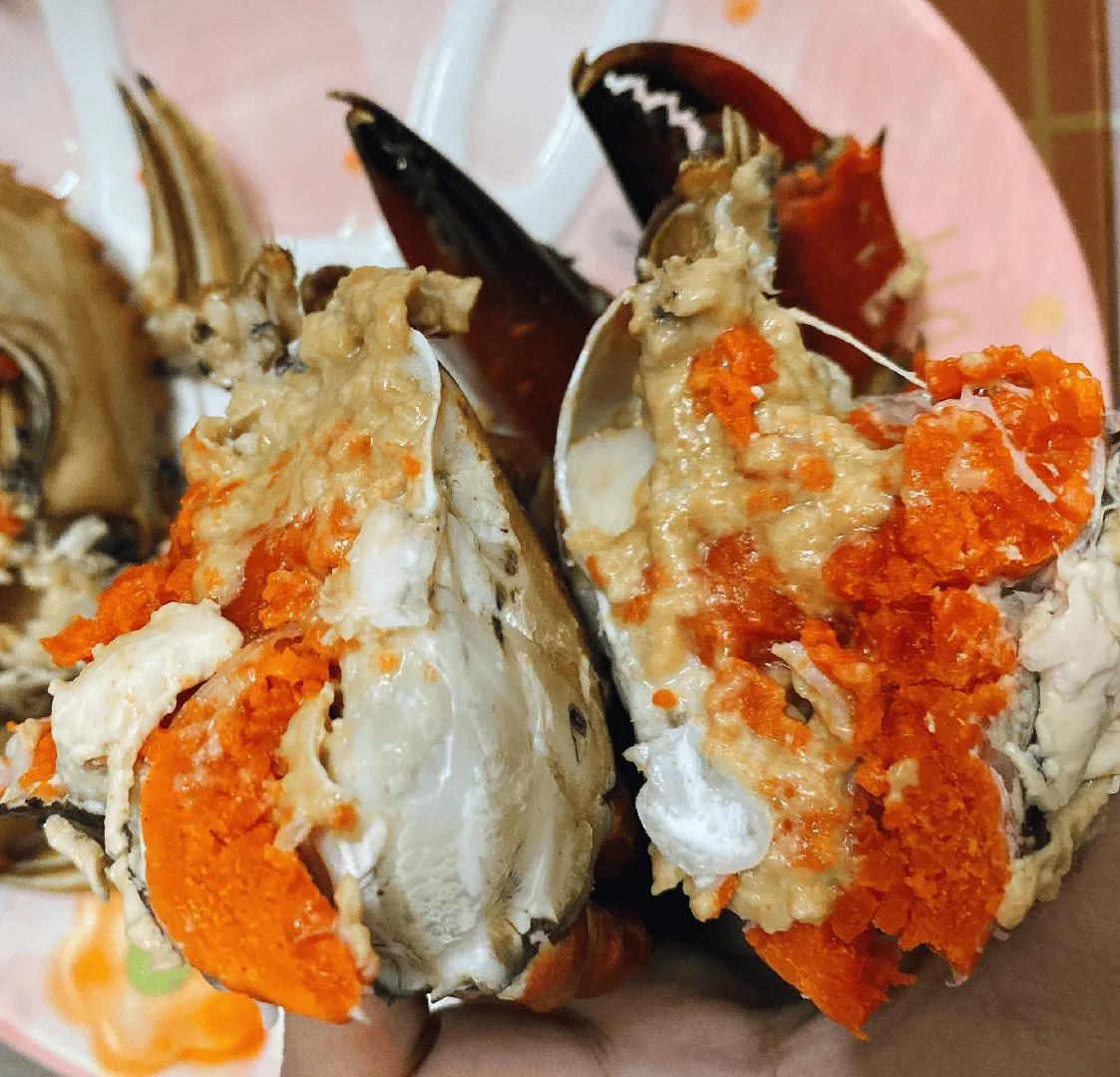
Heritage Ingredient
Ca Mau Roe Mud Crab
Ca Mau Roe Mud Crab
A female mud crab known for deep orange roe and a rich, creamy finish, often featured in celebratory Southern Vietnamese seafood meals.
A crimson treasure hidden within a shell, boasting rich, creamy roe that melts on your tongue like a golden sunset over the delta.
The journey from the muddy banks of Ca Mau to the dinner tables across Vietnam and beyond is a testament to the resilience of both the natural environment and the people who depend on it. This annual influx of crabs is more than just a seasonal event; it's a lifeline, a celebration of nature's generosity, and a crucial economic engine for the region.
4 A Wave of Abundance: Market Dynamics and Opportunity
For the markets, this sudden influx means a welcome abundance. Prices, while still reflecting the quality and size of the crabs, tend to stabilize or even dip slightly due to the sheer volume. This makes high-quality Ca Mau crab more accessible, allowing both local consumers and businesses to benefit from the natural bounty. Restaurants that specialize in seafood see an opportunity to offer premium dishes, while households can enjoy this delicacy more frequently.
This "supply spike" is a keenly watched event by traders, chefs, and seafood enthusiasts alike. It indicates a healthy ecosystem and successful aquaculture practices. The Ca Mau crab, known for its rich, sweet meat and, in the case of female crabs, its decadent orange roe, is a culinary star. The increased availability during these periods allows for greater exploration of its versatility in Vietnamese cuisine, from simple steaming to more elaborate preparations.
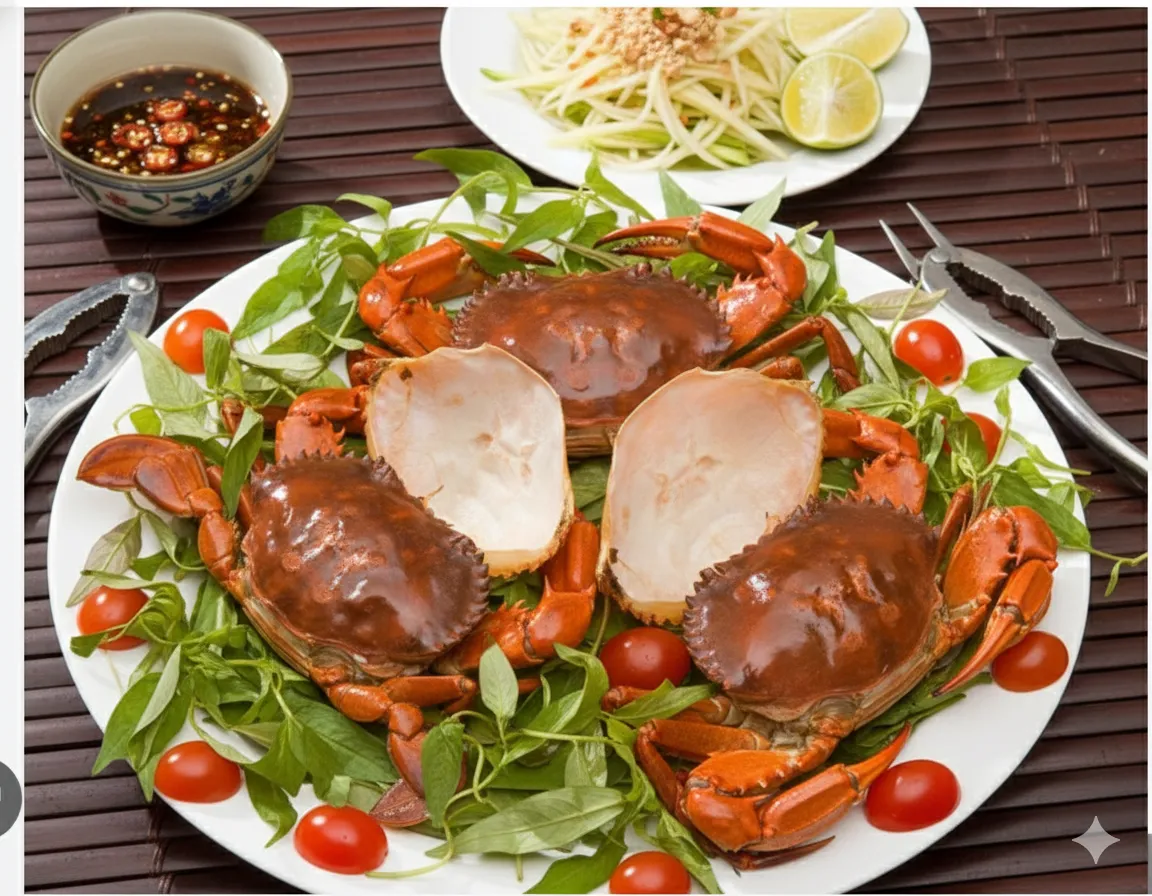
Heritage Ingredient
Soft-Shell Butter Crab (Molting Crab)
Soft-Shell Butter Crab (Molting Crab)
A rare molting mud crab from Ca Mau, valued for its edible soft inner shell and exceptionally creamy roe, making it the closest local equivalent to soft-shell crab concepts familiar abroad.
Nature's rare masterpiece—a delicate transition where a soft inner layer protects golden, custard-like roe in a fleeting moment of flavor.
Beyond the immediate economic benefits, this surge highlights the importance of sustainable practices in Ca Mau's aquaculture. The health of the mangrove forests and the careful management of water levels are paramount to ensuring these massive harvests continue year after year. It’s a cycle of nature that, when respected, yields incredible rewards.
5 From Steam to Spice: Ca Mau Crab on the Plate
The sheer abundance of Ca Mau crab during these periods offers a chance to appreciate its diverse culinary applications. The "purest" method, of course, is steaming, often with nothing more than a sprig of lemongrass or a splash of beer to enhance its natural sweetness. This allows the delicate flavor of the meat and the rich creaminess of the roe to shine through.
However, Ca Mau crabs also star in more robust dishes. They can be found in fiery stir-fries with tamarind, simmered in savory coconut milk curries, or grilled to perfection with chili and salt. The soft-shell crabs that emerge during molting are a particular delicacy, prized for their tender, edible shell and luxurious, custard-like roe, a true treat for adventurous food lovers.
The increased supply means that chefs and home cooks alike have more opportunities to experiment. Whether prepared simply or with complex marinades, the quality of Ca Mau crab ensures that the final dish is always a celebration of the Mekong Delta's rich waters.
6 Riding the Tides Responsibly
While the heavy rains bring a bounty, they also underscore the need for sustainable harvesting and aquaculture practices in Ca Mau. The delicate balance of the mangrove ecosystem is crucial for the long-term health of crab populations. Overfishing, habitat destruction, or the introduction of unsustainable farming methods can quickly disrupt this natural cycle.
Fortunately, many communities in Ca Mau are deeply aware of this dependency. They are increasingly adopting practices that prioritize conservation, such as maintaining healthy mangrove buffer zones, managing water flow responsibly, and avoiding the overuse of chemicals. The continued success of these massive harvests relies heavily on the commitment to preserving the very environment that makes them possible.
Initiatives focusing on eco-tourism and responsible seafood sourcing are gaining traction, aiming to ensure that the economic benefits derived from the crab harvest contribute to the preservation of Ca Mau's unique natural heritage for future generations.
7 Looking Ahead: Adapting to a Changing Climate
As climate change continues to influence weather patterns globally, the communities in Ca Mau are also adapting. While heavy rains currently signal abundance, unpredictable shifts in monsoon intensity, sea-level rise, and changing water temperatures pose long-term challenges.
The region's resilience will depend on continued research, innovative aquaculture techniques, and strong community engagement. The ability to predict and respond to environmental changes, while maintaining a deep respect for the natural world, will be key to ensuring that the bounty of Ca Mau's waters, particularly its prized crabs, continues to thrive. This year's massive harvest is a hopeful sign, a reminder of the incredible productivity of this unique Vietnamese delta when nature is in sync.
8 The Ca Mau Crab: A Symbol of the Mekong Delta's Bounty
The story of the heavy rains and massive crab harvests in Ca Mau is more than just an agricultural report; it's a narrative woven into the fabric of the Mekong Delta's identity. It speaks to the region's deep connection with its waterways, its reliance on the delicate balance of nature, and the enduring spirit of its people who have mastered the art of living in harmony with the tides.
From the intricate network of canals that serve as highways, to the knowledge of when and where to cast nets, Ca Mau’s crab culture is a living legacy. The annual surge is a celebration of this legacy, a powerful reminder of the incredible natural wealth that the southernmost tip of Vietnam holds. It’s a story that continues to unfold with every monsoon, every high tide, and every crab that finds its way from the muddy embrace of the delta to the plates of appreciative diners worldwide.