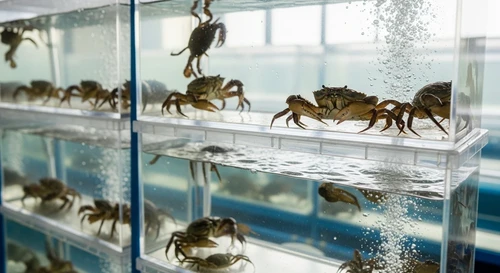
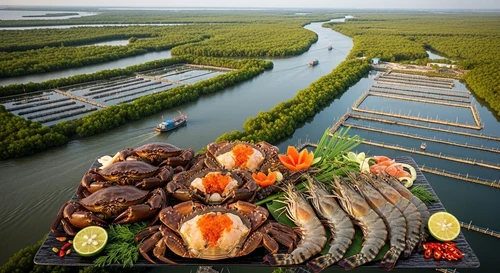
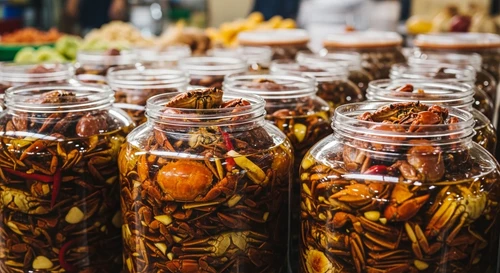
" The mighty Mekong, the lifeblood of Vietnam, is turning traitor. Not by choice, but by the cruel hand of a changing climate, its sweet waters are being choked by the relentless, encroaching sea. "
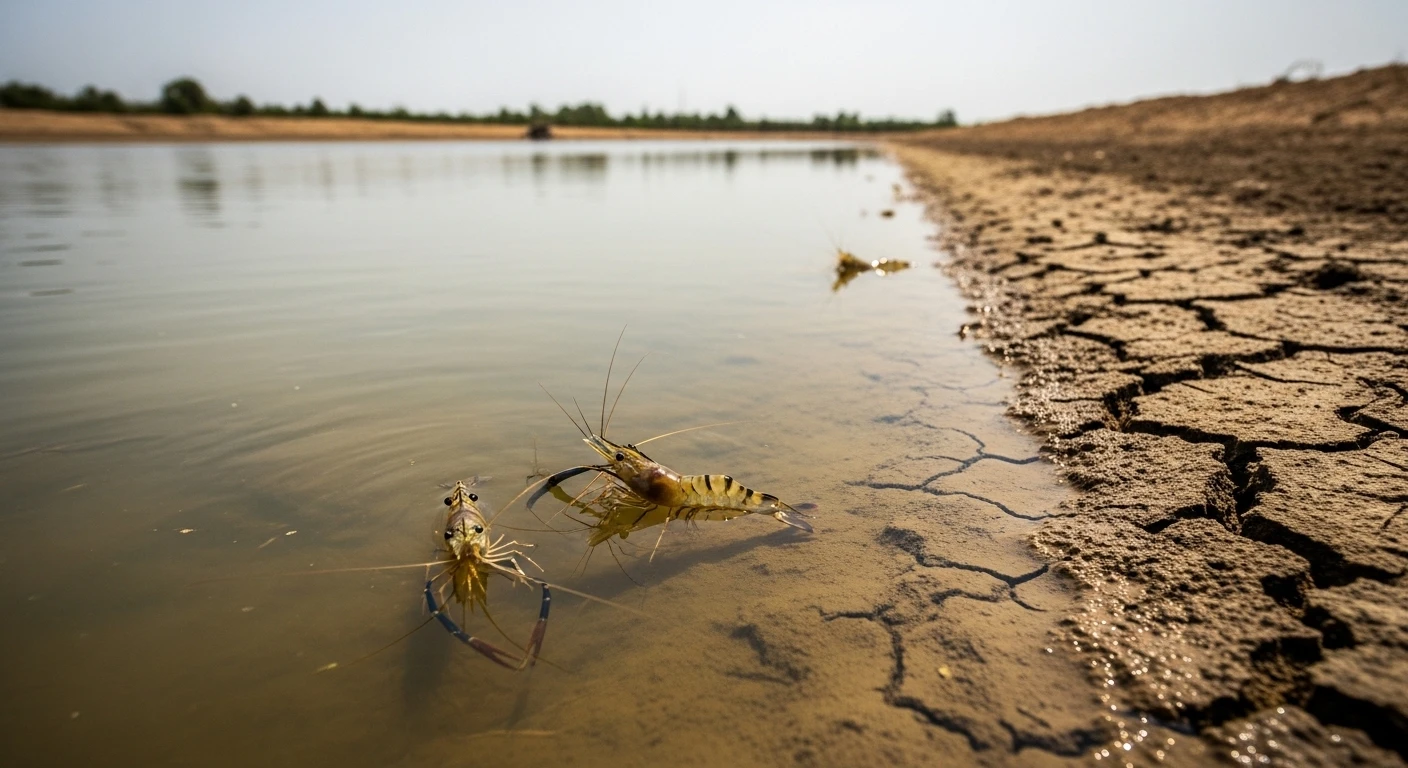
📸 The enemy within: Saltwater seeping into what was once a freshwater haven for tiger prawns.
1 The River's Crucial Kiss
For generations, the Mekong Delta has thrived on its unique freshwater ecosystem. Its annual flood pulse, carrying nutrient-rich silt, creates fertile grounds not only for rice paddies but also for aquaculture. Semi-intensive tiger prawn farming, a vital economic engine for provinces like Ca Mau and Soc Trang, relies on this delicate balance. Tiger prawns (Penaeus monodon), particularly the prized Black Tiger Shrimp from Ca Mau, thrive in brackish environments, but they have a distinct tolerance limit for salinity.
Freshwater's Bounty
The Mekong's annual flood cycle historically pushes back the saltwater, replenishing ponds and canals with vital fresh water. This natural rhythm is fundamental to the success of prawn farming.
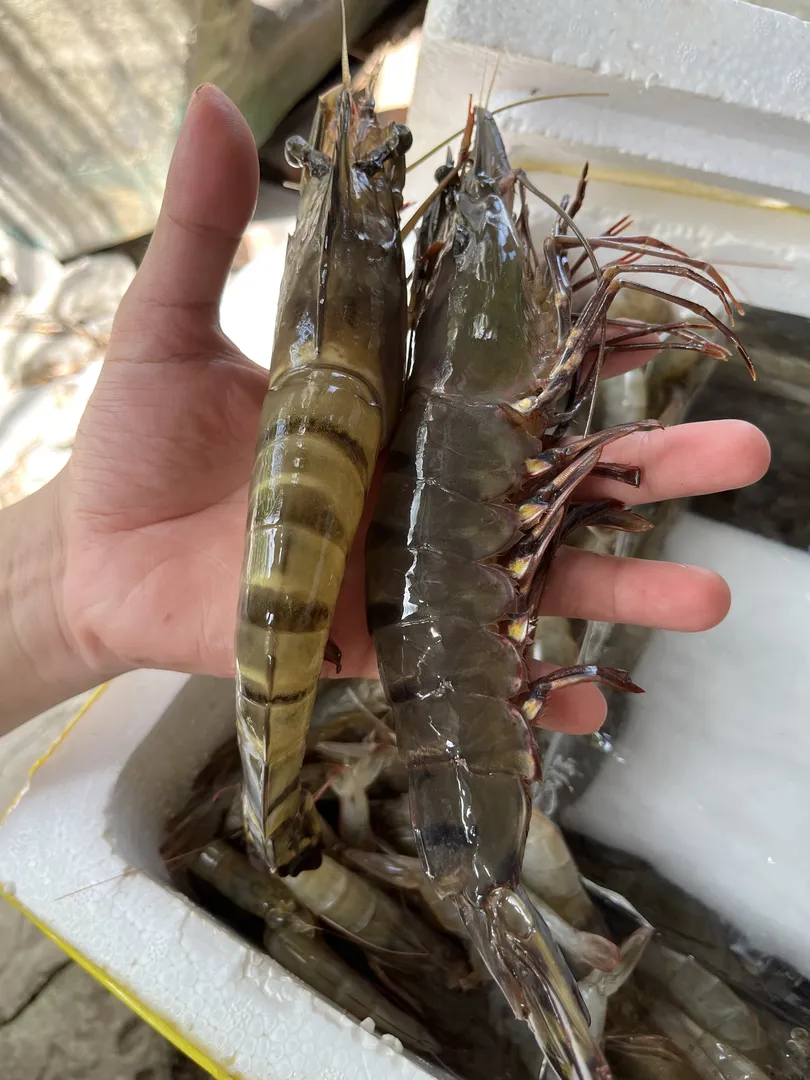
Heritage Ingredient
Ca Mau Black Tiger Shrimp
Ca Mau Black Tiger Shrimp
Large black tiger shrimp associated with mangrove aquaculture in Ca Mau, known for firm flesh and a cleaner, sweeter finish than intensively farmed shrimp.
Wild spirits of the mangroves, these black-banded gems deliver a firm, snappy texture and a sweetness that echoes the forest's vibrant life.
The Salinity Threshold
While tiger prawns can tolerate some salinity, rapid or extreme increases cause osmotic shock. This stress weakens their immune systems, making them vulnerable to disease and leading to mass die-offs.
2 The Uninvited Guest
El Niño is not a new phenomenon, but its intensity and frequency are increasing with global climate change. This weather pattern disrupts normal atmospheric and oceanic circulation, leading to prolonged dry spells and significantly reduced rainfall in Southeast Asia. For the Mekong Delta, this means less freshwater flowing from upstream and, critically, a stronger influence of the sea. During El Niño events, the dry season extends, and the tidal gates, designed to regulate water flow, are forced to allow saltwater to creep further inland than ever before.
Reduced Freshwater Inflow
Less rain and lower upstream river levels mean the natural push of freshwater into the delta is severely diminished. This creates a vacuum that the sea readily fills.
Saltwater Intrusion
Tides can push saltwater tens, even hundreds, of kilometers inland. In extreme El Niño years, salinity levels in areas that are normally freshwater can become dangerously high for aquaculture species.
3 Ponds of Despair
The impact on semi-intensive tiger prawn farms is devastating. These farms, often managed by families who have farmed these waters for generations, operate with a degree of control over their ponds. However, they are not impermeable fortresses against the environment. When saline intrusion occurs:
Thermal Shock & Stress
The sudden change in water salinity, often accompanied by higher temperatures during dry spells, directly stresses the prawns. Their bodies struggle to osmoregulate.
Disease Outbreaks
Weakened prawns are prime targets for opportunistic diseases like White Spot Syndrome Virus (WSSV) or bacterial infections. The entire stock can be wiped out in days.
Complete Crop Failure
Farmers invest heavily in feed, labor, and infrastructure. When salinity causes mass mortality, the entire investment is lost, leading to severe financial hardship.
More Than Just Prawns 💔
This isn't just about individual farmers; it's about the economy and identity of the Mekong Delta. The loss of prawn crops has a ripple effect:
Economic Strain
Families face debt, reduced purchasing power, and food insecurity. Local economies dependent on prawn processing and sales suffer.
Food Security
Prawns are a key protein source. Their failure impacts local diets and national exports.
Adaptation Challenges
Farmers must consider shifting to more salt-tolerant species (like shrimp adapted to higher salinity) or even switching to entirely different livelihoods, a process that is expensive and uncertain.

Heritage Ingredient
Mekong Giant Freshwater Prawn
Mekong Giant Freshwater Prawn
A river prawn with long blue claws and rich head fat, common in grilled prawn dishes and hotpot traditions across the Mekong basin.
Majestic blue-clawed warriors of the Mekong, famous for their rich, fatty heads and a savory depth that captures the essence of the delta's rivers.
Some farmers are exploring integrated mangrove-shrimp farming systems or switching to brackish-water tolerant crab species. These require significant capital investment and technical knowledge.
5 A Global Warning
The situation in the Mekong Delta is a microcosm of a global crisis. Rising sea levels, exacerbated by melting ice caps and thermal expansion of water, are increasing the baseline salinity in coastal areas worldwide. Coupled with more extreme weather events like El Niño, these forces combine to create unprecedented environmental challenges for coastal communities and their agricultural and aquacultural practices.
This is not just about one weather event; it's about a fundamental shift in the Earth's climate systems. The resilience of ecosystems and human societies is being tested. The plight of the tiger prawn farmers in the Mekong is a stark reminder that the choices made globally have profound, tangible consequences on the ground, impacting the very ability of vibrant regions to sustain themselves.
6 Charting a New Course
Addressing this challenge requires a multi-pronged approach, involving local communities, national governments, and international collaboration:
- Improved Salinity Monitoring: Early warning systems and real-time data are crucial for farmers to make informed decisions about stocking and water management.
- Diversification of Aquaculture: Promoting species and farming methods that are more resilient to saline conditions, such as certain types of shrimp, oysters, or crabs.
- Infrastructure Development: Investing in better water management systems, including stronger dykes, sluice gates, and freshwater reservoirs.
- Climate-Resilient Farming Practices: Educating farmers on techniques that can mitigate the effects of salinity, such as adjusting pond depth or using buffering agents.
- Support for Vulnerable Communities: Providing financial aid, technical assistance, and access to credit for farmers facing crop failure and seeking to transition to new livelihoods.
- Global Climate Action: Ultimately, the most effective long-term solution lies in global efforts to mitigate climate change and reduce greenhouse gas emissions.
The Enduring Spirit
The Mekong Delta is a land of incredible resilience. Its people have faced floods, droughts, and typhoons for centuries. While the current environmental shifts present unprecedented challenges, the ingenuity and spirit of the Delta's inhabitants are undeniable. The struggle for survival and adaptation is a testament to their deep connection to this land and river. Understanding the impact of events like El Niño on its most vital industries, like tiger prawn farming, is key to supporting its future.
Our Role
As consumers, understanding the origins of our food and the environmental forces that shape its production is vital. The choices we make, from supporting sustainable seafood to advocating for climate action, have a ripple effect that reaches the shores of the Mekong Delta. The future of these vital aquatic ecosystems, and the communities that depend on them, is a shared responsibility.