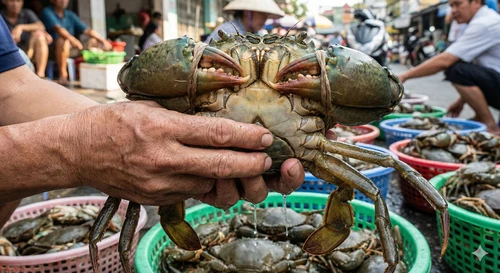
" In the relentless, sun-drenched grind of the Mekong Delta, where lifeblood flows in muddy rivers and catch is king, the smallest details often whisper the loudest truths about quality and integrity. "
1 The Old Way: Mud, Weight, and Doubt
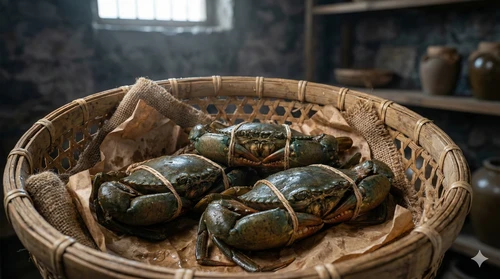
For generations, the image of Vietnamese seafood, particularly crabs and prawns, has been inextricably linked to the methods of capture and transport. Often, this meant binding them with thick, fibrous ropes, sometimes soaked in water or mud to keep the catch alive and, frankly, to add deceptive weight. It was a pragmatic approach born from necessity in a demanding environment, but one that inadvertently cast a long shadow over consumer trust.
Walk through any bustling dock in Ca Mau or the coastal provinces of the Mekong Delta, and you’d see it: heaps of mud crabs, their legs and claws bound with chunky, dark ropes. These ropes, often made from natural fibers, absorbed water, making the crabs heavier. While this might have offered a marginal benefit to the fishermen in terms of immediate sale weight, it created a disconnect for the end consumer, especially in international markets. The perception became one of 'hidden weight,' of being sold something less than pure. The very thing meant to preserve life was casting a pall over quality.

📸 The traditional method: Heavy, water-logged ropes were common.
This practice, while deeply ingrained, presented a significant hurdle. How do you assure a discerning buyer, thousands of miles away, that they are receiving precisely what they pay for, free from artificial ballast? How do you build a reputation for pristine, untampered quality when the visual cues at point of sale suggest otherwise?
The 'Mud-Soaked Rope' Perception:
- Deceptive Weight: Natural fibers absorb water, artificially increasing the product's weight.
- Hygiene Concerns: Mud and stagnant water are hardly appetizing visual cues.
- Damage Risk: Thick ropes can chafe or damage delicate shells and limbs.
- International Standards: A growing demand for transparency and verifiable weight.
2 The Tiny Tie That Carries Great Weight
Enter the revolution. It’s not a complex piece of machinery or a new chemical preservative. It’s a simple, ultra-thin plastic zip tie. What seems almost too minor to matter is, in fact, a paradigm shift in how Vietnamese seafood brands are positioning themselves on the global stage. This isn't just about practicality; it's a statement.
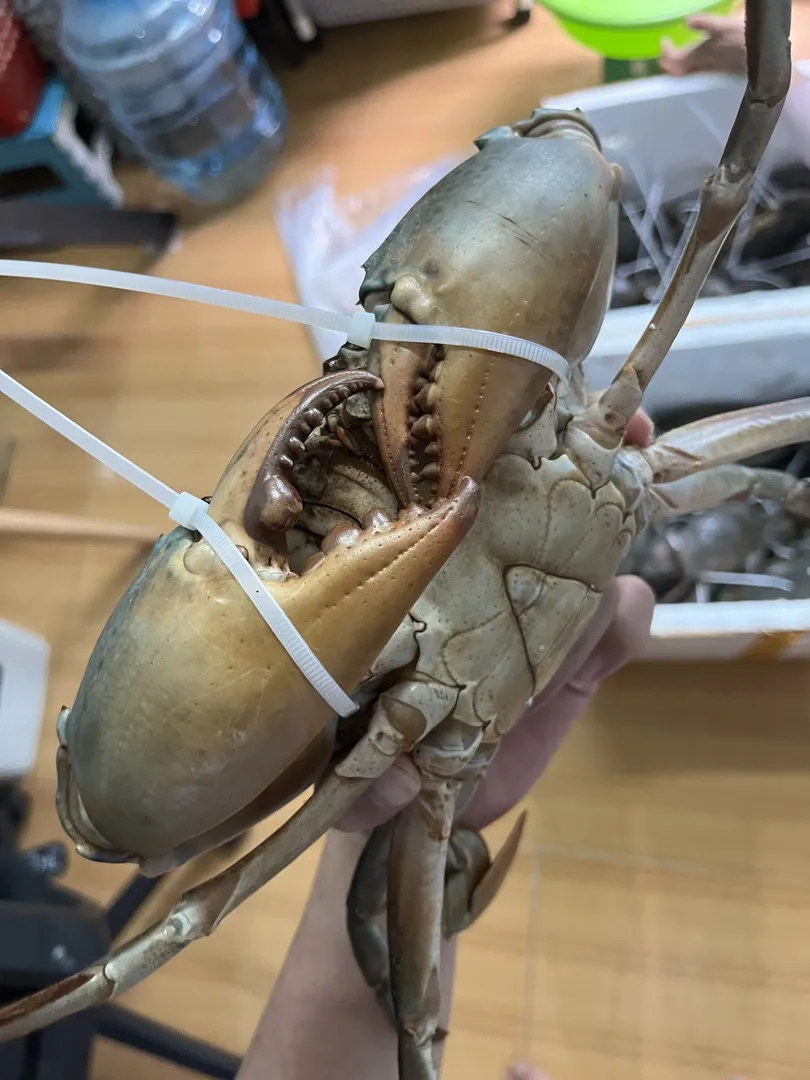
Major seafood exporters and aquaculture farms, particularly those aiming for premium markets, have begun to adopt this seemingly trivial change. Instead of the bulky, water-absorbing ropes, they now use fine, durable plastic zip ties to secure the legs and claws of crabs and other crustaceans. These ties are lightweight, non-absorbent, and leave minimal, if any, imprint on the shell.

📸 Precision binding: Modern zip ties offer secure, lightweight restraint.

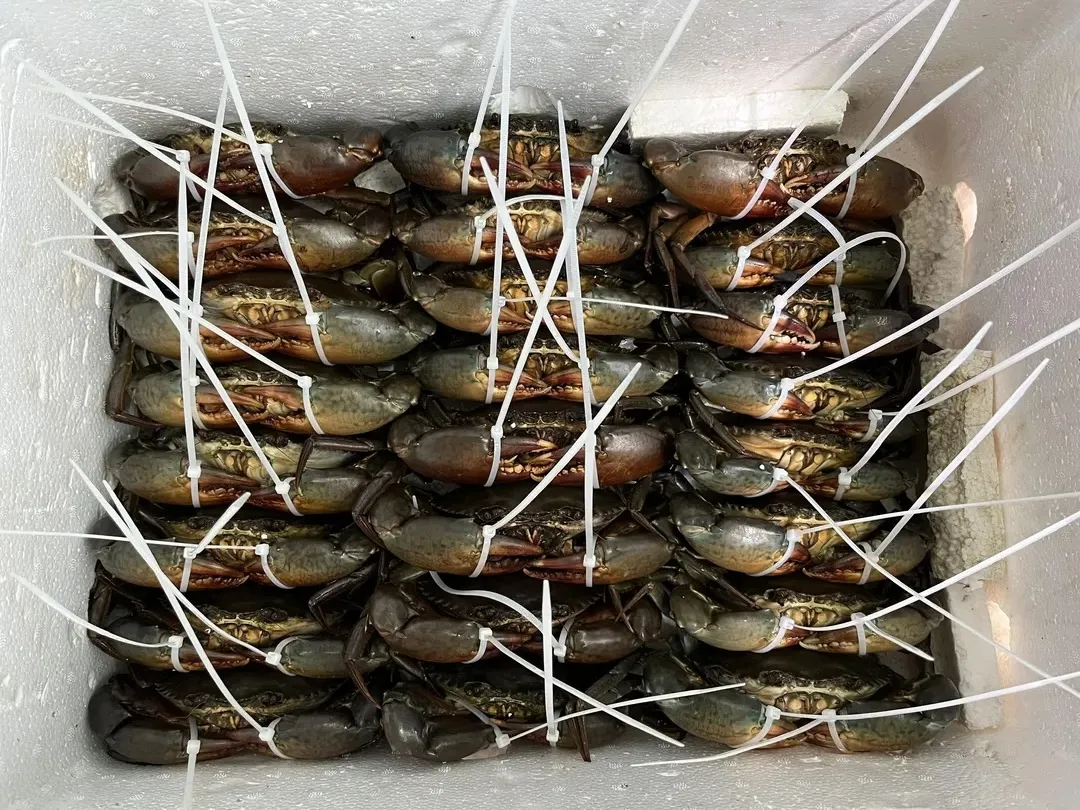
📸 Retail-ready: Packaging often features these discreet ties.
The "Zero-Weight" Advantage:
- Accurate Weight: Consumers receive the product's true weight, no added water or fiber ballast.
- Enhanced Hygiene: Non-porous plastic eliminates mud and water absorption.
- Gentle Restraint: Minimizes shell damage and ensures the integrity of the limbs.
- Premium Presentation: A cleaner, more refined appearance that signals higher quality.
3 The Psychology of the Tie
This isn't merely a logistical tweak; it's a deliberate marketing and trust-building strategy. In a world increasingly obsessed with provenance and transparency, the simple act of replacing a heavy, potentially misleading binding with a light, clean one speaks volumes.
Consider the psychological impact. When a buyer sees a crab or lobster secured by delicate, almost invisible ties, the immediate inference is one of care and honesty. It bypasses the traditional image of a murky dockside transaction and lands squarely in the realm of modern, ethical retail. It's a quiet promise that the weight you're paying for is the weight of the actual seafood, not the water it was kept in or the rope it was bound with.
This shift resonates particularly strongly in export markets, where consumers and retailers are highly sensitive to practices that could be perceived as deceptive. Brands adopting this method are subtly signaling their commitment to international standards and their respect for the end consumer. It’s a powerful differentiator in a competitive landscape.
Key Trust Factors Reinforced:
- Verifiable Weight: Direct correlation between paid price and actual product weight.
- Enhanced Purity: Assurance of unadulterated product, free from water absorption.
- Traceability Signal: Often part of a broader effort to improve traceability from farm to table.
- Premium Positioning: Signals a move towards higher-value, export-grade products.
4 Echoes of Ca Mau and the Coastal Trade
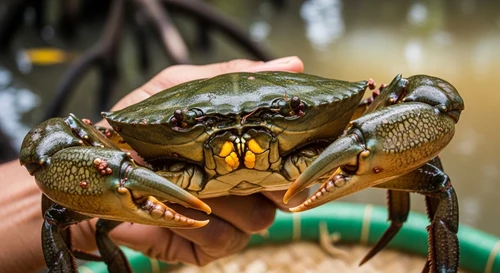
The adoption of this "zero-weight" tying method is particularly poignant when viewed against the backdrop of the Mekong Delta’s primary seafood hubs, like Ca Mau. This southern province, with its vast mangrove forests and extensive coastline, is Vietnam's crab capital. For decades, the livelihood of thousands of families has depended on the careful husbandry and trade of these prized crustaceans.
The transition to lighter ties reflects a maturing industry. As Vietnamese seafood brands increasingly target sophisticated international markets—think of the exquisite Giant Ca Mau Mud Crabs or the celebrated Export-Grade Ca Mau Roe Crabs—they must align their practices with global expectations. The mud and mangrove environment that nurtures these incredible creatures is part of their appeal, but the packaging and transport methods need to evolve to communicate that pristine quality.
Connecting Tradition with Modernity:
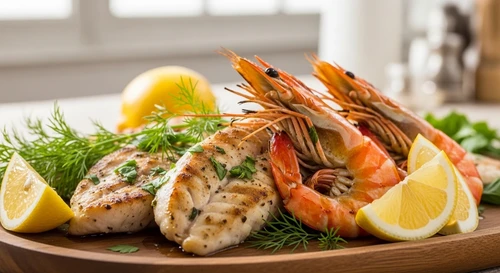
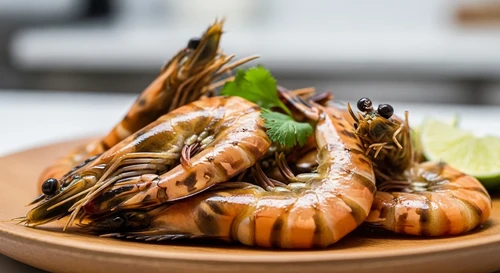
The Mekong Delta is a region of immense natural bounty and long-standing fishing traditions. The move towards zip ties is not about abandoning heritage, but about enhancing it. It’s about taking the rich, authentic product that the Delta provides – be it succulent crabs or sweet Ca Mau Black Tiger Shrimp – and presenting it in a way that meets the trust and transparency demands of the 21st-century global consumer. It ensures that the 'sweet Delta flavor' is all that the consumer receives, unadulterated.
This initiative is a quiet revolution, a testament to the adaptive spirit of Vietnamese aquaculture and seafood export. It’s about ensuring that the exceptional quality born from the unique ecosystem of the Mekong Delta can be appreciated fully, without question, by discerning palates worldwide.
5 Raising the Bar: Retail Standards and Fair Trade
The ripple effect of this "zero-weight" strategy extends beyond consumer perception to impact retail standards and can even bolster claims of fair trade practices. When a brand invests in such detailed improvements, it signifies a commitment to quality that often aligns with ethical sourcing and fair treatment throughout the supply chain.
Retailers, both domestic and international, are increasingly scrutinizing their supply chains for transparency and integrity. The adoption of non-absorbent, lightweight ties makes product inspection simpler and more reliable. It reduces the risk of disputes over weight discrepancies and enhances the visual appeal of the product on shelves, which is critical for premium positioning.
Implications for Market Reform:
- Enhanced Traceability: Cleaner packaging often complements robust traceability systems, allowing consumers to trace their seafood back to the farm or fishing vessel.
- Reduced Counterfeit Risk: While not a foolproof measure, the move towards standardized, cleaner packaging can make it harder for counterfeit or lower-quality products to pass as premium.
- Fair Trade Alignment: Brands can more credibly promote fair trade principles when their product presentation is demonstrably honest and free from deceptive practices. It’s about selling the seafood, not the waterlogged rope.
- Competitive Edge: Companies leading this change gain a competitive advantage, setting new benchmarks for the industry.
6 The Bigger Picture: What's Next?
The shift to ultra-thin zip ties is a small but significant step in the ongoing evolution of Vietnam's seafood industry. It demonstrates a proactive approach to meeting global market demands for transparency, quality, and ethical sourcing. This attention to detail, starting from how the catch is secured, reflects a broader industry-wide ambition to elevate Vietnamese seafood on the world stage.
Looking ahead, we can expect to see continued innovation in areas such as sustainable aquaculture practices, advanced traceability technologies, and eco-friendly packaging solutions. The commitment to building consumer trust, as exemplified by the "zero-weight tying strings" movement, is likely to become an even more critical factor in the success of Vietnamese seafood brands globally. It’s about more than just ties; it's about the integrity of the entire supply chain, from the vibrant waters of the Mekong Delta to the dinner tables of the world.

📸 The future is bright: Innovations in processing and packaging are key.
Key Takeaways:
- The move from heavy ropes to light zip ties is a significant trust-building measure for Vietnamese seafood.
- It addresses concerns about deceptive weight and hygiene, aligning with international retail standards.
- This innovation highlights the Mekong Delta's adaptation to global market demands.
- It signifies a commitment to transparency and ethical practices within the seafood industry.
P Authentic Mekong Delta Seafood Examples
Heritage Ingredient
Ca Mau Jumbo Mud Crab
Ca Mau Jumbo Mud Crab
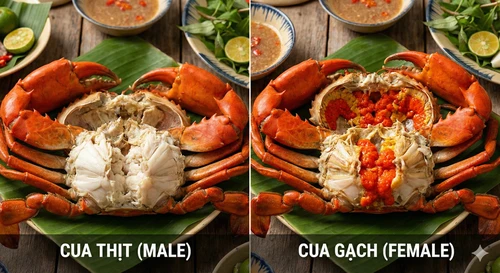
A large male mud crab prized for dense, sweet meat and thick claws, commonly used in steamed crab and grilled crab dishes across the Mekong Delta.
An icon of coastal culinary heritage, featuring firm, sweet meat that captures the raw power and freshness of Ca Mau's tides.
Heritage Ingredient
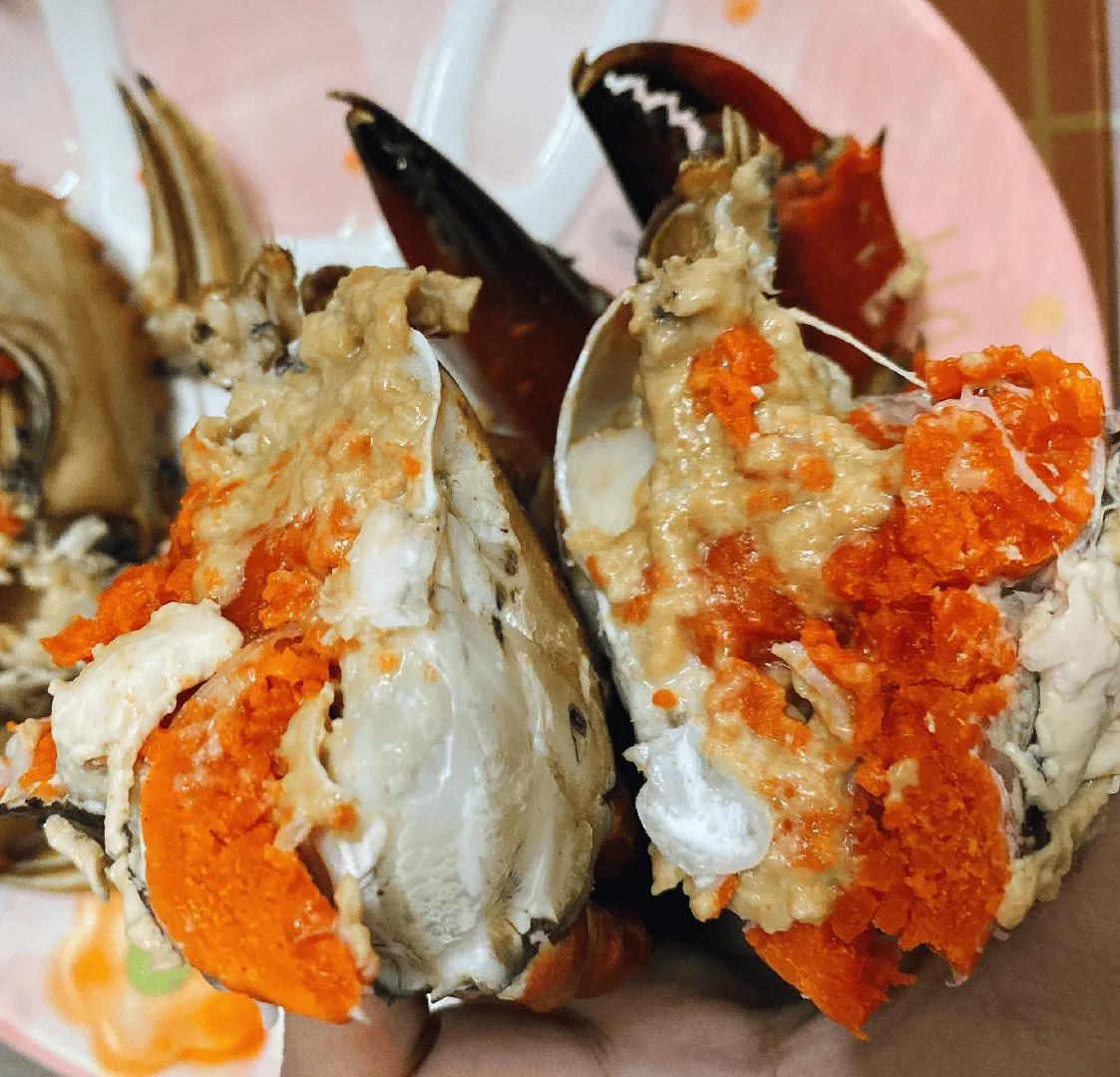
Ca Mau Roe Mud Crab
Ca Mau Roe Mud Crab
A female mud crab known for deep orange roe and a rich, creamy finish, often featured in celebratory Southern Vietnamese seafood meals.
A crimson treasure hidden within a shell, boasting rich, creamy roe that melts on your tongue like a golden sunset over the delta.
Heritage Ingredient
Export-Grade Ca Mau Roe Crab
Export-Grade Ca Mau Roe Crab
A carefully sorted roe crab selected for size, shell quality, and roe consistency, suitable for explaining premium grading in Vietnamese crab culture.
The pinnacle of perfection—pristine shells and bursting roe, meticulously selected to conquer the hearts of global gourmets.