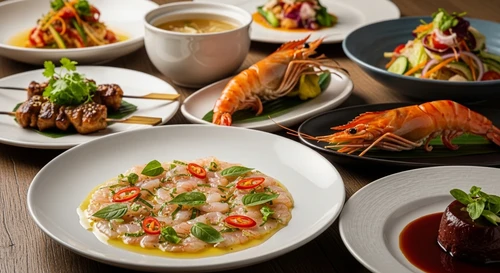
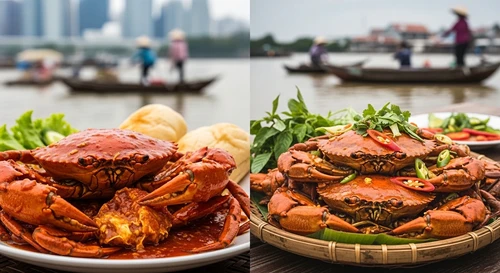
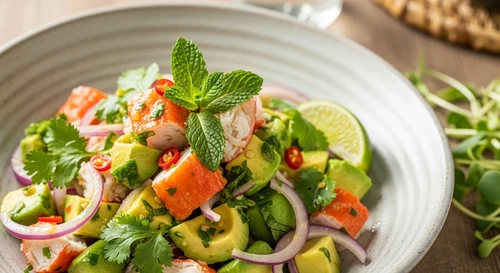
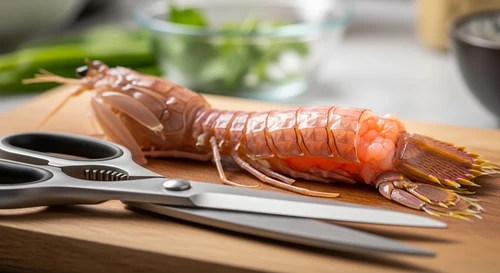
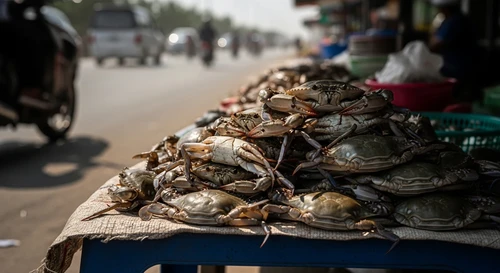
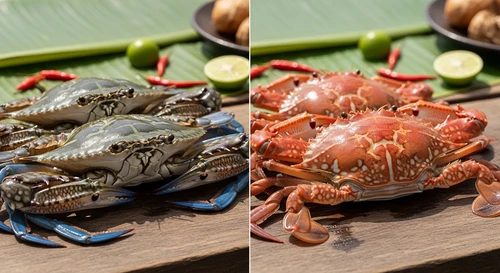
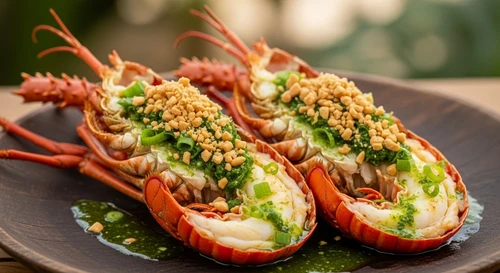
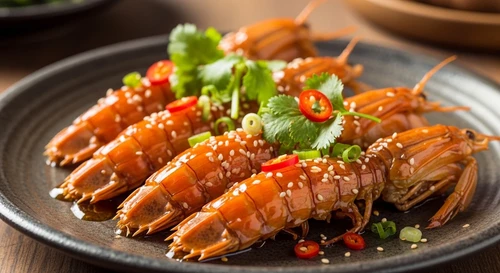
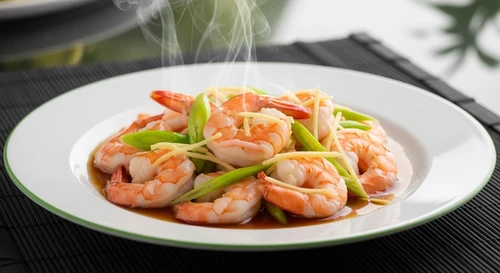
" In the intricate tapestry of Mekong Delta cuisine, shrimp are not merely ingredients; they are edible reflections of the river, the coast, and the very rhythm of life. "

📸 Visual cues: Recognizing the subtle differences that matter.
1 The Crossroads of Catch
Step into any bustling market in Can Tho, Soc Trang, or the coastal towns of Ca Mau, and you'll be met with a kaleidoscope of seafood. Among the most prominent are shrimp – the ubiquitous protein that graces everything from simple stir-fries to elaborate festive meals. But not all shrimp are created equal. Two of the most common you'll encounter, each with its own distinct characteristics and culinary applications, are the ubiquitous farmed Whiteleg shrimp and the prized, often wild-caught Banana shrimp, locally known as Tôm He.
Understanding the difference isn't just a matter of academic interest; it directly impacts the flavor, texture, and nutritional profile of your final dish. It's knowledge that can elevate your cooking and ensure you're getting the most authentic Mekong Delta experience.
Whiteleg Shrimp (Litopenaeus vannamei)
Known widely as Pacific White Shrimp or King Prawn, these are the workhorses of aquaculture globally. They are fast-growing, hardy, and tolerant of varied conditions, making them the most commonly farmed shrimp worldwide, including extensively in Vietnam. Their appeal lies in their availability and neutral flavor, which readily absorbs marinades.
Banana Shrimp (Fenneropenaeus merguiensis)
Locally called Tôm He, these are often wild-caught or from more traditional, less intensive aquaculture. They are prized for their thinner shells, subtle sweet flavor, and denser, more delicate flesh. Their appearance, with faint greenish-blue stripes, gives them their common name. They are highly sought after in Southern Vietnam for their superior taste and texture.
2 Spotting the Difference: A Shopper's Guide
When standing at a seafood stall, the difference might seem subtle at first glance, but keen eyes can distinguish between these two common shrimp varieties. It’s these small details that often separate a good meal from a truly memorable one.
Banana Shrimp (Tôm He)
- Coloration: Typically have faint, pale greenish-blue stripes running along their bodies. The shell is generally a translucent, grayish-pink.
- Shell Thickness: Noticeably thinner and more delicate than whiteleg shrimp. This makes them easier to peel and contributes to their tender texture.
- Body Shape: Often slightly more curved and less robust than whiteleg shrimp.
- Size: Can vary, but are often found in medium to large sizes that are particularly prized.
Whiteleg Shrimp
- Coloration: Generally a uniform pinkish-grey. Lacks the distinct striping of banana shrimp.
- Shell Thickness: Thicker, more robust shell, often appearing more opaque.
- Body Shape: Tend to be straighter and more uniformly cylindrical.
- Size: Widely farmed in various sizes, from small to very large (jumbo whiteleg).
Pro Tip: Ask the vendor! In the Mekong Delta, experienced fishmongers will readily point out the 'Tôm He' and explain its virtues. Don't be afraid to inquire about the origin (wild or farmed) – it's a sign of respect for their produce.
3 Beyond the Shell: Flavor, Texture, and Nutrition
The distinctions go beyond mere appearance. The subtle differences in shell, muscle structure, and environment translate into tangible variations in taste and nutritional value.
The Taste of the Delta (Banana Shrimp)
Banana shrimp, especially those harvested from coastal waters or brackish mangrove environments, possess a naturally sweet, slightly briny flavor profile. Their flesh is tender, delicate, and boasts a higher concentration of beneficial Omega-3 fatty acids compared to their farmed counterparts. This delicate flavor makes them ideal for simpler preparations that allow their natural sweetness to shine, such as
- Steaming: To appreciate the pure, sweet essence.
- Grilling: With minimal seasoning.
- Lightly Sautéing: In garlic butter or with herbs.
Illustrative Example:
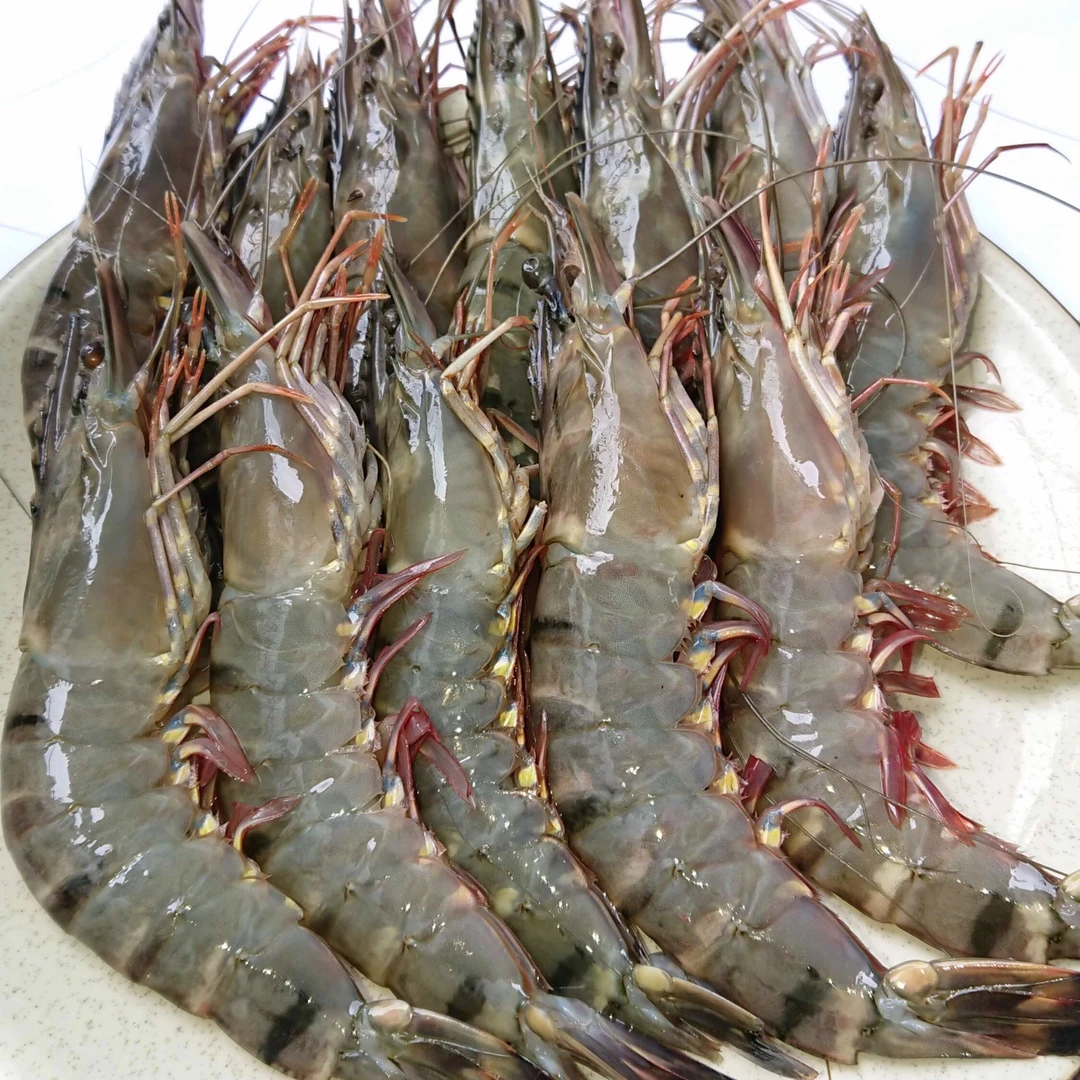
Heritage Ingredient
Whiteleg Shrimp
Whiteleg Shrimp
A widely used shrimp in Vietnamese home kitchens, suitable for stir-fries, soups, steamed dishes, and practical cooking articles that need a familiar shrimp reference.
Translucent jewels of the coast, thin-shelled and remarkably sweet, making every simple home meal feel like a seaside celebration.
The Versatile Standard (Whiteleg Shrimp)
Whiteleg shrimp are generally milder in flavor, making them exceptionally versatile. Their neutral taste is a blank canvas, readily absorbing marinades and sauces, which is why they are a staple in countless Vietnamese home-style dishes like
- Stir-fries: With vibrant vegetables and savory sauces.
- Soups & Noodle Dishes: Such as Banh Canh or Hu Tieu.
- Curries: Where their mildness allows other spices to dominate.
Illustrative Example:
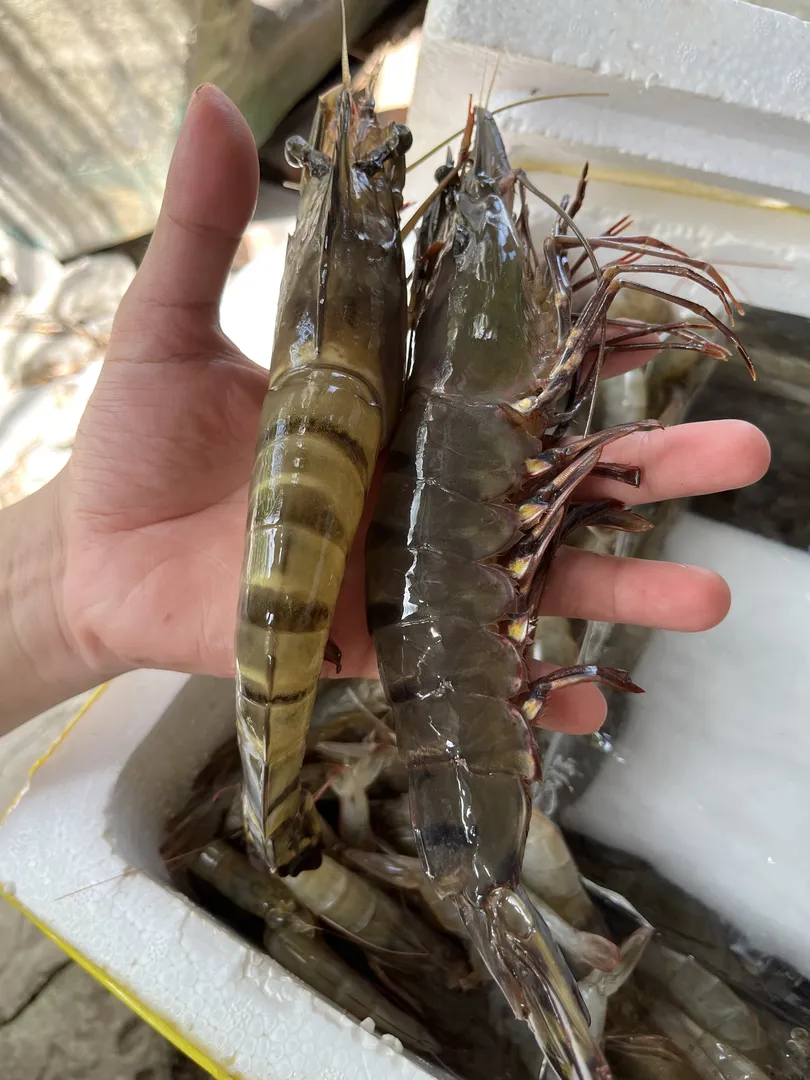
Heritage Ingredient
Ca Mau Black Tiger Shrimp
Ca Mau Black Tiger Shrimp
Large black tiger shrimp associated with mangrove aquaculture in Ca Mau, known for firm flesh and a cleaner, sweeter finish than intensively farmed shrimp.
Wild spirits of the mangroves, these black-banded gems deliver a firm, snappy texture and a sweetness that echoes the forest's vibrant life.
4 From Mudflats to Markets: The Origin Story
The origin of these shrimp tells a story of the Mekong Delta's diverse ecosystems. Understanding where they come from helps appreciate their unique qualities.
Wild & Coastal Harvesting (Banana Shrimp)
True Tôm He are often associated with the coastal regions of the Mekong Delta, particularly provinces like Ca Mau and Bac Lieu. They thrive in the mangrove forests and estuarine environments, feeding on natural plankton and detritus. This wild or semi-wild cultivation imparts a depth of flavor that intensive farming struggles to replicate. The challenge here is sustainability and supply, as their availability can fluctuate with seasons and fishing yields.
Related Local Seafood:
The mangrove ecosystems that nurture Tôm He also yield other prized delicacies like mudskippers and fermented mangrove crabs.
Intensive Aquaculture (Whiteleg Shrimp)
Whiteleg shrimp are the backbone of Vietnam's massive aquaculture industry. They are raised in large, man-made ponds across the delta, optimized for rapid growth and high yield. While this ensures a consistent and affordable supply, it can sometimes lead to a less nuanced flavor profile. However, advancements in sustainable aquaculture practices are increasingly being implemented in these regions.
The Mekong's Aquaculture Hubs:
Provinces like Ben Tre, Tien Giang, and parts of Can Tho are major centers for shrimp farming, contributing significantly to both domestic consumption and export markets.
5 When to Choose Which? Culinary Wisdom
The "best" shrimp is ultimately the one that suits your dish. Here’s a simple guide for chefs and home cooks alike:
For Delicate, Pure Flavors:
Opt for Banana Shrimp (Tôm He) when the shrimp itself is the star. Think:
- A simple shrimp salad with herbs and lime.
- Pan-seared shrimp with a light garlic and herb sauce.
- Shrimp cooked in a clear broth where their natural sweetness can infuse the liquid.
For Flavor Absorption & Versatility:
Reach for Whiteleg Shrimp when you need a shrimp that can stand up to robust flavors or act as a reliable base for complex dishes. Ideal for:
- Shrimp paste dishes (like Mam Ruoc-based stir-fries).
- Spicy and savory noodle dishes.
- Any recipe where the shrimp needs to soak up marinades or sauces.
6 A Taste of the Delta: More Than Just Shrimp
While shrimp are central to Mekong Delta cuisine, the region's bounty extends far beyond. The interplay of freshwater and saltwater creates a unique culinary landscape. Familiarizing yourself with other local specialties offers a richer understanding of the area's food culture.
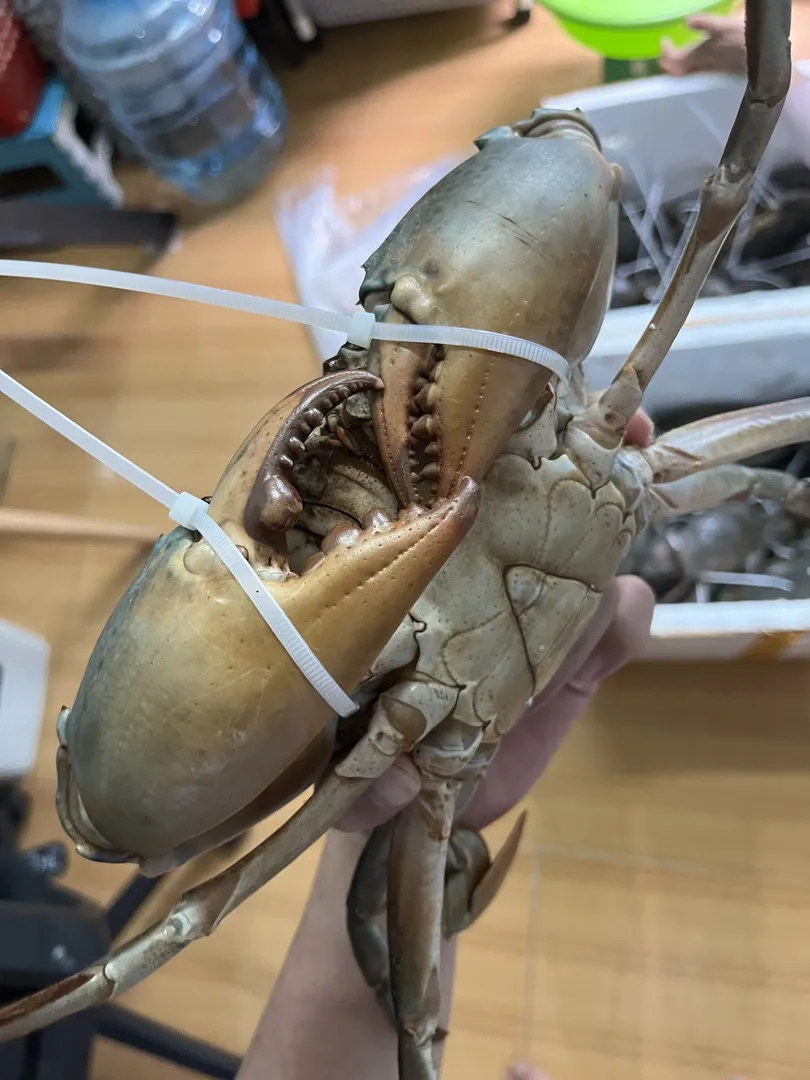
Mud Crab (Cua Gach)
Prized for its sweet meat and rich roe, especially from Ca Mau.

Giant Freshwater Prawn
With their long claws and rich head fat, perfect for grilling.

Mudskipper (Ca Thoi Loi)
A unique mangrove fish, often grilled with chili salt.
7 The Last Word on Shrimp
Distinguishing between Whiteleg and Banana shrimp is more than just a market trick; it's about appreciating the nuances that define authentic Mekong Delta cuisine. Whether you're a seasoned traveler or a home cook inspired by Vietnamese flavors, understanding these distinctions will undoubtedly enhance your appreciation and culinary endeavors.
So, next time you're faced with a vibrant seafood display, take a moment, look closely, and choose the shrimp that best suits the story you want to tell on your plate.