" The taste of the Mekong Delta is changing. Where there was once abundant freshwater bounty, there's now a creeping salinity, a testament to a planet in flux. This isn't just an agricultural crisis; it's a cultural one. "
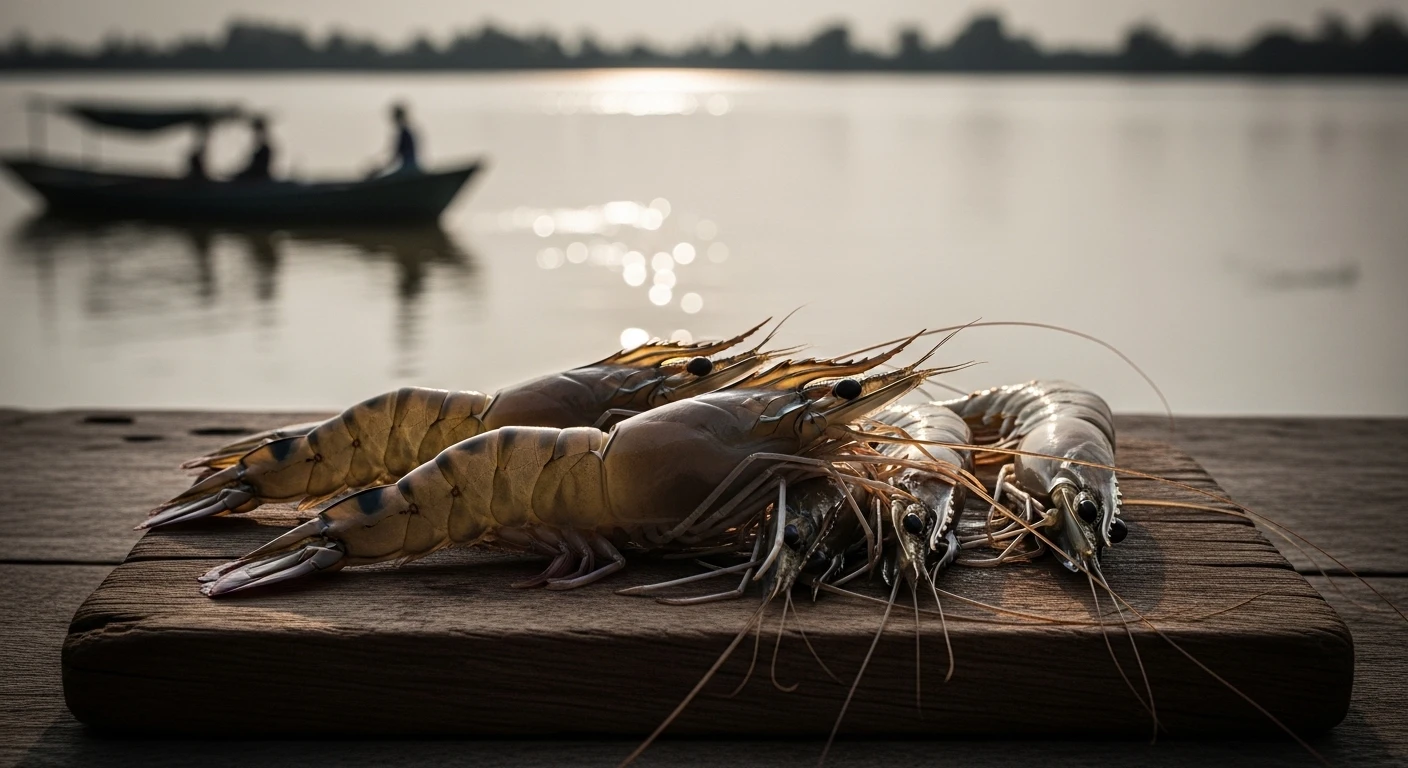
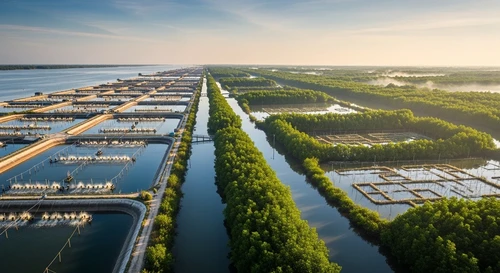
📸 The lifeblood of Ben Tre: Rivers that once teemed with freshwater life now battle the encroaching sea.
1 The Saltwater Tide: A Looming Threat
The Mekong Delta, a vast network of rivers and canals that forms Vietnam's agricultural heartland, is facing an unprecedented environmental challenge. Decades of upstream dam construction and, more acutely, increasingly severe droughts fueled by climate change, are altering the natural flow of the mighty Mekong River. This seismic shift allows saltwater from the East Sea (South China Sea) to push further inland than ever before. Ben Tre province, a region renowned for its abundant freshwater aquaculture, is on the front lines.
For generations, farmers here have cultivated species that thrive in freshwater, with giant freshwater prawns being a cornerstone of their livelihood and local cuisine. These prawns, characterized by their impressive size and sweet, succulent flesh, are prized commodities both domestically and internationally. However, the invading saline water is an existential threat to these delicate creatures.
Salinity Intrusion Explained
When freshwater sources dwindle and sea levels rise, denser saltwater flows upstream, contaminating rivers, canals, and groundwater. Freshwater species like the prized river prawn cannot survive these conditions, leading to mass die-offs and rendering vast tracts of aquaculture unusable.
The Impact on Yields
Prawn farms that were once predictably productive are now seeing drastically reduced yields. Many have failed entirely, forcing farmers to seek alternative, often less lucrative, livelihoods or attempt to switch to more salt-tolerant species, which requires significant investment and expertise.
2 The Ripple Effect: Price Hikes and Scarcity
The most immediate and visible consequence of this environmental crisis is the skyrocketing price of freshwater prawns in markets across Vietnam. What was once a relatively accessible delicacy is now becoming a luxury item, putting it out of reach for many.
Record Retail Prices
Reports from various markets indicate that retail prices for high-quality freshwater prawns have reached historic highs. This isn't just a minor fluctuation; it's a significant increase driven by genuine scarcity.
Consumer Impact
For consumers, this means smaller portions, fewer prawn-centric dishes, or the necessity to seek out more affordable, often less desirable, alternatives. Families that once celebrated with generous bowls of prawn noodle soup or grilled prawns now face difficult choices.
3 The Mekong Giant Freshwater Prawn: A Star Diminished
The 'Mekong Giant Freshwater Prawn,' often recognized by its long, distinctive blue claws, is more than just a seafood item; it's a symbol of the delta's bounty. Its rich head fat and firm, sweet meat make it a favorite for grilling, in hot pots, and as a centerpiece for celebratory meals.

Heritage Ingredient
Mekong Giant Freshwater Prawn
Mekong Giant Freshwater Prawn
A river prawn with long blue claws and rich head fat, common in grilled prawn dishes and hotpot traditions across the Mekong basin.
Majestic blue-clawed warriors of the Mekong, famous for their rich, fatty heads and a savory depth that captures the essence of the delta's rivers.
The current crisis means these magnificent crustaceans are becoming harder to source. Aquaculturists are struggling to maintain viable populations, and the remaining stock is in high demand, driving prices up exponentially. This scarcity affects not only the local market but also the export market, where these prawns are highly valued.
4 Adapting to a Changing Delta
The situation in the Mekong Delta is a stark reminder of the interconnectedness of environment, economy, and culture. As salinity intrusion intensifies, the traditional livelihoods of many communities are under threat.
Diversification of Aquaculture
Farmers are exploring more salt-tolerant species like shrimp (though often intensive farming methods have their own environmental concerns) or certain types of fish. However, this requires significant retraining and capital investment.
Infrastructure and Water Management
Investment in better water management systems, including sluice gates and reservoirs, is crucial to control saltwater intrusion and store freshwater resources during the dry season.
Support for Local Communities
Government and NGO support is vital. This includes financial aid for transitioning livelihoods, access to new technologies, and educational programs on sustainable aquaculture practices in a changing climate.
What Else is Affected?
The salinity crisis doesn't just impact prawns. It touches upon the entire delicate ecosystem and food culture of the Mekong Delta.
Rice Cultivation
Many rice varieties are highly sensitive to salt, impacting Vietnam's status as a global rice exporter.
Fruit Orchards
Famous delta fruits like durian and rambutan can suffer greatly from saline irrigation water.
Other Freshwater Species
Fish, clams, and other freshwater creatures vital to local diets and economies are also at risk.
More Than Just Prices
The financial strain is immense, but the human cost is even greater. Generations of knowledge about farming freshwater species are becoming obsolete. The social fabric of communities, often built around shared agricultural cycles and traditions, is fraying. When a farmer can no longer provide for their family from the land they have worked their entire lives, the despair can be profound.
The Mekong Delta's identity is intrinsically linked to its freshwater bounty. The encroaching salt is not just a chemical change; it's an erosion of heritage, a dilution of flavor, and a stark illustration of how global climate patterns directly impact local lives and culinary traditions.
A Taste of Scarcity
For those of us who travel to Vietnam, or savor its cuisine abroad, this crisis has tangible effects. The dishes we've come to love—delicate steamed prawns, rich prawn hot pots, flavorful prawn salads—may become less common, more expensive, or even disappear from menus in their traditional form.
It's a reminder to cherish the food we eat, to understand its origins, and to appreciate the complex factors, including environmental ones, that bring it to our plates. Supporting sustainable practices and advocating for climate action becomes not just an ethical choice, but a way to preserve the very flavors we cherish.
The Mekong's Plea
The soaring prices of freshwater prawns in Ben Tre are a symptom of a much larger, more complex environmental crisis gripping the Mekong Delta. It’s a critical call for global awareness and action on climate change, for sustainable water management policies, and for support for the communities on the front lines of this struggle.
As diners and travelers, we have a role to play. By educating ourselves, supporting ethical and sustainable food producers, and advocating for better environmental policies, we can help ensure that the vibrant flavors and rich agricultural heritage of the Mekong Delta can endure for generations to come.
More Mekong Delta Stories
View More Buyer's Guide
Surge in Demand for Giant Y1 Crabs from Chinese Buyers
Fierce competition at the borders pushes the price of 1kg+ size mud crabs to record highs, causing local shortages.
The Ba Khia Harvesting Season: A Midnight Mangrove Tour
Every October, locals head into the mud flats with flashlights to catch swarms of these crabs. A cultural phenomenon.
Review: The Famous Bun Mam Stall at Cai Rang Floating Market
An honest culinary review of eating pungent fermented noodle soup on a rocking wooden boat at 6 AM.
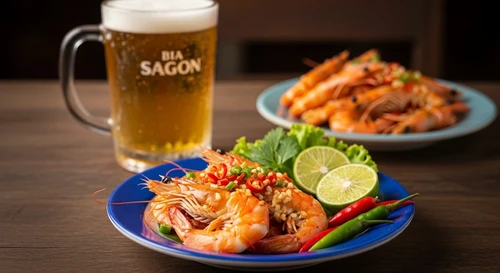
Startup: Secrets to Menu Pricing for High-Profit Seafood Restaurants and Pubs
Analyzing the strategy of selling seafood snacks combined with draft beer: Using at-cost shrimp and crabs as bait to profit from beverages.
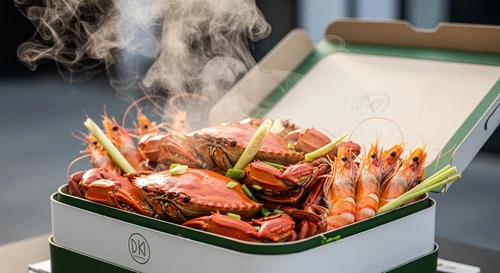
Massive Profits from a Fast & Convenient Seafood Takeaway Startup Model
The startup idea of portable, heat-retaining boxes of beer-steamed crabs and shrimp hits the psychological sweet spot of young people who don't want to cook.
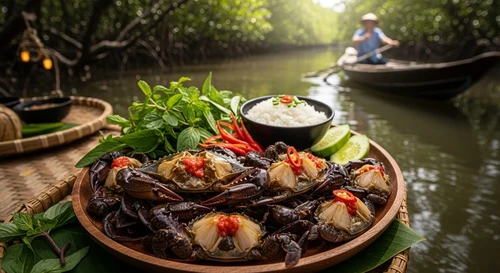
Eco-Tourism: Sustainable Harvesting of Ba Khia in Ca Mau
How local communities are balancing the booming demand for salted crab with the preservation of mangrove ecosystems.

Agricultural Startup Uses Artificial Intelligence (AI) to Analyze Tiger Prawn Health at the Bottom of the Pond
Underwater camera systems detect early signs of sluggish or white-spotted prawns and send alerts directly to smartphones.
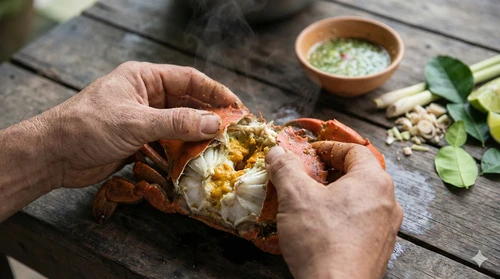
How to Eat Mud Crab Like a Pro
Extract every bit of meat without wasting anything.
The Shift from Intensive to Extensive Shrimp Farming
Why some Mekong Delta farmers are abandoning high-density ponds in favor of traditional, low-risk ecological farming.