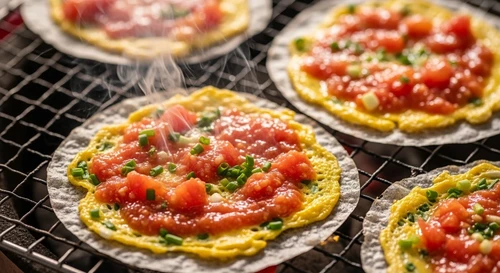
" Forget delicate bites. This is a primal urge, a call to arms for your taste buds. It’s the kind of dish that makes you forget decorum, forget the fine china, and just dive in with chopsticks, then fingers, scraping the bottom of the pot for every last speck of sticky sauce. "

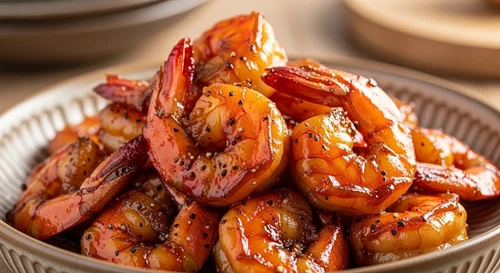
📸 The color of pure flavor: A glistening, caramelized coating on the mantis shrimp.
1 Where the Wild Things Are: Mantis Shrimp from the Delta
Forget farmed salmon or predictable prawns for a moment. Let's talk about the warriors of the shallow seas and estuarine channels of the Mekong Delta: the Mantis Shrimp, or Tôm Tít as it’s known locally. These aren't your average crustaceans. With their armored exoskeletons and formidable appearance, they might seem intimidating, but their flesh is a revelation – firm, sweet, and uniquely flavorful.
In the Mekong, particularly in coastal provinces like Ca Mau, where mangrove forests meet the sea, the harvesting of such creatures is a way of life. These aren't just ingredients; they are gifts from a dynamic ecosystem.
The Hunter
Mantis shrimp are predatory. Their powerful strike is legendary. This predatory nature contributes to their dense, firm, and intensely sweet flesh.
Delta Provenance
Sourced from the brackish waters and coastal areas, the quality of Mekong Delta mantis shrimp is directly tied to the health of its mangrove habitats and marine environment.
Handling these beauties requires a bit of courage. The hard shell must be expertly peeled, revealing the prize within. And then, the magic happens.
2 The Taste Bud Tango
This dish is a masterclass in balancing opposing forces. It’s a vibrant collision of flavors that somehow achieves perfect harmony.
Sweetness
From the mantis shrimp itself, a natural sweetness that is elevated, not masked, by the sauce.
Sourness
The star player: Tamarind paste. It provides a tangy, mouth-puckering acidity that cuts through richness and awakens the palate.
Savory & Spicy
Garlic, chilies, and a touch of fish sauce or soy sauce create a deep, umami-rich foundation, with a kick of heat to keep things interesting.
The magic is in the sauce. A thick, glossy concoction that clings to every crevice of the mantis shrimp, a sticky testament to the power of simple, bold flavors.
3 The Art of the Sear
This isn't a gentle simmer; it's a high-heat dance. The goal is to caramelize the sauce, creating a sticky, almost candy-like glaze that seals in the shrimp’s juices.
Preparation is Key
- Peeling: This is the most labor-intensive part. Using kitchen shears or a sharp knife, carefully cut along the underside of the mantis shrimp’s shell. Gently pull the shell away to reveal the meat. For larger shrimp, you might want to make a shallow cut down the back to ensure the sauce penetrates.
- Sauce Base: Whisk together tamarind paste (seedless), minced garlic, minced chili, fish sauce (or soy sauce for a vegetarian option), a pinch of sugar, and a splash of water to achieve desired consistency.
The Sizzle
- High Heat: Get your wok or large skillet smoking hot. Add a generous amount of cooking oil.
- Aromatics First: Briefly sauté minced garlic and chili until fragrant. Be careful not to burn.
- The Shrimp: Add the peeled mantis shrimp and stir-fry quickly for 1-2 minutes until they just start to turn pink.
- The Sauce Magic: Pour in the prepared tamarind sauce. Toss and stir-fry vigorously. The sauce will bubble, thicken, and coat the shrimp beautifully. This should only take another 2-3 minutes. You want the shrimp cooked through but still succulent, and the sauce reduced to a sticky glaze.
4 The Rice Imperative
This dish is incomplete without a mountain of steamed rice. Plain, fluffy white rice is the only canvas capable of handling this explosion of flavor. The goal here is to use the rice to soak up every last drop of that glorious, sticky tamarind sauce.

📸 The perfect vehicle for flavor.
On a cold, rainy day, as the description suggests, there are few things more comforting than a steaming plate of this mantis shrimp alongside a generous bowl of rice. The richness of the sauce, the sweetness of the shrimp, and the warmth of the rice combine into a truly soul-satisfying meal.
5 A Taste of the Mekong's Bounty
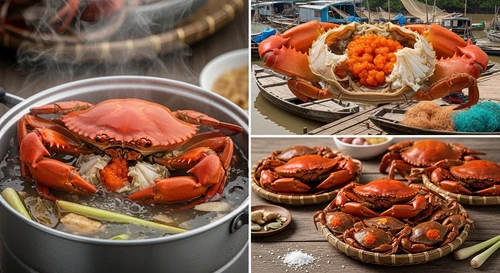
While mantis shrimp are a star, the Mekong Delta teems with other incredible seafood that can be prepared with similar bold flavors. Imagine the sweet, dense meat of a Ca Mau Jumbo Mud Crab, or the succulent flesh of a Ca Mau Black Tiger Shrimp, given the same sweet and sour tamarind treatment. The key is the quality of the ingredient – fresh, vibrant, and full of natural flavor.
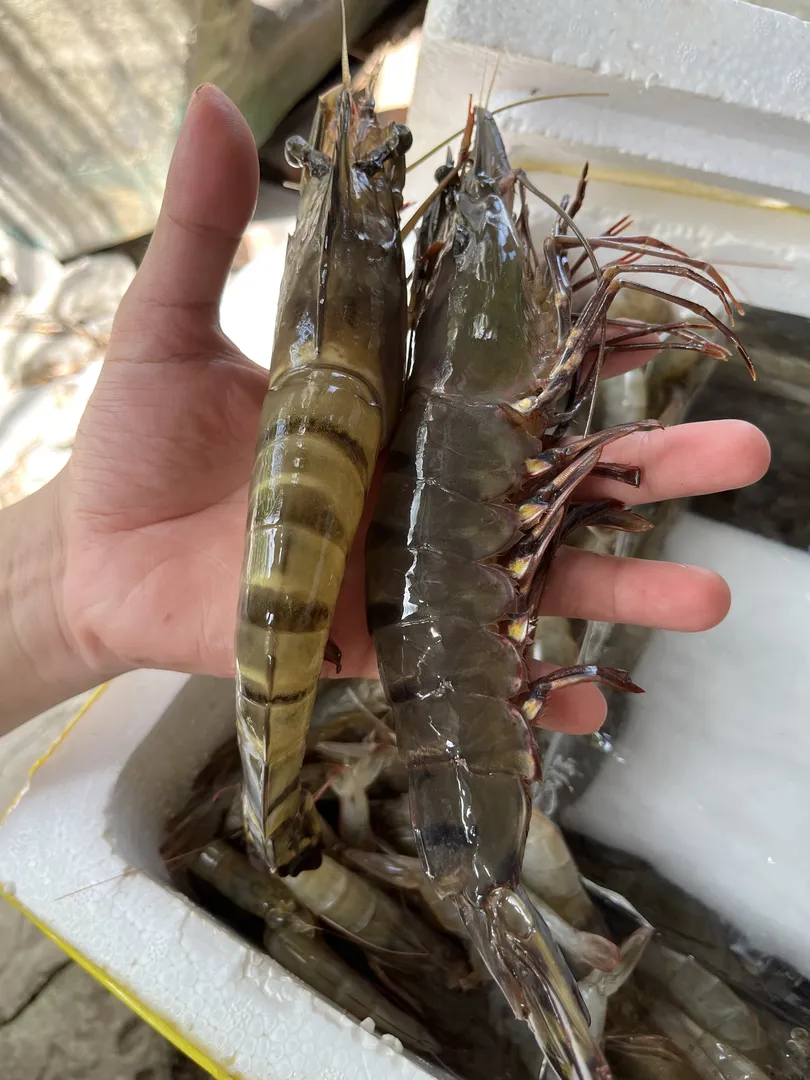
Heritage Ingredient
Ca Mau Black Tiger Shrimp
Ca Mau Black Tiger Shrimp
Large black tiger shrimp associated with mangrove aquaculture in Ca Mau, known for firm flesh and a cleaner, sweeter finish than intensively farmed shrimp.
Wild spirits of the mangroves, these black-banded gems deliver a firm, snappy texture and a sweetness that echoes the forest's vibrant life.

Heritage Ingredient
Mekong Giant Freshwater Prawn
Mekong Giant Freshwater Prawn
A river prawn with long blue claws and rich head fat, common in grilled prawn dishes and hotpot traditions across the Mekong basin.
Majestic blue-clawed warriors of the Mekong, famous for their rich, fatty heads and a savory depth that captures the essence of the delta's rivers.
The versatility of tamarind, garlic, and chili as a flavor base in Vietnamese cuisine, particularly in the South, is remarkable. It transforms humble ingredients into unforgettable dishes.
6 Umami Bomb: A Touch of Mam Tom Chua
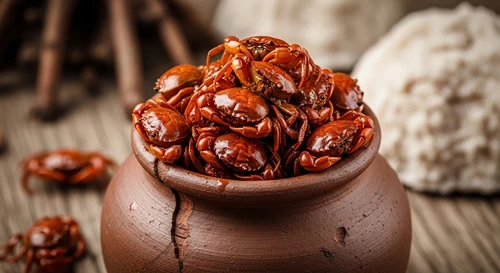
For those who dare to explore deeper into authentic Southern Vietnamese flavors, a small addition of Fermented Sour Shrimp (Mekong Style) to the tamarind sauce can elevate this dish from merely delicious to transcendent. It adds a layer of pungent, fermented umami that is complex and utterly addictive.

Heritage Ingredient
Fermented Sour Shrimp (Mekong Style)
Fermented Sour Shrimp (Mekong Style)
A Southern Vietnamese fermented shrimp preserve made with garlic, chili, and shredded green papaya, often served with boiled pork, rice paper, or plain rice.
A vibrant dance of flavors—sour, spicy, and sweet—where tender shrimp and crunchy papaya create a masterpiece of Southern preserved heritage.
This is not for the faint of heart, but for the culinary adventurer, it’s a game-changer, turning a great dish into something truly legendary, a flavor profile that lingers long after the last grain of rice has been consumed.
7 Chef's Wisdom & Warnings
🔥 Don't Overcook the Shrimp!
🌶️ Adjusting the Heat
💪 Tackling the Shell
8 The Rice-Demanding Champion
It's the texture: the firm snap of the mantis shrimp, the glossy, slightly chewy coating of the tamarind glaze. It's the flavor: the sweet, sour, savory, spicy symphony that constantly surprises and delights. And it's the sheer, unadulterated satisfaction of using your rice as a sponge, a shovel, and a transport system for this intensely flavorful sauce. It’s primal. It’s honest. It’s the kind of food that makes you happy to be alive, and even happier to have a second bowl of rice. In a region where rice is king, this dish reigns supreme.