" For generations, the Mekong Delta has been Vietnam's rice bowl. But look closer, and you'll see another golden harvest emerging from its intricate waterways – shrimp. And it's not just any shrimp; it's a revolution in a pond. "
1 The Mekong Delta: A Fertile Ground for Shrimp
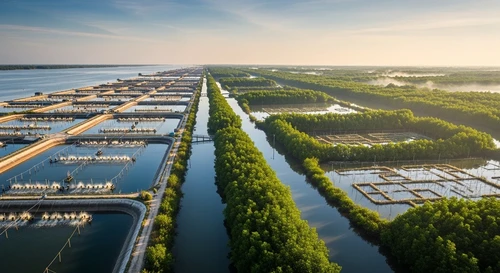
Picture this: a sprawling labyrinth of rivers, canals, and estuaries, teeming with life. This is the Mekong Delta, the 'rice bowl' of Vietnam, and increasingly, a powerhouse of aquaculture. For years, farmers here relied on traditional, often extensive, methods. But the landscape is shifting. Driven by global demand for high-quality seafood and the urgent need for sustainability, a new breed of farmer is emerging. They are embracing science, technology, and rigorous standards to transform their ponds into highly productive, environmentally conscious farms.
The whiteleg shrimp, or *Litopenaeus vannamei*, has become the star player in this transformation. While the majestic black tiger shrimp (Penaeus monodon) still holds a special place, the whiteleg shrimp offers remarkable growth rates and adaptability, making it ideal for intensive farming models that are now dominating the delta's aquaculture scene. This isn't just about producing more shrimp; it's about producing *better* shrimp, sustainably.
📸 A glimpse of the future: Shrimp ponds in the Mekong Delta, where technology meets tradition.
2 The Microscopic Revolution: Harnessing Nature's Power
The real magic lies beneath the surface, in the water itself. Traditional shrimp farming often suffers from water quality issues, disease outbreaks, and reliance on chemical treatments. Enter microbiological technology and water recirculation. This is where the delta's farmers are truly innovating.
Microbiological Magic
Instead of fighting microbes with harsh chemicals, these farms cultivate beneficial bacteria. These 'good' microbes outcompete harmful pathogens, break down organic waste, and help maintain a stable, healthy aquatic environment. It's akin to building a robust, natural immune system for the pond.
Water Wisdom: Recirculation Systems
Water is a precious resource, especially in a delta facing environmental pressures. Recirculation systems drastically reduce the need for fresh water exchange. Wastewater is filtered, treated (often biologically), and reintroduced into the pond. This conserves water, minimizes the discharge of pollutants, and creates a closed-loop system that is both efficient and environmentally responsible.
This integrated approach means healthier shrimp, reduced mortality rates, fewer disease outbreaks, and ultimately, higher yields. Farmers are reporting impressive gains, turning what was once a gamble into a predictable, profitable enterprise.
3 VietGAP Certification: The Mark of Quality
In today's global market, consumer trust is paramount. This is where the VietGAP (Vietnamese Good Agricultural Practices) standard comes into play. It's more than just a certification; it's a promise. VietGAP outlines rigorous guidelines for every stage of the farming process, ensuring shrimp are raised safely, responsibly, and with minimal environmental impact.
Farms adopting these advanced microbiological and recirculation techniques are finding it far easier to meet VietGAP requirements. The inherent stability and health of their farming systems lead to shrimp that are naturally robust and free from harmful contaminants. This translates directly into high-quality seafood that meets the stringent demands of international markets, from Japan and Europe to North America. The financial rewards? Substantial. We're talking about revenues reaching "tens of billions" of Vietnamese Dong, a testament to the success of this modernized approach.
Representative Shrimp
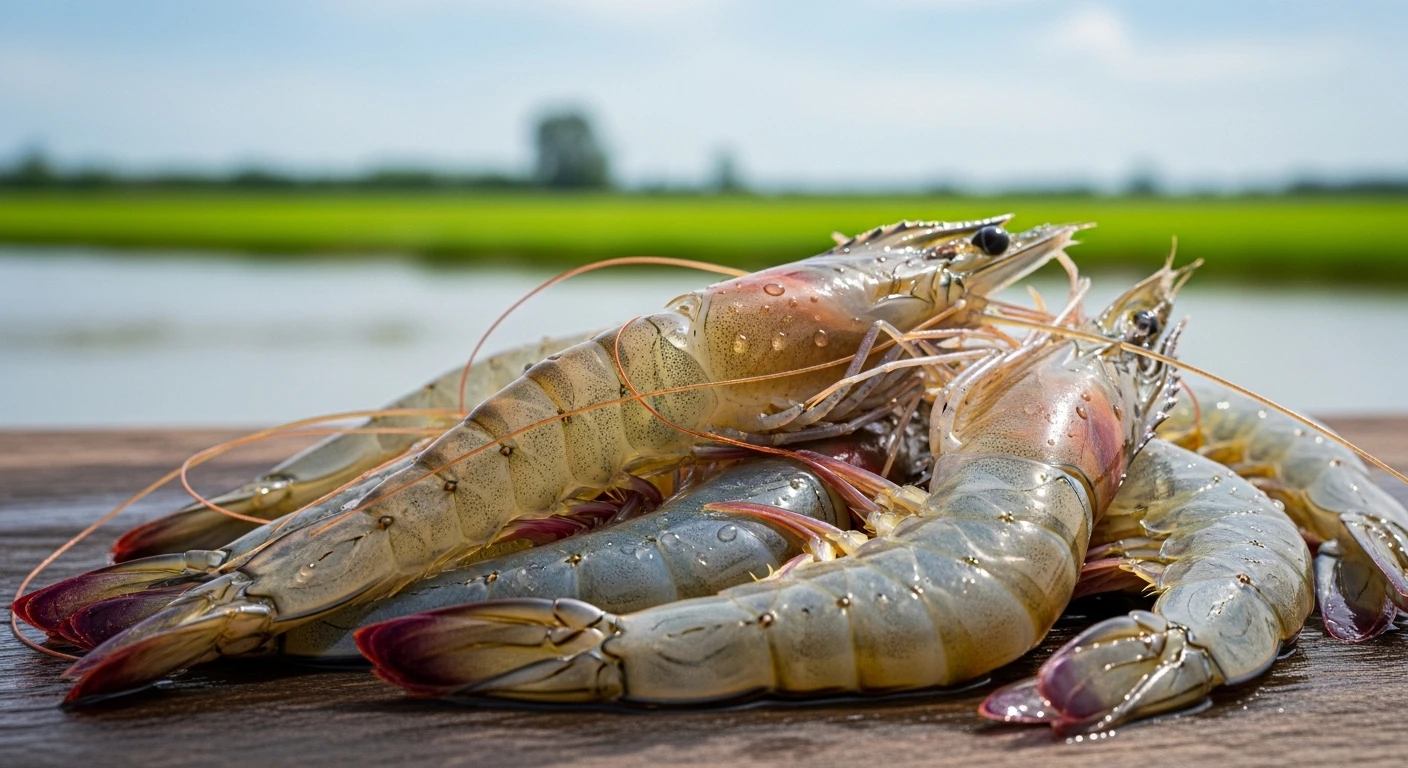
The whiteleg shrimp is a globally popular species, prized for its mild flavor and firm texture. Vietnamese farmers are now producing it at exceptional quality and scale.
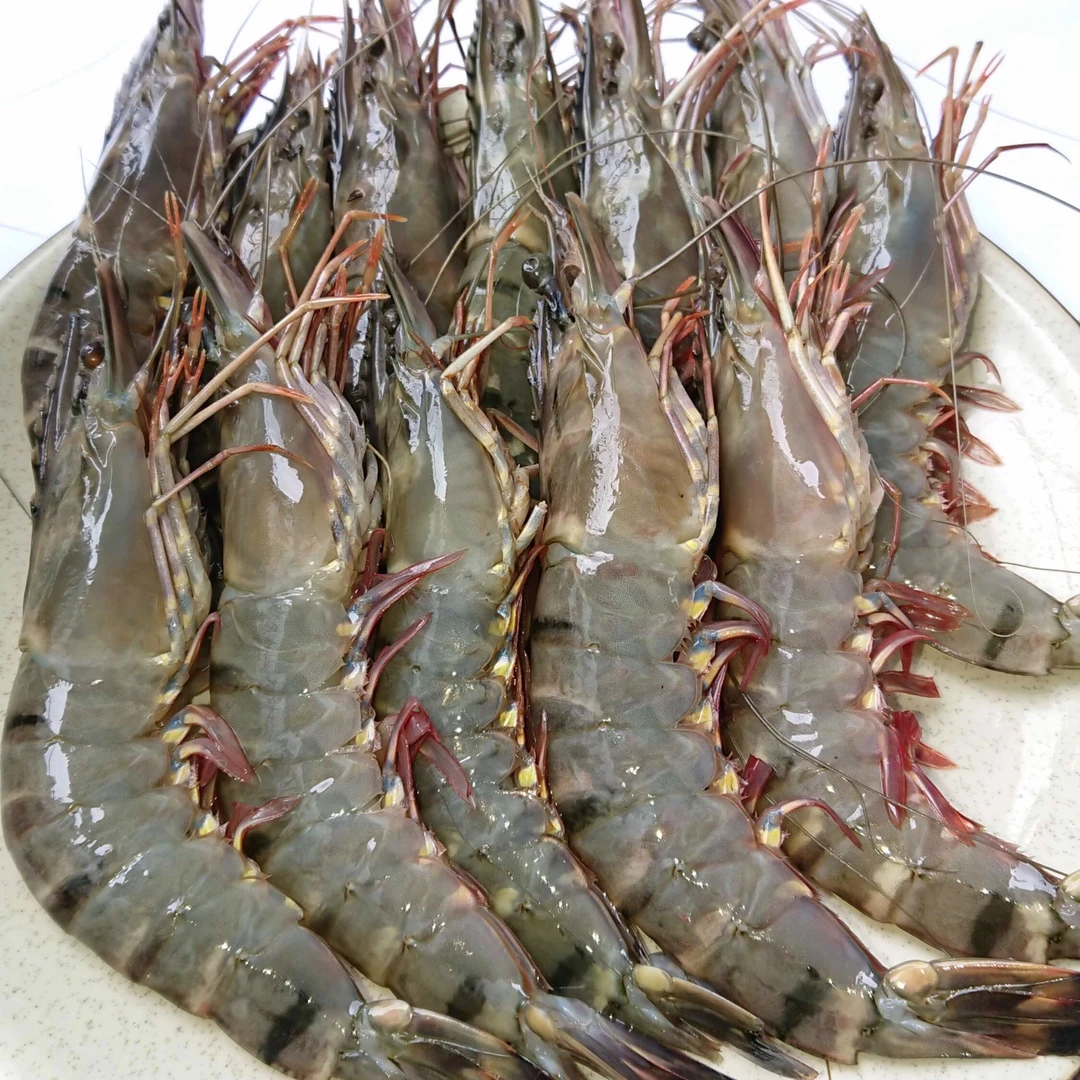
Heritage Ingredient
Whiteleg Shrimp
Whiteleg Shrimp
A widely used shrimp in Vietnamese home kitchens, suitable for stir-fries, soups, steamed dishes, and practical cooking articles that need a familiar shrimp reference.
Translucent jewels of the coast, thin-shelled and remarkably sweet, making every simple home meal feel like a seaside celebration.
4 The Golden Yield: Financial Success in the Delta
The numbers speak for themselves. Farms implementing these advanced, sustainable practices are reporting revenues that truly impress. "Tens of billions" of Vietnamese Dong – a figure that signifies not just profit, but a thriving, modernized industry. This financial success is creating a ripple effect:
- Empowered Farmers: This isn't just about increasing income; it's about providing farmers with the tools and knowledge to build resilient, profitable businesses.
- Job Creation: The expansion of high-tech aquaculture is generating new employment opportunities in the delta, from pond management to processing.
- Strengthened Export Market: Vietnam's position as a leading global seafood exporter is further solidified by the consistent quality and volume of VietGAP-certified shrimp.
This success is a powerful endorsement of the shift towards smart, sustainable aquaculture. It proves that environmental responsibility and economic prosperity can go hand in hand.
5 Navigating the Currents: Future of Mekong Shrimp Farming
While the progress is undeniable, the journey isn't without its challenges. Climate change, fluctuating market prices, and the ongoing need for technological adaptation require constant vigilance. However, the groundwork laid by the adoption of VietGAP standards and advanced farming techniques is robust.
The future of shrimp farming in the Mekong Delta looks increasingly bright. Continued investment in research, farmer education, and infrastructure will be key. The commitment to sustainability and quality demonstrated by these progressive farmers ensures that the Mekong's golden shrimp harvest will continue to flourish for years to come, feeding the world while respecting the vital ecosystem that sustains it.
6 A Taste of the Delta
This focus on high-quality, sustainably farmed shrimp is intrinsically linked to the broader culinary identity of the Mekong Delta. The region is renowned for its fresh ingredients, its vibrant flavors, and its deep connection to the natural bounty of its waters.
Imagine a simple, yet profound dish: freshly steamed VietGAP whiteleg shrimp, served with a zesty lime and chili dipping sauce. The sweetness of the shrimp, enhanced by the clean, bright flavors of the delta's produce, is a true reflection of its origins. These aren't just shrimp; they are a product of skilled husbandry, environmental stewardship, and a culinary heritage that cherishes purity and flavor. This commitment to quality at the source means that the seafood emerging from the Mekong Delta is not only a triumph of modern aquaculture but a direct gateway to the soul of Southern Vietnamese cuisine.
7 The Winning Formula: VietGAP Meets Modern Tech
The synergy between the rigorous VietGAP standards and cutting-edge microbiological and water recirculation technologies is what truly sets this farming model apart. It's a holistic approach that addresses productivity, sustainability, and food safety simultaneously.
Key Pillars of Success:
VietGAP
Ensures safety, quality, and environmental responsibility.
Microbiology
Cultivates beneficial bacteria for pond health and disease prevention.
Recirculation
Conserves water and minimizes environmental discharge.
8 Your Plate, Their Progress
For the global consumer, this revolution in the Mekong Delta translates into access to shrimp that is not only delicious but also reliably safe and produced with an eye toward the planet's well-being. When you choose shrimp labeled with VietGAP standards, you're supporting a system that values health, sustainability, and responsible farming practices. You're part of a chain that’s making a real difference, from the intricate waterways of Vietnam to your dinner table.
More on Sustainable Futures
View More Buyer's Guide
Daily Price Update: Binh Dien Wholesale Market Report
Current bulk pricing for mud crabs, tiger shrimp, and squid at Ho Chi Minh City's primary seafood distribution hub.
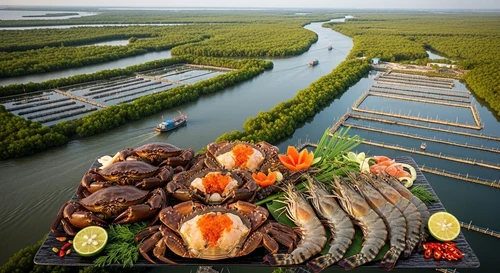
Vietnam's Seafood Export Goals for 2026: A $10 Billion Vision
Economic insights into how premium products like mud crabs and tiger shrimp are driving Vietnam's agricultural economy.
VAT Reduction on Domestic Seafood: Will Prices Drop in 2026?
Analyzing the impact of the government's macroeconomic tax policies on the daily grocery bills of Vietnamese consumers.
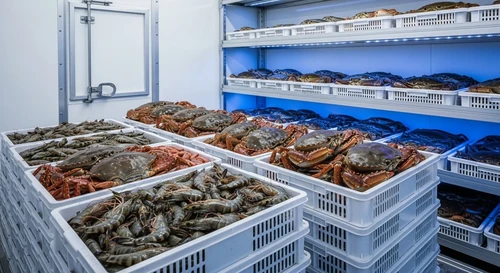
Post-Pandemic Cold Chain Logistics Expansion in Vietnam
How investments in refrigerated transport are drastically reducing the mortality rate of live seafood shipments.
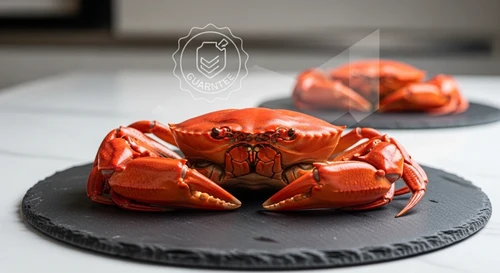
Navigating the '1-for-1 Warranty' Promise in Seafood Retail
Is it a marketing gimmick or genuine customer service? Analyzing the Customer Lifetime Value strategy of modern seafood chains.
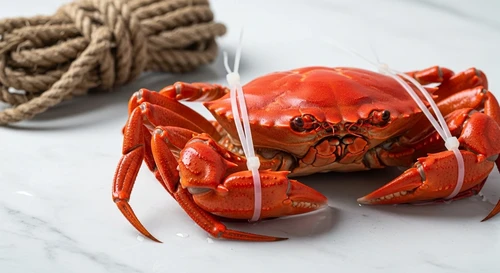
Zero-Weight Tying Strings: A New Standard for Vietnamese Seafood
How major seafood brands are building consumer trust by replacing heavy mud-soaked ropes with ultra-thin plastic zip ties.
The Shift from Intensive to Extensive Shrimp Farming
Why some Mekong Delta farmers are abandoning high-density ponds in favor of traditional, low-risk ecological farming.
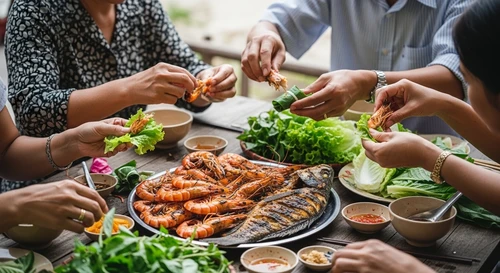
Dining Etiquette: Is it Okay to Use Hands?
Cultural norms when eating seafood in Vietnam.
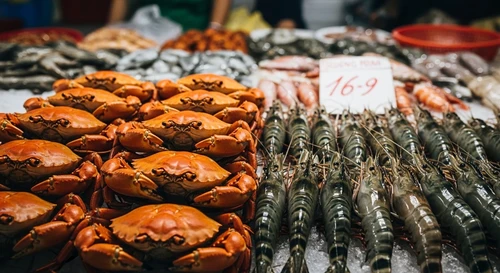
Lunar New Year (Tet) Price Forecast for Premium Seafood
Traders predict a 30% spike in roe crab and tiger shrimp prices as corporate gifting shifts from wine to high-end seafood.