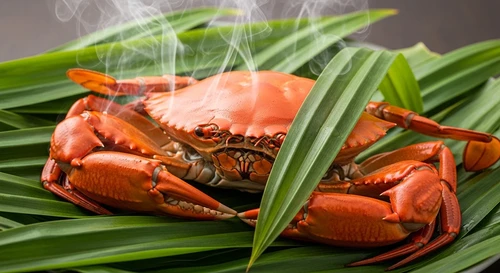
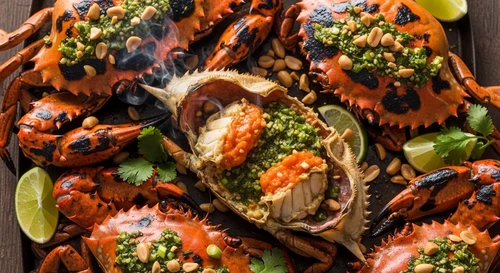
" The currents are shifting, and for Vietnam's coastal communities in Central Vietnam, they're bringing opportunity. A discerning market in South Korea, armed with a new appetite and reduced tariffs, is opening its doors to the humble treasures harvested from the country's fertile waters: scallops and oysters. This isn't just about seafood; it's a testament to Vietnam's growing influence on the global culinary stage. "
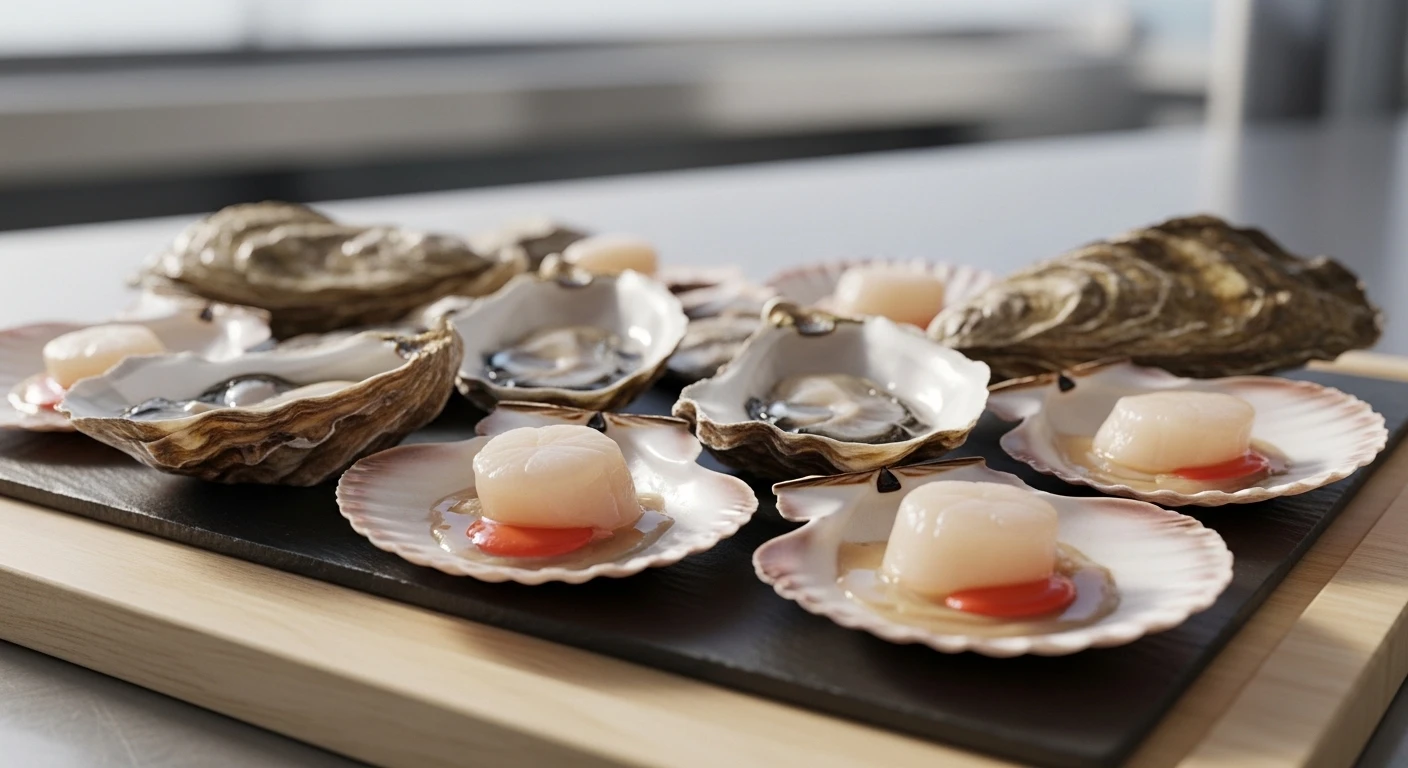
📸 The future is fresh: Pristine half-shell scallops and oysters, ready for market.
1 A Palate for Purity: South Korea's Demand
South Korea boasts one of the most sophisticated seafood markets in Asia. Consumers there are not just looking for quantity; they demand quality, freshness, and traceability. Their palate leans towards clean, oceanic flavors, making bivalves like scallops and oysters particularly appealing. These delicate mollusks, when harvested and processed correctly, offer a pure taste of the sea that resonates deeply.
The recent reduction in import tariffs by the South Korean government is a game-changer. It signals a strategic move to bolster its own food security and diversify supply chains, but more importantly, it dramatically lowers the barrier to entry for exporters. For Vietnamese producers, this translates into a significant competitive advantage, making their high-quality products more accessible and attractive to Korean buyers.
Market Size
The South Korean seafood market is valued in the billions of dollars, with a strong and consistent demand for premium shellfish.
Consumer Preferences
Emphasis on freshness, natural flavors, and safe, hygienic processing methods.
2 From the Delta's Embrace: Central Vietnam's Coastal Harvest
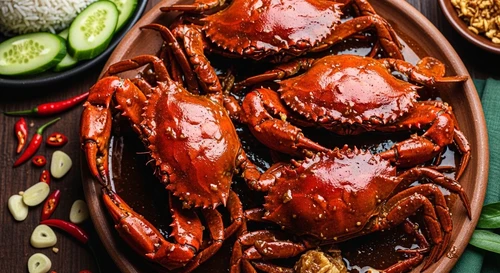
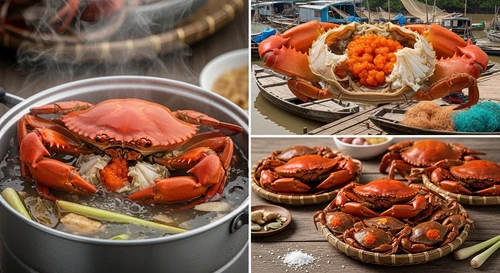
While the Mekong Delta is globally renowned for its mud crabs – delicacies like the Ca Mau Jumbo Mud Crab or the Ca Mau Roe Mud Crab, prized for their sweet meat and rich roe respectively – Vietnam's coastal regions possess a diverse aquatic wealth. Central Vietnam, with its long coastline and sheltered bays, is an ideal habitat for cultivating and harvesting high-quality scallops and oysters.
These bivalves thrive in nutrient-rich waters, absorbing the essence of the sea. Unlike the frantic energy of the delta's rivers, these are calmer, more deliberate harvests. Think of dedicated oyster farms nestled in tranquil inlets, or scallop dredging operations conducted with a keen understanding of marine ecosystems. The processing plants in these areas are increasingly investing in modern technology to meet international standards, ensuring that the journey from water to market is one of impeccable hygiene and quality control.
This development is not merely an economic opportunity; it's an evolution of Vietnam's seafood industry. It signifies a move towards higher-value products and a deeper integration into global food systems, leveraging the country's natural endowments beyond its most famous exports.
3 From Catch to Consumer: The Processing Plant's Role
The success of these exports hinges on the capability of Vietnam's seafood processing sector, particularly those plants situated in Central Vietnam specializing in bivalve mollusks. These facilities are the crucial bridge between the raw, ocean-fresh product and the discerning South Korean consumer.
Key Processing Capabilities:
- State-of-the-Art Freezing: Rapid flash-freezing technologies are essential to lock in the delicate texture and flavor of scallops and oysters, mimicking the freshness of their live counterparts.
- Strict Quality Control: Implementing HACCP, ISO, and other international food safety standards is non-negotiable. This includes rigorous checks for contaminants and ensuring product integrity throughout the supply chain.
- Efficient Packaging: Customized packaging solutions that maintain product quality during transit, from vacuum-sealed options to IQF (Individually Quick Frozen) methods, are vital for Korean market requirements.
- Traceability Systems: South Korean consumers value knowing where their food comes from. Robust traceability from harvest to export is a significant selling point.
Companies that have invested in these areas are now poised to reap significant rewards. The ability to consistently deliver a high-quality, safe, and traceable product is what will win contracts and build long-term relationships with Korean importers.
4 Navigating the Tides: Challenges and Horizons
While the outlook is overwhelmingly positive, challenges remain. Maintaining consistent quality across different harvest seasons and geographical locations within Vietnam requires vigilant oversight. Sustainability in harvesting practices is also paramount; overfishing or irresponsible aquaculture could jeopardize long-term access to this lucrative market.
Challenges:
- Maintaining consistent quality and scale.
- Ensuring adherence to stringent Korean food safety regulations.
- Sustainable harvesting and aquaculture practices.
- Logistical complexities of international cold chain management.
Opportunities:
- Dominating a growing niche market in South Korea.
- Driving innovation and technological adoption in Vietnamese processing plants.
- Boosting rural economies in Vietnam's coastal regions.
- Enhancing Vietnam's reputation as a premium seafood supplier.
The potential is vast. With strategic investments in processing infrastructure, robust quality control, and a commitment to sustainability, Vietnam's scallop and oyster exports to South Korea are set to become a significant success story.

5 Harvesting the Future: Sustainability and the Mekong's Coastal Influence
The expansion of Vietnam's export markets for products like scallops and oysters is intrinsically linked to the health of its marine and coastal environments. While our focus here is on Central Vietnam's coastlines, it's impossible to discuss Vietnamese seafood without acknowledging the broader ecosystem. The Mekong Delta, though known for its freshwater and brackish species, shares an interconnectedness with the coastal zones. The principles of responsible aquaculture and fishing that are gaining traction in the Delta’s mangrove ecosystems – ensuring minimal environmental impact and supporting local livelihoods – are equally vital for the success of marine bivalve farming.
For processors and exporters, embracing sustainability isn't just an ethical choice; it's a market requirement. Buyers in developed markets like South Korea are increasingly scrutinizing the environmental footprint of their food sources. This means adopting practices that protect marine biodiversity, minimize pollution, and ensure fair labor conditions. As Vietnam solidifies its position as a leading seafood exporter, championing sustainable methods will be key to unlocking long-term, global market access and ensuring that these bountiful opportunities benefit both the economy and the environment for generations to come.
6 The Economic Ripple Effect
The implications of this trade agreement extend far beyond the processing plants themselves. A surge in demand for scallops and oysters will create a powerful ripple effect throughout Vietnam's coastal economy.
Direct Impact
- Increased orders for shellfish farmers and fishers, providing stable income.
- Job creation in processing, packaging, logistics, and quality assurance.
- Investment in upgraded facilities and technology.
Indirect Benefits
- Growth in supporting industries (e.g., packaging materials, cold storage, transportation).
- Increased foreign exchange earnings for Vietnam.
- Potential for further market diversification into other high-value seafood products.
This is a clear demonstration of how strategic trade policies, coupled with domestic capacity building, can unlock significant economic growth. The billion-dollar potential is not an exaggeration; it reflects the growing demand for premium, sustainably sourced seafood and Vietnam's readiness to meet it.
7 Charting the Course: Vietnam's Seafood Ambitions
The success in the South Korean market for scallops and oysters is more than just a bilateral trade story; it's a blueprint for Vietnam's future in the global seafood arena. The country has vast aquatic resources and a growing understanding of international market demands. By focusing on value-added products, adhering to stringent quality and safety standards, and prioritizing sustainable practices, Vietnam can continue to expand its reach into other demanding markets.
This trend towards higher-value exports signals a maturation of the Vietnamese seafood industry, moving beyond basic commodity trading to become a sophisticated player capable of meeting the complex needs of consumers worldwide. The journey from the tranquil bays where oysters are farmed, to the bustling ports of South Korea, represents a powerful testament to Vietnam's potential on the world stage.
8 Seizing the Opportunity: A Call to Action
For Vietnamese seafood processing plants and exporters, the message is clear: the South Korean market is ripe for the taking. This is an opportune moment to invest in capacity, refine processing techniques, and strengthen international partnerships. The reduced tariffs are an open door, but success will depend on the industry's ability to consistently deliver the quality and reliability that discerning international buyers expect.
By focusing on innovation, sustainability, and market-specific demands, Vietnam can solidify its position as a premier supplier of high-value seafood, with its half-shell scallops and oysters leading the charge into new economic frontiers.