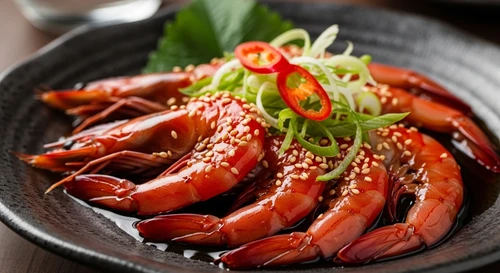
" This isn't fancy, nor is it complicated. It's about the primal satisfaction of fire meeting flesh, of the sweet brine of the sea kissed by smoke. "
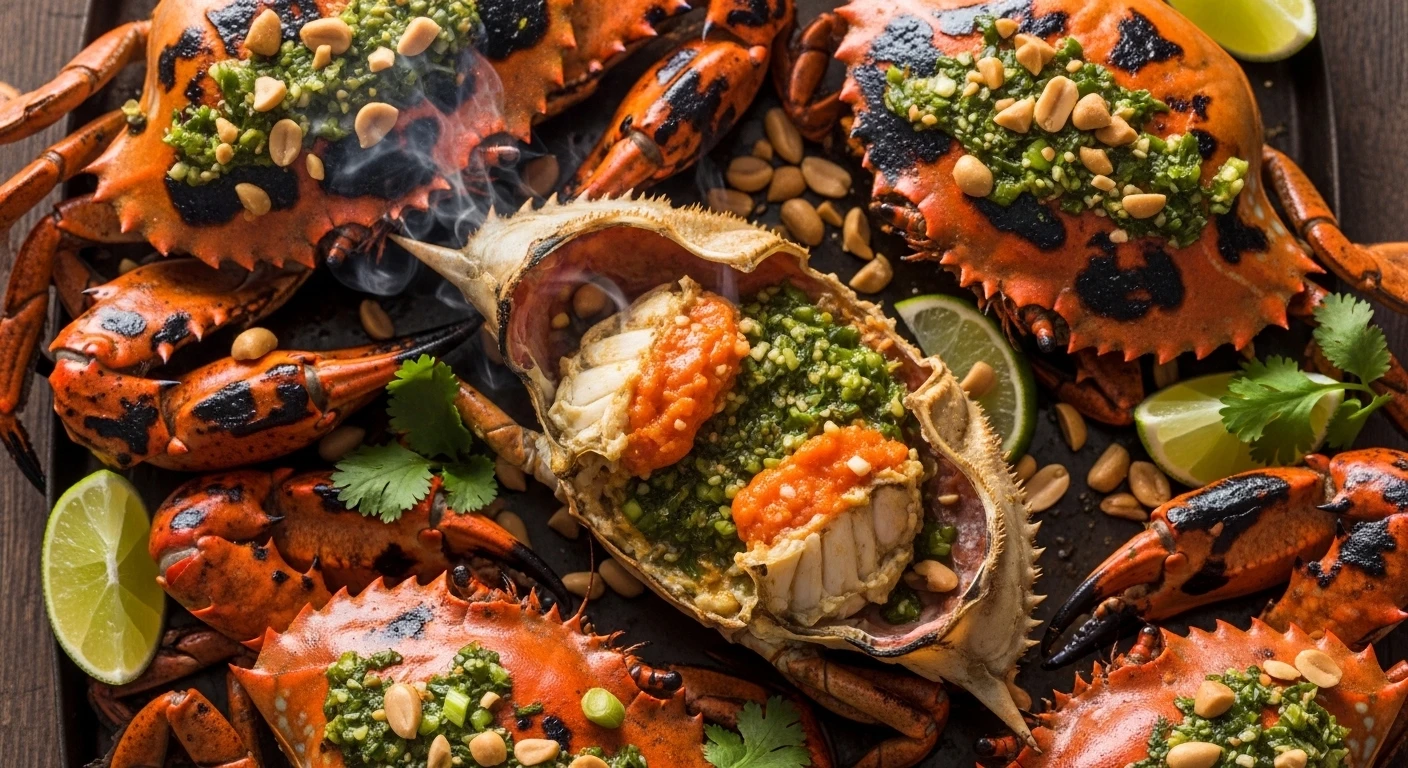
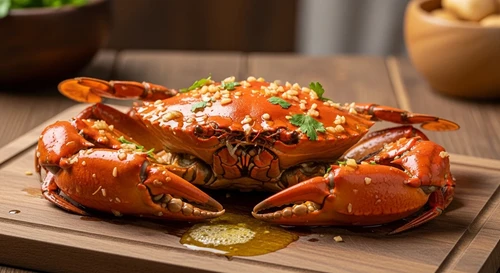
📸 The star of the show: Beautifully halved crab, glistening under the scallion oil.
1 From the Mangroves: A Taste of Ca Mau
The Mekong Delta, particularly the southern provinces of Ca Mau, is synonymous with some of the finest seafood in Vietnam. Its intricate network of rivers, canals, and coastal mangroves provides a unique ecosystem where crustaceans thrive. The mud crab (cua bùn), especially from Ca Mau, is prized for its dense, sweet meat and is the undisputed star of many regional dishes.
This grilled crab is more than just a recipe; it's a testament to the bounty of the Delta. It speaks of coastal livelihoods, of families gathering by the water's edge, and the simple joy of sharing a freshly caught meal cooked over an open flame. The preparation is straightforward, allowing the natural sweetness of the crab to take center stage, enhanced by just a few perfectly chosen aromatics.
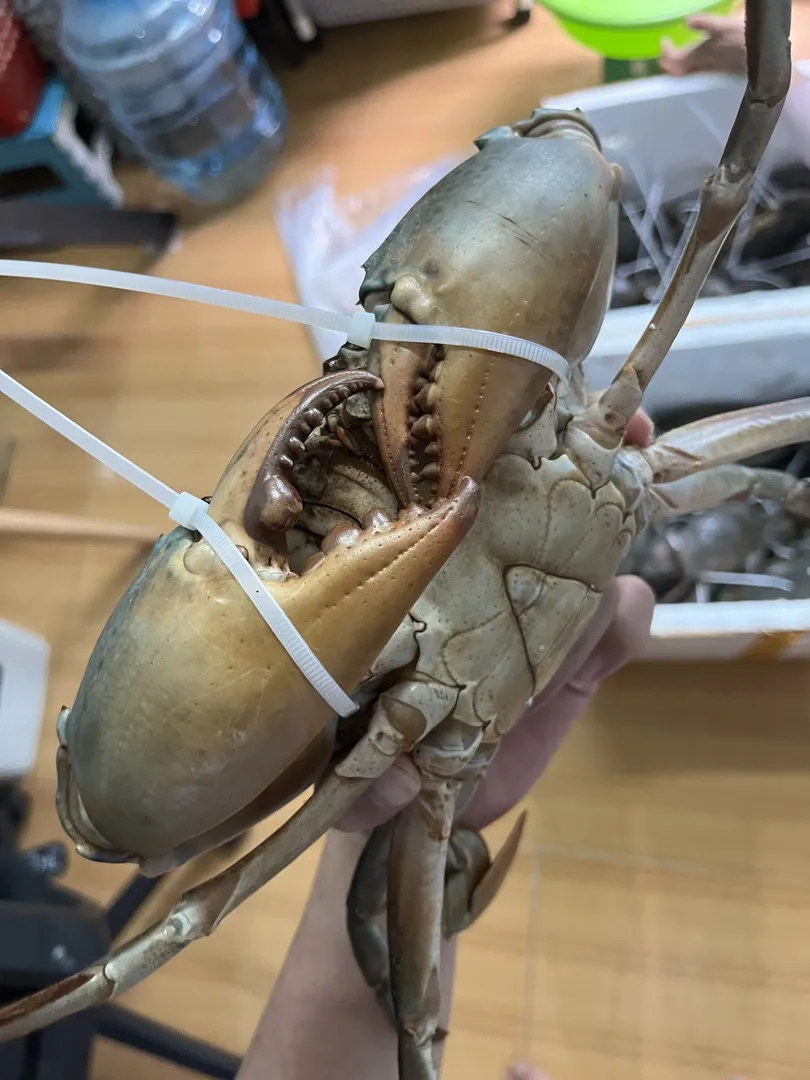
Heritage Ingredient
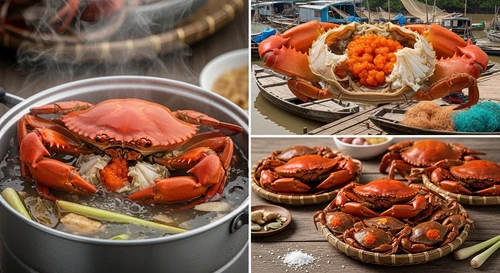
Ca Mau Jumbo Mud Crab
Ca Mau Jumbo Mud Crab
A large male mud crab prized for dense, sweet meat and thick claws, commonly used in steamed crab and grilled crab dishes across the Mekong Delta.
An icon of coastal culinary heritage, featuring firm, sweet meat that captures the raw power and freshness of Ca Mau's tides.
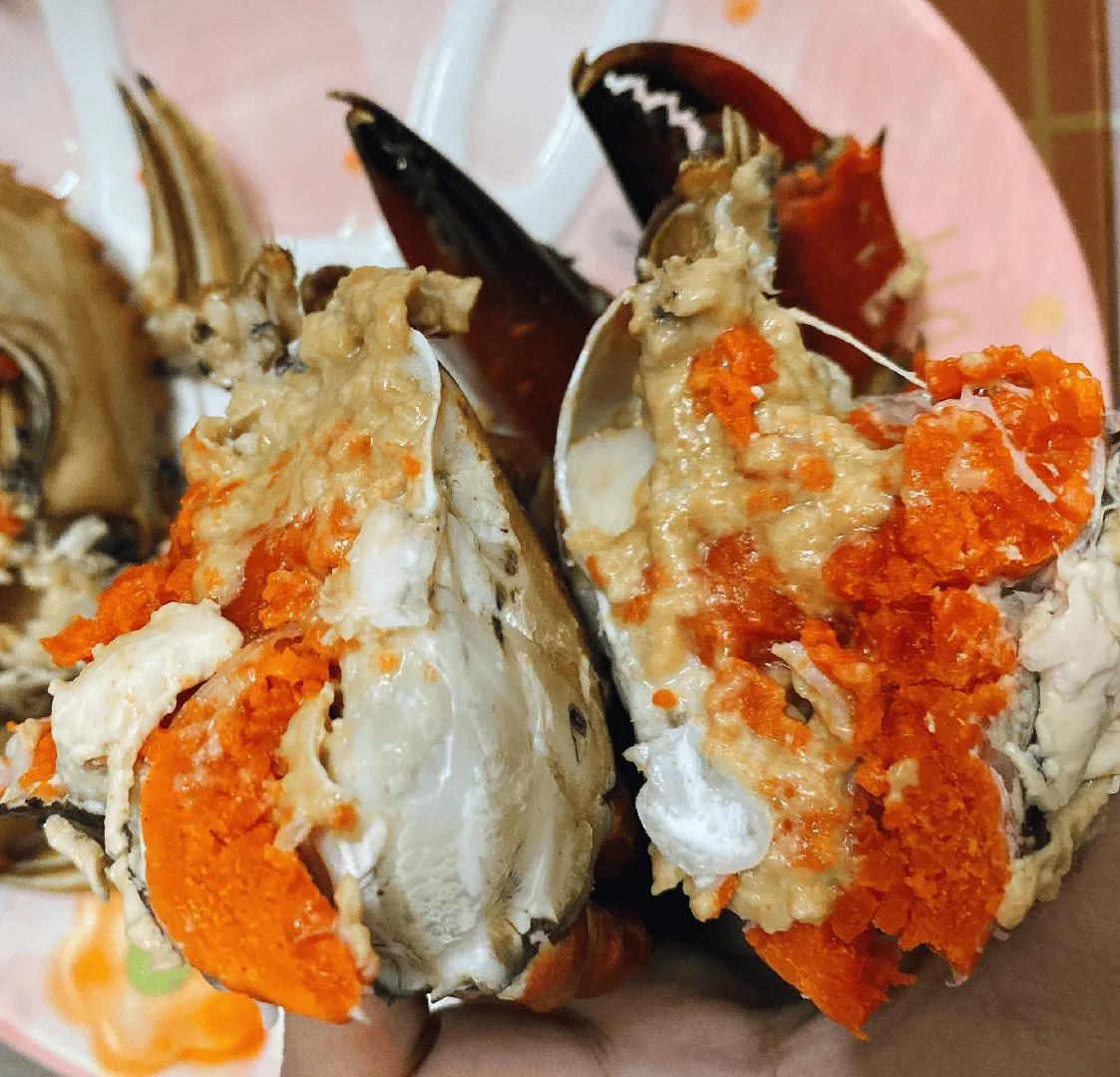
Heritage Ingredient
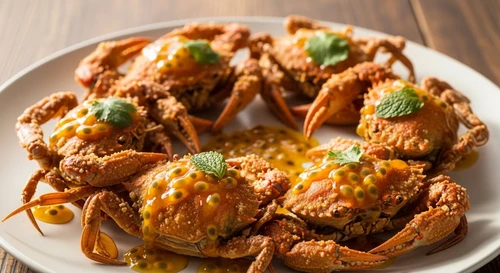
Ca Mau Roe Mud Crab
Ca Mau Roe Mud Crab
A female mud crab known for deep orange roe and a rich, creamy finish, often featured in celebratory Southern Vietnamese seafood meals.
A crimson treasure hidden within a shell, boasting rich, creamy roe that melts on your tongue like a golden sunset over the delta.
2 The Emerald Elixir: Scallion Oil
At the heart of this dish lies a vibrant green concoction: scallion oil. It's a simple emulsion, but its impact is profound. Finely chopped scallions (the green parts are key for color and flavor) are gently blanched or briefly cooked in hot oil until they turn bright green and incredibly fragrant. This process mellows their sharpness while amplifying their sweet, oniony essence. A pinch of salt is often added to enhance the flavors.
Why it works
- Color: It provides a stunning visual contrast to the rich orange-red of the cooked crab.
- Aroma: The fresh, pungent scent of cooked scallions is irresistible, promising layers of flavor.
- Texture: The oil coats the crab meat, adding a luxurious mouthfeel and carrying the other flavors beautifully.
- Flavor Harmony: It complements the inherent sweetness of the crab without overpowering it, creating a balanced profile.
3 The Primordial Heat: Charcoal Grilling
There's a primal magic to cooking over charcoal. The intense, dry heat sears the crab, creating a slightly crispy shell and infusing the meat with a subtle smokiness that no other cooking method can replicate. This isn't about burning; it's about controlled flame imparting character.
For this dish, the crab is typically halved lengthwise. This exposes the succulent meat and innards to the direct heat and allows the scallion oil to permeate every crevice. The grilling is relatively quick – just long enough to cook the crab through and achieve that signature char. It’s a dance between the chef's timing and the fire's intensity.
Pro Tip: Charcoal Selection
Use lump charcoal made from hardwoods like coconut shell or mangrove wood. Avoid lighter fluid or quick-ignition briquettes, as their chemical residues can taint the delicate crab flavor. Aim for glowing embers, not roaring flames, for consistent heat.
4 The Nutty Crunch and Final Flourish
The final layer of flavor and texture comes from crushed roasted peanuts. Their nutty crunch provides a delightful contrast to the tender crab meat and the slick scallion oil. It's a simple addition, yet it elevates the dish from good to unforgettable. The peanuts are typically roasted until golden brown and then roughly crushed, ensuring a satisfying bite rather than a fine powder.
Presentation is key, even in rustic dishes. The halved crabs are arranged attractively on a platter, often garnished with fresh cilantro or extra scallions. The vibrant green oil, the deep orange-red shell, and the scattered peanuts create a feast for the eyes before it even reaches the palate. This is often served as "drinking food" (mồi nhậu) – a perfect accompaniment to a cold beer or a shot of rice wine.
Make It Yours: Simple Grilled Crab
Ingredients
- Crab: 2-4 fresh, live mud crabs (about 1-1.5 lbs each). Ensure they are lively.
- For Scallion Oil:
- 1 large bunch scallions (green parts only), finely chopped
- 1/2 cup neutral oil (vegetable, canola, or peanut oil)
- 1/2 teaspoon salt
- For Grilling:
- 1/4 cup roasted peanuts, roughly crushed
- Salt and freshly ground black pepper to taste
- Lime wedges, for serving
- Optional: 1-2 cloves garlic, minced (for the oil)
Instructions
- Prepare the Crab: Rinse the live crabs thoroughly. Using a heavy cleaver, carefully halve each crab lengthwise through the body. You may need to remove the apron (the triangular flap underneath) and the gills. Rinse the cut surfaces to remove any debris.
- Make the Scallion Oil: In a small saucepan, heat the neutral oil over medium-low heat. Add the finely chopped scallions (and minced garlic, if using). Cook gently for 2-3 minutes, stirring constantly, until the scallions are bright green and fragrant, but not browned. Remove from heat and stir in the salt. Let it steep.
- Prepare the Grill: Preheat your charcoal grill to medium-high heat. You want hot embers, not active flames.
- Grill the Crab: Brush the cut sides of the crab halves generously with the prepared scallion oil. Season lightly with salt and pepper. Place the crab halves, cut-side down, directly onto the hot grill grates. Grill for 5-7 minutes, until you see some char marks.
- Flip and Finish: Flip the crab halves so they are shell-side down. Brush generously with more scallion oil. Continue grilling for another 7-10 minutes, or until the crab meat is cooked through and opaque, and the shells are bright red. The exact time will depend on the size of your crabs and the heat of your grill.
- Serve: Transfer the grilled crab to a serving platter. Drizzle with any remaining scallion oil and generously sprinkle with the crushed roasted peanuts. Serve immediately with fresh lime wedges on the side.
5 A Different Crab, A Different Delta Story
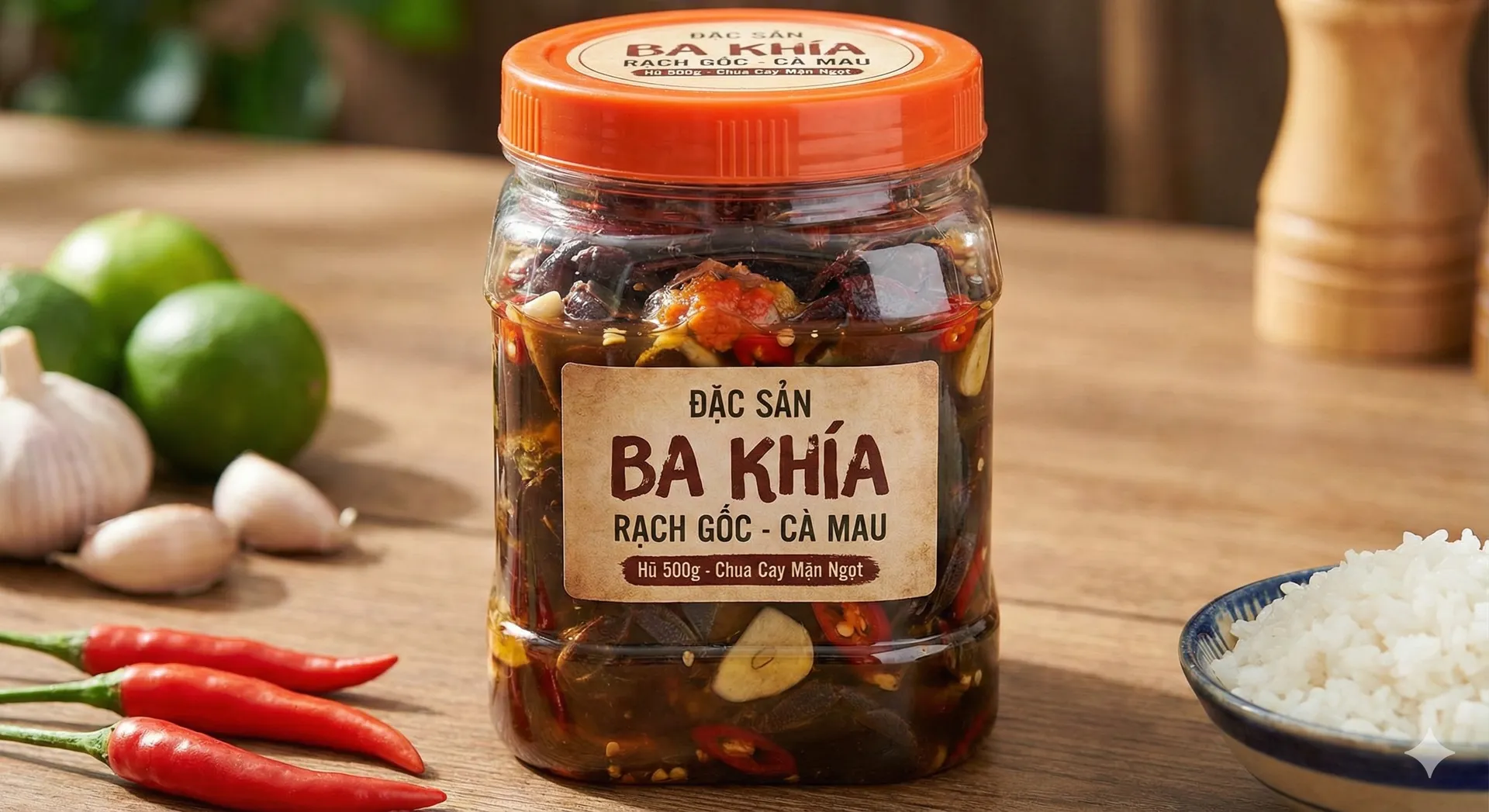
While grilled mud crab is a celebrated dish, the Mekong Delta's crab culture extends far beyond. Consider Ba Khia – fermented mangrove crabs. These are small, wild crabs caught in the brackish waters of coastal regions like Rach Goc. They are fermented in a brine of salt and sometimes rice, developing a potent, savory, and sour profile that's unlike anything else. Served with raw garlic, chili, and often accompanied by rice or boiled pork, Ba Khia is a true taste of rustic Southern Vietnamese life. It's a more acquired taste, certainly, but it embodies the ingenuity and resourcefulness of delta dwellers in preserving and transforming their natural bounty.
Heritage Ingredient
Fermented Mangrove Crab (Ba Khia)
Fermented Mangrove Crab (Ba Khia)
A traditional fermented crab specialty from the mangrove region of Rach Goc, often cited in articles about rustic Mekong Delta flavors and preserved seafood culture.
The salty-sour heartbeat of the wild south, where traditional fermentation turns forest crabs into a nostalgic explosion of rustic Mekong soul.
Lingering Questions?
🔥 Can I use a gas grill instead of charcoal?
🥜 What if I don't have peanuts?
🌿 Can I add other aromatics to the scallion oil?
Craving More Delta Flavors?
Explore the diverse culinary landscape of the Mekong Delta. From hearty stews to delicate river fish.
🌊 Dive into the Mekong Food Guide