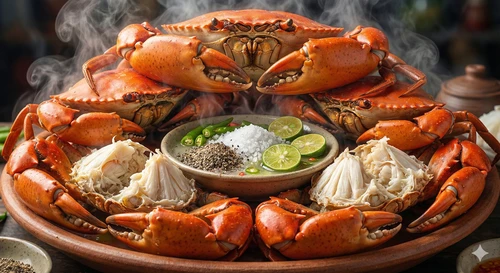
" It hits you first. That smell. Fermented fish paste. Pungent. Almost confrontational. But then, beneath it, the subtle sweetness of shrimp, the depth of slow-cooked broth, the sting of chili. This isn't just breakfast; it's an immersion. "
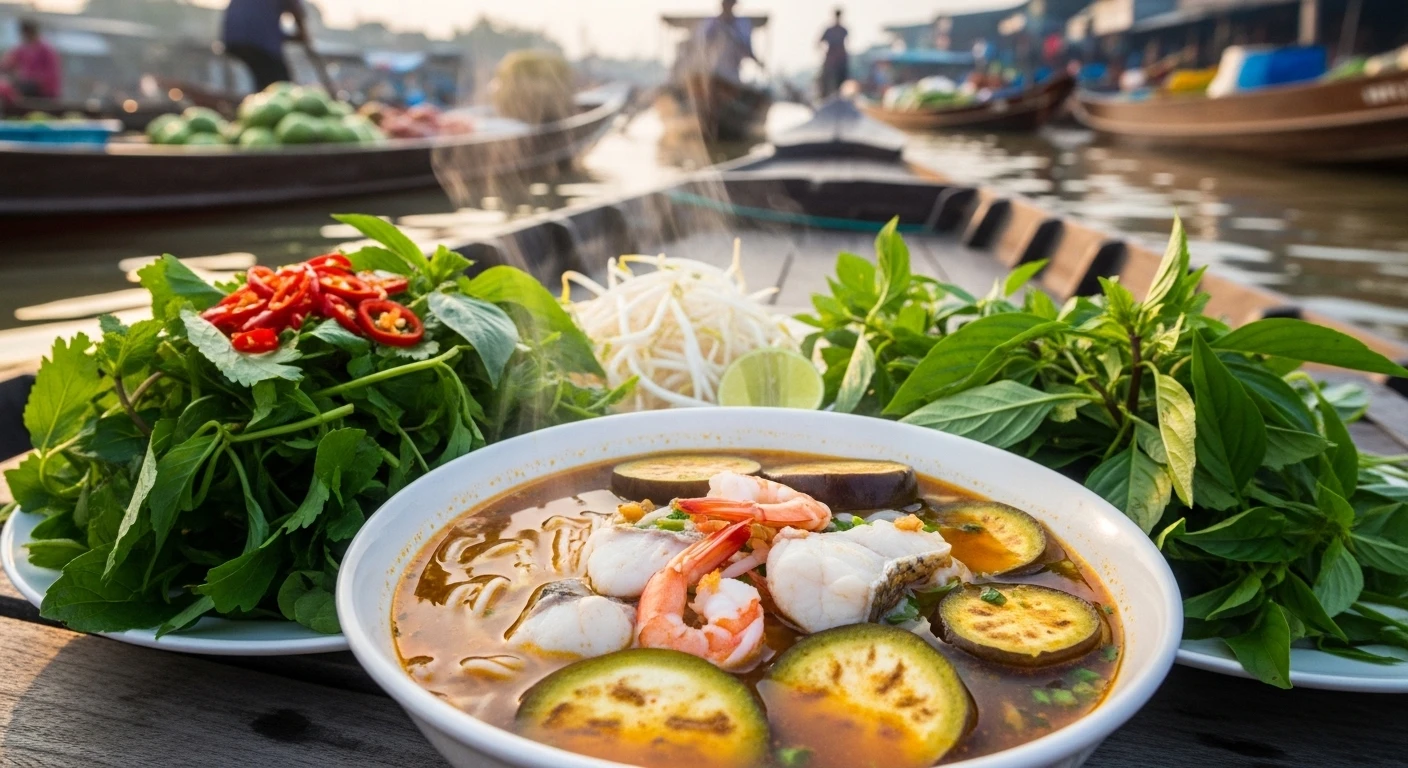
📸 Sunrise over the Mekong: The vibrant bowl of Bun Mam is the star.
1 The River Awakens: A 6 AM Ritual
Before the sun fully commits to scorching the fertile plains of the Mekong Delta, Cai Rang Floating Market is already a symphony of commerce and chaos. Longtail boats, laden with everything from watermelons to live pigs, jostle for position. And amidst this aquatic ballet, the aroma of breakfast begins to fill the humid air. It’s a scent that’s uniquely Vietnamese, a bold declaration of its culinary soul: mam.
Bun Mam, or fermented fish noodle soup, is the undisputed breakfast champion of this watery world. It’s not for the faint of heart, or for those who prefer their mornings mild. It’s a robust, unapologetic dish that demands your full attention. And where better to experience it than on a gently rocking wooden boat, with the market life swirling around you?
2 The Soul of the Broth: What is 'Mam'?
'Mam' is the Vietnamese term for fermented fish paste, a cornerstone of Southeast Asian cuisine. It’s a product of patient fermentation, where fish (often anchovies, shrimp, or small fish) are salted and allowed to break down, developing an intensely savory, umami-rich flavor profile. The most common type used in Bun Mam is 'mam ca linh' or 'mam ca sac' – small, oily fish native to the Mekong’s waterways.
This isn't something you can easily replicate at home without the right ingredients and time. It’s a taste born from the very rivers and canals that define the Mekong Delta. When properly prepared, the pungent aroma mellows into a complex, deeply satisfying flavor that forms the unmistakable base of Bun Mam.
A Mekong Staple
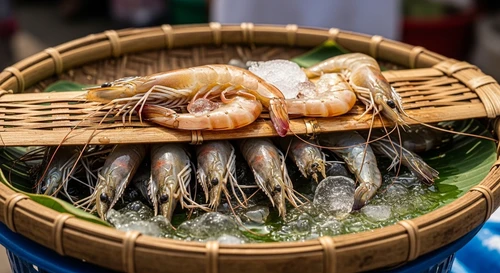
While Bun Mam uses fermented fish, the concept of 'mam' extends to other seafood. Fermented shrimp paste ('mam tom') is a potent condiment used in many Vietnamese dishes, offering a similar salty, complex depth.

Heritage Ingredient
Fermented Sour Shrimp (Mekong Style)
Fermented Sour Shrimp (Mekong Style)
A Southern Vietnamese fermented shrimp preserve made with garlic, chili, and shredded green papaya, often served with boiled pork, rice paper, or plain rice.
A vibrant dance of flavors—sour, spicy, and sweet—where tender shrimp and crunchy papaya create a masterpiece of Southern preserved heritage.

Fresh ingredients ready to be transformed into Bun Mam.
3 The Floating Kitchen: Cai Rang's Bun Mam Mama
You can’t pick a specific stall from a guide book. The best Bun Mam stall at Cai Rang is usually the one that’s busiest, the one with the steam billowing most vigorously, the one that draws you in with its intoxicating (or polarizing) aroma. Today, it was a woman, her weathered hands moving with practiced grace, presiding over a cauldron of bubbling broth on her small, sturdy boat.
Her setup is minimal but efficient. A large pot for the broth, a smaller one for the noodles, a tray of fresh herbs, a plate of thinly sliced eggplant, and a bowl of plump, pink shrimp. The “restaurant” is the open water, the “tables” are the benches on her boat or the decks of passing vessels. This is dining in its purest form – functional, delicious, and deeply connected to its environment.
The broth itself is the star: a deep, amber liquid, rich with the essence of fermented fish, simmered with lemongrass, and infused with the sweetness of pork bones and shrimp. It’s a labor of love, often prepared hours before dawn.
4 Assembling the Masterpiece
The magic happens when the broth meets its companions. A generous ladle of the fragrant broth is poured over a bed of fresh rice vermicelli noodles. Then come the toppings:
- Shrimp: Usually whole, plump, and cooked just until pink.
- Fish: Often chunks of catfish or snakehead fish, simmered until tender.
- Squid: Sometimes added for an extra textural contrast.
- Eggplant: Thinly sliced and softened in the broth, adding a creamy element.
- Herbs: A mandatory pile of fresh herbs – mint, basil, culantro, and crisp bean sprouts. These cut through the richness.
- Chili: Sliced bird's eye chilies, because heat is a given.
Each bowl is a landscape of flavors and textures. The first slurp of broth is an experience. It’s the potent "mam" hitting your palate, immediately followed by the savory depth of the stock, the bright herbaceous notes, and the subtle sweetness of the shrimp and fish. It’s balanced, it’s bold, and it’s utterly addictive.
5 Dining on the Water: A Sensory Feast
Eating Bun Mam on a boat at Cai Rang is more than just a meal; it's a cultural immersion. The gentle sway of the water, the calls of vendors, the puttering of boat engines, the smell of cooking food mingling with the river air – it all combines to create a unique sensory tapestry. You’re not just a tourist; you’re part of the living, breathing ecosystem of the floating market.
The woman serving the soup might not speak much English, but a nod, a smile, and pointing to the bowl is all the communication you need. The price is minimal, but the value is immeasurable. It’s a moment of pure, unadulterated Mekong Delta life.
The Bounty of the Delta
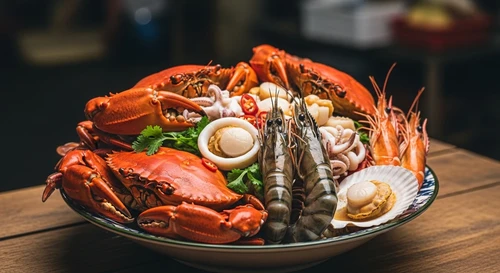
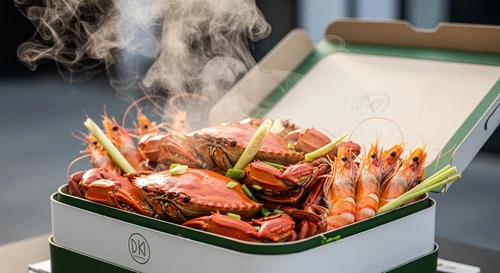
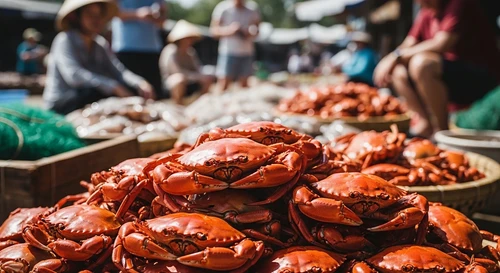
The Mekong Delta is a treasure trove of fresh seafood. While Bun Mam typically features smaller fish and shrimp, the region is also famous for its abundant, high-quality crabs, especially from areas like Ca Mau.
Heritage Ingredient
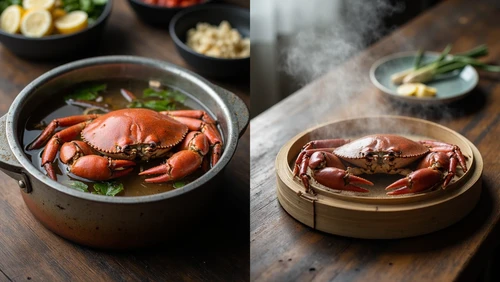
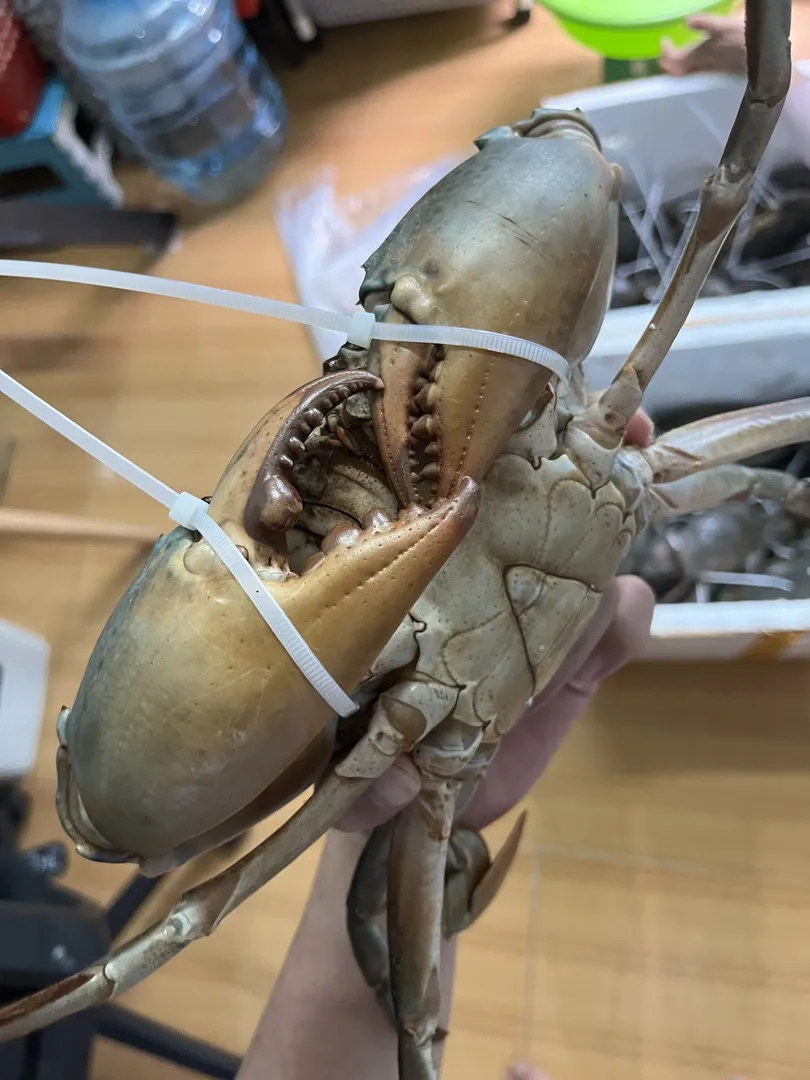
Ca Mau Jumbo Mud Crab
Ca Mau Jumbo Mud Crab
A large male mud crab prized for dense, sweet meat and thick claws, commonly used in steamed crab and grilled crab dishes across the Mekong Delta.
An icon of coastal culinary heritage, featuring firm, sweet meat that captures the raw power and freshness of Ca Mau's tides.

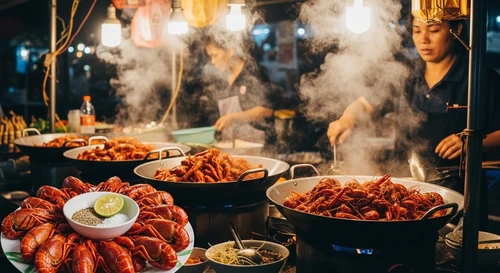
Life on the water: The essential element of Mekong Delta cuisine.
6 Honest Opinion: Is Bun Mam for You?
Let’s be clear: Bun Mam is an acquired taste. If you’re sensitive to strong fermented flavors, this might be a challenge. The "mam" has an aroma that some compare to strong cheese or an overly ripe durian. But if you approach it with an open mind and an adventurous palate, you'll be rewarded with an incredibly complex, deeply satisfying, and authentic taste of the Mekong.
For me, it's an essential part of the Mekong Delta experience. It’s a reminder that the best food often comes from humble beginnings, rooted in tradition and the natural bounty of the land and water. It’s a breakfast that fuels you for a day of exploring this incredible region.
7 More Than Just Noodles: Other Delta Treasures
While Bun Mam reigns supreme for breakfast at Cai Rang, the Mekong Delta offers a culinary landscape as rich and varied as its waterways. From the sweet, refreshing coconut water of Ben Tre to the savory grilled mudskippers of Ca Mau, every province has its specialties.
Think of the ubiquitous 'hu tieu' – a savory noodle soup that comes in countless regional variations. Or the delicate 'banh xeo', crispy crepes filled with pork, shrimp, and bean sprouts, best enjoyed dipped in a sweet and savory fish sauce. The delta is a playground for any food lover.
Unusual Catch, Local Favorite
The Mekong's diverse ecosystems yield unique ingredients. Mudskippers, small amphibious fish found in mangrove areas and mudflats, are a delicacy often grilled with chili salt, showcasing the delta's less conventional seafood offerings.

Heritage Ingredient
Ca Mau Mudskipper
Ca Mau Mudskipper
A mangrove mudskipper from Ca Mau, often grilled with chili salt and featured in articles about unusual delta seafood and mudflat ecosystems.
The acrobatic spirit of the mudflats, delivering a fragrant, smoky flesh that embodies the untamed beauty of Ca Mau's mangrove world.

A vibrant palette of fresh produce that defines Mekong cuisine.
8 Navigating the Flavors: Tips for First-Timers
🤔 How to approach the smell?
🌶️ Is it always spicy?
💰 How much does it cost?
📍 How do I find the 'best' stall?
Craving Something Lighter?
If fermented fish is a bit too intense for your morning, the Mekong Delta offers many other incredible noodle soups.
🐟 Discover Mekong Hotpot