" In the labyrinthine waterways of the Mekong Delta, where tradition meets innovation at the water's edge, a new economic engine is emerging. It's not about rice or shrimp, not entirely. It's about a creature of mythic aggression, tamed and cultivated in a way that defies its very nature. "
1 The Mekong Delta: A Cradle of Coastal Innovation
For generations, the sprawling Mekong Delta, a vast network of rivers, canals, and coastal mangroves in Southern Vietnam, has been the nation's rice bowl and a powerhouse of aquaculture. Its fertile, brackish waters are a natural haven for a rich diversity of marine life. While shrimp and catfish have long dominated headlines and export markets, the delta's resourceful inhabitants are constantly seeking new avenues for prosperity. This drive for innovation has led them to a creature more commonly feared than farmed: the mantis shrimp.
Known locally by various names, these powerful crustaceans are instantly recognizable by their striking, often iridescent colors and, most famously, their incredibly potent club-like appendages. They are solitary, territorial, and notoriously aggressive, famously capable of cracking mollusk shells with a strike that can reach the speed of a .22 caliber bullet. This inherent pugnacity has made traditional, open-water farming of mantis shrimp a near impossibility. Until now.

📸 The arteries of the delta: Lifeblood of communities and aquaculture.
2 The Perils of Co-Habitation
Imagine a pond filled with these potent predators. It would be a battlefield. Mantis shrimp are cannibalistic, particularly when molting or during their early, vulnerable stages. In traditional open-net or pond farming, survival rates plummet dramatically as the stronger individuals prey on the weaker ones. This aggressive nature meant that mantis shrimp were often harvested from the wild, a practice that is unsustainable and subject to the vagaries of natural populations.
The economic incentive to farm these prized crustaceans, known for their sweet, succulent meat, was immense. They command high prices in both domestic Vietnamese markets and for export, often fetching more than their more common shrimp or crab counterparts. The question was: how to overcome their inherent aggression and ensure high survival rates?
The Problem
High mortality due to cannibalism among mantis shrimp in communal farming systems.
The Goal
Achieve commercially viable survival rates (aiming for 90%+) for sustained economic growth.
3 A Billion-Dong Idea: Individual Homes
The breakthrough came in the form of a simple, yet ingenious, solution: individual housing. Farmers began to adapt existing aquaculture techniques, utilizing small, transparent plastic cages, often repurposed from other industries or specifically designed for this purpose. These cages, roughly the size of a small shoebox or even smaller, are designed to hold a single mantis shrimp.
These individual "condos" are then typically submerged in cages or frames anchored in the sea or in suitable coastal ponds. Each mantis shrimp has its own private, secure dwelling, completely eliminating the possibility of inter-shrimp aggression. This controlled environment ensures that each individual can grow to maturity without becoming prey.
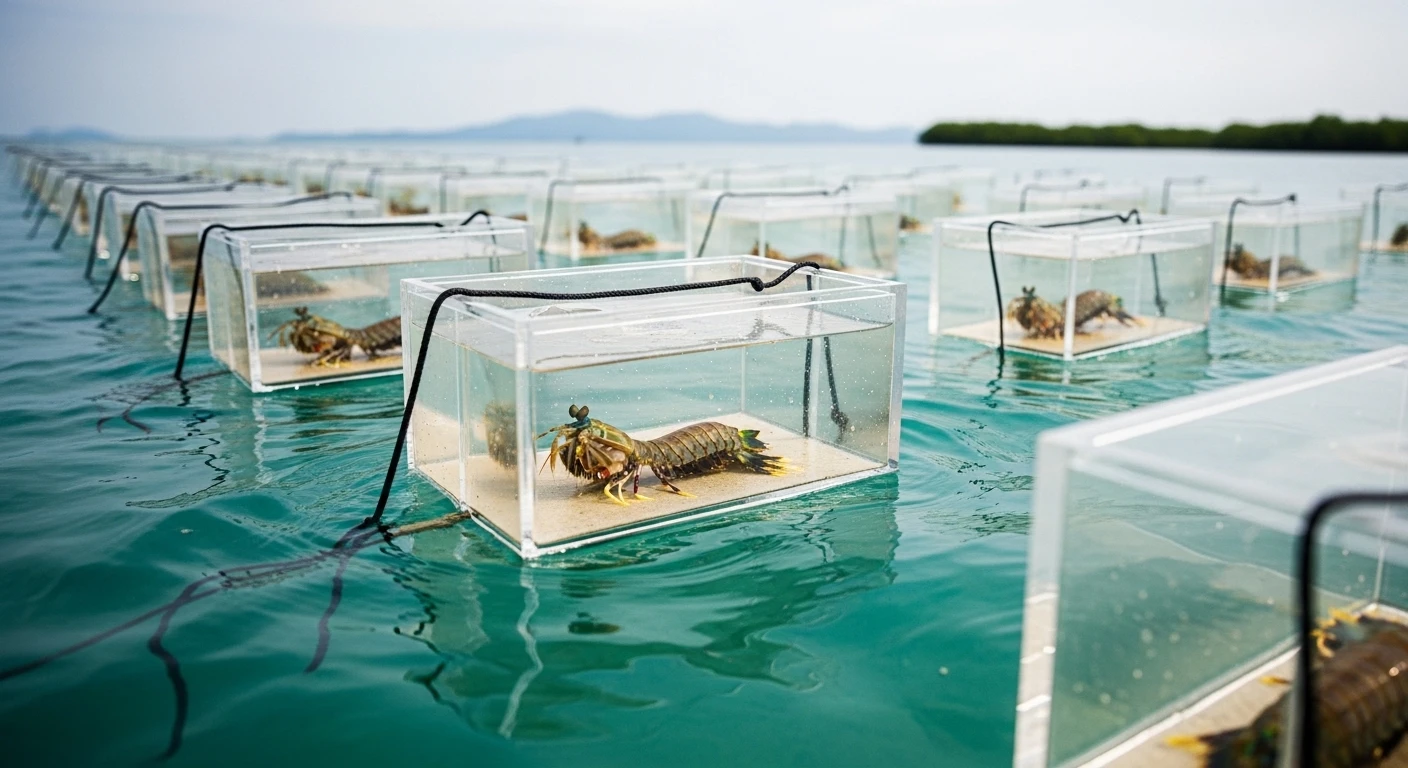
📸 Each shrimp in its own castle: The plastic cage model ensures safety.
The Mechanics of the System:
- Cage Material: Durable, transparent plastic allows for easy observation and sunlight penetration, crucial for maintaining water quality and allowing for natural feeding cycles.
- Anchoring: Cages are securely anchored in areas with good water flow, typically in shallow coastal waters or dedicated aquaculture ponds.
- Density: While each shrimp is housed individually, the overall density of cages within an area can be high, maximizing the use of space.
- Feeding: Farmers manually feed each shrimp, typically with small pieces of fish, shrimp, or other suitable marine scraps. This allows for precise control over diet and growth.
4 From Aggression to Assets: The Billion-Dong Turnaround
The results have been nothing short of remarkable. By isolating each mantis shrimp, survival rates have soared. Reports indicate that the individual plastic cage model can achieve survival rates of up to 90%, a staggering improvement compared to traditional communal farming methods. This dramatic increase in survival translates directly into a more reliable and profitable yield.
This economic model is not just a niche practice; it's rapidly becoming a significant contributor to the local economy. For farmers, it represents a pathway to increased income and greater financial stability. The ability to reliably produce high-quality mantis shrimp for the market has created new opportunities, transforming once marginal coastal areas into productive aquaculture zones. The term "billion-dong economic model" isn't hyperbole; it reflects the substantial revenue generated by this innovative approach.
The demand for mantis shrimp remains strong, driven by their unique flavor and texture, often described as a delicate cross between lobster and crab. This new farming method ensures a consistent supply, meeting the needs of both local gourmands and international buyers eager for premium Vietnamese seafood.
90%
Survival Rate
Billion
Dong Revenue
Premium
Market Value
5 A Ripple Effect: Sustainability and the Future
The success of the plastic cage model for mantis shrimp farming extends beyond mere economics. It represents a step towards more sustainable and controlled aquaculture practices. By minimizing natural predation and waste associated with less efficient methods, this approach can help reduce the environmental footprint of seafood production.
Furthermore, this innovation highlights the adaptability and ingenuity of Mekong Delta communities. They are not just passively harvesting from the sea; they are actively shaping its future, developing sophisticated methods to cultivate its bounty responsibly. This "Agri-Innovation" is a testament to their deep understanding of the marine environment and their commitment to finding solutions that benefit both the ecosystem and their livelihoods.
As the global demand for seafood continues to rise, such innovative farming techniques are crucial. They offer a viable alternative to overfishing and an opportunity to manage marine resources more effectively. The humble plastic cage, a simple tool, has become a symbol of progress and a key component in Vietnam's evolving seafood industry.
Sustainability Aspects:
- Reduced reliance on wild catch.
- Minimized inter-species predation.
- Controlled feeding and waste management.
Economic Impact:
- Increased income for coastal farmers.
- Diversification of aquaculture products.
- Boosted export potential for high-value seafood.
6 The Bounty of the Waters
The Mekong Delta is a treasure trove of aquatic life, and mantis shrimp are just one of its many prized inhabitants. The region's commitment to aquaculture and its rich natural resources provide a consistent supply of premium seafood.
Heritage Ingredient
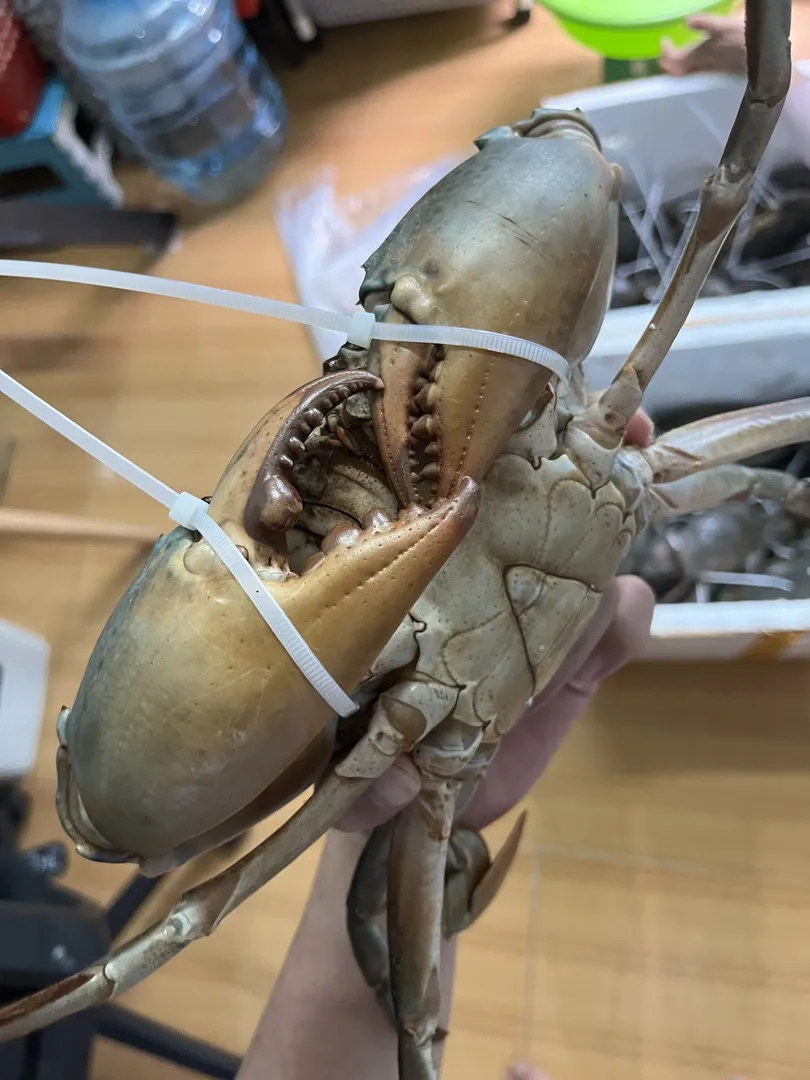
Ca Mau Jumbo Mud Crab
Ca Mau Jumbo Mud Crab
A large male mud crab prized for dense, sweet meat and thick claws, commonly used in steamed crab and grilled crab dishes across the Mekong Delta.
An icon of coastal culinary heritage, featuring firm, sweet meat that captures the raw power and freshness of Ca Mau's tides.
Heritage Ingredient
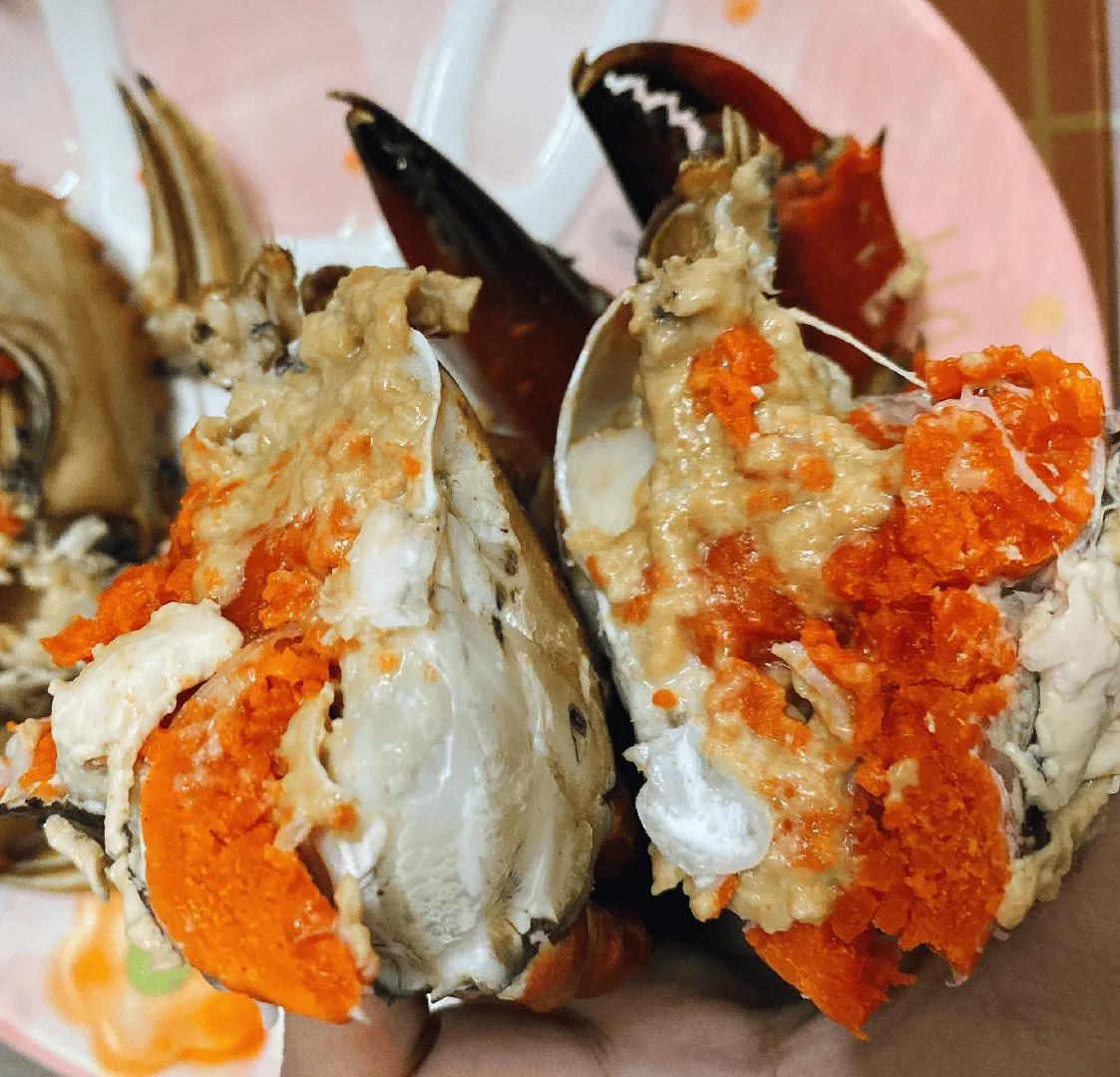
Ca Mau Roe Mud Crab
Ca Mau Roe Mud Crab
A female mud crab known for deep orange roe and a rich, creamy finish, often featured in celebratory Southern Vietnamese seafood meals.
A crimson treasure hidden within a shell, boasting rich, creamy roe that melts on your tongue like a golden sunset over the delta.
Heritage Ingredient
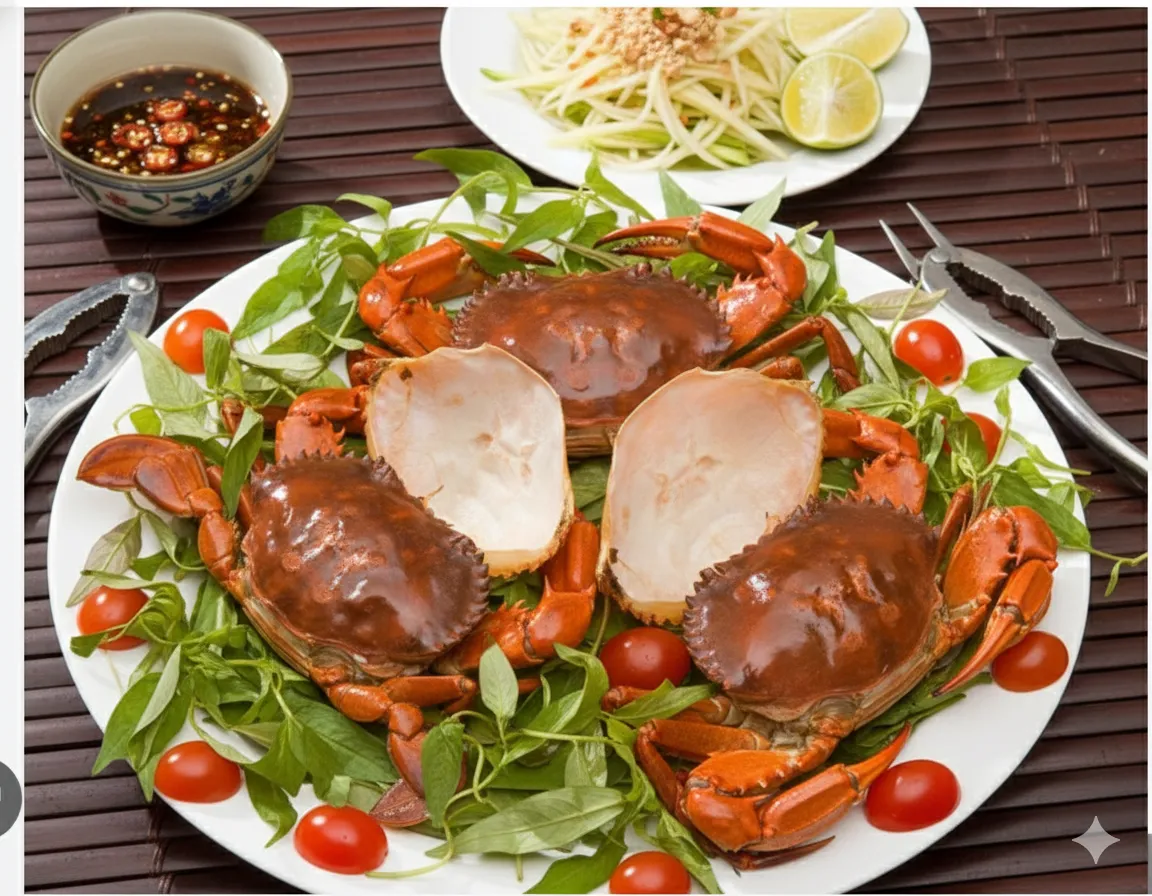
Soft-Shell Butter Crab (Molting Crab)
Soft-Shell Butter Crab (Molting Crab)
A rare molting mud crab from Ca Mau, valued for its edible soft inner shell and exceptionally creamy roe, making it the closest local equivalent to soft-shell crab concepts familiar abroad.
Nature's rare masterpiece—a delicate transition where a soft inner layer protects golden, custard-like roe in a fleeting moment of flavor.
These examples showcase the diverse and high-quality seafood produced in and around the Mekong Delta region.
7 Beyond the Cage: What's Next?
The success of the individual plastic cage model for mantis shrimp farming is a powerful indicator of future trends in aquaculture. As we face growing global food demands and the need for sustainable resource management, innovative solutions like this will become increasingly vital. We can expect to see further refinements in cage design, automated feeding systems, and perhaps even integrated multi-trophic aquaculture systems that benefit from the waste streams of one species to feed another.
The lessons learned from taming the aggressive mantis shrimp can be applied to other challenging species. This continuous evolution, driven by necessity and ingenuity, ensures that regions like the Mekong Delta will remain at the forefront of global seafood production, offering not just quantity, but also quality and sustainability.
8 The Art of the Catch, The Science of the Farm
The journey from a wild, fearsome predator to a farmed delicacy is a compelling narrative of human ingenuity. The plastic cage model is more than just an aquaculture technique; it's a story of understanding animal behavior, adapting technology, and unlocking economic potential in one of Vietnam's most vital natural landscapes. It's a reminder that even the most challenging creatures can be brought into the fold of sustainable food production with the right approach.
This innovation not only provides a livelihood for many in the Mekong Delta but also ensures that consumers worldwide can enjoy the exquisite taste of mantis shrimp, knowing it comes from a system that respects both the creature and the environment. It’s a win-win, a true testament to how the spirit of the Mekong finds new ways to thrive.
Dive Deeper into Coastal Delights
View More Buyer's Guide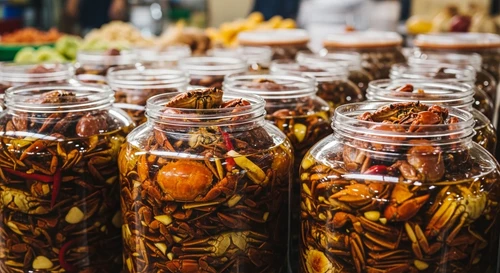
Current Wholesale Prices of Fermented Ba Khia in Western Markets
A pricing guide for tourists and bulk buyers looking to purchase authentic jars of salted crab directly from the source.
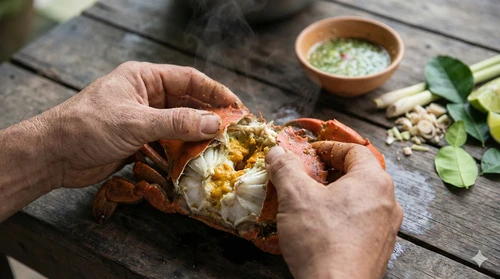
How to Eat Mud Crab Like a Pro
Extract every bit of meat without wasting anything.
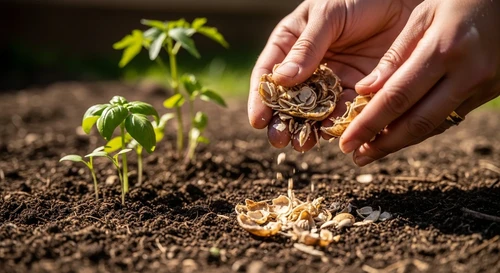
Recycling Crab Shells for Garden
Turn waste into calcium-rich fertilizer.
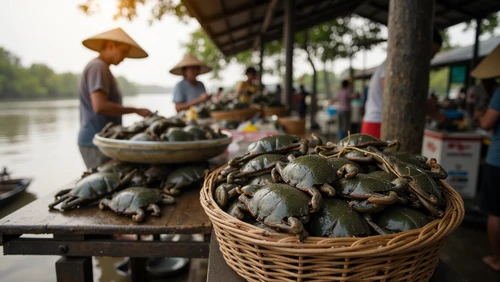
Best Season to Buy Crabs
Why the rainy season might produce bigger crabs.
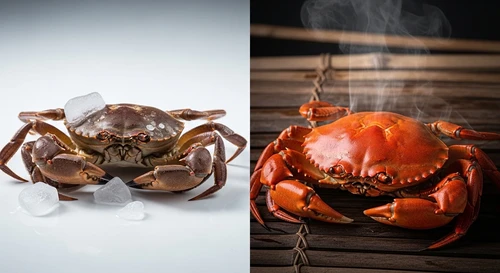
Imported Brown Crab (Ireland) vs. Local Ca Mau Crab: A Market Analysis
Why cheap frozen European brown crabs are flooding Vietnamese supermarkets and how local farmers are responding.
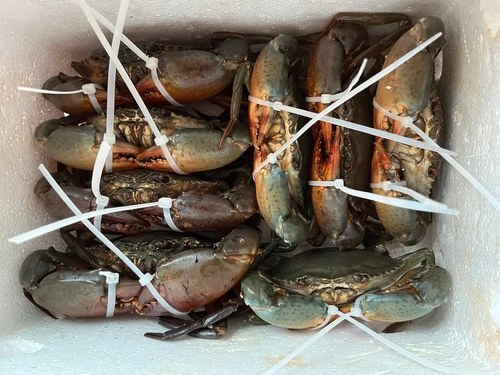
Crab Sizes Explained: From Y3 to Y7
Decoding the local size classification system.
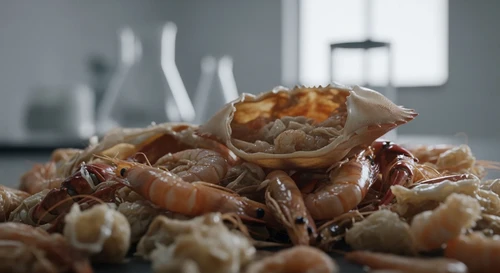
Startups Tackle the Crab Shell Waste Problem
New biotech companies in Vietnam are extracting Chitosan from discarded seafood shells for use in medical and agricultural products.
Hotlines for Reporting Seafood Scams in Major Cities
A directory of Market Management Authority numbers for tourists and locals to report fraudulent weighing scales and fake origins.
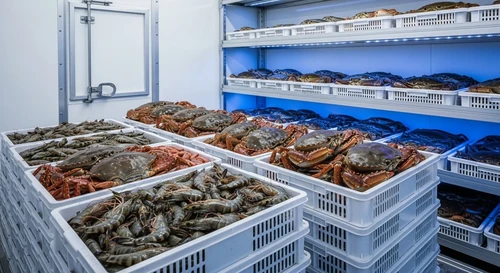
Post-Pandemic Cold Chain Logistics Expansion in Vietnam
How investments in refrigerated transport are drastically reducing the mortality rate of live seafood shipments.