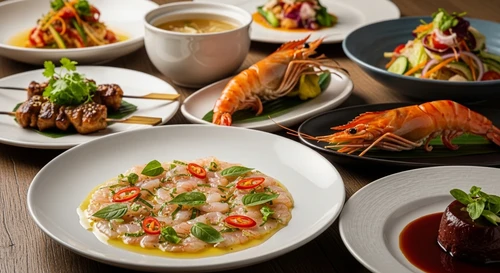
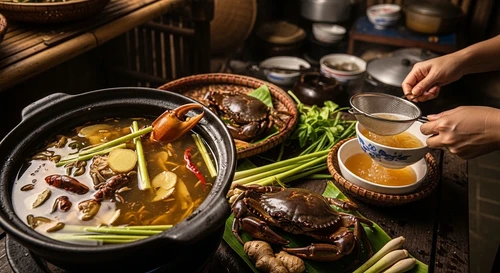
" The sea air in Vung Tau carries the scent of brine, freedom, and... a sudden, gut-wrenching realization that your seafood dinner might cost more than your flight home. "
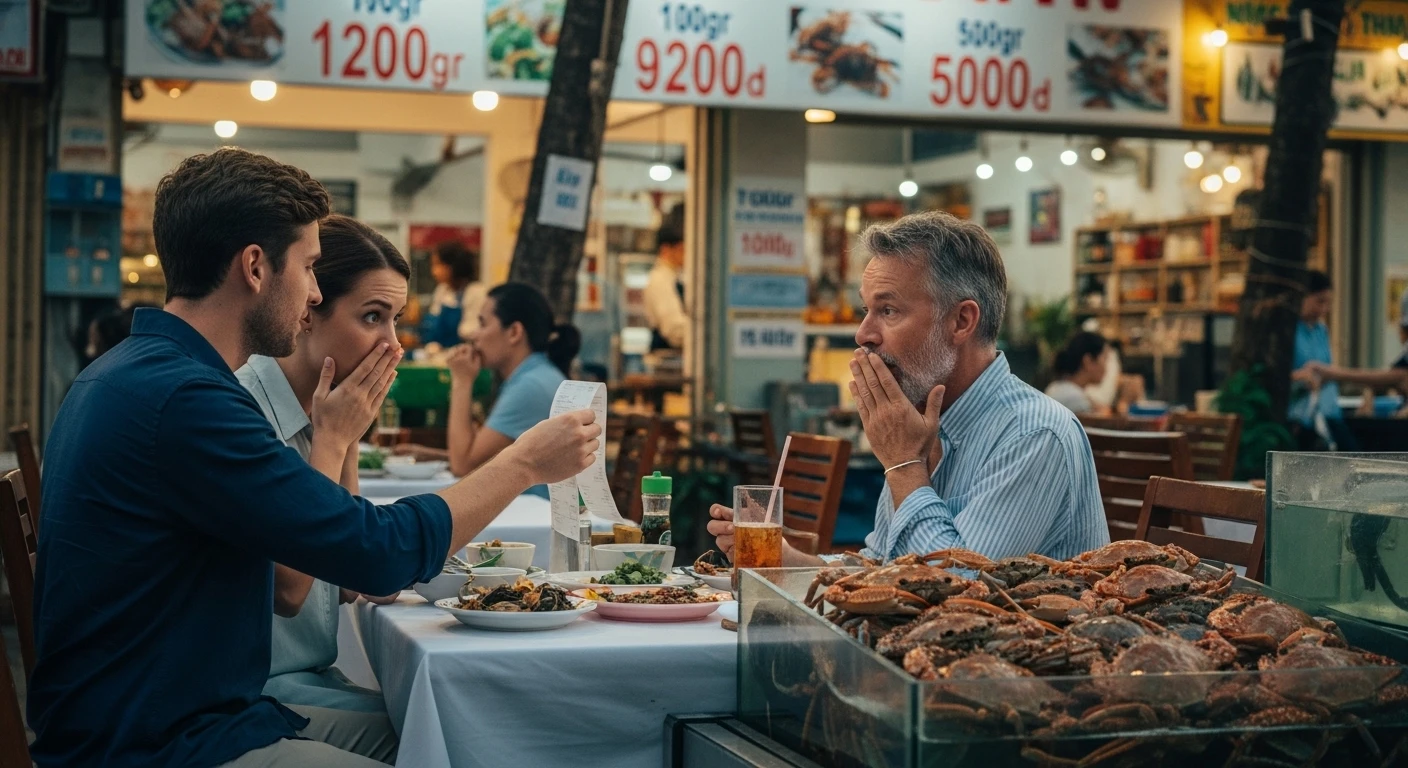
📸 The lure of the coast: Vung Tau's beaches promise relaxation, but beware the dining trap.
1 The Unspoiled Feast: Mekong Delta's True Treasures
The Mekong Delta, the "rice bowl" of Vietnam, is a labyrinth of rivers, canals, and fertile plains. Its coastal regions, particularly areas like Ca Mau, are renowned for an incredible bounty of seafood. This isn't just fish; it's a way of life, passed down through generations. The mud crabs from Ca Mau, for instance, are legendary. They're not just crustaceans; they are the pride of the region, celebrated for their dense, sweet meat and rich roe.
Vung Tau, a coastal city that's a popular weekend getaway for the residents of Ho Chi Minh City, sits at the edge of this delta's influence. It's a place of sun-kissed beaches and fresh sea breezes. Tourists flock here seeking that quintessential seaside experience: feasting on fresh catch, the salty spray on their faces. The expectation is simple: delicious, accessible seafood.
The Ca Mau Crab
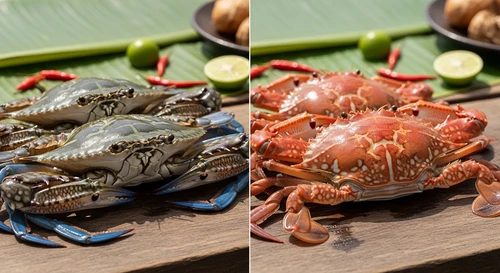
Often, the stars of these coastal meals are the crabs. Not just any crabs, but often specimens from the prized Ca Mau region. Think of the Ca Mau Jumbo Mud Crab – massive, with thick, meaty claws perfect for grilling or steaming, showcasing the pure, sweet flavor of its mangrove habitat. Or perhaps the delicate Ca Mau Roe Mud Crab, its vibrant orange roe a symbol of luxury and special occasions. These are ingredients that deserve respect, and their price should reflect their quality, not exploit a tourist's trust.
A Taste of Authenticity
Beyond crabs, the Mekong Delta coastline offers treasures like the firm-fleshed Ca Mau Black Tiger Shrimp, or the unique, savory bite of Fermented Mangrove Crab (Ba Khia), a rustic specialty that embodies the spirit of the region's preserved seafood culture. These are the flavors that should define a Vung Tau culinary experience.
2 The "Per 100 Grams" Deception
The core of the issue lies in opaque pricing. Many tourist-centric establishments in Vung Tau have been observed employing a subtle, yet insidious, pricing strategy. Instead of displaying clear prices per kilogram (the standard for seafood in Vietnam), boards vaguely state "price per 100 grams." On the surface, this might seem innocuous. However, when ordering, diners rarely order precisely 100 grams. The actual weight of crabs, especially the larger specimens, can easily double or triple that initial unit, leading to a bill that balloons unexpectedly.
Diners, often caught in the holiday spirit and perhaps a bit too relaxed by the sea air, may not scrutinize the bill until it's too late. Then, the shock hits: bills running into the tens of millions of Vietnamese Dong (VND) for what should have been a moderately priced seafood feast. It’s a predatory tactic that turns a relaxing beach meal into a financial pitfall. The ambiguity in pricing boards is the primary tool used to obscure the true cost, leaving patrons feeling swindled.
When "A Million" Becomes Ten
The typical scale of seafood pricing in Vietnam is based on kilogram measurements. When prices are presented per 100 grams, a simple calculation reveals the problem:
The Math
A crab weighing 1.5 kg (1500 grams) would be quoted at 100g increments. If the price is, say, 500,000 VND per 100g, that's 5,000,000 VND per kg.
The Reality
On the bill for the 1.5kg crab at 500,000 VND/100g, you're looking at 15 x 500,000 VND = 7,500,000 VND.
The Shock
If a group orders several large crabs, the total can easily spiral into tens of millions of Vietnamese Dong, a figure far exceeding initial expectations.
Always, always ask: "Is that price per kilogram or per 100 grams?" If they say 100 grams, walk away.
4 Spotting the Scam Before It Catches You
📍 Vague or Tiny Price Boards
🗣️ Evasive Staff
💰 Unusually Low "Base" Prices
⚖️ No Visible Weighing Scale
5 Navigating Vung Tau's Culinary Landscape
Vung Tau is a beautiful place with fantastic seafood. It's a shame when predatory practices cast a shadow over the genuine experience. Here’s how to ensure your meal is a delight, not a disaster:
- Ask, Ask, Ask: Before ordering ANYTHING, clarify the price. "Bao nhiêu một ký?" (How much per kilogram?). If they hesitate or say "một lạng" (per 100 grams), politely decline and move on.
- Seek Local Recommendations: Ask your hotel staff, taxi drivers, or local friends (if you have any) for their favorite seafood spots. These places are usually more honest and cater to a local clientele.
- Observe the Locals: Where are the local families eating? They know where the good, honest food is.
- Be Prepared to Walk Away: Your money is valuable. Don't feel obligated to stay if the pricing feels off or the staff are unhelpful. There are plenty of other establishments.
- Consider Inland Gems: While Vung Tau is coastal, some of the best seafood restaurants are not directly on the beachfront, but rather in slightly more established areas catering to a mix of locals and tourists seeking quality.
6 Beyond the Tourist Traps: Authentic Flavors
The true spirit of Mekong Delta seafood is one of freshness, honest preparation, and community. It's about enjoying the fruits of labor that have sustained coastal communities for centuries. Imagine a simple, perfectly grilled Ca Mau mud crab, seasoned with just a pinch of sea salt and chili, its natural sweetness exploding in your mouth. Or a steaming bowl of spicy and sour fish soup (Canh Chua Cá), brimming with fresh river fish and vibrant herbs. These are the culinary experiences that make Vietnam so captivating.
The problem in Vung Tau, unfortunately, isn't the seafood itself, but the predatory pricing that capitalizes on visitors' lack of local knowledge. By being informed and vigilant, travelers can still enjoy the incredible seafood Vung Tau and the wider Mekong Delta have to offer, securing authentic flavors without falling victim to price gouging.
7 A Plea for Honest Tables
Vung Tau's beauty and its culinary heritage deserve better than to be tarnished by a few establishments prioritizing profit over integrity. The Mekong Delta offers a world of incredible, fairly-priced seafood. Tourists are not just wallets; they are guests. A transparent pricing policy is not just good business practice; it's fundamental to hospitality. Let's hope that more establishments in Vung Tau embrace honesty, allowing visitors to truly savor the coastal bounty without the lingering taste of being ripped off.