" In the labyrinthine waterways of Ca Mau, a quiet revolution is taking place, one that speaks not of industrial scale, but of ecological harmony. The mangrove forests, those vital, verdant buffers of the Mekong Delta, are yielding a treasure far more precious than mere volume: the ecological tiger prawn. "
1 The Heart of the Delta: Ca Mau's Mangrove Realm
Ca Mau, the southernmost province of Vietnam, is a land defined by water. Its sprawling coast is a tapestry of mangrove forests, tidal flats, and a complex network of rivers and canals. This is an ecosystem where life thrives in balance, and for generations, coastal communities have lived in rhythm with its ebb and flow. It's here, amidst the roots of Rhizophora trees, that the true magic happens.
A Natural Nursery
The intricate root systems of mangrove trees provide a natural sanctuary. They offer shelter, camouflage, and a rich feeding ground for juvenile shrimp, protecting them from harsh open waters and predators.
Ecological Synergy
Unlike intensive aquaculture that relies on artificial feeds and chemicals, mangrove-based farming leverages the natural productivity of the ecosystem. Prawns feed on plankton, algae, and organic detritus found in the mangrove water, leading to a cleaner, more robust product.

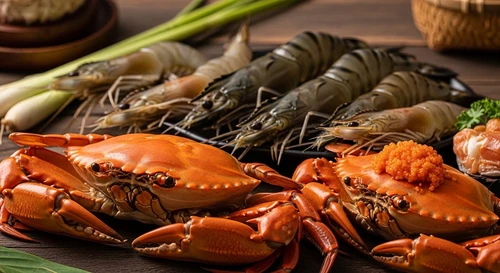
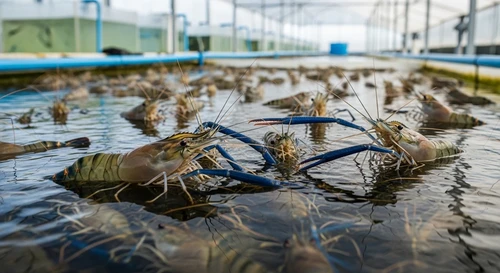
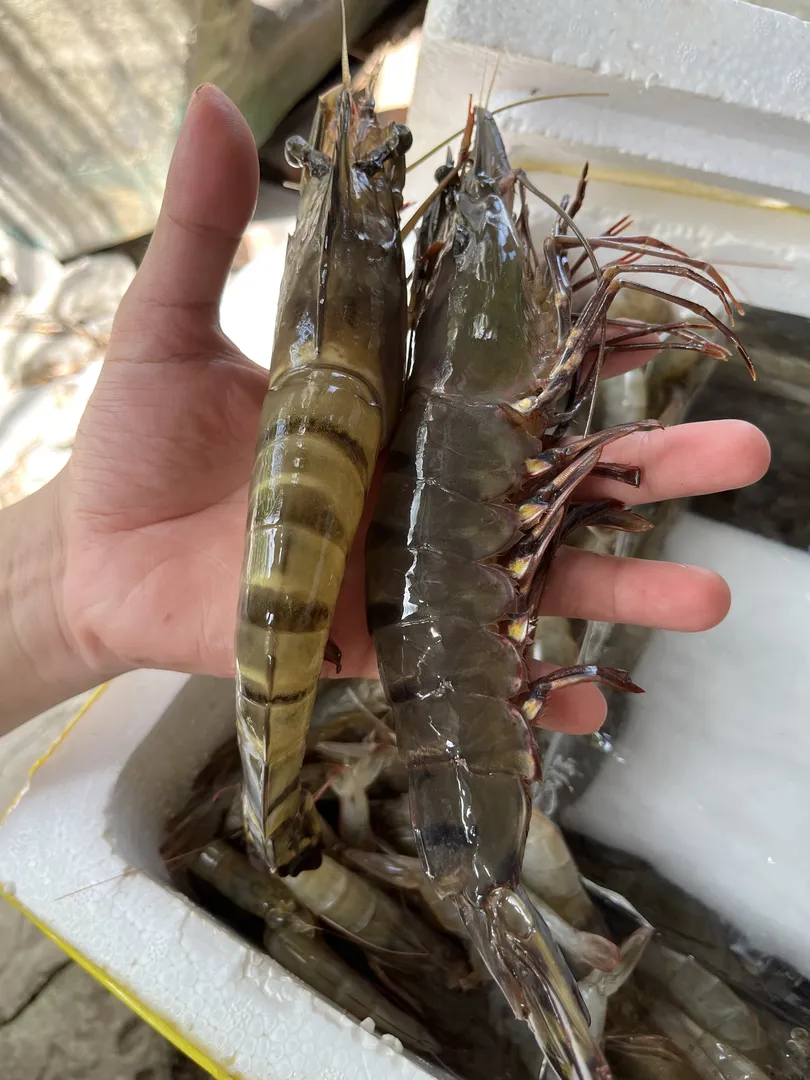
📸 The distinctive stripes of the Tiger Prawn, thriving in its natural habitat.
2 Beyond Ordinary: What Makes Them Special?
The foraging habits of these prawns, directly under the protective canopy of the mangroves, translate into a tangible difference in quality that discerning palates — and the world's top chefs — are now clamoring for.
Texture
Unlike the often-mushy texture of intensively farmed prawns, mangrove-grown tiger prawns boast an exceptional firmness. Each bite offers a satisfying resistance, a testament to their active, natural lifestyle. This density contributes to a cleaner mouthfeel.
Flavor
The natural diet of plankton and organic matter imbues the prawns with a delicate, nuanced sweetness. It's a pure, unadulterated seafood flavor, free from any off-notes that can arise from artificial feed. Chefs often describe it as intensely 'shrimpy,' but refined.
3 From Local Roots to International Recognition
The recent international certification is not just a stamp of approval; it's a validation of the sustainable practices championed by Ca Mau's dedicated farmers and a signal to the global market that quality, integrity, and environmental stewardship are paramount.
What Does Certification Mean?
Earning certifications like ASC (Aquaculture Stewardship Council) or similar organic/sustainable standards signifies that the prawns are farmed using methods that minimize environmental impact, ensure animal welfare, and promote responsible resource management. This often involves strict controls on water quality, biodiversity, and the absence of harmful chemicals.
The Demand for Purity
In a world increasingly aware of food origins and environmental footprints, demand for "clean" seafood is soaring, particularly among affluent consumers and high-end restaurants. These certified Ca Mau prawns, with their pristine origin and superior flavor, perfectly fit this niche, driving rapid sell-outs upon release.
4 Letting the Mangrove Shine Through
With such a naturally exquisite ingredient, the preparation should be as thoughtful as its cultivation. The goal is to enhance, not mask, the inherent qualities of these ecological tiger prawns.
Steaming: The Purest Form
The simplest and most revered method. Steam for just a few minutes until the shells turn opaque pink and the flesh is firm but still succulent. Serve with a minimal dipping sauce—perhaps a blend of fresh lime juice, sea salt, and a whisper of white pepper, or a spicy green chili relish (Muối Ớt Xanh).
Grilling: A Kiss of Smoke
Quickly grilled over charcoal or on a hot pan. The heat caramelizes the natural sugars, adding a subtle smoky depth that complements the prawn's sweetness. Avoid overcooking; a minute or two per side is usually sufficient.
Light Sauté: Quick & Flavorful
A brief sauté with a touch of garlic and perhaps a splash of premium fish sauce or a dash of white wine. The key is speed to preserve the prawn's delicate texture and flavor.
5 A Benchmark for Sustainable Seafood
The success of Ca Mau's ecological tiger prawns is more than just a story of high-quality seafood. It's a powerful demonstration that economic prosperity can coexist with ecological preservation. As consumers become more conscious, the demand for products like these will only grow, pushing the industry towards more sustainable models.
These prawns are not just food; they are a symbol of the Mekong Delta's resilience and a blueprint for a future where luxury and responsibility are not mutually exclusive. Their sell-out status speaks volumes about what the market truly values.
6 A Glimpse of the Harvest
Imagine the scene: small boats navigating the tranquil waters between mangrove roots, local farmers carefully tending to their traps, and the shimmering sight of these pristine tiger prawns being brought ashore. This is the reality behind a product that has captured the attention of chefs and gourmands worldwide.
The Farmer's Art
This isn't industrial farming; it's a partnership with nature. The traditional methods passed down through generations are being recognized for their immense value.
The Premium Market
The ultra-rich and Michelin-starred chefs are among the primary clientele, drawn to the unparalleled quality and the story of responsible sourcing.
7 Expanding Horizons
The success of Ca Mau's mangrove ecological tiger prawns is paving the way for other regions and other species. It highlights the potential for aquaculture that works with, rather than against, natural ecosystems. As demand for traceable, sustainable, and high-quality seafood continues to rise, expect to see more of these 'eco-certified' treasures making their way to tables around the globe.
8 Understanding Ecological Tiger Prawns
These are not just any tiger prawns. The 'ecological' designation refers to their cultivation method within mangrove ecosystems without the use of industrial feed or harmful chemicals. This results in a prawn that is healthier for the consumer, better for the environment, and undeniably superior in taste and texture.
Key Characteristics:
- Natural diet within mangrove waters.
- Firm, dense flesh.
- Pure, sweet, and clean flavor profile.
- Raised without antibiotics or synthetic feed.
- Supports mangrove ecosystem health.
The "Ultra-Rich" Appeal
Their exclusivity and superior quality command a premium price, making them a sought-after item for those who value provenance and uncompromised flavor. It's a luxury derived from nature's own careful cultivation.
Experience the Purity
Heritage Ingredient
Ca Mau Black Tiger Shrimp
Ca Mau Black Tiger Shrimp
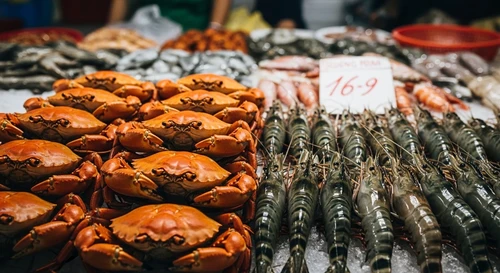
Large black tiger shrimp associated with mangrove aquaculture in Ca Mau, known for firm flesh and a cleaner, sweeter finish than intensively farmed shrimp.
Wild spirits of the mangroves, these black-banded gems deliver a firm, snappy texture and a sweetness that echoes the forest's vibrant life.