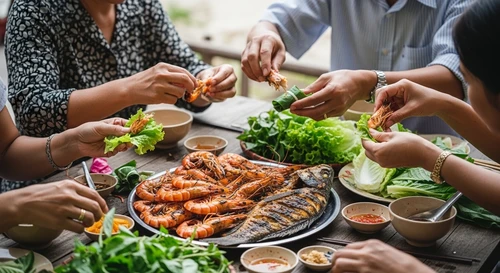
" Forget sprawling rice paddies and endless riverbanks. The future of aquaculture in the Mekong Delta, and indeed across Southeast Asia, is increasingly being written not in the fertile soil, but within the tight embrace of the city. "
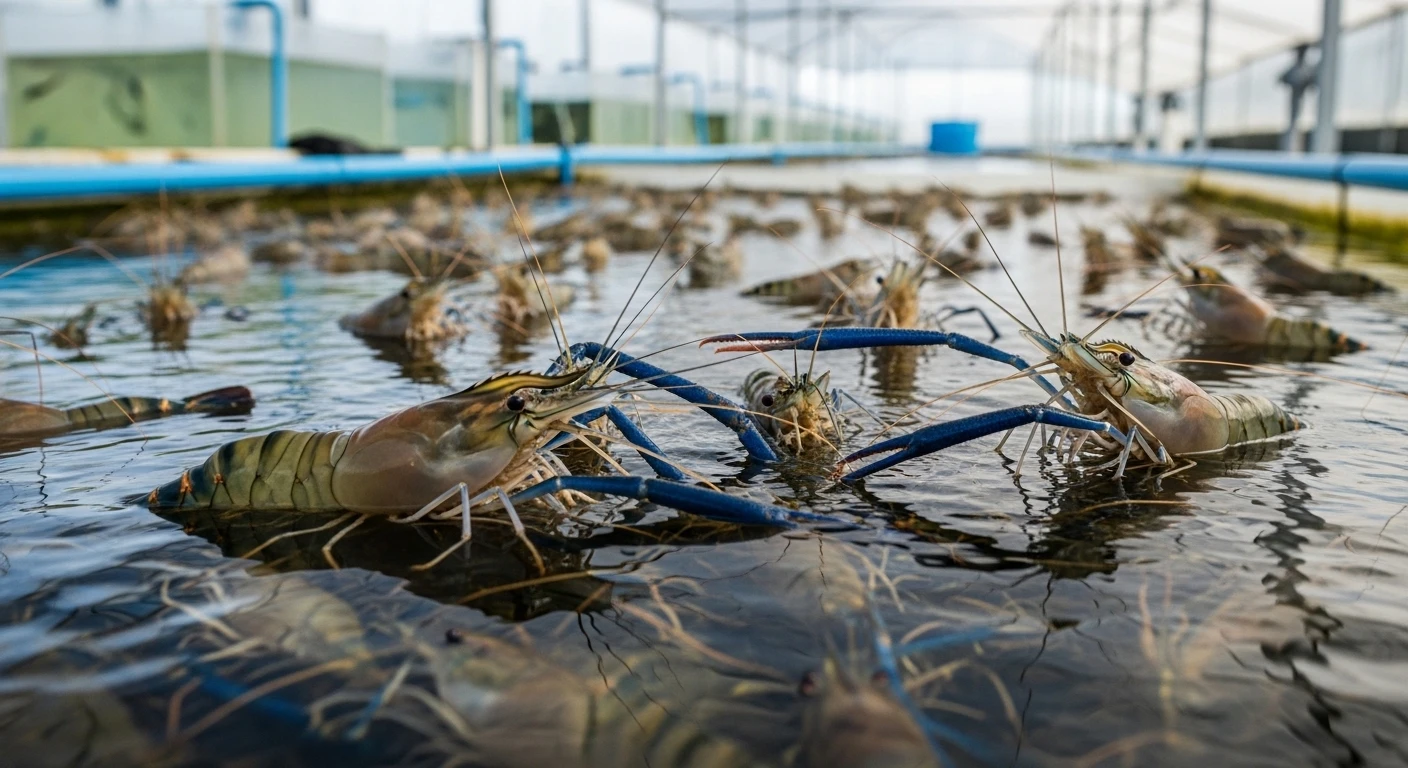
📸 Precision farming: High-density prawn cultivation in controlled environments.
1 The Delta's Evolving Landscape
For generations, the Mekong Delta has been synonymous with vast aquaculture farms. Shrimp farms stretching to the horizon, catfish teeming in earthen ponds, and floating fish cages dotting every navigable waterway. This region, the literal "rice bowl" of Vietnam, has long relied on its natural bounty. However, increasing urbanization, rising land values, and the demand for sustainable, traceable food sources are reshaping traditional paradigms.
The pressure to feed a growing global and domestic population, coupled with the environmental impacts of extensive farming (salinization, waste management), means innovation isn't just an option; it's a necessity. This is where urban and semi-urban agriculture steps in, offering a compelling solution that respects both resource efficiency and proximity to market.
The ambition here is to bring the farm closer to the fork, reducing transport emissions and ensuring peak freshness. For a region so intrinsically linked to water and its aquatic life, this is a natural, albeit technologically advanced, evolution.
2 Engineering the Aquatic Metropolis
This isn't your grandfather's fish pond. The core of this urban farming revolution lies in two key technological components: high-density net houses and recirculating plastic tank systems, often integrated with aquaponics.
Net Houses: Controlled Environments
These aren't simple fishing nets. These are advanced, often enclosed structures designed to contain large volumes of water and facilitate high stocking densities of giant freshwater prawns. They allow for precise control over water parameters like temperature, oxygen levels, and pH, minimizing external environmental stressors and disease outbreaks. Think of them as floating condominiums for crustaceans.
Plastic Tanks & Aquaponics: Space Savers
When space is at a premium, vertical solutions abound. Circular or rectangular plastic tanks, often made of durable food-grade polyethylene, allow for intensive farming within a small footprint. The real magic often happens when these tanks are integrated into aquaponic systems. Fish waste provides nutrients for plants grown hydroponically above, while the plants filter the water for the fish. It's a symbiotic ecosystem, maximizing yield while minimizing waste.
This approach dramatically reduces the land and water footprint compared to traditional pond systems, making it viable even on the outskirts of bustling cities like Ho Chi Minh City or Can Tho.
3 Meet the Mekong's Mighty Prawns
The undisputed champions of this urban farming model are the giant freshwater prawns, often referred to as Mekong River Prawns or Macrobrachium rosenbergii. These aren't your everyday shrimp.

Heritage Ingredient
Mekong Giant Freshwater Prawn
Mekong Giant Freshwater Prawn
A river prawn with long blue claws and rich head fat, common in grilled prawn dishes and hotpot traditions across the Mekong basin.
Majestic blue-clawed warriors of the Mekong, famous for their rich, fatty heads and a savory depth that captures the essence of the delta's rivers.
These magnificent crustaceans are prized for their substantial size, their distinctive long blue claws (in males), and the rich, flavorful tomalley found in their head. The meat is firm, succulent, and possesses a cleaner, sweeter taste than many farmed shrimp varieties. Historically, they thrived in the vast river systems and canals of the Mekong Delta, feeding on natural detritus and small organisms.
Bringing them into controlled urban environments requires meticulous management, but the reward is a premium product with a consistent supply chain. Farmers can monitor growth rates, optimize feed conversion, and ensure the prawns reach market size with minimal stress, leading to superior quality.
While the giant freshwater prawn is the star, the principles can be applied to other aquaculture species. The potential for farming species like tiger prawns or even select local fish within these urban systems is immense, further diversifying the 'urban Delta' food basket.
Beyond Prawns: The Symbiotic Cycle
The integration of aquaponics elevates these urban farms from mere production units to sustainable ecosystems. It's about closing the loop.
1. Nutrient Recycling
Fish excrete ammonia. Beneficial bacteria convert this to nitrates, which are essential plant food.
2. Water Filtration
Plants absorb nitrates and other dissolved nutrients, naturally filtering the water for the prawns.
3. Resource Efficiency
Dramatically reduces water usage and eliminates the need for artificial fertilizers and chemical pesticides.
This integrated approach not only produces high-quality prawns but also cultivates fresh vegetables and herbs, creating a diversified urban farm that is both economically viable and environmentally responsible.
5 Seeds of Change in the Urban Delta
The concept of urban and peri-urban aquaculture in the Mekong Delta represents more than just an agricultural innovation; it's a paradigm shift. It signals a move towards:
- Resilience: Less reliance on vast tracts of land vulnerable to climate change impacts like salinization and rising sea levels.
- Sustainability: Closed-loop systems that minimize waste and water usage, crucial in a region facing water scarcity and pollution challenges.
- Traceability & Safety: Controlled environments allow for better monitoring of prawn health, feed, and water quality, leading to safer, higher-quality seafood.
- Economic Diversification: Creating new job opportunities in urban centers and providing fresh, high-value produce directly to consumers and restaurants.
- Reduced Food Miles: Significantly cutting down on the carbon footprint associated with transporting seafood from remote farms to city markets.
As technology advances and adoption grows, we can expect to see more such innovative farms emerging. They are crucial in ensuring the Mekong Delta remains a powerhouse of seafood production, adapting to the demands of the 21st century while honoring its rich aquatic heritage.
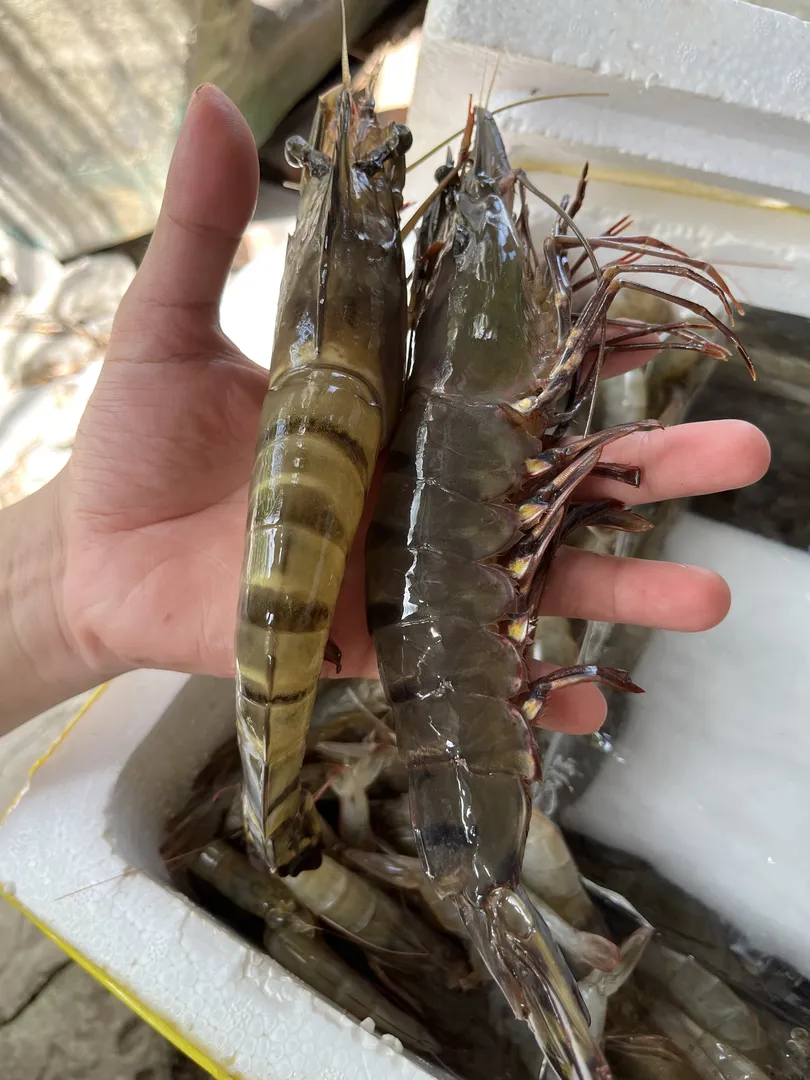
Heritage Ingredient
Ca Mau Black Tiger Shrimp
Ca Mau Black Tiger Shrimp
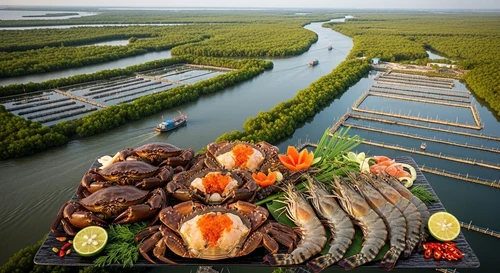
Large black tiger shrimp associated with mangrove aquaculture in Ca Mau, known for firm flesh and a cleaner, sweeter finish than intensively farmed shrimp.
Wild spirits of the mangroves, these black-banded gems deliver a firm, snappy texture and a sweetness that echoes the forest's vibrant life.
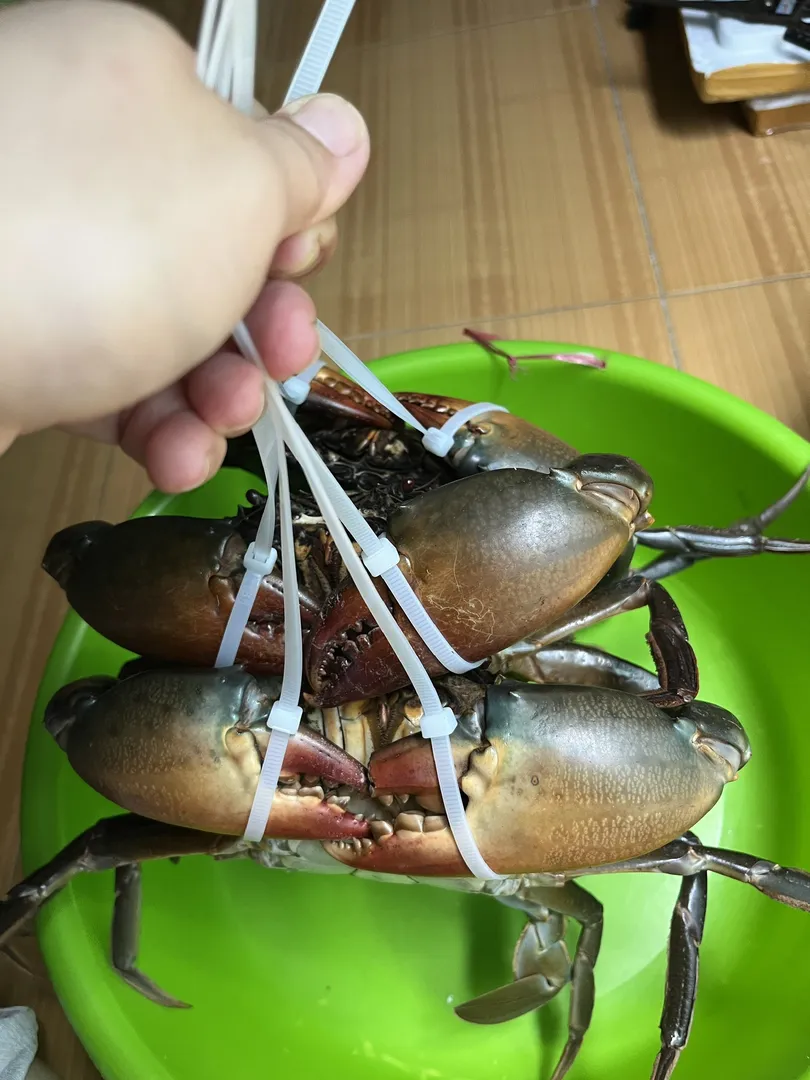
Heritage Ingredient
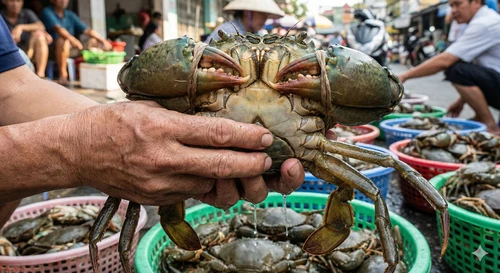
Giant Ca Mau Mud Crab
Giant Ca Mau Mud Crab
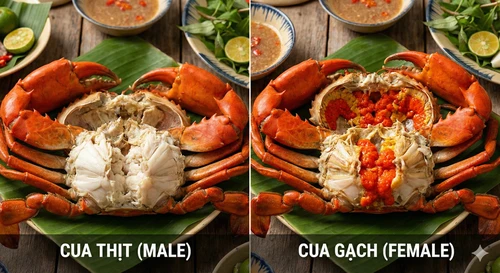
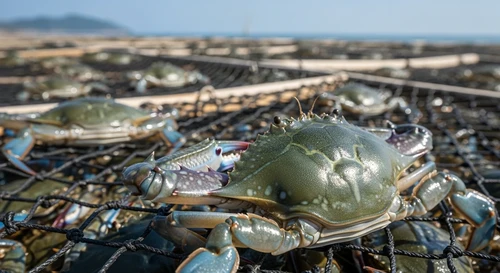
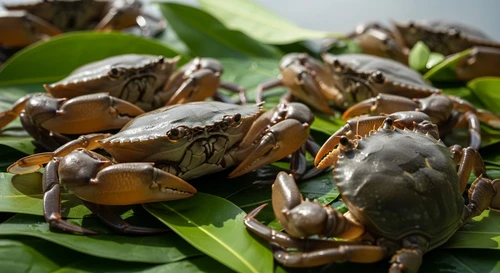
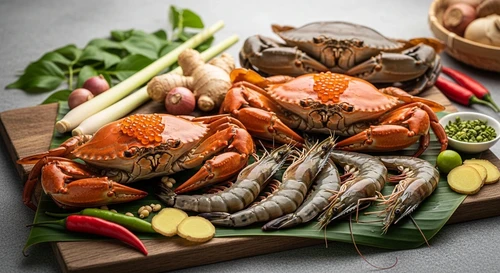
A larger export-grade mud crab with dramatic claws and thick meat, often used to illustrate oversized crab categories in Vietnamese seafood markets.
A titan of the ocean, offering colossal claws filled with muscular, succulent meat that elevates every feast into a royal experience.
The Culinary Verdict
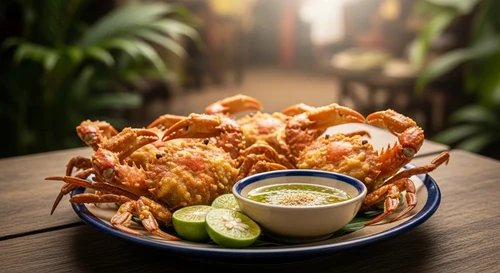
So, what does prawn raised in a plastic tank in the city taste like? In the hands of skilled chefs, it's indistinguishable from its wild-caught cousins. The key is the freshness. Pulled from the tank and rushed to the kitchen, these prawns retain their firm texture and sweet, clean flavor. Whether grilled to perfection, stir-fried with garlic and chili, or used in a rich seafood hotpot, they represent the best of what modern aquaculture can offer: premium taste with a conscience.
7 Navigating the Urban Waters
While this urban farming model is promising, it's not without its hurdles. Sourcing quality feed, managing energy consumption for pumps and filtration, and ensuring disease prevention in high-density systems require significant technical expertise and investment. Furthermore, navigating urban planning regulations and ensuring community acceptance are vital for widespread adoption.
The initial capital outlay for setting up these advanced systems can be substantial, posing a barrier for some traditional farmers. However, as the technology matures and becomes more accessible, and as the market increasingly demands sustainably produced seafood, these challenges are being addressed.
8 Beyond the City Limits
This trend of intensifying and decentralizing aquaculture production is not unique to Vietnam, but its application in the Mekong Delta carries particular weight. This region's identity is so deeply intertwined with its waters that any significant shift in how its aquatic resources are managed has ripple effects.
These urban farms can serve as models, demonstrating efficient and sustainable practices that can influence traditional farming methods. They foster a culture of innovation and research, pushing the boundaries of what's possible in aquaculture. The data collected from these controlled environments can also inform broader conservation efforts and policy-making, helping to preserve the health of the Mekong's natural ecosystems for future generations.
Ultimately, this urban agriculture breakthrough is a testament to the ingenuity and adaptability of Vietnamese farmers and entrepreneurs. It's a vision for how tradition and technology can converge to create a more sustainable, secure, and delicious future for seafood, right from the heart of its ancestral lands.