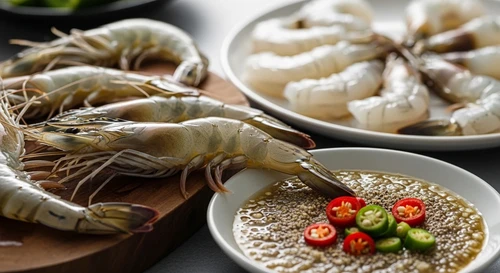
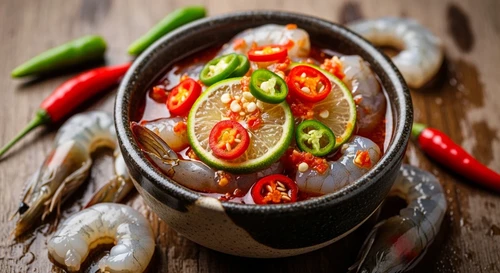
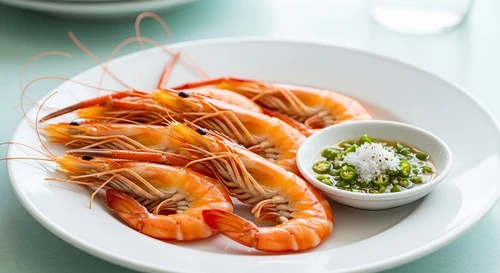
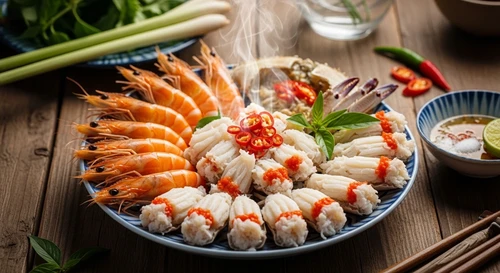
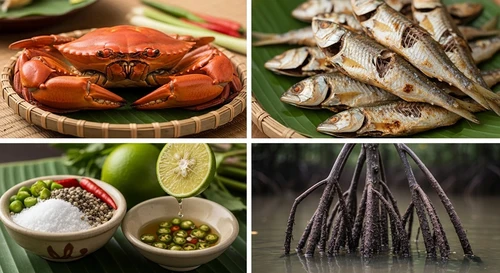
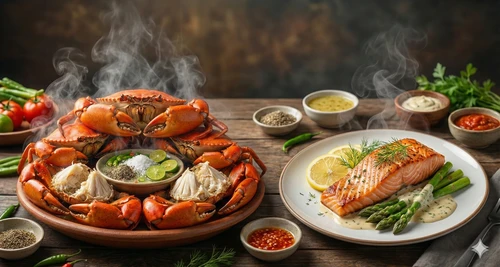
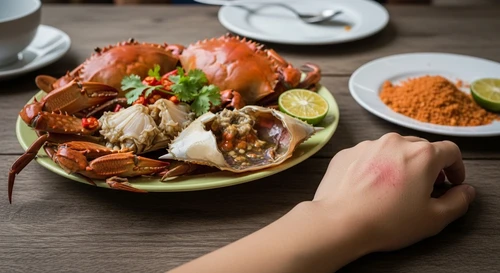
" The Mekong Delta's waters teem with life – prawns, crabs, fish so fresh they practically leap from the river. It's a treasure trove of flavor. But with great bounty comes the potential for significant risk. "
1 The Mekong's Bounty and Its Shadow
Imagine a morning at Cai Rang floating market, the air thick with the scent of exotic fruits and grilled seafood. Or picturing plump mud crabs from Ca Mau, destined for family feasts. This is the heart of Western Vietnam's culinary soul – a reliance on the abundant, life-giving waterways.
The Allergic Connection
While a staple, shellfish like lobster, crab, and shrimp are among the most common food allergens. This is due to proteins like tropomyosin, which can trigger a severe immune response. The richness of seafood in the Mekong, though celebrated, means understanding these risks is crucial.
Beyond the Plate
This isn't just about *eating* the offending food. For severe allergies, even airborne particles from cooking or touching contaminated surfaces can be enough to cause a reaction. It's a constant vigilance for those affected.
In regions like Ca Mau, where life is intrinsically linked to the sea and river ecosystems, seafood is more than just sustenance; it's culture. Families often share elaborate seafood meals, a tradition that underscores the importance of everyone being aware of potential allergies.
2 What Exactly is Anaphylaxis?
Anaphylaxis is a severe, potentially life-threatening allergic reaction that can occur rapidly. It’s your body's immune system overreacting to a trigger, releasing a flood of chemicals that can cause shock. It’s a medical emergency.
It's Systemic
Anaphylaxis affects multiple body systems at once, not just one localized area. This widespread impact is what makes it so dangerous.
It's Fast
Reactions can begin within minutes of exposure and escalate quickly. Every second counts when managing anaphylaxis.
3 Spotting the Signs: After That Delicious Crab Dish
You’ve enjoyed a meal, perhaps some succulent mud crab from the southern mangroves, and then… the subtle signs begin. They can appear within minutes to a couple of hours after exposure. Don't ignore them.
Skin Reactions
These are often the first to appear. Look for:
- Hives (itchy, red welts)
- Generalized itching
- Redness or flushing of the skin
- Swelling (angioedema), especially of the lips, tongue, or face.
Breathing Difficulties
This is a critical sign. Symptoms include:
- Shortness of breath
- Wheezing or coughing
- Tightness in the chest
- Swollen tongue or throat, making it hard to breathe or swallow.
Digestive Distress
Nausea, vomiting, abdominal pain, or diarrhea can also occur.
Circulatory Collapse
In severe cases, signs of shock can develop:
- A sudden drop in blood pressure (hypotension)
- Dizziness or fainting
- Weak, rapid pulse
- Pale or bluish skin
4 Reacting to a Suspected Reaction
If someone has a known shellfish allergy, they should always carry their prescribed epinephrine auto-injector (like an EpiPen). If you suspect anaphylaxis, time is critical.
Step 1: Use Epinephrine
Administer the epinephrine auto-injector immediately if prescribed. Inject into the outer thigh. It is safe to use even if it turns out not to be anaphylaxis, but potentially fatal to delay if it is.
Step 2: Call Emergency Services
Call your local emergency number (e.g., 911, 112, 115) immediately after administering epinephrine. This is crucial even if symptoms seem to improve, as a second, delayed reaction (biphasic reaction) can occur.
5 Managing Mild Reactions (When Anaphylaxis Isn't Present)
Not every reaction is anaphylaxis. If symptoms are mild and limited to skin (like a few hives) and no breathing difficulties are present, you might manage it at home while monitoring closely.
1. Stop Exposure
If the person is still eating, stop them immediately. Remove any remaining food.
2. Antihistamines
An over-the-counter oral antihistamine (like diphenhydramine or cetirizine) may help with mild itching and hives. Follow dosage instructions carefully.
3. Monitor Closely
Watch for any signs of worsening symptoms, especially breathing trouble or signs of shock. If symptoms worsen or change, seek immediate medical attention.
4. Cool Compress
A cool, damp cloth can help soothe itchy skin.
Even mild reactions should be discussed with a doctor to confirm the allergy and get advice on future management. Never dismiss a food reaction.
6 Preventing Exposure: The Silent Danger of Cross-Contamination
In kitchens, especially those that regularly handle seafood like kitchens in the Mekong Delta preparing local delicacies, cross-contamination is a major concern for individuals with allergies.
What is Cross-Contamination?
This occurs when an allergen (like shellfish protein) is transferred from one food or surface to another. Even trace amounts can trigger a reaction in sensitive individuals.
In a Mekong Kitchen Context:
Imagine fresh prawns being prepared on the same cutting board used moments before for a dish containing crab, or tongs used for grilled fish also touching cooked lobster. In busy markets or family gatherings where shared utensils are common, vigilance is paramount.
How to Mitigate Risk:
- Dedicated Utensils: Use separate cutting boards, knives, and cooking utensils for allergenic and non-allergenic foods.
- Thorough Cleaning: Wash all surfaces and utensils thoroughly with hot, soapy water after contact with allergens.
- Hand Hygiene: Wash hands frequently and thoroughly.
- Communication: Clearly communicate allergy needs when ordering food or eating in shared kitchens.
7 Post-Reaction Care and Medical Consultation
Even if a reaction was mild and managed at home, it’s crucial to seek professional medical advice.
Consult Your Doctor
A doctor or allergist can confirm the allergy through testing and provide personalized advice. This includes creating an allergy action plan, discussing emergency medications, and educating you on avoiding triggers.

8 From the Mekong to Your Table: A Glimpse of Seafood
The seafood celebrated in the Mekong Delta is diverse. While this article focuses on allergies, understanding the bounty helps appreciate its cultural significance. Here are some examples of the seafood that graces the tables of Western Vietnam:
Heritage Ingredient
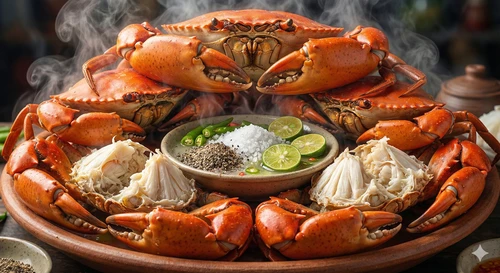
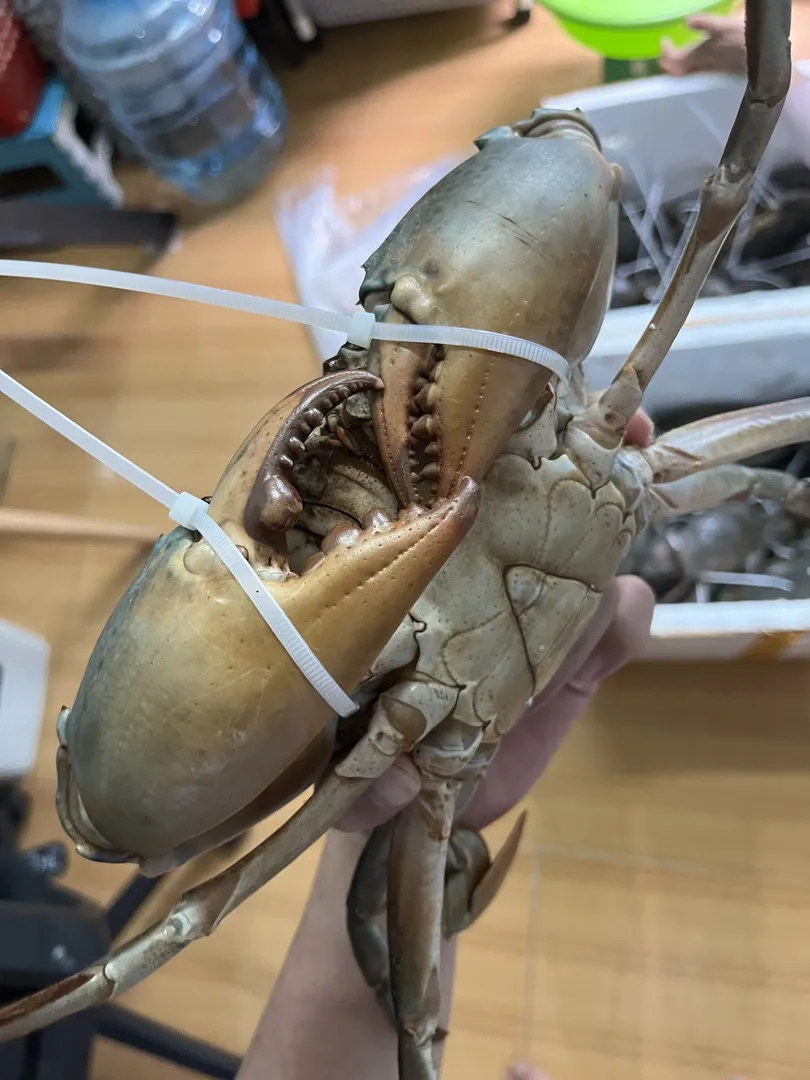
Ca Mau Jumbo Mud Crab
Ca Mau Jumbo Mud Crab
A large male mud crab prized for dense, sweet meat and thick claws, commonly used in steamed crab and grilled crab dishes across the Mekong Delta.
An icon of coastal culinary heritage, featuring firm, sweet meat that captures the raw power and freshness of Ca Mau's tides.
Heritage Ingredient
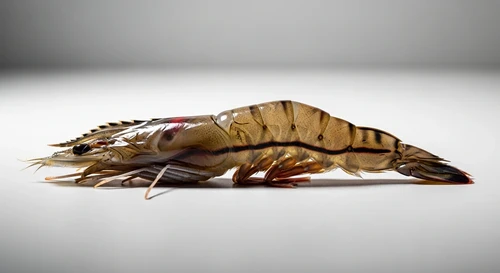
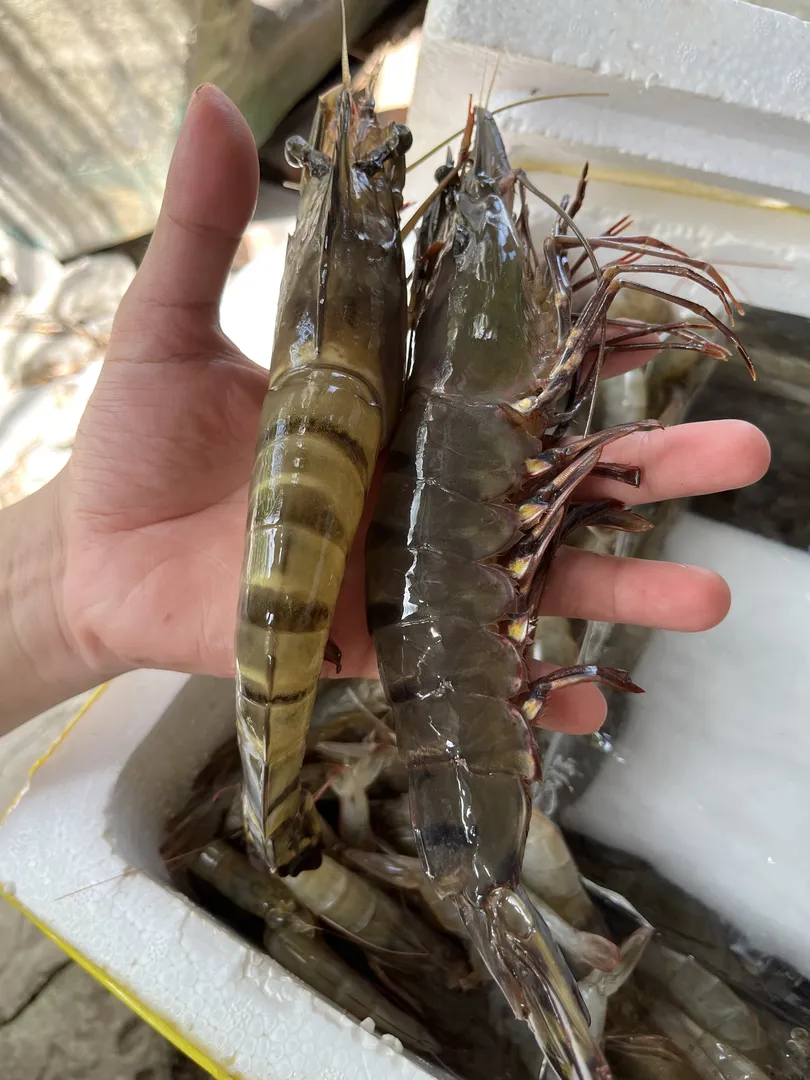
Ca Mau Black Tiger Shrimp
Ca Mau Black Tiger Shrimp
Large black tiger shrimp associated with mangrove aquaculture in Ca Mau, known for firm flesh and a cleaner, sweeter finish than intensively farmed shrimp.
Wild spirits of the mangroves, these black-banded gems deliver a firm, snappy texture and a sweetness that echoes the forest's vibrant life.

Heritage Ingredient
Mekong Giant Freshwater Prawn
Mekong Giant Freshwater Prawn
A river prawn with long blue claws and rich head fat, common in grilled prawn dishes and hotpot traditions across the Mekong basin.
Majestic blue-clawed warriors of the Mekong, famous for their rich, fatty heads and a savory depth that captures the essence of the delta's rivers.
These examples highlight the richness of the region's seafood. For individuals with allergies, careful identification and avoidance are key.
9 Navigating the Delicacies with Awareness
The culinary landscape of the Mekong Delta is a vibrant tapestry woven with fresh ingredients and time-honored traditions. While seafood is a cherished part of this heritage, understanding and respecting food allergies, especially severe ones like anaphylaxis from shellfish, is paramount. Be informed, be prepared, and always prioritize safety – whether you're savoring the local flavors or ensuring loved ones can do so without risk.