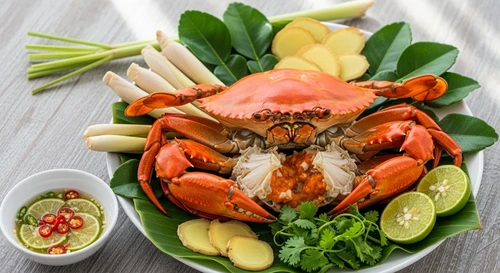
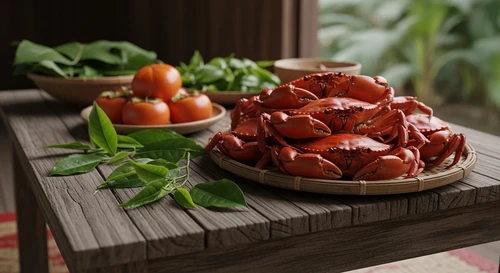
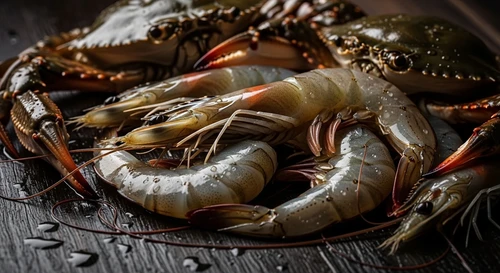
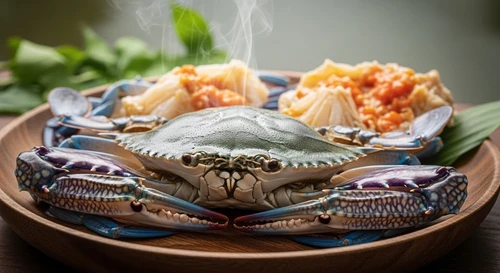
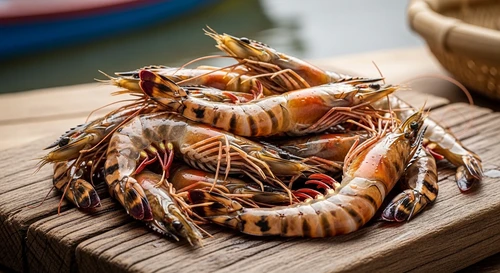
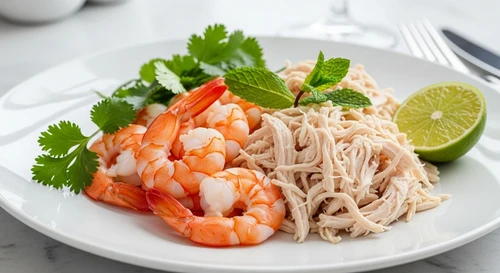
" The Mekong Delta is a treasure trove of life, a vast network of rivers and canals teeming with sustenance. Among its many gifts, the humble mantis shrimp, or "tôm tích," holds a special place. Beyond its striking appearance, it's a nutritional powerhouse, especially for our tiniest gourmands. "
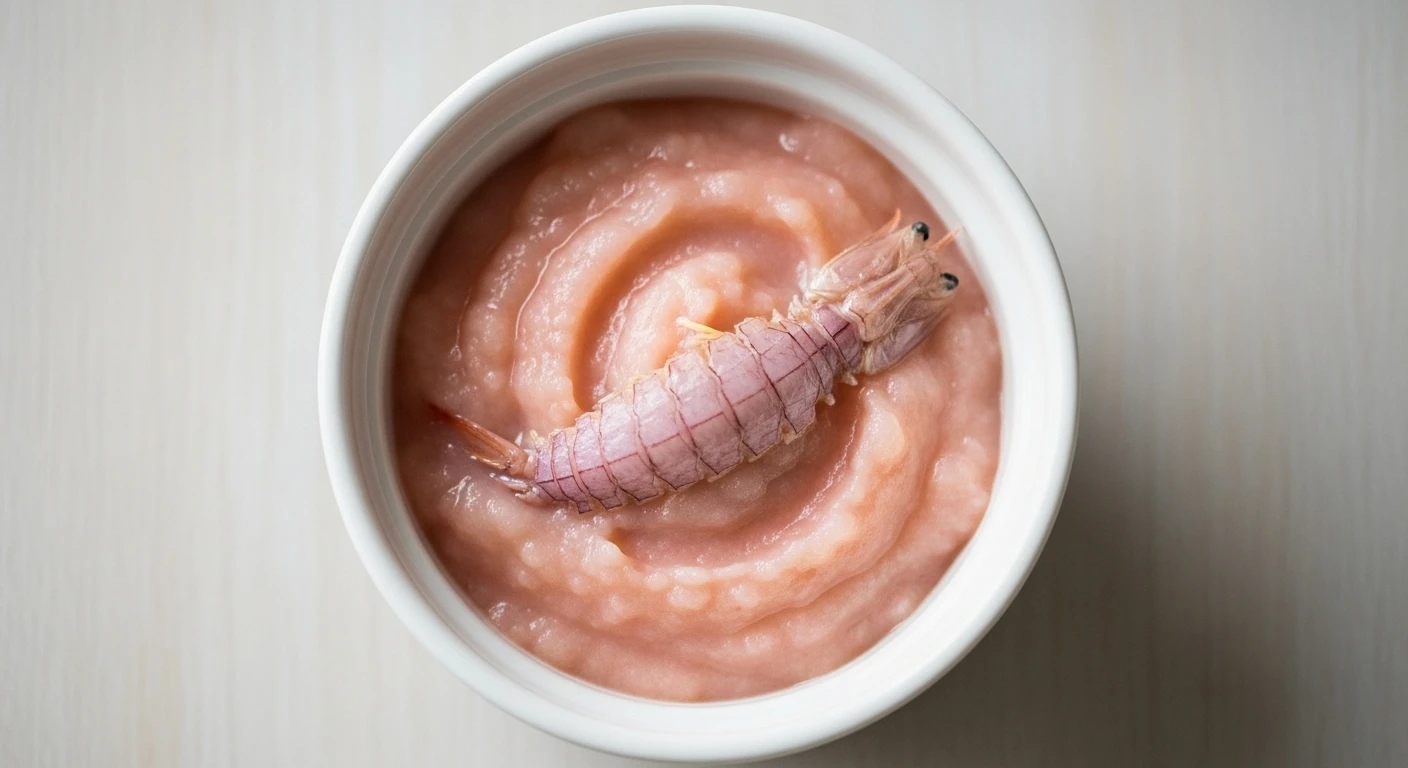
📸 A gentle introduction: Nutritious mantis shrimp porridge.
1 Why Mantis Shrimp? A Delta Treasure for Little Ones
The Mekong Delta, often called Vietnam's rice bowl, is a vibrant ecosystem where life flourishes in its waterways. From the bustling floating markets of Can Tho to the quiet canals of Ca Mau, seafood is a staple. Mantis shrimp, known locally as "tôm tích," are small, marine crustaceans that inhabit shallow coastal waters and muddy seabeds across the region. While they might appear fierce with their powerful claws, their flesh is surprisingly delicate and sweet.
For parents embarking on the weaning journey, introducing solid foods can feel daunting. You’re looking for nutrient-dense options that are safe, easily digestible, and appealing to a baby’s palate. Mantis shrimp ticks all these boxes, especially for babies around 8 months and older.
The DHA Factor
One of the most compelling reasons to consider mantis shrimp for your baby is its rich DHA content. Docosahexaenoic acid (DHA) is a crucial omega-3 fatty acid that plays a vital role in brain development, vision, and overall nervous system function in infants. While breast milk or formula is the primary source of DHA, introducing solid foods rich in this nutrient can further support your baby's cognitive and visual growth. Seafood, in general, is an excellent source of DHA, and mantis shrimp is no exception.
Ease of Digestion and Sweet Flavor
Mantis shrimp meat is naturally tender and has a subtle, sweet flavor that is often well-received by babies. This mild taste makes it a versatile ingredient for weaning porridges and purees. Unlike some other seafood that can have a strong "fishy" odor, properly prepared mantis shrimp is aromatic and pleasant. Its texture, when finely mashed, is smooth and easy for babies to swallow and digest, minimizing the risk of choking or digestive discomfort.
2 The Weaning Timeline: Introducing "Tôm Tích"
Most pediatricians recommend introducing solid foods, including pureed meats and seafood, between 6 to 8 months of age. However, it's crucial to introduce new foods one at a time, waiting 2-3 days between each new introduction to monitor for any allergic reactions.
The Golden Age: 8 Months+
Around 8 months, babies typically have developed better control over their swallow reflex and are ready for more textured foods. This is an ideal time to introduce finely mashed mantis shrimp. Start with a very small amount, mixed into a familiar base like rice cereal or vegetable puree.
Allergy Watch
As with any new food, especially seafood, watch closely for signs of allergy. These can include hives, rash, vomiting, diarrhea, or difficulty breathing. If you notice any of these symptoms, discontinue the food and consult your pediatrician immediately.
Always choose fresh, high-quality mantis shrimp. In the Mekong Delta, sourcing fresh seafood is usually straightforward, but for those outside the region, reputable fishmongers or seafood markets are your best bet. Ensure the shrimp are lively or freshly caught, with no strong ammonia odor.
3 From Shell to Spoon: A Simple Guide
Preparing mantis shrimp for baby food is surprisingly simple, focusing on extracting the tender meat and ensuring it's perfectly mashed for easy consumption.
Sourcing & Cleaning
Start with fresh mantis shrimp. Rinse them thoroughly under cold running water. If they are live, it's best to cook them first to ensure they are safe for consumption. Steaming or boiling for a few minutes until they turn pink is ideal.
Extracting the Meat
Once cooked, gently crack open the shell. The prime edible part is the tail section and the small legs. Carefully pick out the delicate, pinkish-white meat. Discard the shell, head, and any internal organs.
Mashing for Baby
Place the extracted meat into a clean bowl. Using a fork or a baby food masher, finely mash the shrimp meat. For a smoother consistency, you can use a baby food grinder or a small blender. Add a little breast milk, formula, or plain water to achieve the desired texture – initially like a smooth puree, gradually thickening as your baby gets older.
Mixing into Porridge
This mashed mantis shrimp is now ready to be incorporated into your baby's favorite weaning porridge. Common bases include rice porridge (cháo trắng), mixed grain cereals, or pureed sweet potato and pumpkin. Mix a small amount (e.g., 1-2 teaspoons) into about 1/4 cup of porridge.
Beyond the Delta: Safety & Sourcing
While the Mekong provides abundant, fresh mantis shrimp, ensuring safety and optimal nutrition is paramount when preparing food for infants, wherever you are.
1. Source Wisely
If you're not in Vietnam, look for frozen mantis shrimp that are whole and intact. Ensure they have been kept frozen since purchase. Thaw them properly in the refrigerator before cooking.
2. Cook Thoroughly
Always cook the mantis shrimp fully before extracting the meat. This kills any potential bacteria or parasites. Steaming, boiling, or poaching are excellent methods that preserve nutrients.
3. Mash to Perfection
The consistency is key for babies. For 8-month-olds, aim for a smooth puree. As they grow, you can introduce a slightly coarser texture with tiny, soft "bits" of shrimp.
Prepare a larger batch and freeze individual portions in ice cube trays. Once frozen, transfer the cubes to a freezer-safe bag for easy serving throughout the week.
5 More Than Just Nutrition: A Cultural Connection
Introducing your baby to ingredients like mantis shrimp is not just about providing essential nutrients; it's also about subtly connecting them to their heritage or to the rich culinary tapestry of places like the Mekong Delta. Even if you're thousands of miles away, the act of preparing and sharing these foods can be a bridge to a broader world of flavor and culture.
Imagine the journey of this small creature from the muddy riverbeds of Vietnam to your baby's high chair. It's a story of sustenance, of local livelihoods dependent on the river's bounty, and of a culinary tradition passed down through generations. By incorporating ingredients like "tôm tích" into your baby's diet, you are offering them not just nourishment, but a whisper of the Mekong itself.
6 Beyond Mantis Shrimp: Other DHA-Rich Options
While mantis shrimp is a fantastic choice, variety is key in a baby's diet. If mantis shrimp isn't readily available or if you wish to diversify, consider these other excellent sources of DHA:
- Salmon: A top-tier source of DHA. Ensure it's well-cooked and flaked finely.
- Sardines/Mackerel: Small, oily fish are packed with DHA. Remove bones carefully and mash thoroughly.
- Tuna (Light): Use in moderation due to mercury concerns. Opt for light tuna and ensure it's cooked and flaked.
- Other Shrimp Varieties: Regular shrimp (like "tôm thẻ" or whiteleg shrimp) also offer DHA, though typically in slightly lower amounts than mantis shrimp or oily fish.
- Fortified Foods: Some infant cereals and purees are fortified with DHA. Always check labels.
Remember to consult with your pediatrician for personalized advice on introducing solids and incorporating new foods into your baby's diet. They can provide guidance tailored to your baby's individual needs and developmental stage.
7 Nurturing Growth, One Bite at a Time
The journey of introducing solids is an exciting milestone, filled with new tastes, textures, and nutritional discoveries. By embracing ingredients like the humble mantis shrimp, you're not only providing your baby with essential DHA for healthy development but also opening their palate to the diverse and delicious flavors that the world, and especially the Mekong Delta, has to offer.
So, next time you're at the market, look for those small, intriguing "tôm tích." With a little preparation, you can transform this little warrior of the sea into a gentle, nutritious meal that will help your baby thrive. It's a taste of the Mekong, delivered with love, for your little one's bright future.