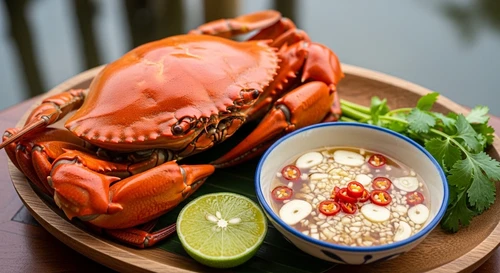
" In the labyrinthine waterways of the Mekong Delta, where every tide brings a new bounty from the sea, understanding your catch is paramount. Especially when it comes to the humble crab. For many, the sight of a female crab carrying her brood is a sign of abundance. But is it always safe to eat? "
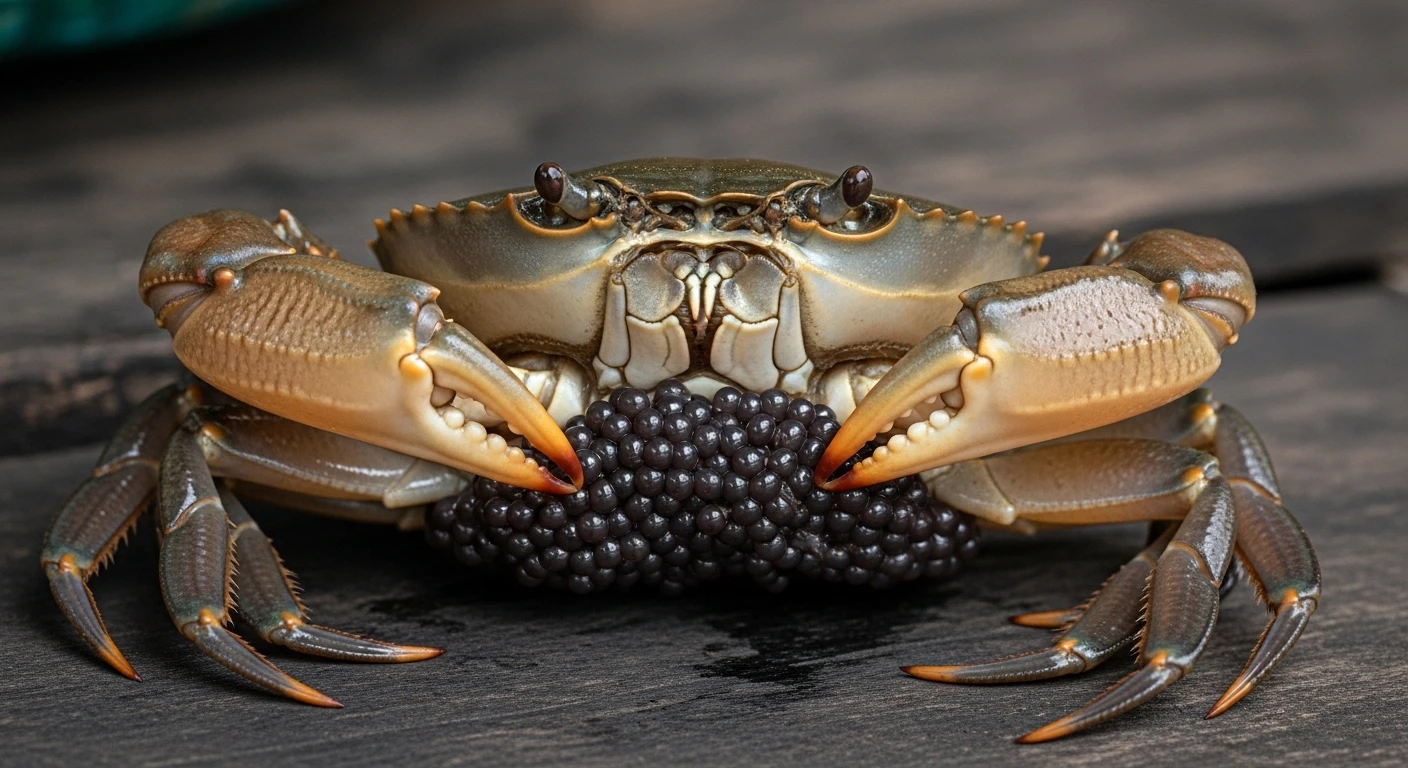
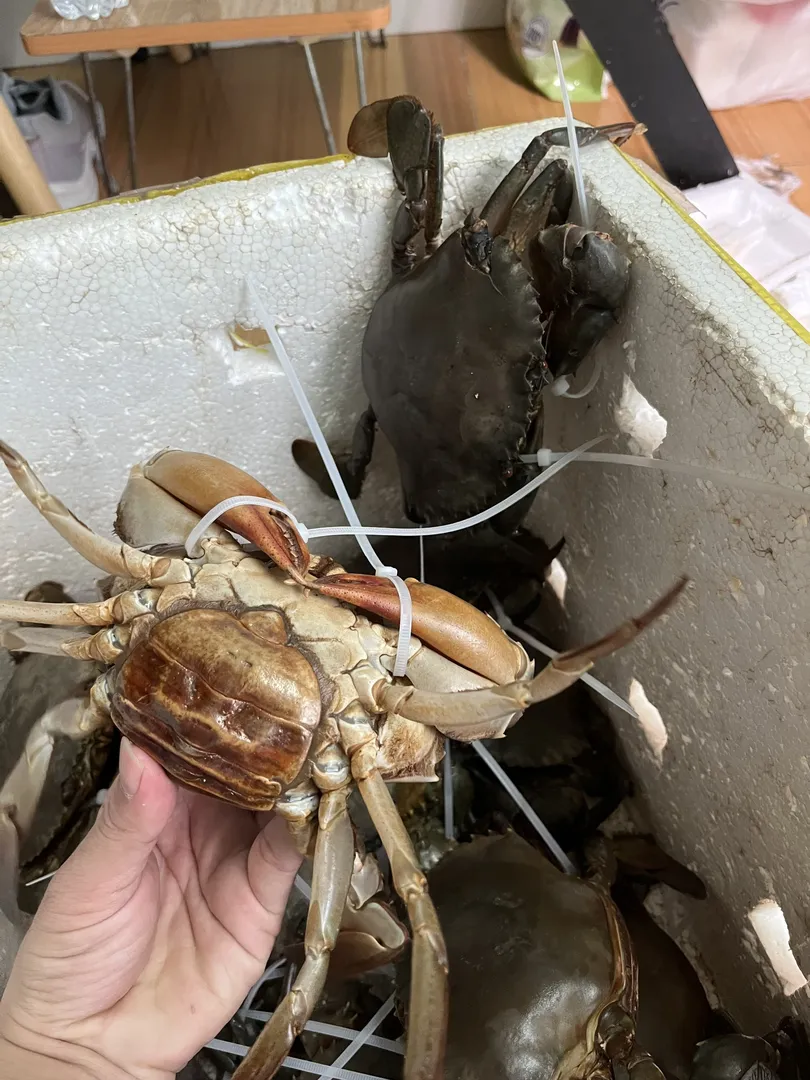
📸 A female crab proudly displaying her external eggs, a common sight in the coastal regions of Ca Mau.
1 Unpacking the "External Eggs": Fertilized vs. Roe
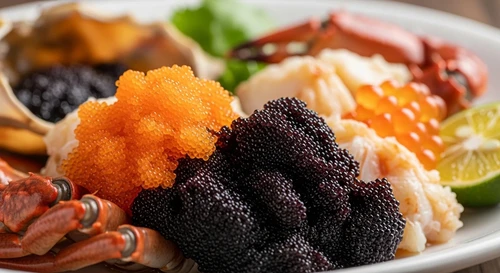
The key to understanding this question lies in biology. When you see a female crab with a cluster of small, dark, bead-like structures attached to the underside of her abdomen (the apron), you're not looking at roe in the traditional sense. These are fertilized eggs, the precursors to tiny baby crabs.
This external egg mass, often called "spawn" or "roe," is what a mother crab carries until the eggs hatch. Inside her body, before this external stage, she has internal eggs that are fertilized. Once fertilized, she extrudes them and attaches them externally.
Internal Roe (Unfertilized)
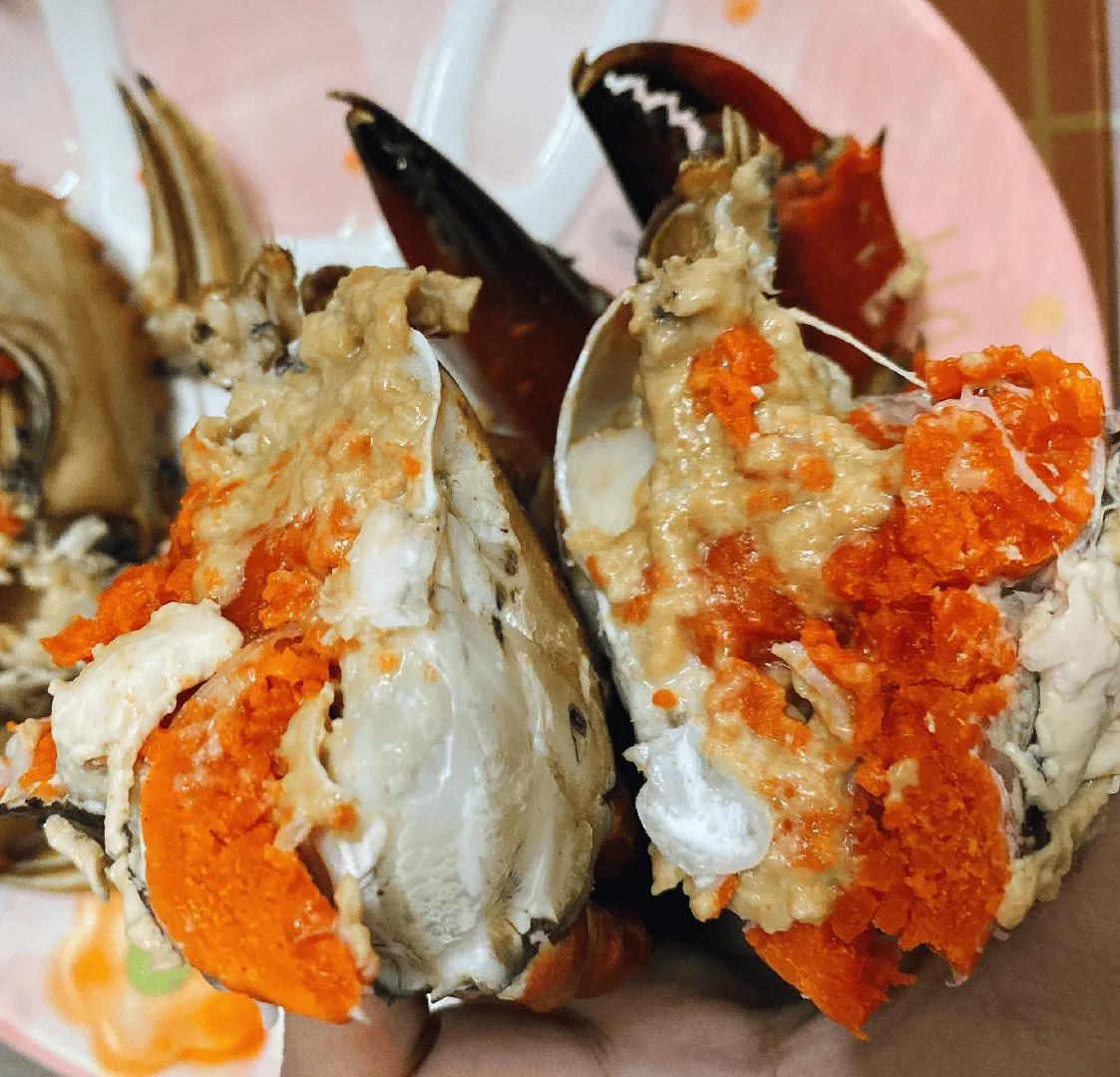
This is the deep orange or red, often paste-like substance found inside the crab's body, particularly in the carapace. It's rich, creamy, and highly prized by many for its intense flavor, especially in certain Vietnamese dishes like Bún Riêu Cua. This internal roe is safe and desirable.
External Fertilized Eggs
These are the visible, dark, granular masses attached to the apron. They are fertilized and ready to hatch. While not inherently toxic, their edibility is a different matter entirely, and it hinges on crucial factors: hygiene and freshness.
In the Mekong Delta, particularly in provinces like Ca Mau and Bac Lieu, where mangrove crab fisheries are vital, seeing crabs in various reproductive stages is common. Understanding this difference is the first step in appreciating the seafood and making informed choices.
2 The True Risk: When Hygiene Fails
The primary concern with eating a female crab carrying external eggs is not the eggs themselves, but the conditions under which they are harvested, transported, and prepared. These external eggs are vulnerable and can degrade rapidly if not handled with extreme care.
Harvesting & Transport
- Freshness is Paramount: The crab must be alive and its eggs firm and bright (even if dark). If the eggs are mushy, discolored, or have a foul odor, discard them.
- Clean Water: Crabs, especially those carrying eggs, should be kept in clean, circulating water. Contaminated water can quickly transfer pathogens to the eggs.
- Rapid Cooling: After harvesting, they should be kept cool but not frozen, to slow down bacterial growth.
Preparation & Cooking
- Vigilant Inspection: Before cooking, always visually inspect the eggs. Any sign of sliminess, off-color, or unpleasant smell means they should not be consumed.
- Thorough Cooking: The entire crab, including the eggs, must be cooked thoroughly. Steaming, boiling, or grilling are ideal methods. Undercooked seafood is a major source of foodborne illness.
- Source Reliability: Always buy from reputable vendors who can guarantee the freshness and handling practices of their seafood. In the Mekong Delta, this often means buying directly from fishermen at the market or from trusted seafood stalls.
3 The Texture and Taste
If handled correctly and cooked thoroughly, the external eggs can be safe to eat. However, their texture and flavor profile differ significantly from the prized internal roe.
Texture: Gritty, Not Creamy
Unlike the smooth, rich texture of internal roe, external eggs are more granular. When cooked, they can become slightly dry or crumbly, and some might find them less appealing for direct consumption compared to the creamy interior roe.
Flavor: Mild to None
The flavor is generally much milder than internal roe. It doesn't possess that concentrated, savory punch. Some describe it as slightly nutty or simply tasting like the surrounding crab meat, especially when cooked.
Why the Difference?
Internal roe is rich in fats and proteins that develop over the crab's maturity cycle. External eggs are primarily embryonic cells, protected but not yet fully developed for nutritional density.
Beyond the Surface: What Locals Prefer
While the external eggs are a biological wonder, in the Mekong Delta, the true prize for many connoisseurs is the crab brimming with internal, unfertilized roe. These are often sought after for special occasions.
The Coveted Roe Crab
Female crabs with abundant internal roe are often specifically targeted and command higher prices. They are preferred for dishes where the rich, creamy roe is a central component.
Heritage Ingredient
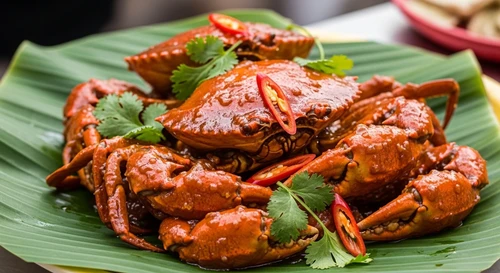
Ca Mau Roe Mud Crab
Ca Mau Roe Mud Crab
A female mud crab known for deep orange roe and a rich, creamy finish, often featured in celebratory Southern Vietnamese seafood meals.
A crimson treasure hidden within a shell, boasting rich, creamy roe that melts on your tongue like a golden sunset over the delta.
Identifying a Good Roe Crab
Look for crabs with a full, firm apron and a slightly "heavy" feel. The carapace should feel solid, not hollow. When cooked, the internal roe should be a deep, vibrant orange-red.
Heritage Ingredient
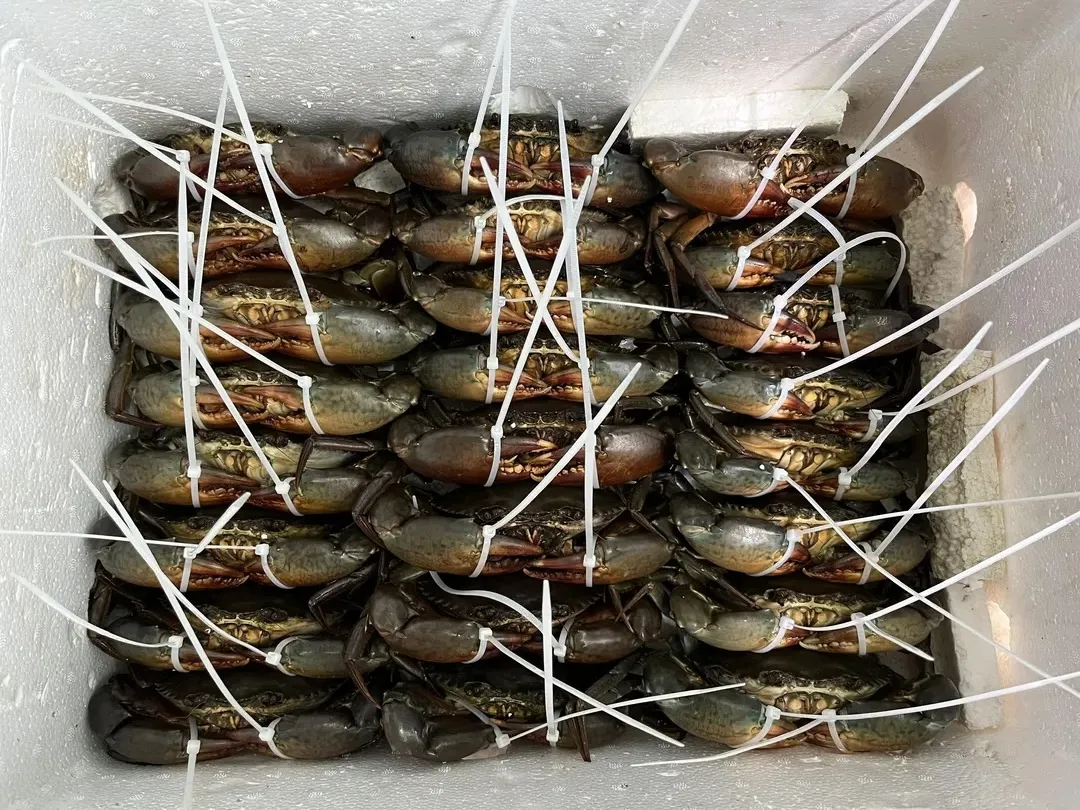
Export-Grade Ca Mau Roe Crab
Export-Grade Ca Mau Roe Crab
A carefully sorted roe crab selected for size, shell quality, and roe consistency, suitable for explaining premium grading in Vietnamese crab culture.
The pinnacle of perfection—pristine shells and bursting roe, meticulously selected to conquer the hearts of global gourmets.
Young vs. Mature Roe
Young female crabs ('virgin' or 'young' roe crabs) offer a balance of sweet meat and lighter roe, appealing to those who find the full roe crab too rich.
Heritage Ingredient
Young Roe Mud Crab (Virgin Crab)
Young Roe Mud Crab (Virgin Crab)
A young female mud crab identified before full spawning, offering a balance of sweet meat and light roe that sits between meat crab and roe crab styles.
A graceful balance of sweetness and creaminess, where tender meat meets a hint of light, buttery roe for a truly refined palate.
The appreciation for different crab stages highlights the nuanced culinary traditions of the Mekong Delta, where every part of the bounty is understood and valued.
5 The Verdict: Proceed with Caution
So, to answer the direct question: Yes, you *can* eat the external eggs of a female crab, provided certain conditions are met. However, it's not the same as enjoying the internal roe, and the risks are higher if hygiene and freshness are compromised.
Key Takeaways for Safety:
- Distinguish Internal Roe from External Eggs: The creamy, orange mass inside is desirable. The dark, granular mass outside is fertilized spawn.
- Prioritize Freshness: The crab must be alive and its eggs firm. Any sign of decay is a red flag.
- Impeccable Hygiene: From catch to cooking, cleanliness is non-negotiable.
- Cook Thoroughly: Ensure the entire crab, including the eggs, is fully cooked to kill potential pathogens.
- Trust Your Source: Buy from vendors who are knowledgeable about seafood handling and display confidence in their product's freshness.
In the vibrant culinary landscape of the Mekong Delta, embracing local ingredients is part of the adventure. By understanding the biological facts and adhering to strict food safety principles, you can enjoy the bounty of the sea responsibly, even when it comes carrying its future generations.
6 A Glimpse into Crab Reproduction
For those curious about the deeper science, understanding the reproductive cycle of marine and estuarine crabs offers fascinating insights. This process is crucial for the sustainability of crab populations in regions like the Mekong Delta.
The Journey from Fertilization to Hatching:
- Mating: Male and female crabs mate. The male transfers sperm to the female.
- Sperm Storage: The female stores this sperm in special sacs called spermathecae.
- Ovulation & Fertilization: When the female is ready to release her eggs (ovulate), she initiates fertilization by releasing eggs from her ovaries and passing them over the stored sperm. This happens internally, within her body.
- Extrusion: The fertilized eggs are then extruded from her body and attached to the pleopods (swimmerets) on the underside of her abdomen with a sticky substance. This is the visible "egg mass" or "spawn."
- Incubation: The female crab carries and protects these eggs for a period that varies depending on species and water temperature, constantly cleaning them and aerating them with her swimmerets.
- Hatching: When conditions are right, the eggs hatch into tiny larval crabs (zoea), which then begin their free-swimming planktonic stage.
The external eggs you see are in the incubation phase, a critical stage of the crab's life cycle.
7 Red Flags: When Not to Take the Risk
Even with proper handling, there are times when it's best to err on the side of caution and avoid consuming the external egg mass. These situations are crucial for preventing potential health issues.
Situations Warranting Caution:
- Any sign of spoilage: If the eggs look discolored (greyish, greenish), smell foul or overly fishy, or have a slimy texture, they are not safe.
- Crab died before cooking: If the crab was not alive when you acquired it, or if you suspect it may have died before preparation, do not consume its external eggs. Bacterial proliferation is rapid in dead seafood.
- Uncertainty about handling: If you are unsure about how the crab was sourced, transported, or stored, it's safer to stick to the internal roe or the crab's meat.
- Known contamination: In areas known for pollution or red tides, seafood can accumulate toxins. While this is a broader concern for all seafood, it's an additional layer of risk for vulnerable egg masses.
- Digestive Sensitivity: If you have a sensitive stomach or are prone to digestive upset, it might be prudent to avoid the external eggs altogether, regardless of freshness.
8 Culinary Significance: A Matter of Preference
In Vietnamese cuisine, particularly in the Mekong Delta, food preparation is often dictated by tradition, ingredient quality, and regional taste preferences. When it comes to crab eggs, the distinction is clear.
Traditional Approach:
- Internal Roe: Highly prized. Used in dishes like Bún Riêu, stir-fries, or simply steamed and enjoyed for its creamy richness. Many chefs will meticulously collect and utilize this.
- External Eggs: Generally, external eggs are not a focal point of traditional Vietnamese cuisine for direct consumption. While they are part of the natural process, they are often considered secondary to the internal roe and meat.
This isn't to say they are always discarded; in some very rustic, local preparations, they might be incorporated, but it's rare and depends heavily on the absolute freshness and specific culinary context. For the home cook or the visitor, focusing on the delicious crab meat and the celebrated internal roe is the more common and safer culinary path.
Craving Richness?
If it's the decadent, creamy roe you're after, discover the treasures within a premium Roe Crab from Ca Mau.
🦀 Explore Roe Crabs