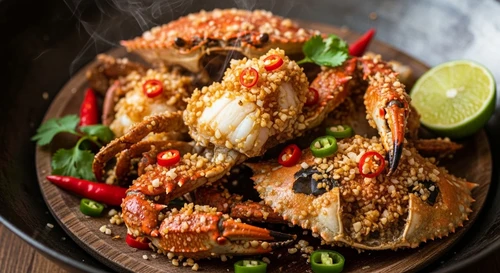
" Forget the bustling cities for a moment. To truly taste the Mekong Delta, you need to get close to the water. And there's no better way to do that than with a bowl of Canh Chua. "
A River of Flavors: The Story of Canh Chua
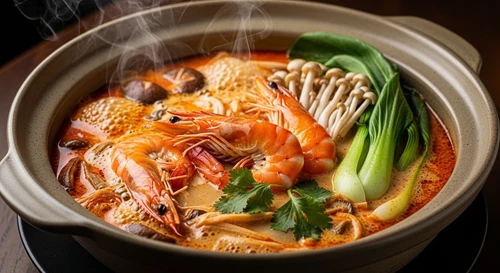
This isn't just soup; it's a microcosm of the Mekong Delta's bountiful ecosystem. Canh Chua, literally "sour soup," is a staple across Southern Vietnam, but its heart beats strongest in the watery provinces. It’s a dish born from necessity and abundance, a vibrant tapestry woven with the sweet, sour, salty, and spicy threads that define Vietnamese cuisine.
Imagine this: the humid air hangs heavy, the sun beats down on a maze of canals, and floating markets are a riot of color and commerce. Here, where fresh ingredients are as common as the water itself, a dish like Canh Chua emerges. It’s the perfect antidote to the heat – bright, refreshing, and bursting with the flavors of land and river.
The defining characteristic is its *chua* (sourness), traditionally derived from tamarind. But the magic lies in the balance. A good Canh Chua is a delicate dance between the tartness of the tamarind, the natural sweetness of fresh seafood, the pungent aroma of herbs, and a subtle kick of chili. It’s the kind of soup that makes you sit up and pay attention, a dish that speaks of sunshine and fertile lands.
The Star Players: Ingredients That Sing
The Aquatic Jewels
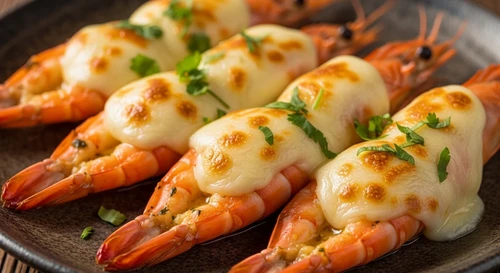
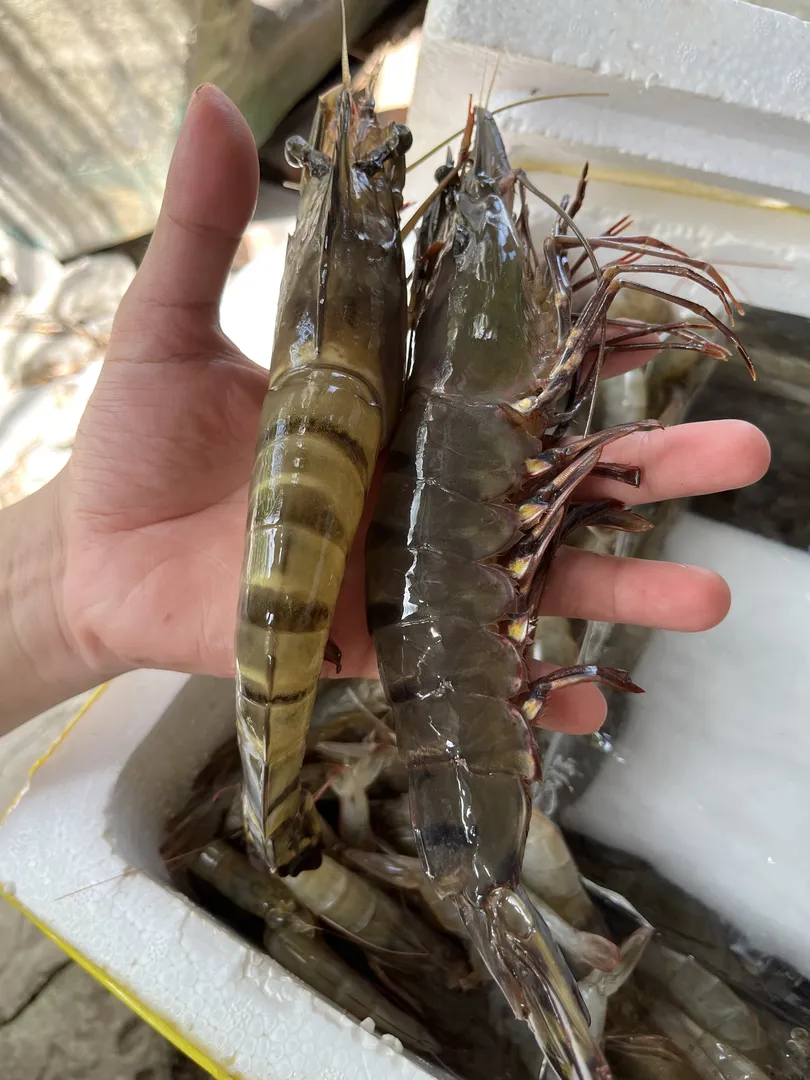
While fish (often snakehead or catfish) is common, the star of our show today is the Tiger Prawn. These aren't your average shrimp; we're talking plump, juicy specimens, preferably sourced from the mangrove-rich waters of Ca Mau. Their firm flesh and sweet, oceanic flavor are essential.
Heritage Ingredient
Ca Mau Black Tiger Shrimp
Ca Mau Black Tiger Shrimp
Large black tiger shrimp associated with mangrove aquaculture in Ca Mau, known for firm flesh and a cleaner, sweeter finish than intensively farmed shrimp.
Wild spirits of the mangroves, these black-banded gems deliver a firm, snappy texture and a sweetness that echoes the forest's vibrant life.
The Crunchy Embrace
And what about that delightful crunch? That comes from Water Lily Stems. Harvested from the very waterways that define the Delta, these stems are peeled and often split before being added to the soup. They offer a crisp, refreshing counterpoint to the tender prawns and rich broth.
The Supporting Cast:
- Tamarind Paste: The soul of the sourness. Needs to be good quality.
- Aromatics: Garlic, shallots, and especially ginger.
- Herbs: Fresh cilantro, green onions, and often mint or perilla leaves for garnish.
- Vegetables: Bean sprouts for extra crunch, tomatoes for color and a hint of sweetness, and sometimes pineapple for a tropical tang.
- Seasoning: Fish sauce, sugar, and chili (fresh or paste).
The Delta's Larder: Where Do These Ingredients Come From?
The Mekong Delta is Vietnam's agricultural heartland, a vast network of rivers, swamps, and fertile floodplains that supply the nation with much of its food. The ingredients for Canh Chua are deeply rooted in this environment.
Shrimp & Crab Country
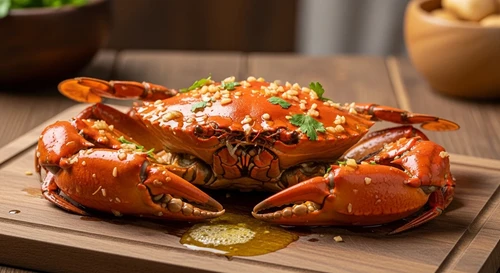
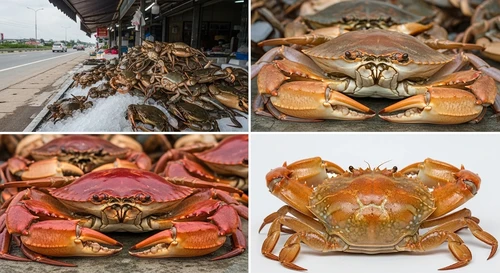
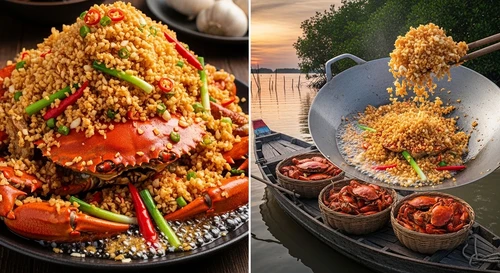
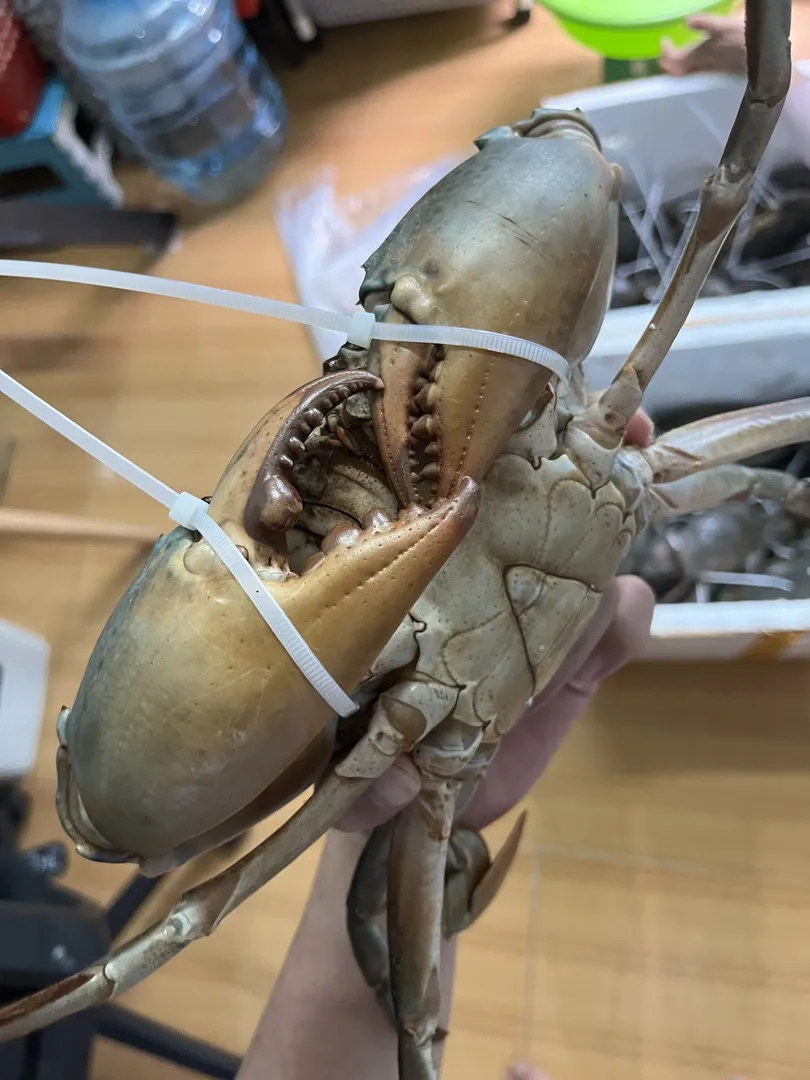
Provinces like Ca Mau are synonymous with premium seafood. The brackish waters of the mangrove forests are ideal for cultivating plump tiger prawns and the legendary Ca Mau mud crab. These aren't just commodities; they are livelihoods, part of a delicate ecosystem that has sustained communities for generations.
Heritage Ingredient
Ca Mau Jumbo Mud Crab
Ca Mau Jumbo Mud Crab
A large male mud crab prized for dense, sweet meat and thick claws, commonly used in steamed crab and grilled crab dishes across the Mekong Delta.
An icon of coastal culinary heritage, featuring firm, sweet meat that captures the raw power and freshness of Ca Mau's tides.
From the Waterways
Water lily, a common sight in the Delta's calmer waters, is not just decorative but a culinary staple. Its tender stems are a testament to the resourcefulness of the Delta people, turning what might be overlooked into a delicious part of a cherished dish.
This direct connection to the source ensures an unparalleled freshness that is the hallmark of Mekong Delta cuisine. It’s a respect for ingredients that is palpable with every spoonful of Canh Chua.
Crafting the Masterpiece: A Recipe for Canh Chua
Broth Base
- 3-4 tbsp Tamarind paste
- 6 cups Water
- 1 tbsp Fish sauce
- 1-2 tsp Sugar (adjust to taste)
- Salt to taste
- 1-2 Bird's eye chilies, sliced (optional)
The Stars & Veggies
- 250g Tiger Prawns, peeled and deveined
- 150g Water Lily Stems, peeled and cut into bite-sized pieces
- 1 Tomato, quartered
- 50g Bean Sprouts
- A small piece of Pineapple (optional, for extra tang)
Aromatics & Garnish
- 2 tbsp Minced Garlic
- 1 tbsp Minced Shallot
- 1 inch Ginger, julienned
- Fresh Cilantro, chopped
- Green Onions, chopped
Prepare the Broth
In a pot, combine tamarind paste and water. Mash the tamarind to release its pulp. Strain the liquid into another pot, discarding solids. Add fish sauce, sugar, salt, and sliced chilies (if using). Bring to a gentle simmer.
Infuse Aromatics
In a small pan, sauté minced garlic and shallots in a little oil until fragrant. Add julienned ginger and stir for another 30 seconds. Pour this aromatic mixture into the simmering broth.
Add Vegetables and Prawns
Add the quartered tomatoes and pineapple (if using) to the broth. Let them cook for a few minutes. Then, add the water lily stems. Finally, add the tiger prawns. Cook for only 2-3 minutes until the prawns turn pink and opaque.
Finish and Serve
Stir in the bean sprouts at the very last moment to keep them crunchy. Taste and adjust seasoning if needed. Ladle the soup into bowls, ensuring each gets prawns and water lily stems. Garnish generously with chopped cilantro and green onions.
The Delta's Secret Weapons: Unique Ingredients
While the core elements of Canh Chua are universal in Southern Vietnam, certain ingredients truly elevate it and speak to its Mekong Delta origins.
Ba Khia
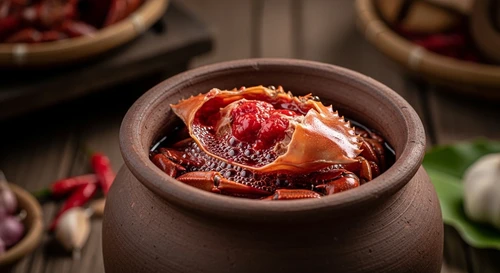
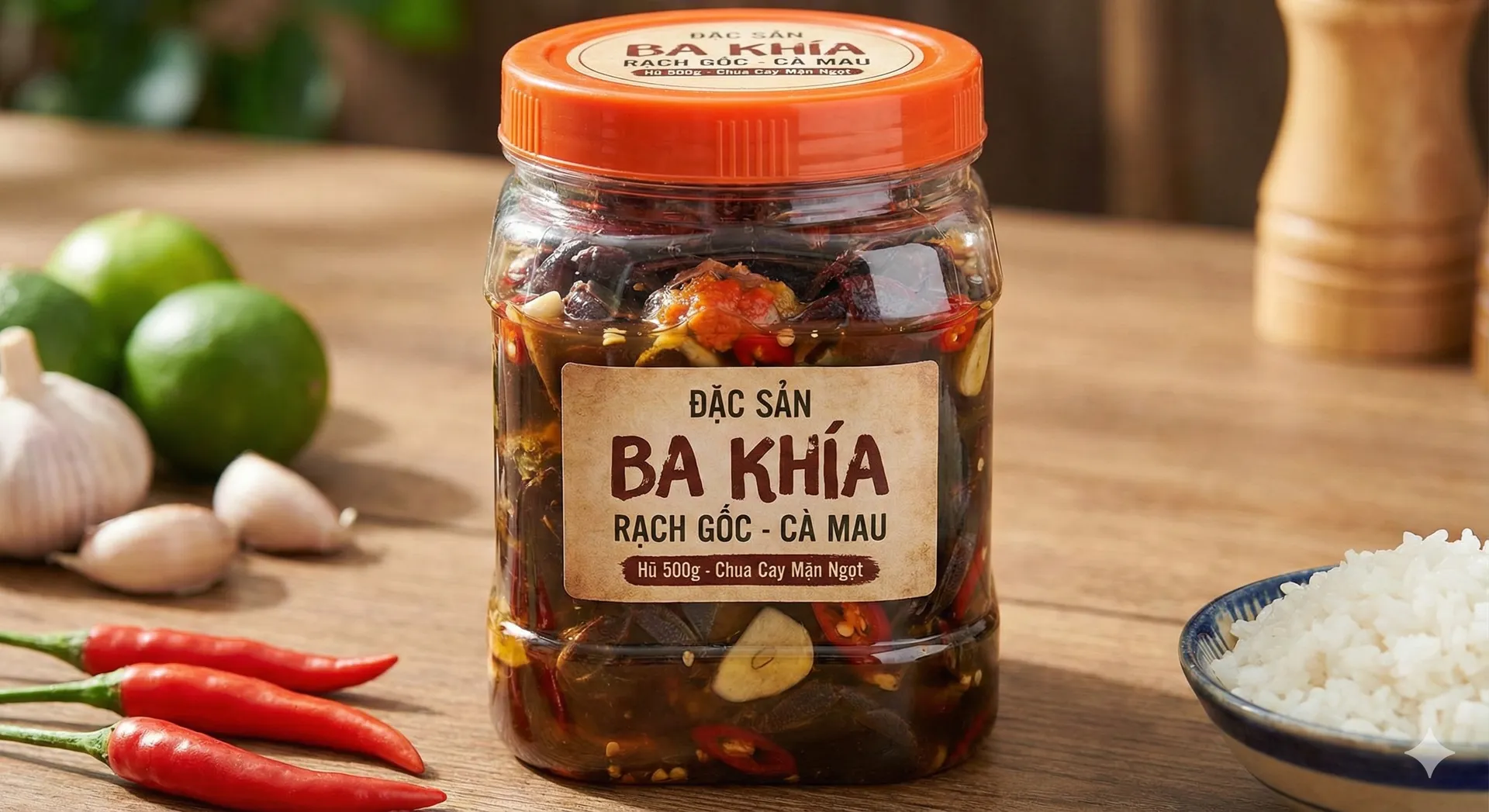
While not typically *in* Canh Chua itself, fermented mangrove crabs (Ba Khia) are a classic Mekong Delta condiment. Their intense salty-sour flavor profile mirrors some aspects of Canh Chua, showcasing the region's love for fermented and preserved tastes.
Heritage Ingredient
Fermented Mangrove Crab (Ba Khia)
Fermented Mangrove Crab (Ba Khia)
A traditional fermented crab specialty from the mangrove region of Rach Goc, often cited in articles about rustic Mekong Delta flavors and preserved seafood culture.
The salty-sour heartbeat of the wild south, where traditional fermentation turns forest crabs into a nostalgic explosion of rustic Mekong soul.
Mam Tom Chua
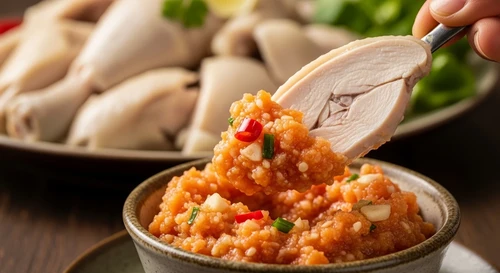
This fermented sour shrimp paste, often made with shredded green papaya, offers a pungent, sweet, and tangy kick. It's a flavor explosion that, while distinct, shares the same complex savory-sweet-sour DNA as Canh Chua, highlighting the Delta's mastery of fermentation.

Heritage Ingredient
Fermented Sour Shrimp (Mekong Style)
Fermented Sour Shrimp (Mekong Style)
A Southern Vietnamese fermented shrimp preserve made with garlic, chili, and shredded green papaya, often served with boiled pork, rice paper, or plain rice.
A vibrant dance of flavors—sour, spicy, and sweet—where tender shrimp and crunchy papaya create a masterpiece of Southern preserved heritage.
Sun-Dried Shrimp
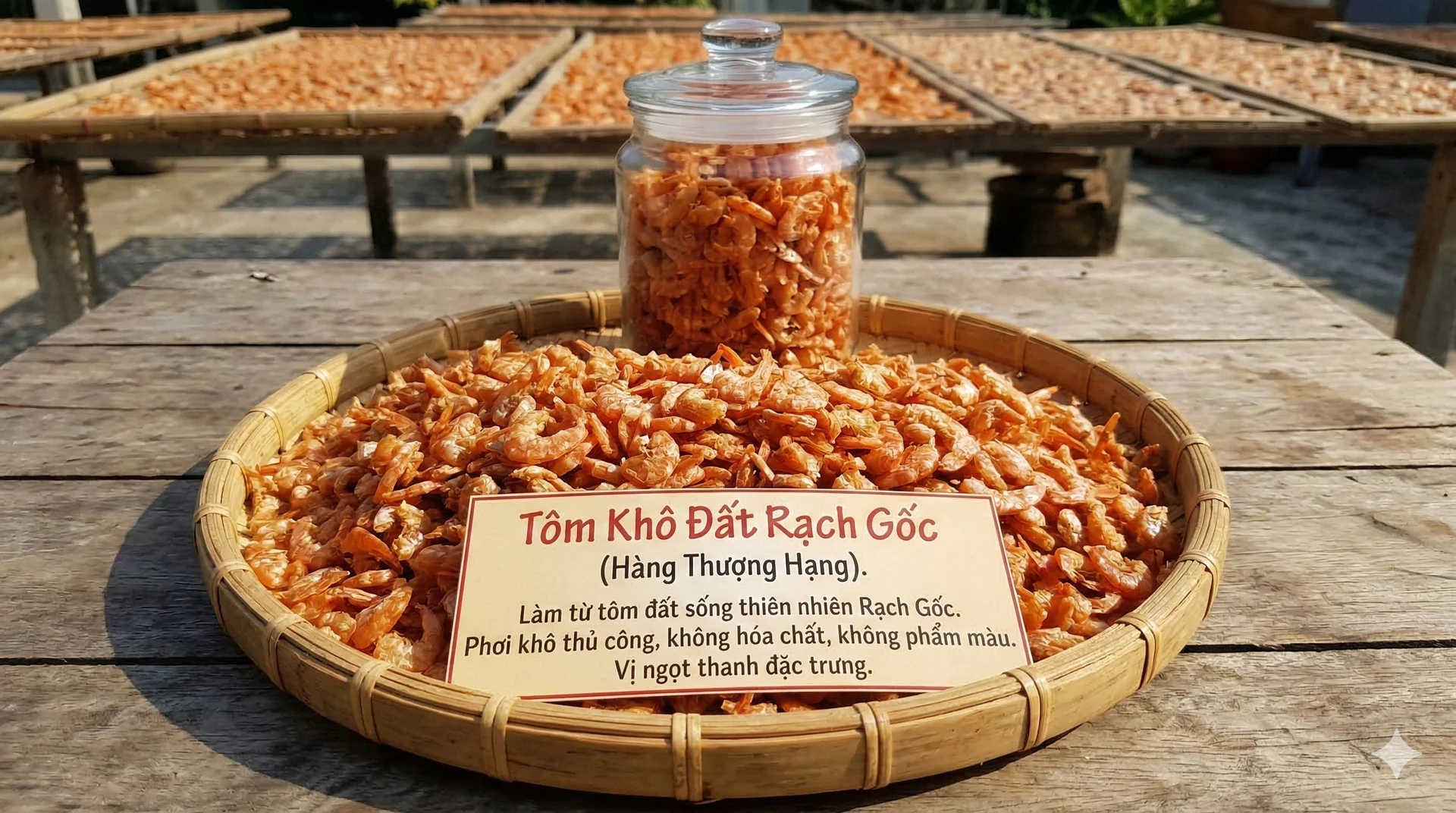
Small, intensely flavored sun-dried shrimp from coastal areas like Rach Goc can be used to add a layer of umami to the broth base, adding a whisper of the sea.
Heritage Ingredient
Sun-Dried Wild Shrimp from Rach Goc
Sun-Dried Wild Shrimp from Rach Goc
Traditional dried shrimp made from small wild shrimp, valued for natural sweetness and commonly used in Vietnamese salads, soups, and festive dishes.
Concentrated sunlight and sea salt in every bite, these crimson gems offer a deep, umami sweetness that whispers tales of Rach Goc's golden shores.
The Cultural Context: More Than Just a Meal
In the Mekong Delta, food is intrinsically linked to community and tradition. Canh Chua is a dish that embodies this. It's often prepared for family gatherings, served during Tet (Lunar New Year), or simply enjoyed on a quiet evening by the river. The act of sharing a steaming bowl of this vibrant soup fosters connection.
The ingredients themselves tell a story of the Delta’s resilience and resourcefulness. From the prawn farms of Ca Mau to the water lily patches lining the canals, the dish celebrates the gifts of the land and water. It’s a dish that speaks of home, of comfort, and of a deep appreciation for the natural world.
Its versatility also means it adapts to local availability. While tiger prawns and water lily are classic, you might find variations with fish, squid, or even crab depending on what the market offers. This adaptability is a hallmark of Delta cuisine.
Perfect Pairings: What to Eat With Canh Chua
Canh Chua is rarely eaten alone. It's part of a larger Vietnamese meal, designed to balance flavors and textures.
- Steamed Rice: The foundation of most Vietnamese meals. Plain white rice soaks up the delicious broth beautifully.
- Braised Meats: A dish like braised pork belly (Thit Kho Tau) or caramel pork and eggs provides a rich, savory counterpoint to the soup's acidity and freshness.
- Stir-fried Dishes: A simple stir-fry of morning glory or other greens offers a different texture and a touch of earthiness.
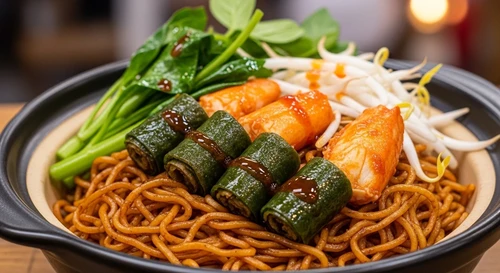
- Fish Cakes: Featherback fish cakes, with their springy texture, can add another dimension to the meal, often served in hot pots or soups themselves.

Heritage Ingredient
Hau Giang Featherback Fish Cake
Hau Giang Featherback Fish Cake
A hand-scraped featherback fish cake known for natural bounce and clean fish flavor, often used in soups, hotpot, and stuffed bitter melon dishes.
A testament to Hau Giang's artistry—silky, springy, and pure, these hand-scraped fish cakes are the bouncy heart of every clear soup.
The combination creates a symphony of tastes and textures – the light, refreshing soup cutting through richer dishes, and the various textures from crunchy vegetables to tender prawns and soft rice.
The Taste of the Delta, In a Bowl
Canh Chua with Tiger Prawns and Water Lily Stems is more than just a recipe; it's an invitation. An invitation to explore the vibrant heart of the Mekong Delta, to savor its incredible bounty, and to understand why this simple, yet complex soup holds such a special place in the hearts of Vietnamese people. So, next time you crave a taste of the tropics, reach for the tamarind and let the flavors of the Delta transport you.