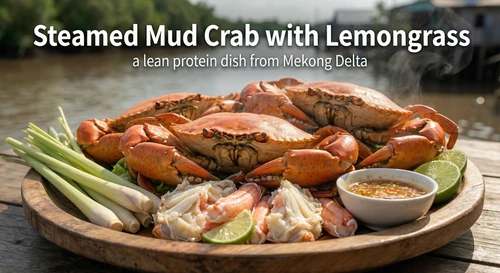
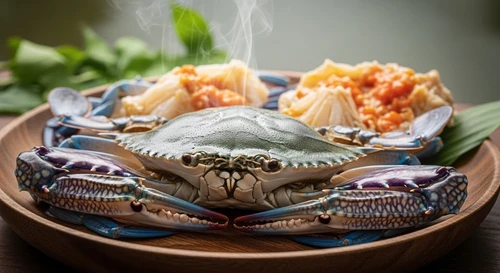
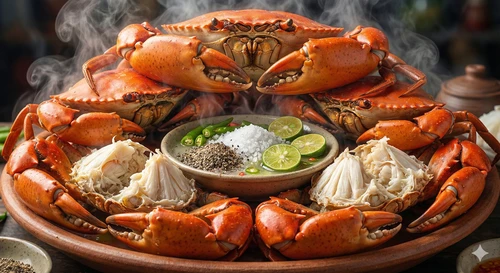
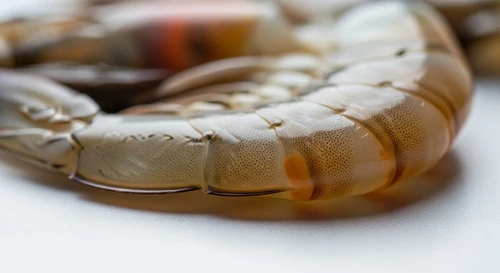
" The Mekong Delta. A place where the earth, water, and sky conspire to create one of the most vibrant culinary landscapes on the planet. Yet, even here, amidst the bounty, there are whispers of caution... ancient wisdom passed down through generations. "
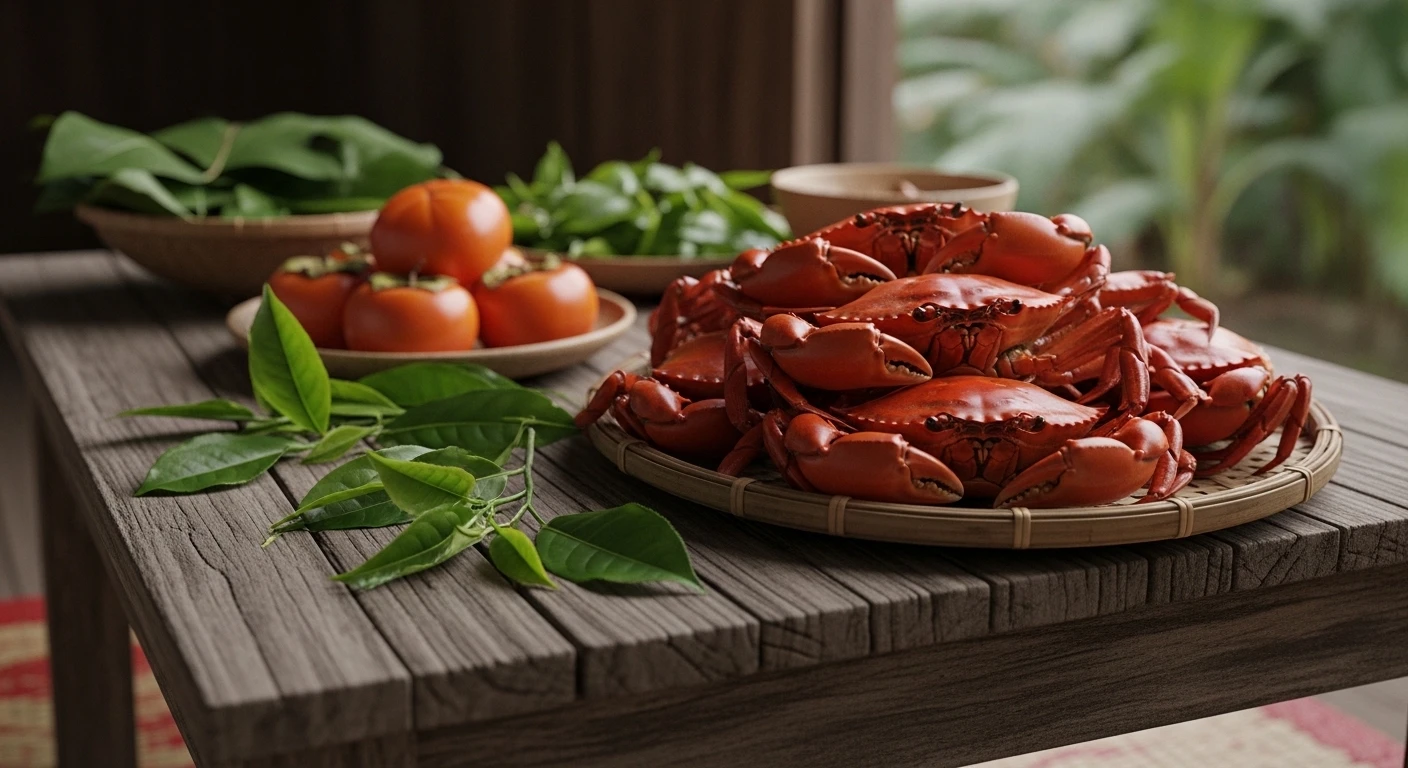
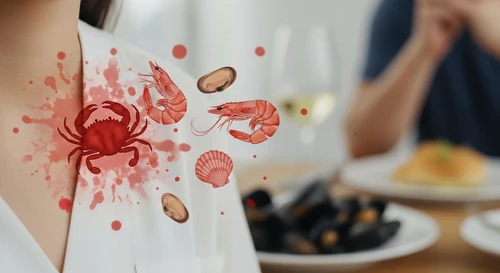
📸 A visual caution: The potent combination that folklore warns against.
1 Where Rivers Meet Recipes: The Mekong's Culinary Heartbeat
Traverse the intricate waterways of the Mekong Delta, a labyrinth of life where floating markets teem with produce and the air is thick with the scent of ripe mangoes and fresh fish. This is Vietnam’s rice bowl, a fertile crescent that feeds the nation. And at its heart are the mangroves, the muddy shores, the brackish waters – the very ecosystems that nurture some of the world's finest seafood, particularly the celebrated mud crabs of Ca Mau.
Think of the sheer abundance: plump, sweet mud crabs from the coastal areas, tiger prawns harvested from mangrove-fed ponds, and an endless variety of fish coaxed from the silt-rich rivers. This is the backdrop against which culinary traditions are forged, a dance between nature’s generosity and the ingenuity of its people. But with great bounty comes great responsibility, and sometimes, ancient warnings hold more than just superstition.
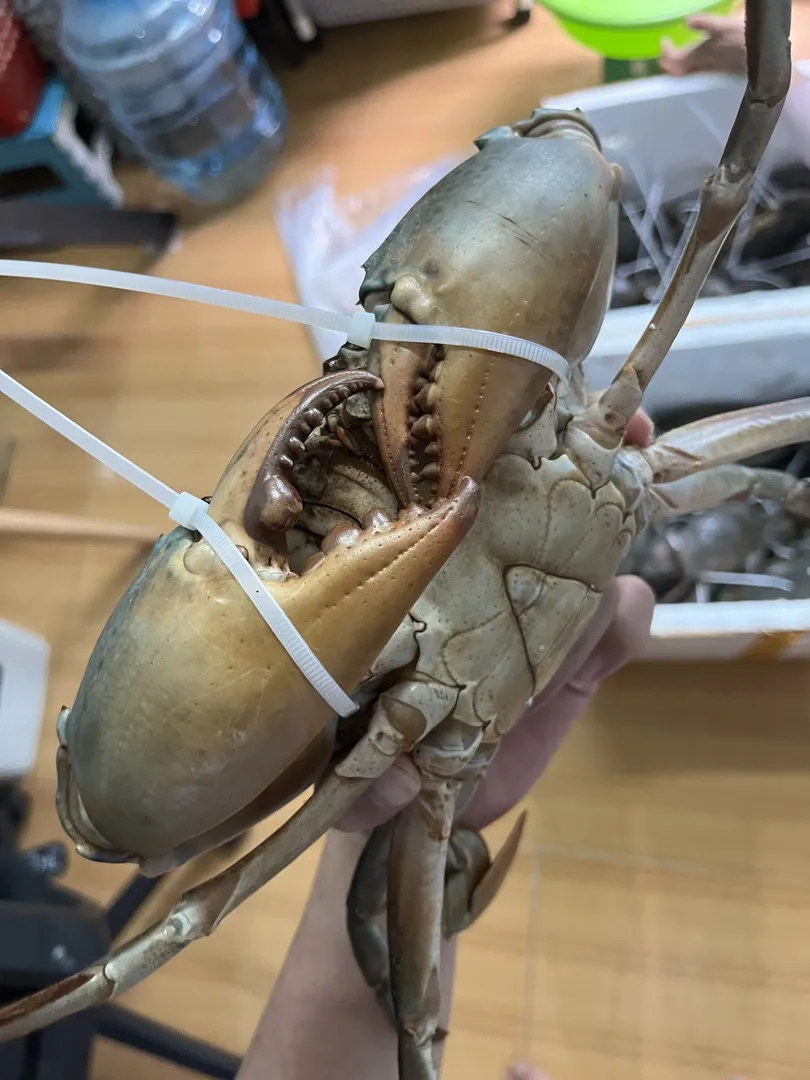
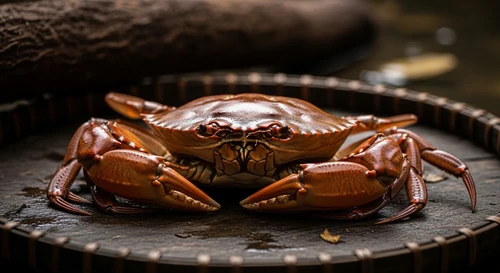
Heritage Ingredient
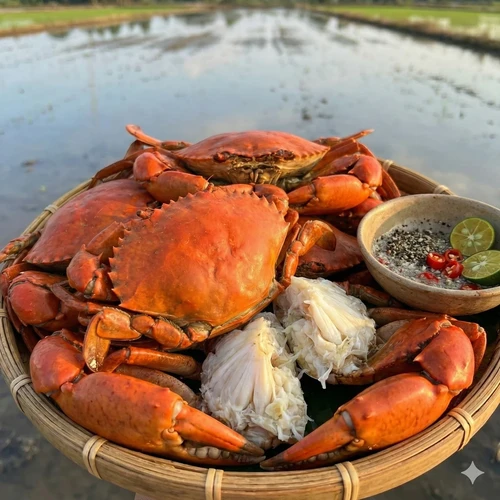
Ca Mau Jumbo Mud Crab
Ca Mau Jumbo Mud Crab
A large male mud crab prized for dense, sweet meat and thick claws, commonly used in steamed crab and grilled crab dishes across the Mekong Delta.
An icon of coastal culinary heritage, featuring firm, sweet meat that captures the raw power and freshness of Ca Mau's tides.
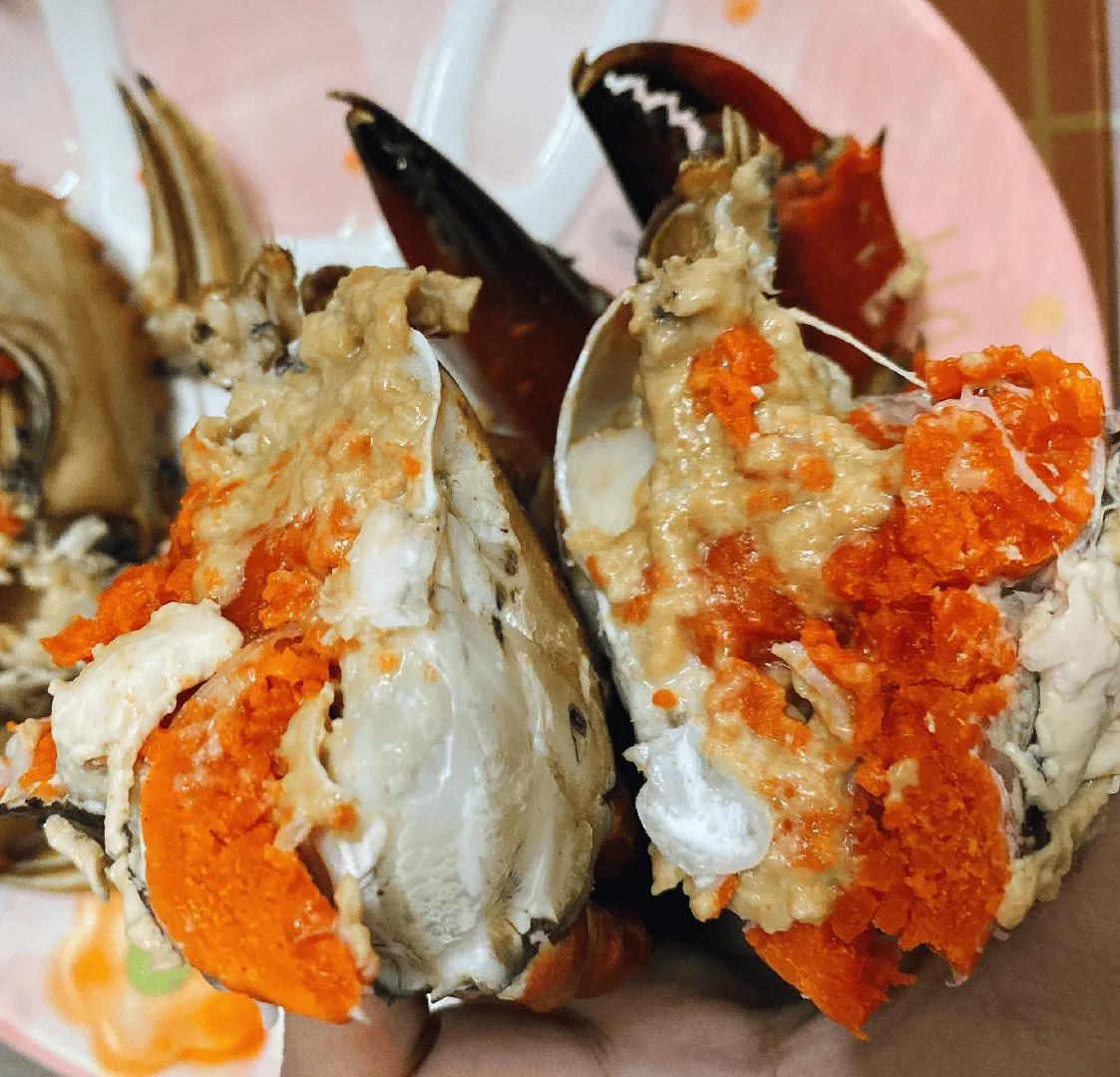
Heritage Ingredient
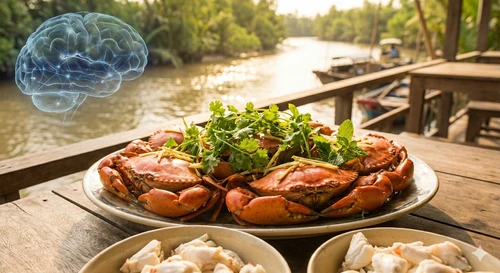
Ca Mau Roe Mud Crab
Ca Mau Roe Mud Crab
A female mud crab known for deep orange roe and a rich, creamy finish, often featured in celebratory Southern Vietnamese seafood meals.
A crimson treasure hidden within a shell, boasting rich, creamy roe that melts on your tongue like a golden sunset over the delta.
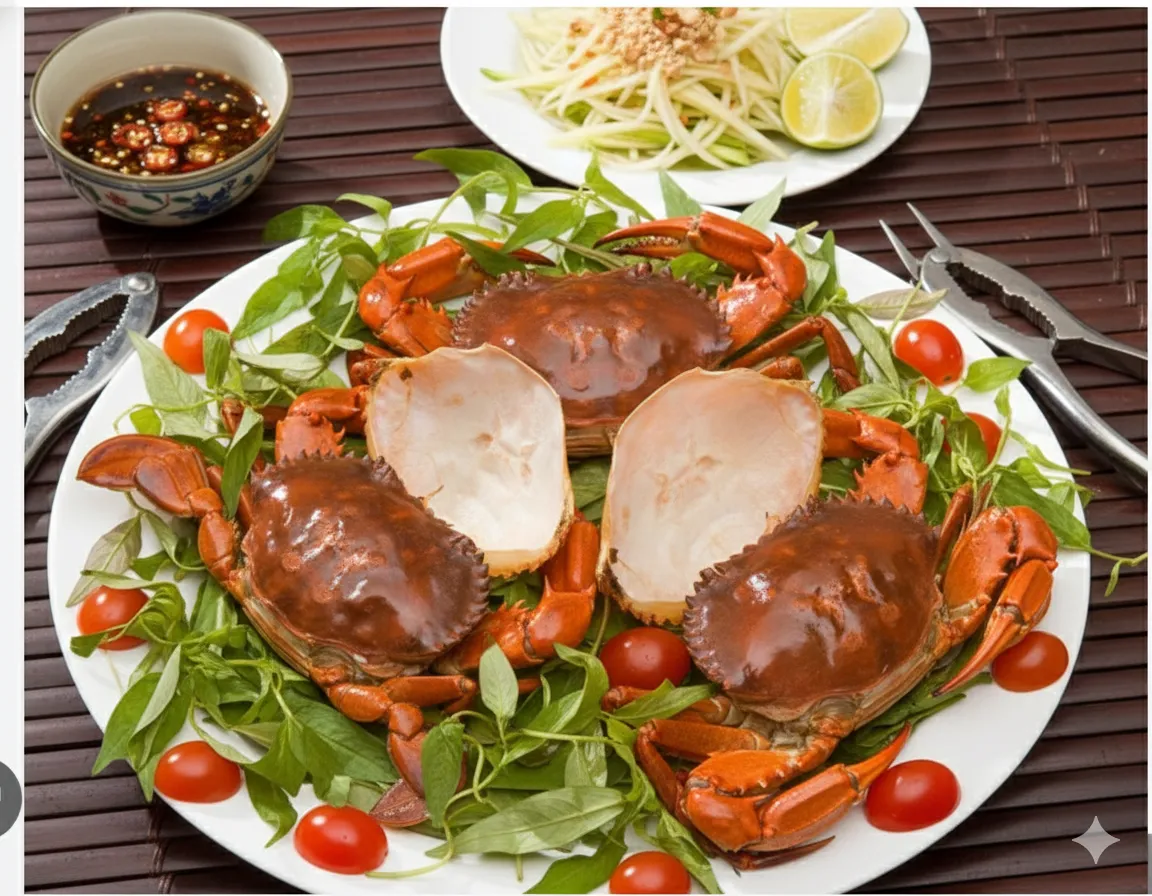
Heritage Ingredient
Soft-Shell Butter Crab (Molting Crab)
Soft-Shell Butter Crab (Molting Crab)
A rare molting mud crab from Ca Mau, valued for its edible soft inner shell and exceptionally creamy roe, making it the closest local equivalent to soft-shell crab concepts familiar abroad.
Nature's rare masterpiece—a delicate transition where a soft inner layer protects golden, custard-like roe in a fleeting moment of flavor.
2 The Chemistry of Caution: Why the Warning?
The culinary folklore of Southern Vietnam, and indeed much of Asia, often cautions against pairing certain foods. One of the most persistent warnings involves eating crabs with green tea or persimmons. The rationale? A potential for severe stomach upset, even the formation of what are colloquially termed "gastric stones."
At first glance, it seems baffling. Crabs are a delicacy, green tea a ubiquitous beverage, and persimmons a sweet, seasonal treat. What could possibly go wrong? The answer lies in the complex chemical compounds present in each.
The Culprits: Tannins and Proteins
The key players in this culinary cautionary tale are tannins and proteins. Tannins are a group of naturally occurring compounds found in plants, known for their astringent taste. They are abundant in green tea, unripe persimmons, and even some types of fruit and wine. Seafood, particularly shellfish like crabs, are rich in proteins.
The theory suggests that when these high-tannin foods and drinks are consumed alongside seafood, the tannins can bind with the proteins in the crab. This binding action can form insoluble complexes, essentially a form of precipitate. In the stomach, if large quantities of these complexes are formed, they might theoretically clump together, leading to indigestible masses that can cause discomfort, cramps, and in extreme, rare cases, be mistaken for or contribute to gastric bezoars (stones).
3 Folklore vs. Fact: A Deeper Dive
While the chemical explanation has a basis in science, the stark warning often painted might be an oversimplification or an exaggeration of a less common occurrence. Modern dietary practices and scientific understanding offer a more nuanced perspective.
The Role of Quantity and Preparation
The severity of any potential reaction often depends on the quantity consumed. Drinking a large pot of strong green tea immediately after a feast of crabs, or eating several unripe persimmons alongside them, presents a far greater risk than having a small cup of lightly brewed tea or a ripe persimmon after a balanced meal.
Furthermore, the way foods are prepared matters. Cooking green tea leaves or ripening persimmons can alter the chemical composition and availability of tannins. Many traditional Vietnamese meals are diverse, incorporating various ingredients, and people often drink mild tea with meals without issue.
Modern Dietary Habits
In contemporary Vietnam and across Asia, it's common to see green tea served in restaurants, even those specializing in seafood. While some may still exercise caution, widespread, severe outbreaks of "gastric stones" directly attributable to this specific food pairing are not commonly reported.
The warning might have originated from a time when food availability was more seasonal, diets were less varied, and perhaps when unripe fruits or very strong teas were consumed in larger quantities alongside substantial seafood meals. It served as a useful, albeit blunt, piece of advice to prevent digestive distress.
4 Beyond the Warning: Embracing Delta's Culinary Wisdom
The Mekong Delta teaches us about balance. The soil, the water, the climate – all play a role in the quality and flavor of its produce. The same applies to our diet. While the specific warning about crabs, green tea, and persimmons might be an extreme interpretation, it highlights an important principle: the need for mindful eating and understanding how different foods interact.
Smart Choices for Digestive Harmony:
- Moderation is Key: Enjoy your crab, your green tea, and your persimmons, but be mindful of quantities, especially if consuming them all in one sitting.
- Choose Ripe Fruits: Opt for fully ripe persimmons, as unripe ones contain significantly higher tannin levels.
- Brew Wisely: A weak or moderately brewed green tea is less likely to cause issues than a very strong brew.
- Listen to Your Body: Individual digestive systems vary. If you know you are sensitive, it's always wise to be more cautious with potential food combinations.
- Diversify Your Plate: A varied diet, rich in different nutrients, is generally the healthiest approach.
The people of the Mekong Delta are masters of leveraging their environment. They understand the land and the water, and their cuisine is a testament to this deep connection. This ancient warning, while perhaps not a strict prohibition for everyone today, serves as a reminder of the intricate relationship between what we eat and how our bodies respond. It encourages us to respect the ingredients, understand their properties, and approach our meals with a sense of balance and awareness.
5 From Mudflats to Fine Dining: The Ca Mau Crab Story
Ca Mau province, the southernmost tip of Vietnam, is synonymous with some of the country's most prized seafood, none more so than its mud crabs. These aren't just any crabs; they are a product of the unique mangrove ecosystem, where the salty sea meets the freshwater rivers, creating an environment rich in nutrients and life.
The mud crabs here are known for their dense, sweet meat and, in the case of female crabs, their rich, creamy roe. Whether steamed, grilled, or prepared in a rich tamarind sauce, Ca Mau crabs are a symbol of culinary luxury in Vietnam. The local communities' livelihoods are intricately tied to the health of these mangrove forests, making sustainable practices crucial for preserving this natural treasure. The traditional methods of catching and farming these crabs are passed down through generations, a testament to the enduring connection between people and place.
Understanding these local foodways offers a deeper appreciation for why certain culinary practices or beliefs have emerged. The respect for ingredients and the understanding of their origins are paramount in Mekong Delta cuisine.
6 Beyond Crabs: Other Culinary Cautionary Tales
The concept of "conflicting foods" isn't unique to crabs and tea. Across various cultures, certain pairings are advised against, often for similar reasons related to digestion, perceived toxicity, or even symbolic taboos.
Milk and Fish?
A common belief in some parts of India is that consuming fish and milk together can be harmful. While scientifically debated, some attribute this to the different digestive processes or potential allergic reactions.
Citrus and Certain Medications
While not a culinary myth, this highlights how certain substances can interact. For instance, grapefruit can interfere with the absorption of various medications, a real-world example of food-drug interaction.
These examples, whether rooted in scientific fact, cultural belief, or a blend of both, underscore the human tendency to seek patterns and wisdom in our diet, aiming for harmony and well-being through what we consume.
7 A Taste of Caution, A Sip of Wisdom
The Mekong Delta offers a feast for the senses and a lifetime of culinary discovery. While the strict prohibition on pairing crabs with green tea or persimmons might be more of a guiding principle than an absolute law for modern diners, it serves as a valuable reminder. It speaks to the importance of respecting ingredients, understanding their properties, and listening to the accumulated wisdom of those who have lived closest to the land and water.
So, enjoy that succulent Ca Mau crab. Savor a cup of fragrant green tea. Indulge in a sweet, ripe persimmon. Just perhaps, give them a little space to do their own thing in your stomach. The Delta's bounty is best enjoyed with balance and a touch of mindful appreciation.
Craving More Delta Flavors?
From succulent seafood to the fragrant herbs that define Vietnamese cuisine, there's always more to explore.
🍲 Explore Hotpot Heaven