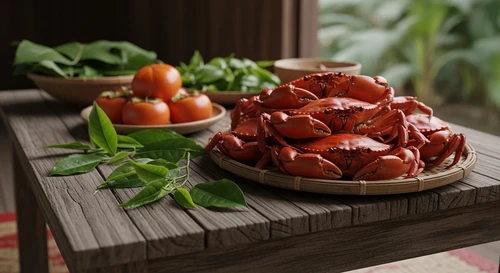
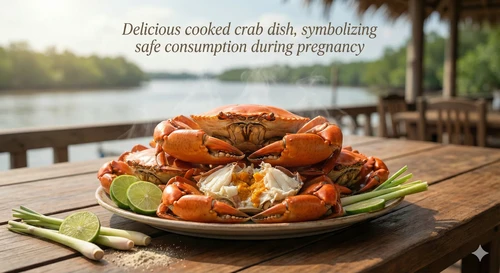
" In the vast, shimmering waterways of the Mekong Delta, where life teems in every shade of green and blue, lies a treasure often overlooked by the modern world. It’s not gold, not pearls, but something far more fundamental to human vigor: the humble blue crab. "
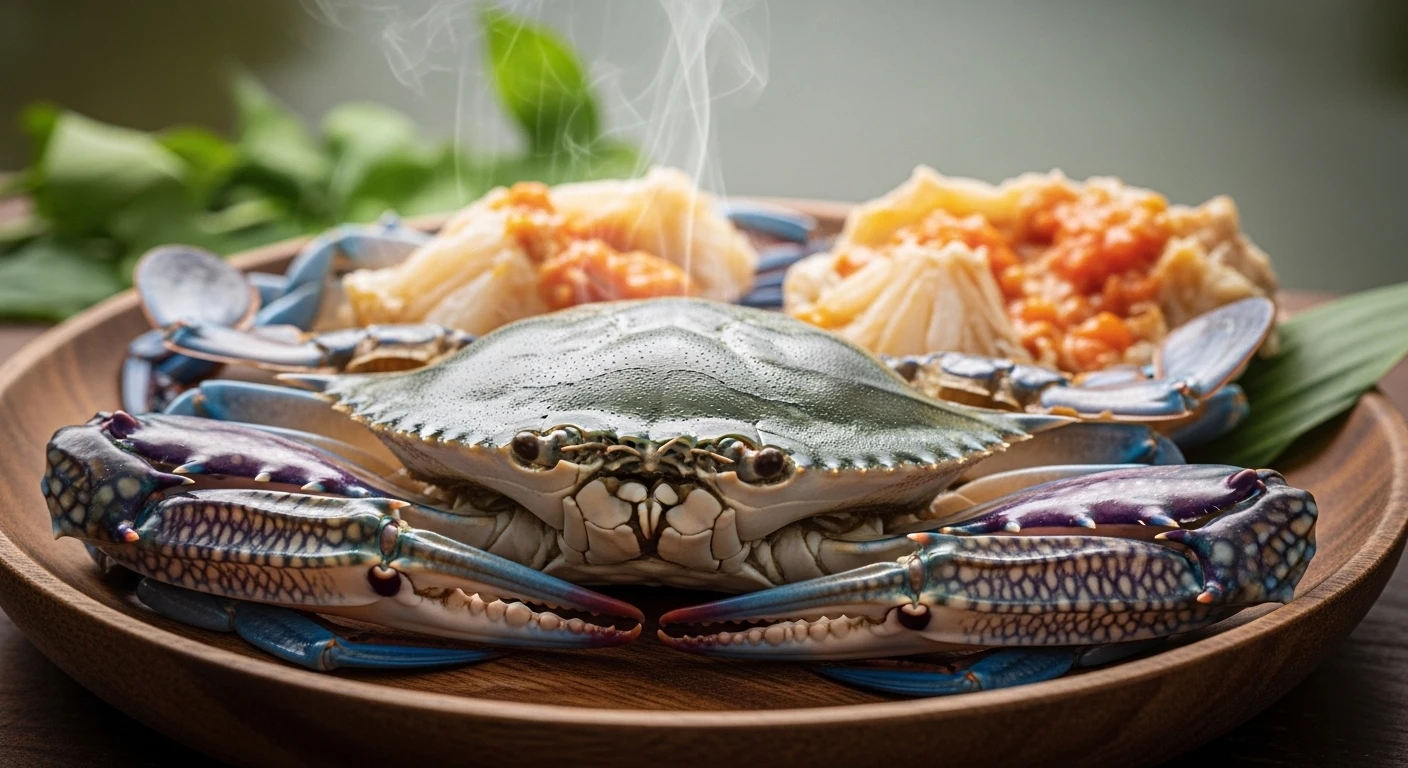
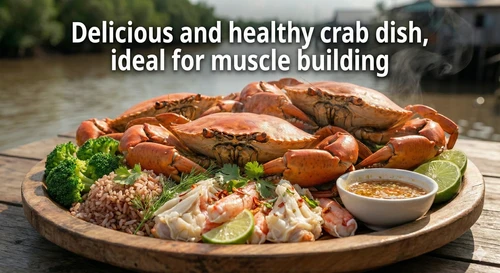
📸 The Blue Crab: A powerful natural source of essential minerals.
1 The Power of Zinc: More Than Just a Mineral
In the quest for enhanced male vitality, we often turn to supplements, pop pills, and scour the internet for the latest "magic bullet." But what if the answer has been swimming in the delta's waters for centuries, a readily available, whole-food source? Zinc, a trace mineral critical for countless bodily functions, plays a starring role in male health. It's intimately involved in testosterone production, sperm motility, immune function, and even cellular repair. When zinc levels are optimal, men often experience a noticeable boost in energy, libido, and overall well-being.
The irony is that many modern diets, while rich in processed convenience, are often deficient in the very nutrients that truly nourish us. The quest for bioavailable, naturally occurring zinc can be a challenge. This is where the culinary treasures of the Mekong Delta come into play, particularly its abundant crustacean populations.
Testosterone's Ally
Zinc is indispensable for healthy testosterone levels. Studies have shown that zinc deficiency can lead to significantly lower testosterone, impacting mood, muscle mass, and sexual function.
Sperm Health Champion
For reproductive health, zinc is paramount. It’s essential for sperm formation, maturation, and motility, directly influencing fertility.
Synthetic supplements can sometimes be poorly absorbed or cause digestive upset. Nature, however, has a way of packaging nutrients perfectly. This is precisely the magic of incorporating specific seafood, like the blue crab, into your diet.
2 From Mangrove Roots to Your Plate: The Blue Crab's Natural Bounty
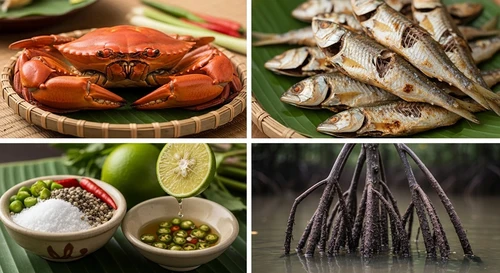
The Mekong Delta, a sprawling labyrinth of rivers, canals, and mangrove forests, is a biodiversity hotspot. Its brackish waters are the natural habitat of various crab species, including the prized mud crabs, often referred to colloquially as "blue crabs" due to the bluish tinge on their legs and claws. These aren't just any crabs; they are the result of a pristine ecosystem that filters and enriches them with essential minerals.
In regions like Ca Mau, known as Vietnam's southernmost province and a major hub for aquaculture and natural seafood harvesting, crab fishing is more than a livelihood; it's a way of life intertwined with the tides and seasons. The crabs here feed on a rich diet of small mollusks, shrimp, and other marine life, accumulating nutrients that are then passed on to us. Specifically, these blue crabs are renowned for their dense, sweet meat and, crucially, their high concentration of bioavailable zinc.

Heritage Ingredient
Ca Mau Jumbo Mud Crab
Ca Mau Jumbo Mud Crab
A large male mud crab prized for dense, sweet meat and thick claws, commonly used in steamed crab and grilled crab dishes across the Mekong Delta.
An icon of coastal culinary heritage, featuring firm, sweet meat that captures the raw power and freshness of Ca Mau's tides.
The term "bio-zinc" simply refers to zinc that is readily absorbed and utilized by the body, as opposed to being locked away in a form that our digestive system struggles to process. The complex organic matrix of the crab meat, combined with other synergistic nutrients present, makes the zinc naturally found in these crabs a superior source compared to many isolated mineral supplements.
3 The Power of Consistency: Aiming for Optimal Levels
The "Bio-Zinc" Serving
- Frequency: Aim to enjoy blue crabs (or other zinc-rich shellfish) once a week. This consistent intake helps maintain stable zinc levels.
- Portion Size: A generous serving, equivalent to about 4-6 ounces (115-170 grams) of cooked crab meat, is generally sufficient to provide a significant zinc boost. This could be one large crab or two smaller ones.
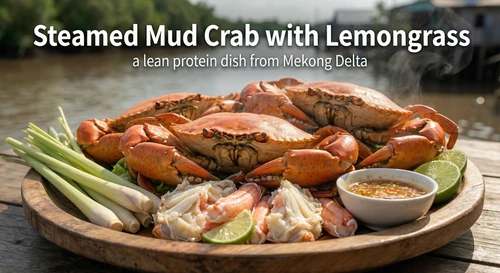
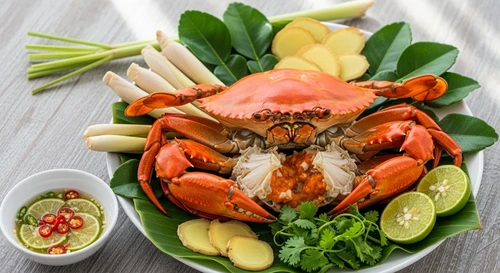
- Preparation Matters: Opt for simple, clean cooking methods like steaming or grilling. Avoid heavy, breaded, or fried preparations that can negate the health benefits and add unnecessary calories. Steaming with aromatics like lemongrass and ginger, as is traditional in the Mekong Delta, is ideal.
- Listen to Your Body: While precise dietary recommendations vary, this moderate, regular approach is more sustainable and effective for long-term health than sporadic megadoses.
4 A Taste of the Delta: Simple Pleasures, Profound Benefits
The beauty of the Mekong Delta's blue crabs lies in their versatility and the straightforward way they are prepared, allowing their natural flavors and nutrients to shine. Forget complex sauces that mask the ingredient. Here, simplicity is key.
Steamed Crab with Lemongrass and Ginger
This is perhaps the most iconic and beneficial preparation. Live crabs are placed on a bed of smashed lemongrass and ginger, then steamed. The aromatic steam infuses the crab meat, neutralizing any residual "fishiness" and enhancing the natural sweetness. The result is tender, flavorful crab that requires little more than a simple dipping sauce.
Grilled Crab (Cua Nuong)
Often grilled over charcoal, sometimes brushed with a touch of garlic or chili. The grilling process caramelizes the natural sugars in the crab, imparting a smoky depth. This method also preserves the integrity of the meat and its zinc content.
The Dipping Sauce: A Complement, Not a Cover
The quintessential dipping sauce in the Mekong Delta for steamed or grilled crab is a harmonious blend of fresh lime juice, finely chopped bird’s eye chilies, and sea salt. This zesty, spicy concoction acts as a flavor enhancer, cutting through the richness of the crab and stimulating the palate, all while complementing the mineral profile without overwhelming it.
5 Is Your Diet Stealing Your Vitality?
In our fast-paced world, convenient foods often come at the expense of nutrient density. Refined grains, excessive sugar, and the typical Western diet can create an environment where zinc depletion is common. Factors like stress, intense physical activity, and even certain medications can also increase the body's demand for zinc, making dietary intake crucial.
Consider the typical daily intake of zinc. The recommended daily allowance (RDA) for adult men is around 11 mg. While it's possible to meet this through a balanced diet, achieving optimal levels for enhanced vitality often requires focusing on zinc-rich foods. Blue crabs from the Mekong Delta provide not only a substantial amount of zinc but also do so in a highly bioavailable form, alongside other beneficial proteins and minerals.
Making a conscious choice to include a zinc-rich meal like crab once a week is a proactive step towards supporting male health naturally. It's about choosing nutrient-dense whole foods that have sustained populations for generations, rather than relying on isolated compounds that may not offer the same synergistic benefits.
6 A Nutritional Powerhouse: More Than Just Zinc
While zinc is the star of our story, blue crabs offer a constellation of other nutrients vital for overall health, especially for men:
Omega-3 Fatty Acids
Beneficial for heart health and reducing inflammation, crucial for overall well-being and recovery.
High-Quality Protein
Essential for muscle building, repair, and maintaining satiety, supporting an active lifestyle.
Vitamin B12
Critical for nerve function and the production of red blood cells, contributing to energy levels.
Selenium
An antioxidant that works synergistically with Vitamin E and plays a role in reproductive health.
7 Respecting the Waters: Sustainable Practices in the Delta
The continued abundance of blue crabs in the Mekong Delta is a testament to the traditional, often sustainable, harvesting methods employed by local communities. Fishing here is not industrial-scale exploitation; it's a delicate balance with nature. Understanding this connection between the health of the ecosystem and the quality of the food it provides is crucial.
When you savor blue crab dishes, you're not just enjoying a meal; you're participating in a centuries-old culinary tradition tied to one of the world's most vital river deltas. Choosing responsibly sourced seafood, where possible, ensures that these natural sources of vitality will be available for generations to come. The vibrant blue crab is a symbol of the Mekong's enduring richness.
8 Your Natural Edge
The evidence is clear: you don't need a cabinet full of supplements to support your male vitality. By incorporating nutrient-dense, bioavailable zinc from sources like the blue crabs of the Mekong Delta into your diet, you can naturally enhance your well-being. One simple, delicious meal a week can make a profound difference.
So, next time you're seeking to bolster your health, look beyond the sterile packaging of pills. Embrace the wisdom of nature, explore the culinary wonders of the Mekong, and let the humble blue crab be your secret weapon for a more vital, energetic you. It's a taste of the delta's strength, delivered straight to your table.