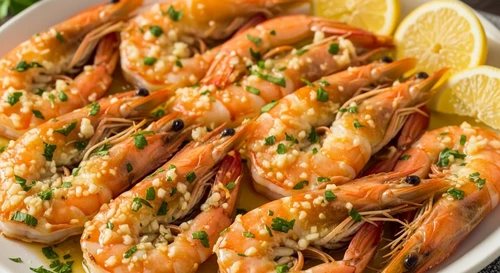
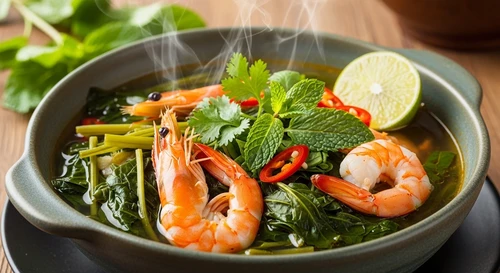
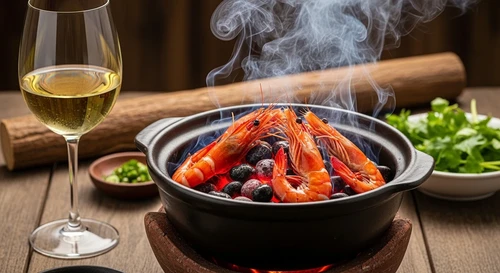
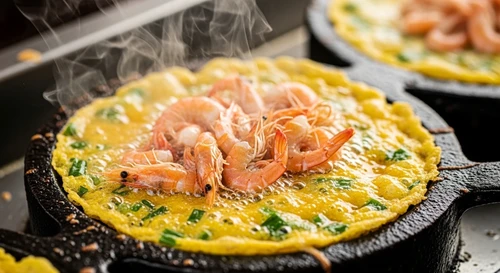
" In the heart of the Mekong Delta, where lifeblood rivers snake through emerald fields, seasonality reigns supreme. The humble pumpkin, a staple often relegated to rustic stews, finds an unexpected, luxurious transformation when kissed by French culinary artistry. "
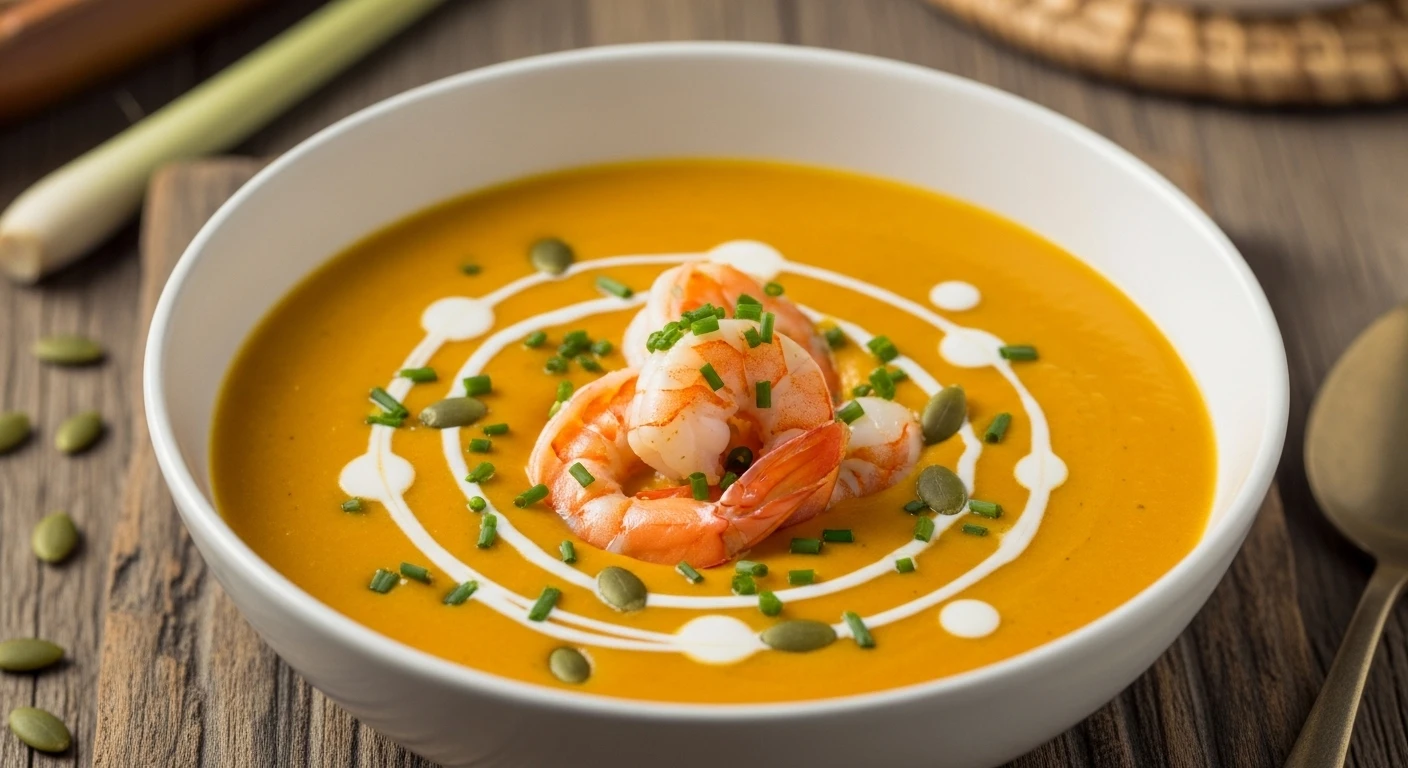
📸 A visual symphony: The vibrant hues of autumn in a bowl.
1 The Gallic Kiss on Delta Flavors
French colonialism left an indelible mark on Vietnamese cuisine, not through overt fusion, but through subtle refinements and the introduction of techniques that elevated local ingredients. This "French Style" shrimp and pumpkin soup is a testament to that legacy. It takes the earthy sweetness of a common Mekong pumpkin and the fresh bounty of its waters, then wraps them in a cloak of creamy, sophisticated luxury. It’s a far cry from the pungent, complex broths of pho or the fiery stir-fries that often dominate the culinary narrative. This is about comfort, nuance, and celebrating the inherent qualities of prime ingredients.
Think of it as a gentle, sun-drenched afternoon in a country estate garden, overlooking rice paddies. The ingredients are humble, but the preparation speaks of a time-honored appreciation for texture and depth.
2 From Mudflats to Your Table: The Stars of the Show
The soul of this soup lies in its star ingredients. The Mekong Delta, a sprawling network of rivers and canals, is a treasure trove of fresh seafood. For this dish, the ideal shrimp is one with a firm, sweet flesh that can hold its own against the creamy pumpkin.
Heritage Ingredient
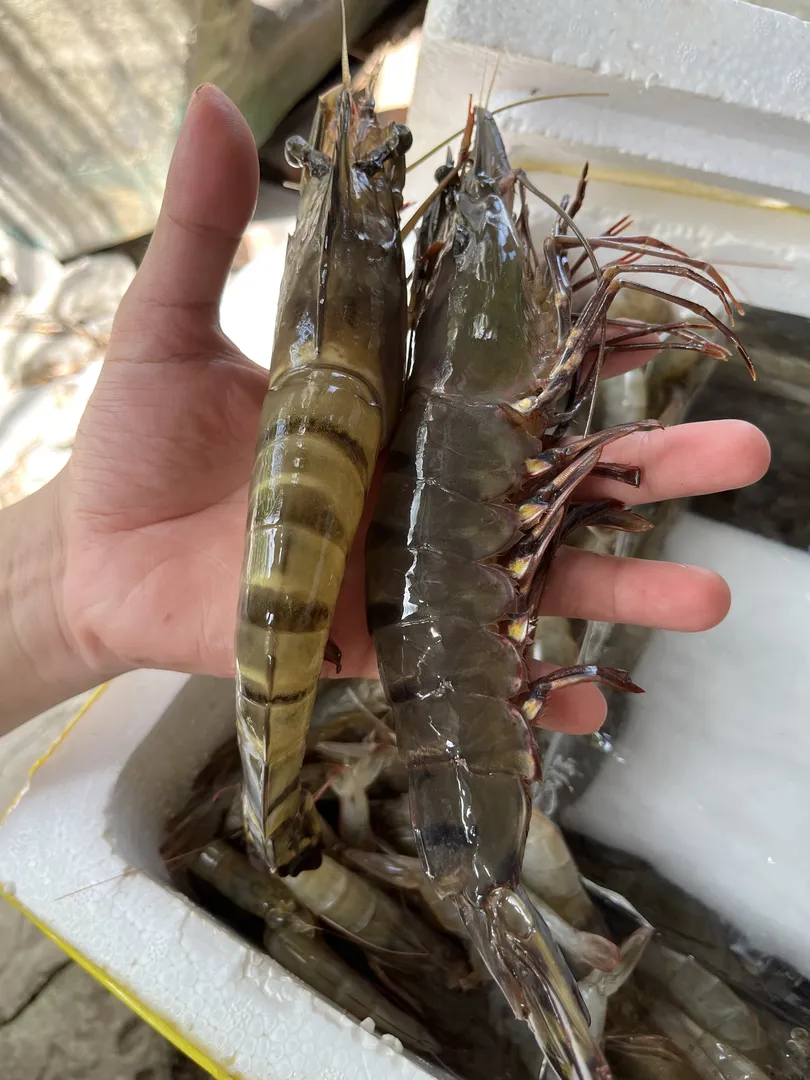
Ca Mau Black Tiger Shrimp
Ca Mau Black Tiger Shrimp
Large black tiger shrimp associated with mangrove aquaculture in Ca Mau, known for firm flesh and a cleaner, sweeter finish than intensively farmed shrimp.
Wild spirits of the mangroves, these black-banded gems deliver a firm, snappy texture and a sweetness that echoes the forest's vibrant life.

Heritage Ingredient
Mekong Giant Freshwater Prawn
Mekong Giant Freshwater Prawn
A river prawn with long blue claws and rich head fat, common in grilled prawn dishes and hotpot traditions across the Mekong basin.
Majestic blue-clawed warriors of the Mekong, famous for their rich, fatty heads and a savory depth that captures the essence of the delta's rivers.
Heritage Ingredient
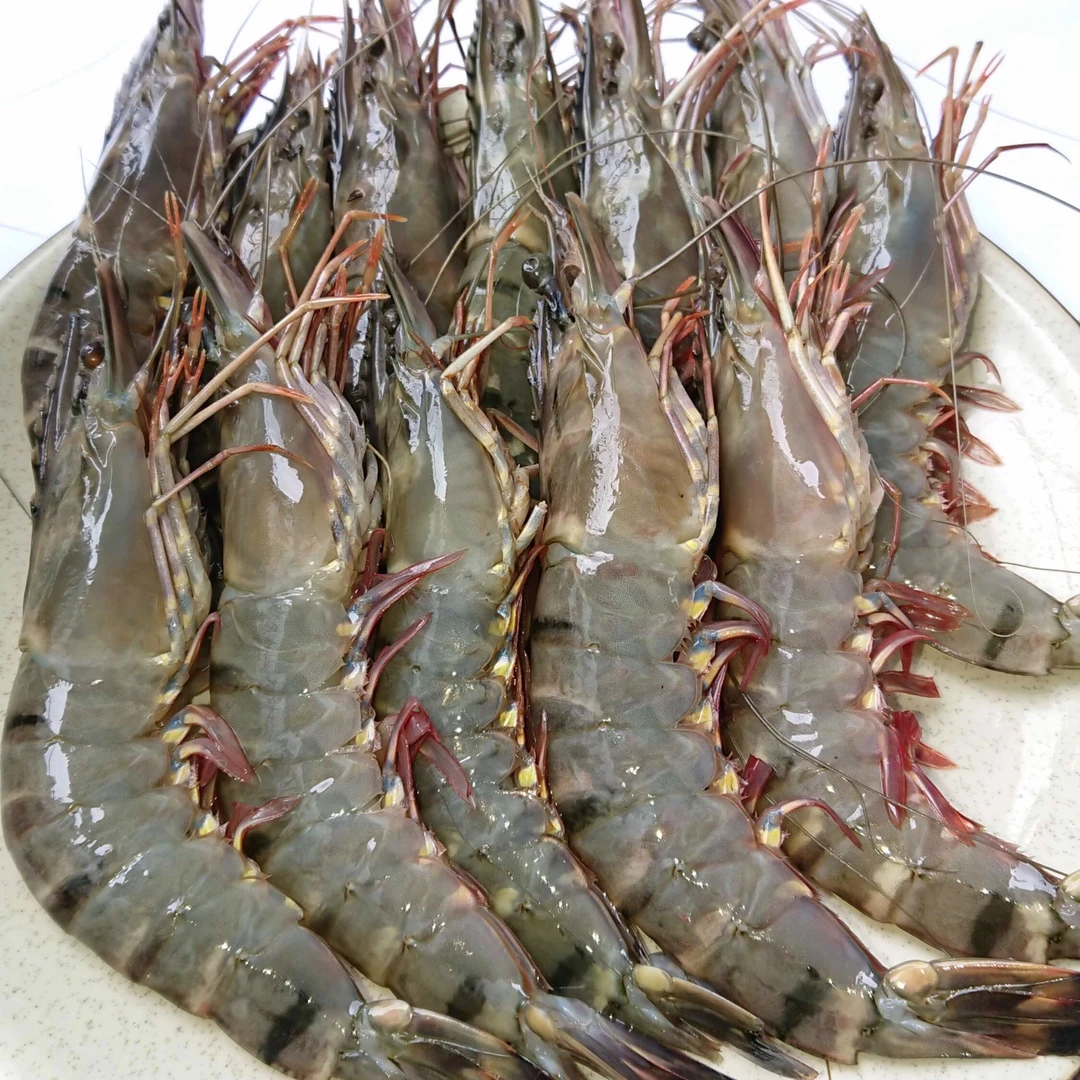
Whiteleg Shrimp
Whiteleg Shrimp
A widely used shrimp in Vietnamese home kitchens, suitable for stir-fries, soups, steamed dishes, and practical cooking articles that need a familiar shrimp reference.
Translucent jewels of the coast, thin-shelled and remarkably sweet, making every simple home meal feel like a seaside celebration.
While many shrimp varieties thrive in the brackish waters and mangrove ecosystems of regions like Ca Mau, the objective here is purity and sweetness. Large, plump Black Tiger Shrimp (Tom Su), often sustainably farmed in mangrove areas, offer a clean, slightly sweet flavor and a satisfying texture. Alternatively, the robust Mekong Giant Freshwater Prawns bring a richer head fat and an even more intense seafood essence, though their size might require slight adjustments in preparation. Even a reliable Whiteleg Shrimp, when fresh, can be a perfectly acceptable base, especially when its delicate flavor is enhanced by slow-simmered pumpkin.
And then there's the pumpkin. Not just any squash, but the local varieties with a deep orange flesh and an inherent sweetness that intensifies with slow cooking. These are the pumpkins that lend body and soul to the broth, turning a simple soup into a comforting masterpiece.
3 Unlocking Sweetness: The Simmering Secret
This isn't a soup that rushes. The magic happens in the patient coaxing of flavors. The pumpkin is diced and gently sautéed, perhaps with a whisper of aromatics like onion and garlic, before being submerged in a light broth (vegetable or chicken stock work beautifully). It then simmers, undisturbed, until it surrenders its structure, becoming tender and ready to yield its creamy essence.
This slow simmering is crucial. It breaks down the pumpkin's starches, creating a naturally thick, velvety texture. It’s the foundation upon which the entire dish is built. Rushing this step would result in a thinner, less satisfying soup. Patience, my friends, is the key ingredient here.
4 The Velvety Finish and the Final Flourish
Once the pumpkin has softened into submission, it's time for the blender. A swift whirl transforms the cooked pumpkin and its liquid into a silken purée. This is where the "cream" aspect truly begins to take shape. Then, the shrimp are added. They are cooked gently in the warm soup, just until they turn opaque and pink – a few minutes is all it takes. Overcooking shrimp is a culinary crime; they become tough and rubbery, a sad fate for such noble creatures.
The final touch, the crowning glory, is a generous swirl of rich whipping cream. It isn't just for show; it adds a decadent mouthfeel and rounds out the flavors, making the soup truly luxurious. A final scattering of fresh chives or a whisper of toasted pumpkin seeds provides a textural contrast and a burst of freshness.
5 The Crusty Counterpart
No bowl of this exquisite soup is truly complete without its faithful companion: garlic butter bread. It's the rustic counterpoint to the soup's elegance. Think of thick slices of baguette, slathered with butter infused with roasted garlic, toasted until golden and fragrant.
This bread serves multiple purposes. It's a vehicle for scooping up every last drop of the precious soup. It offers a delightful crunch that contrasts with the velvety liquid. And the garlicky, buttery aroma is the perfect aromatic herald for the meal. It's simple, unpretentious, and utterly essential.
6 A Taste of Transformed Tradition
While the term "French Style" might conjure images of Parisian bistros, here it signifies a respectful adaptation, a nod to techniques that enhance the natural beauty of Mekong Delta ingredients. It's about recognizing the potential in everyday produce and elevating it with a touch of refined preparation.
This soup doesn't just fill the stomach; it tells a story. It speaks of the fertile lands of the Mekong, where pumpkins grow in abundance, and the clear waters teeming with life. It tells of a culinary heritage influenced by global travelers, who left behind a legacy of refined techniques that continue to enrich Vietnamese cuisine. It’s a bridge between continents, a comforting embrace on a cool evening, and a delicious reminder that sometimes, the most elegant dishes are born from the simplest ingredients.
7 Chef's Tips for Perfection
- Pumpkin Choice: Look for pumpkins with dense, deep orange flesh. Kabocha squash or butternut squash are excellent Western substitutes if local varieties are unavailable.
- Stock Matters: For a richer flavor, use a good quality homemade chicken or vegetable stock. A light seafood stock is also an option but be careful not to overpower the delicate shrimp and pumpkin.
- Don't Overcook Shrimp: This is paramount. Add them at the very end and cook just until they turn pink and opaque.
- Creaminess Control: Adjust the amount of whipping cream to your preference. For a lighter version, use half-and-half or even evaporated milk, though the richness will be reduced.
- Aromatics: A hint of sautéed leek or shallot can add another layer of flavor. A tiny pinch of nutmeg can also complement the pumpkin beautifully.
- For the Vegans: Omit the shrimp and use vegetable stock. Substitute the whipping cream with full-fat coconut milk (the thick cream from the top of the can) for a delicious, dairy-free alternative.
8 The Perfect Presentation
Serve this soup piping hot in shallow, wide bowls. A generous swirl of cream, a sprinkle of finely chopped chives or parsley, and perhaps a few toasted pumpkin seeds or croutons are all that's needed. The accompanying garlic butter bread should be warm and ready for dipping. This is a dish best enjoyed slowly, savoring each spoonful, perhaps with a crisp, dry white wine or a light lager. It’s an elegant starter, a comforting main course, or a refined taste of the Mekong's bounty.