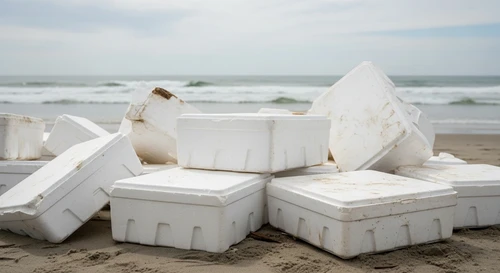
" Before the sun truly wakes up the city, before the first sip of *cà phê sữa đá* is poured, the real rhythm of Saigon is already in full swing at Binh Dien. This isn't just a market; it's the city's larder, a pulsating testament to the bounty of the Mekong. "

📸 The daily grind: Where tons of seafood change hands before dawn.
1 The River's Bounty: A Mekong Delta Tapestry
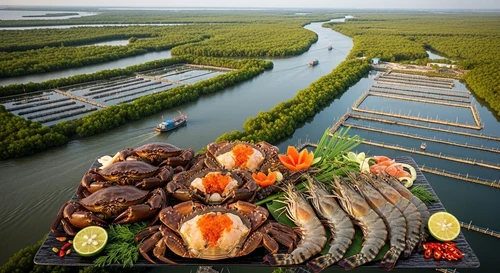
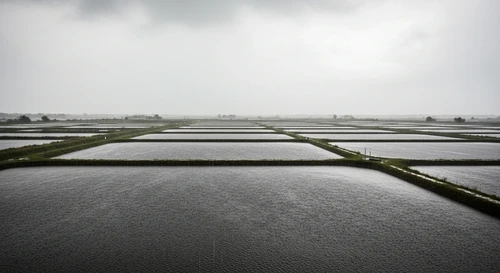
Forget sterile supermarkets. To truly grasp the soul of Vietnamese seafood, you have to understand its origin. The Mekong Delta, a sprawling labyrinth of rivers, canals, and fertile plains, is the undisputed powerhouse. From the brackish waters of Ca Mau’s coast to the freshwater arteries deep inland, this region churns out some of the world’s most prized catches.
Binh Dien Wholesale Market, nestled on the outskirts of Ho Chi Minh City, is where this aquatic wealth converges. It’s a symphony of organized chaos, a place where fishermen, traders, restaurateurs, and home cooks collide in a daily ritual that fuels the entire metropolis. The air is thick with the brine of the sea, the earthy scent of freshwater catches, and the hum of a thousand transactions.
Heritage Ingredient
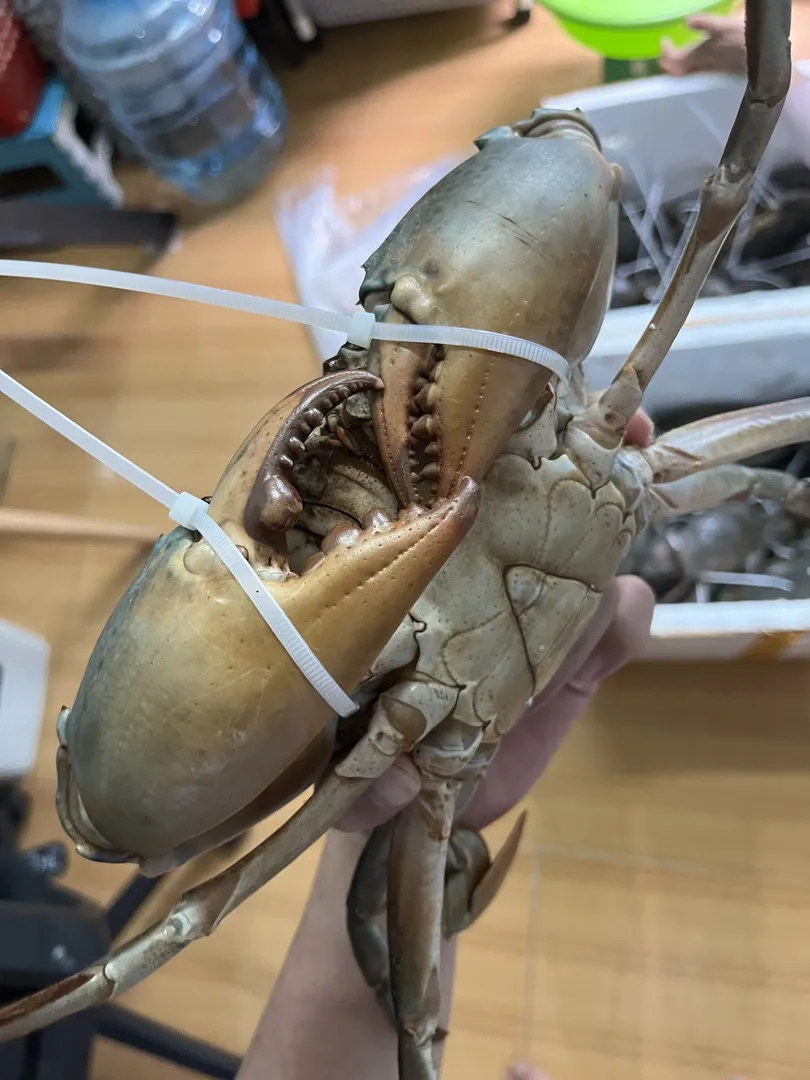
Ca Mau Jumbo Mud Crab
Ca Mau Jumbo Mud Crab
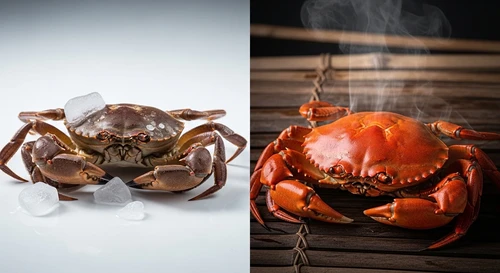
A large male mud crab prized for dense, sweet meat and thick claws, commonly used in steamed crab and grilled crab dishes across the Mekong Delta.
An icon of coastal culinary heritage, featuring firm, sweet meat that captures the raw power and freshness of Ca Mau's tides.
Featured Catch: Ca Mau Jumbo Mud Crab
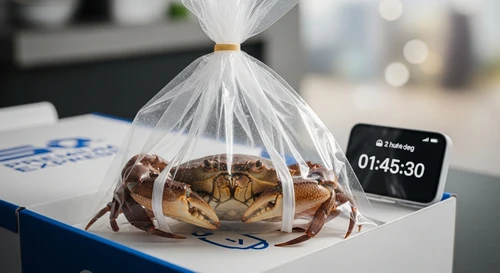
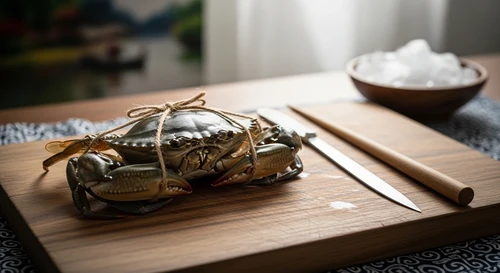
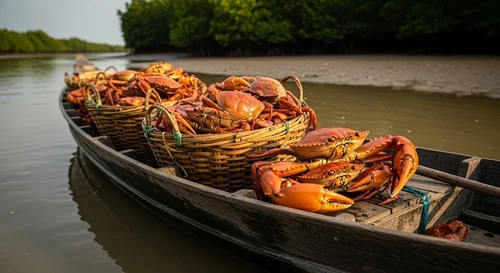
These magnificent crustaceans, iconic of the Ca Mau province, are a benchmark of quality. Harvested from mangrove-rich coastal areas, they are celebrated for their dense, sweet flesh and substantial claws. At Binh Dien, their price is a direct reflection of size, meat fill, and the season's availability – a true indicator of market health.
2 Cracking the Code: Today's Price Update
The prices you see at Binh Dien are dynamic, fluctuating with tides, weather, lunar cycles, and sheer demand. They are the pulse of the industry, dictating what makes it to your plate. While exact figures shift by the hour, we’re providing a snapshot of key commodities as of today’s dawn trading.
Mud Crabs
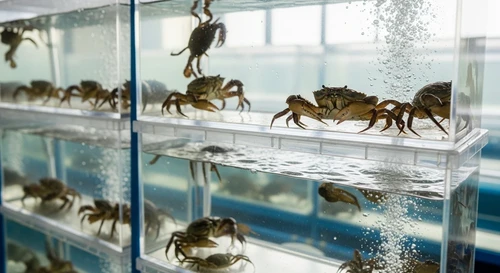
Prices vary significantly based on size and roe content. Ca Mau Roe Crabs (cua gạch) command a premium, especially during peak seasons. Look for crabs with firm shells and active movement. The market categorizes them by weight – larger specimens are pricier per kilogram.
Today's indicative price range: VND 300,000 - 750,000 / kg
Tiger Prawns
Black Tiger Shrimp (tôm sú) from Ca Mau, known for their robust flavor and firm texture, are a staple. Prices are dictated by size grades. Smaller, more common varieties like Whiteleg shrimp (tôm thẻ) are more affordable and widely available.
Today's indicative price range: VND 150,000 - 400,000 / kg
Squid
While not as dominant as crab or shrimp, various squid species are traded daily. Prices depend on freshness, size, and origin. Look for firm bodies and clear eyes.
Today's indicative price range: VND 80,000 - 180,000 / kg
Note: These are indicative bulk wholesale prices. Retail prices will vary. Prices subject to change without notice.
3 More Than Just a Transaction: The Trader's Art
Watching the Binh Dien market operate is like witnessing a masterclass in supply chain management, executed with the raw energy of a street market. Traders here develop an uncanny ability to gauge quality at a glance, negotiate swiftly, and move vast quantities of product before the day truly gets underway.
The seafood arrives in refrigerated trucks and often, directly from smaller boats that ply the delta's waterways. Boxes are opened, inspected, and haggled over – a rapid-fire exchange where trust and reputation are as valuable as the dong. This isn't a place for timid buyers; it's a vibrant, competitive ecosystem where efficiency and keen observation reign supreme.
Heritage Ingredient
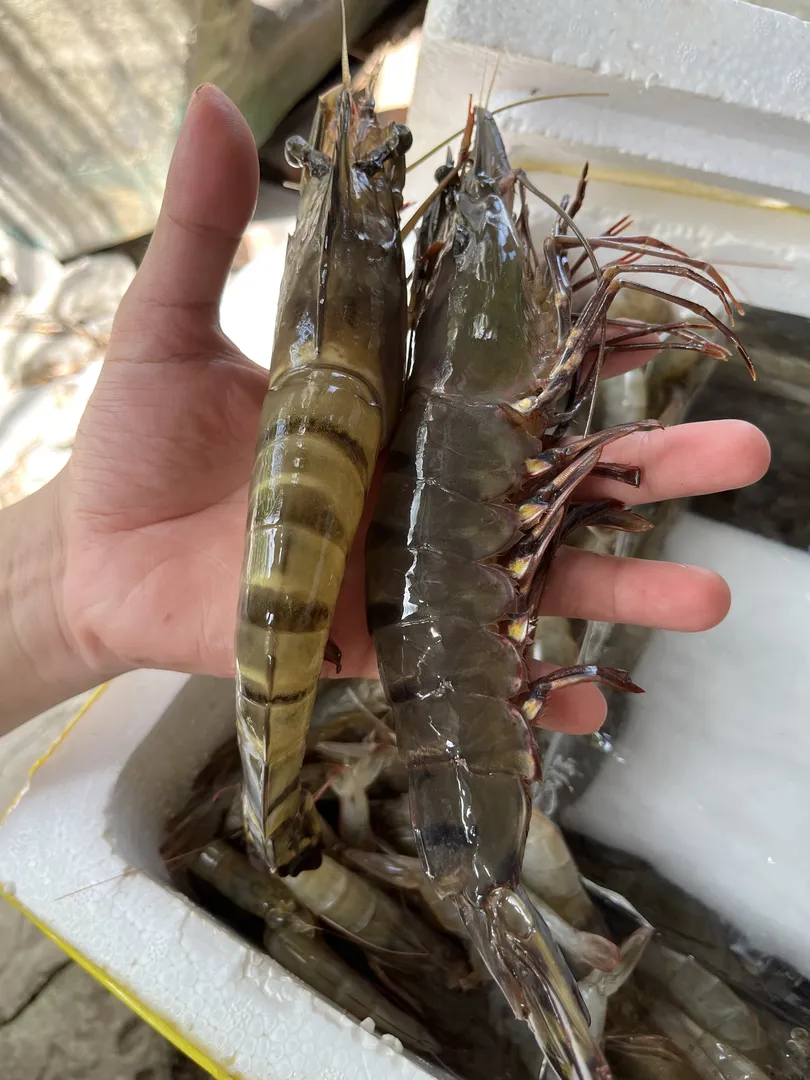
Ca Mau Black Tiger Shrimp
Ca Mau Black Tiger Shrimp
Large black tiger shrimp associated with mangrove aquaculture in Ca Mau, known for firm flesh and a cleaner, sweeter finish than intensively farmed shrimp.
Wild spirits of the mangroves, these black-banded gems deliver a firm, snappy texture and a sweetness that echoes the forest's vibrant life.
Mangrove-Grown Power: Ca Mau Black Tiger Shrimp
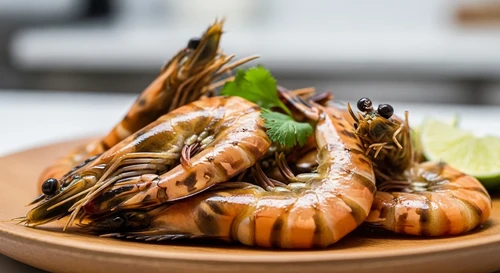
These shrimp are a testament to the region's sustainable aquaculture practices. Their distinct flavor profile, often described as cleaner and sweeter than intensively farmed varieties, makes them highly sought after by chefs and discerning home cooks alike. Their price reflects this premium quality.
4 Beyond the Bulk: Specialty Catches and Regional Flavors
While the headline acts are crabs, shrimp, and squid, Binh Dien is a microcosm of Vietnam's diverse aquatic offerings. You'll find smaller fish crucial for everyday meals, freshwater delicacies like the Mekong Giant Freshwater Prawn (tôm càng xanh), and even regional specialties that tell a story of local traditions.
Keep an eye out for the less common, but equally fascinating, finds:
- Ba Khia (Fermented Mangrove Crab): A pungent, intensely flavorful delicacy from the southern coasts, often sold in jars.
- Mudskippers (Cá Thòi Lòi): A unique mudflat dweller from Ca Mau, prized for its savory taste when grilled.
- Featherback Fish (Cá Thác Lác): Often processed into fish cakes, essential for dishes like Canh Chua (sour soup) or hotpots.
These items represent the deeper culinary heritage of the Mekong, showcasing ingredients that require a more adventurous palate or a specific culinary tradition.
5 Navigating the Waves: Insider Tips
Visiting Binh Dien can be overwhelming. Here’s how to make the most of your experience, whether you’re a chef sourcing for your restaurant or a curious traveler:
⏰ Go Early. Very Early.
👁️ Trust Your Eyes (and Nose)
🗣️ Learn Basic Vietnamese Phrases
💰 Understand Wholesale vs. Retail
6 More Than Food: A Livelihood's Heartbeat
Binh Dien isn't merely a place to buy fish; it's the economic engine for thousands of families. It represents the culmination of hard work – from the fishermen braving the open sea or navigating the delta’s maze, to the farmers who meticulously cultivate shrimp ponds, and the traders who risk capital daily.
Understanding the prices here gives you a window into the daily realities of these communities. A surge in crab prices might mean difficult fishing conditions or a particularly fruitful harvest of roe crabs, impacting household incomes and restaurant menus across the city. It's a constant, delicate balance that connects the raw power of nature with the demands of urban life.
7 The Unspoken Rule: Fresher is Better
The sheer volume and rapid turnover at Binh Dien mean that freshness is paramount. The seafood that arrives in the pre-dawn hours is often destined for kitchens within hours, ensuring that diners experience the product at its peak. This commitment to freshness is a hallmark of Vietnamese culinary culture, especially when it comes to seafood.
This daily price update is a reflection of that relentless pursuit: the freshest, most vibrant catches from the Mekong Delta, making their way to the city’s tables. It's a cycle of life and sustenance, played out every single day under the watchful gaze of the emerging sun.
8 Culinary Connections: From Binh Dien to Your Dish
The seafood sourced from Binh Dien forms the backbone of countless Vietnamese dishes. The mud crabs might be destined for a fiery lẩu cua đồng (crab noodle soup), the tiger prawns for a succulent tôm nướng muối ớt (grilled shrimp with chili salt), or the squid for a simple, yet delicious, stir-fry with pineapple.
Understanding the market prices offers a deeper appreciation for the ingredients that grace our plates. It’s a reminder of the journey these treasures take from the fertile waters of the Mekong Delta to the bustling streets of Ho Chi Minh City, and finally, to the heart of Vietnamese cuisine.