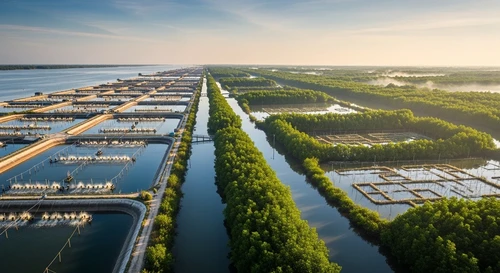
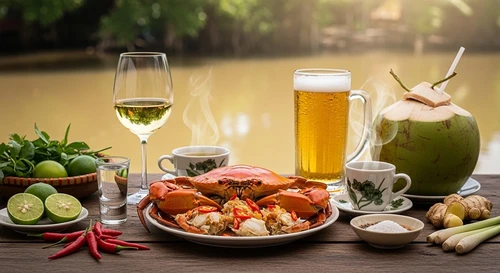
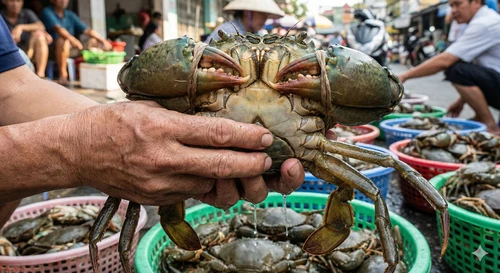
" In the heart of the Mekong Delta, the rhythm of life is set by the ebb and flow of its countless waterways. For generations, the bounty of these rivers and the coast has sustained communities, a source of both sustenance and economic backbone. Seafood isn't just food here; it's livelihood, culture, and a daily staple. Now, a ripple from Hanoi—a shift in tax policy—is making waves that could reshape the dinner tables across this verdant land. "
1 The Soul of the Mekong: Seafood as a Way of Life
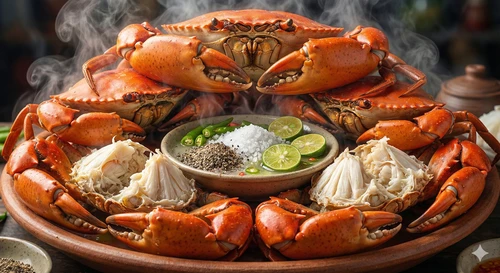
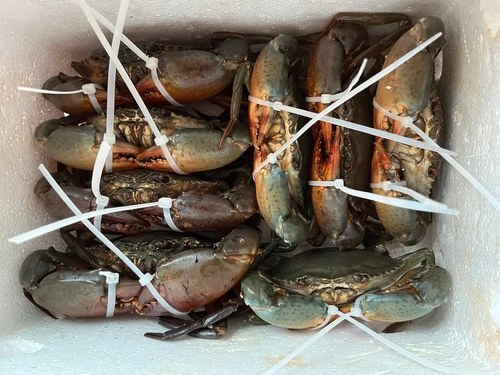
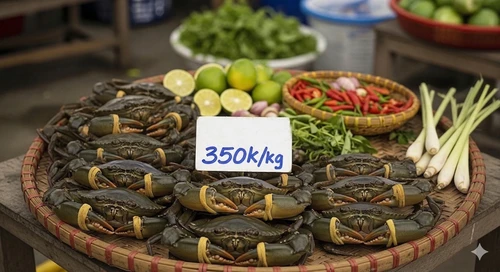
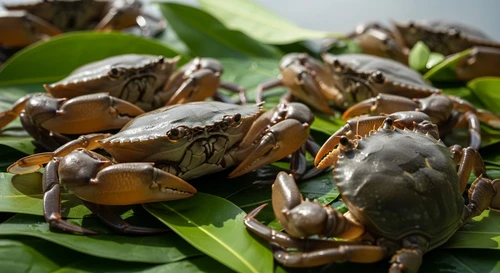
From the brackish waters of Ca Mau where mud crabs thrive in mangrove forests, to the freshwater abundance of Can Tho's canals teeming with shrimp and river fish, the Mekong Delta is a biodiversity hotspot for aquatic life. Here, seafood is not a luxury; it's a fundamental part of the culinary landscape. Think of the iconic Ca Mau Mud Crab, its dense, sweet meat a testament to its wild upbringing. Or the plump Ca Mau Black Tiger Shrimp, farmed sustainably in the coastal mangroves. These aren't just ingredients; they represent a heritage, a connection to the land and water that is as old as the delta itself.
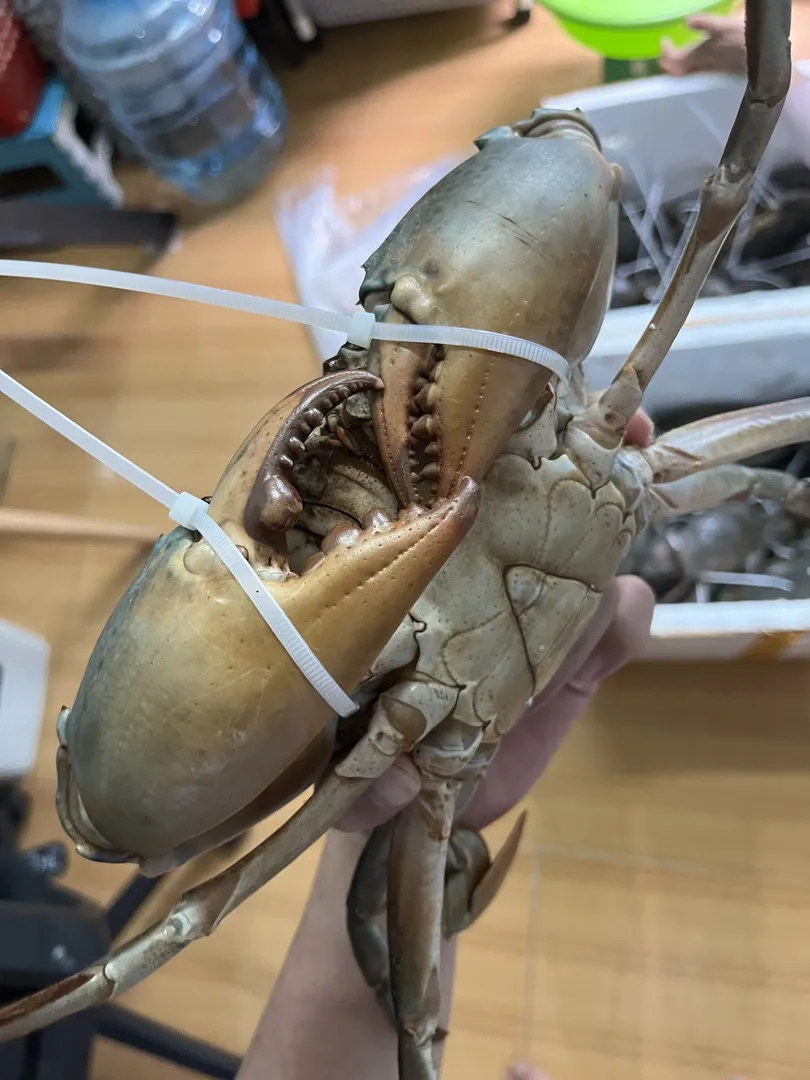
Heritage Ingredient
Ca Mau Jumbo Mud Crab
Ca Mau Jumbo Mud Crab
A large male mud crab prized for dense, sweet meat and thick claws, commonly used in steamed crab and grilled crab dishes across the Mekong Delta.
An icon of coastal culinary heritage, featuring firm, sweet meat that captures the raw power and freshness of Ca Mau's tides.
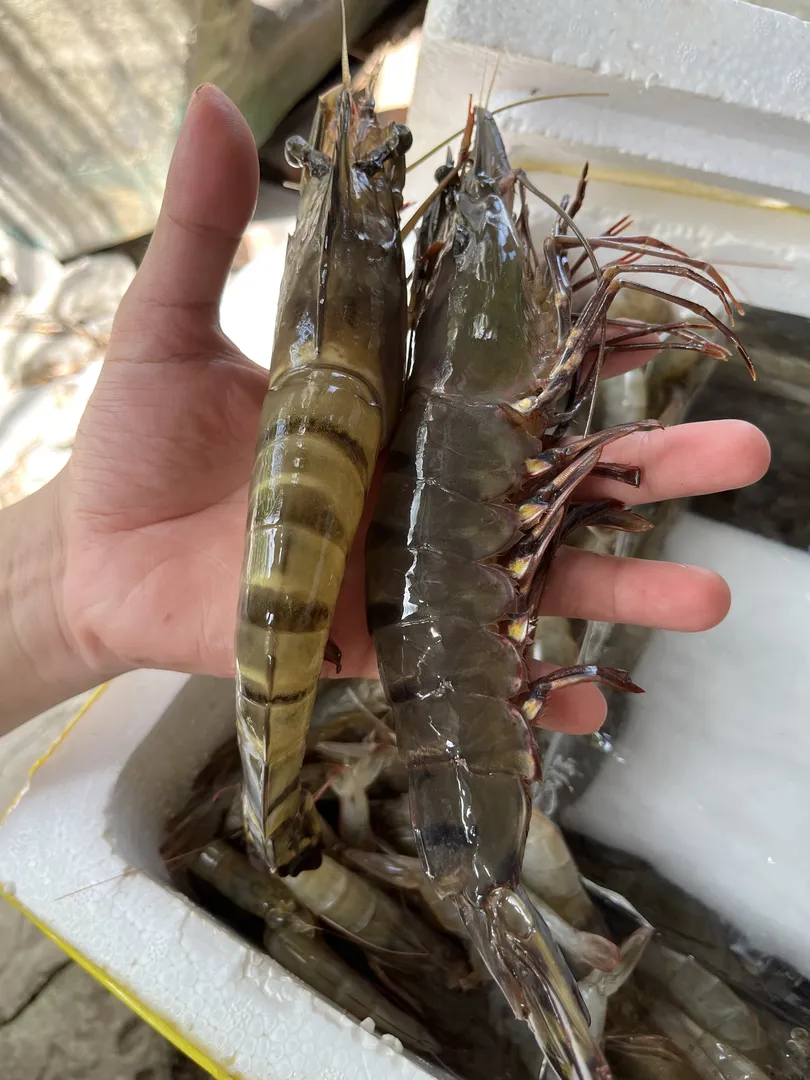
Heritage Ingredient
Ca Mau Black Tiger Shrimp
Ca Mau Black Tiger Shrimp
Large black tiger shrimp associated with mangrove aquaculture in Ca Mau, known for firm flesh and a cleaner, sweeter finish than intensively farmed shrimp.
Wild spirits of the mangroves, these black-banded gems deliver a firm, snappy texture and a sweetness that echoes the forest's vibrant life.
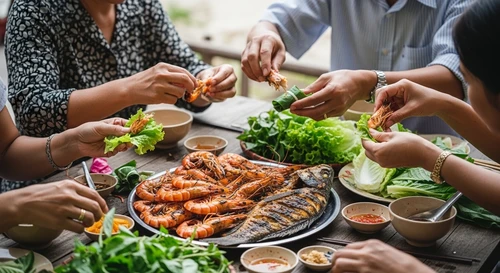
For millions, the daily catch translates into the daily meal. Whether it's a simple bowl of noodle soup (Bun Ca), a family feast of steamed fish, or the humble yet delicious Ba Khia (fermented mangrove crab), seafood plays a crucial role in Vietnamese households. Understanding the economics of this sector, therefore, is key to understanding the pulse of the nation's food security and consumer spending power.
2 The Macroeconomic Ripple: VAT and Its Reach
Value Added Tax (VAT) is a consumption tax placed on a product whenever value is added at each stage of the supply chain, from production to the point of sale. For businesses, it's a complex accounting process; for consumers, it’s the invisible hand that often dictates the final price tag at the grocery store or market.
The Vietnamese government, in its ongoing efforts to stimulate domestic demand and support key industries, has recently implemented a policy to reduce the VAT rate on many goods and services, including certain food products, from 10% to 8%. This policy, particularly for essential items like domestic seafood, is designed to do two things: make these products more affordable for consumers and potentially boost sales for producers and sellers.
The critical question on everyone's lips, from the bustling floating markets of Can Tho to the urban kitchens of Hanoi and Ho Chi Minh City, is whether this reduction will actually trickle down to the consumer's grocery basket.
3 Glimpse into the Future: Will Prices Truly Fall by 2026?
The VAT reduction is slated to be in effect from July 1, 2024, until December 31, 2026. This provides a significant window for potential price shifts. However, the seafood supply chain is intricate, involving numerous intermediaries – fishermen, cooperatives, wholesalers, processors, distributors, and retailers. Each step represents a potential point where the tax benefit could be absorbed rather than passed on.
For the reduction to be fully realized at the consumer level, several factors must align:
- Producer Cooperation: Fishing communities and aquaculture farmers must be aware of and motivated to implement the price adjustment.
- Wholesaler and Retailer Transparency: The entire distribution network needs to operate with a level of transparency that ensures the 2% (or equivalent) reduction is reflected in the final price.
- Market Competition: A highly competitive market, where multiple vendors offer similar products, is more likely to pass on cost savings to consumers to attract business.
- Demand Elasticity: While seafood is a staple, its price can still influence purchasing decisions, especially for less affluent households. If prices drop, demand might increase significantly.
4 From Mangroves to Markets: Impact on the Ground
For the hardworking fishermen and farmers of the Mekong Delta, this policy holds significant promise. A reduction in their input costs or an increase in their net revenue (if the tax benefit is passed on as higher farm-gate prices) could mean better economic stability. It could allow for reinvestment in better equipment, sustainable farming practices, or simply provide a much-needed boost to household incomes.
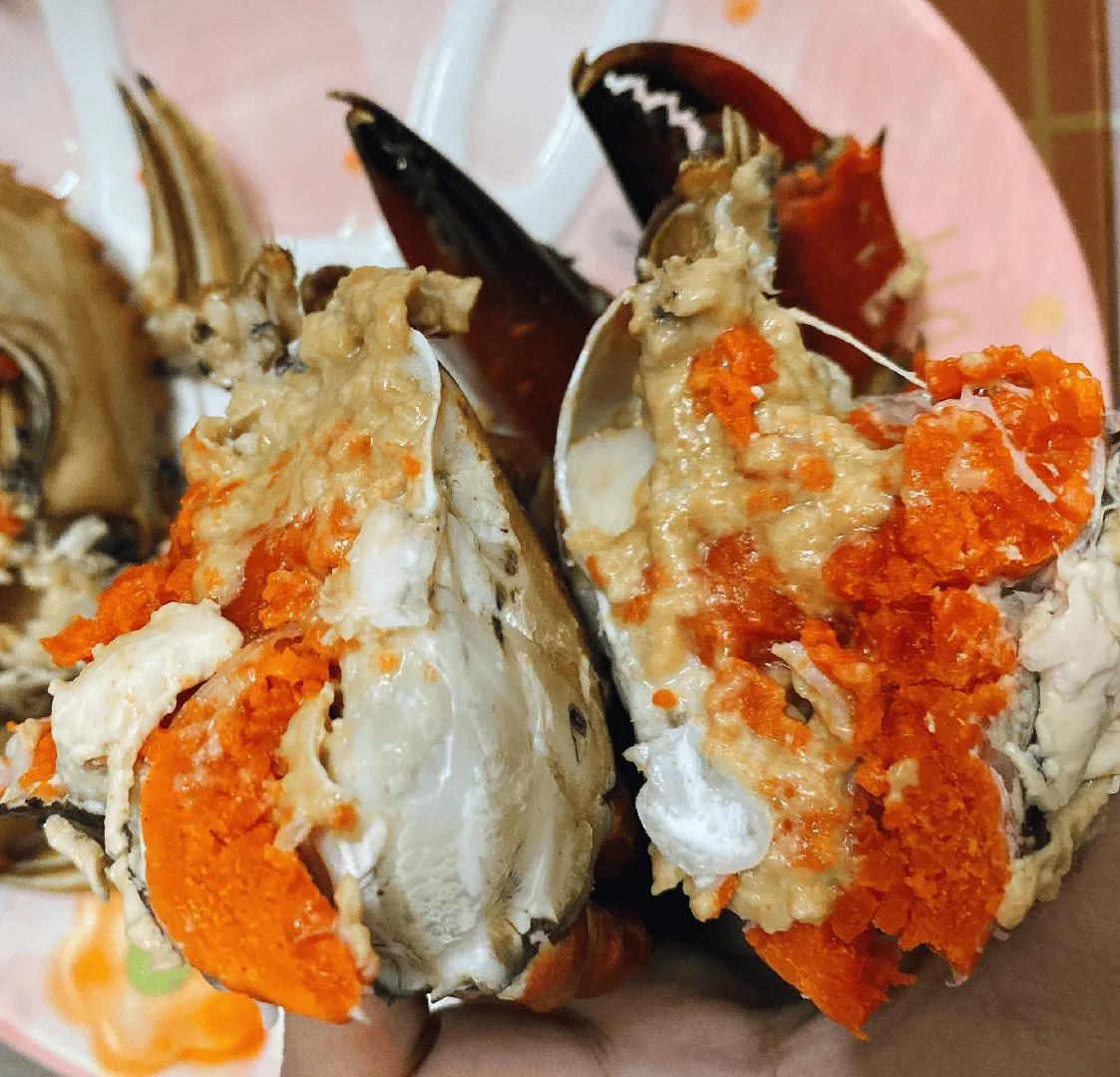
Heritage Ingredient
Ca Mau Roe Mud Crab
Ca Mau Roe Mud Crab
A female mud crab known for deep orange roe and a rich, creamy finish, often featured in celebratory Southern Vietnamese seafood meals.
A crimson treasure hidden within a shell, boasting rich, creamy roe that melts on your tongue like a golden sunset over the delta.
Consider the export-grade Ca Mau Roe Crab. While many might be destined for international markets, a healthier domestic market, driven by more accessible prices, could also strengthen local demand and provide a more reliable income stream for producers. This tax reduction, in essence, could act as a subtle subsidy, making Vietnam's own prized seafood more attainable for its own citizens.
However, the reality on the ground is nuanced. Local market dynamics, the strength of cooperatives, and the presence of powerful distributors will all play a role in how the benefit is distributed. The ultimate goal is to see that translated into more affordable fish, shrimp, and crab on the tables of Vietnamese families.
5 Consumer Confidence and Market Dynamics
Beyond the direct impact on prices, policies like this can also influence consumer confidence. When people see that their government is taking steps to make essential goods more affordable, it can positively impact their overall economic outlook. This, in turn, can lead to increased spending, further stimulating the economy.
The success of this VAT reduction hinges not just on the policy itself, but on its effective implementation and monitoring. Transparency throughout the supply chain will be paramount. Consumers in Vietnam are becoming increasingly savvy and will undoubtedly notice if the promised price drops don't materialize.
6 Anchored in Tradition, Looking to the Future
For the communities along the Mekong's vast network of rivers and canals, the seafood trade is more than just a business; it's an ancestral way of life. Generations have learned the secrets of catching the perfect Ca Mau mud crab, or cultivating the prized Black Tiger shrimp. This VAT reduction, if implemented successfully, is not just an economic policy; it's a recognition of the importance of these aquatic resources and the people who depend on them. It's a chance to ensure that the bounty of the Mekong remains accessible to the families who have called it home for centuries.
As we look towards 2026, the hope is that this policy will lead to a tangible, positive change, making the delicious and nutritious seafood of the Mekong Delta more affordable and accessible, strengthening both local livelihoods and the nation's culinary heritage. It's a complex equation, but one with the potential for a sweet outcome for consumers and producers alike.
7 Navigating the Changes: Tips for Consumers
While we wait to see the full impact, here's how consumers can best benefit:
- Compare Prices: Keep an eye on prices at different markets and retailers. Note any significant drops and where they are happening.
- Ask Questions: Don't hesitate to ask vendors if prices have been adjusted due to the VAT reduction.
- Support Local: Whenever possible, buy directly from cooperatives or trusted local suppliers who are more likely to pass on savings.
- Stay Informed: Follow local financial news and consumer reports for updates on the policy's effectiveness.
8 Macroeconomics Meets the Mekong Kitchen
The journey from a government decree in Hanoi to the dinner plate in the Mekong Delta is long and filled with many variables. The VAT reduction on domestic seafood is a positive step, aiming to ease the burden on consumers and invigorate a vital sector of the Vietnamese economy. While the exact extent of price drops remains to be seen, the intention is clear: to make the nation's abundant seafood more accessible. For the families who rely on the rhythm of the rivers and the sea, this policy could mean a welcome relief, allowing more of the Delta's rich bounty to grace their tables more often. The coming months, leading up to and beyond 2026, will be telling.