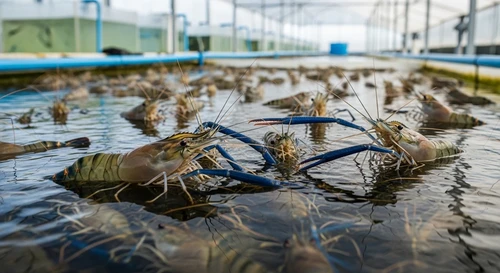
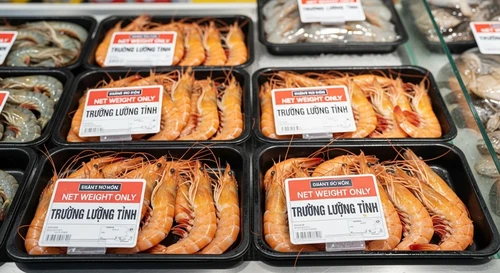
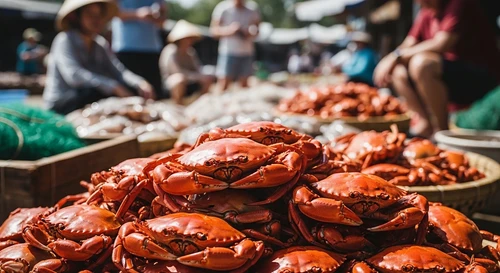
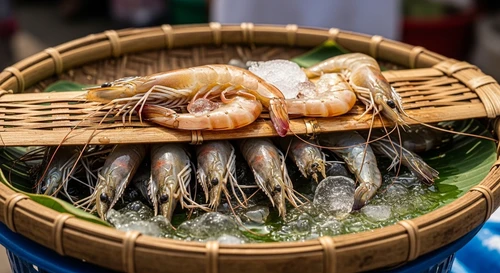
" The rhythm of the Mekong Delta, a place where lifeblood flows from the mighty river, has always dictated the bounty on our tables. But what happens when that rhythm is disrupted by forces beyond our shores? "
1 The Unseen Hand of El Niño: A Global Unraveling
For those of us who have spent our lives breathing the humid air of the Mekong Delta, the changing moods of the weather are not just small talk; they are the heartbeat of our existence. This year, a familiar, yet formidable, phenomenon has returned with a vengeance: El Niño. This complex climate pattern, characterized by warmer-than-average sea surface temperatures in the central and eastern tropical Pacific Ocean, triggers a cascade of atmospheric shifts across the globe.
While often associated with droughts in some regions and floods in others, El Niño's impact on our vital marine ecosystems is profound and often insidious. In Southeast Asia, and specifically the intricate waterways of the Mekong Delta and its coastal neighbors, these warmer waters and altered rainfall patterns directly affect the delicate balance of life that supports our fisheries. The once predictable ebb and flow of the tides, the salinity of the brackish waters, and the very food sources available to marine life are thrown into disarray.
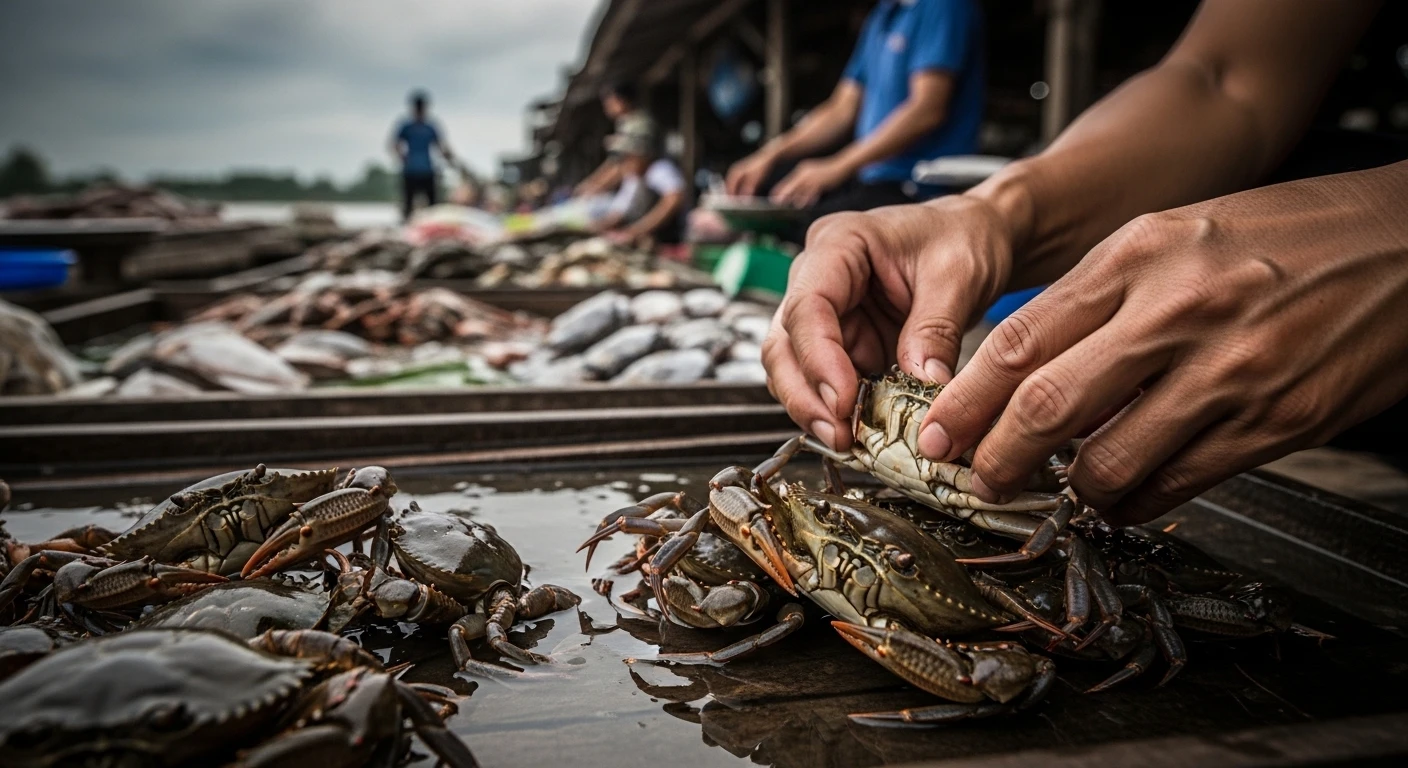
📸 The heart of the matter: El Niño's influence is felt from the deepest ocean trenches to the bustling markets.
2 The Crab's Crisis: Warmer Waters, Saltier Struggles
For the crabs that call the Mekong Delta's mangrove forests and coastal estuaries home, El Niño's arrival brings a double-edged sword. The rising ocean temperatures, even by a degree or two, can be a significant stressor. These changes affect everything from their metabolic rates to their reproductive cycles. Warmer water often means less dissolved oxygen, making it harder for crabs to breathe and thrive, especially in densely populated areas.
Compounding this is the increased salinity. El Niño typically disrupts regional rainfall patterns, often leading to reduced freshwater inflow from rivers like the Mekong. This means less freshwater diluting the coastal and estuarine waters, making them saltier than usual. Many crab species, particularly those that have adapted to specific salinity ranges for breeding and growth, find these conditions challenging. This can lead to reduced growth rates, increased susceptibility to disease, and a significant decrease in successful reproduction.
Temperature Stress
Warmer waters reduce oxygen levels, impacting crab respiration and overall health, leading to slower growth and higher mortality rates.
Salinity Shifts
Reduced freshwater inflow increases salinity, pushing crabs beyond their optimal environmental tolerances, affecting reproduction and survival.
3 From Mangroves to Markets: The Cascading Effect on Supply
The direct impact on crab populations translates into a stark reality for the local fishing communities and the entire supply chain. Fewer crabs reaching maturity means a smaller catch for the fishermen who depend on this crustacean for their livelihood. This isn't just about fewer crabs; it's about the quality and size of the crabs available. Stressed environments can lead to smaller, less developed crabs, impacting the premium meat and roe that make Mekong Delta crabs so coveted.
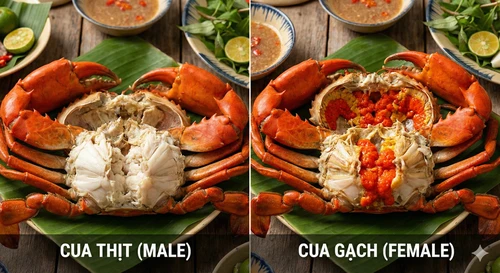
Consider the iconic mud crabs of Ca Mau, renowned for their succulent meat and rich roe. When environmental conditions are unfavorable, the crabs may not grow to their full potential. This means fewer "jumbo" mud crabs, the prized specimens that fetch higher prices, and potentially a diminished supply of the coveted roe crabs, which are a delicacy in Southern Vietnamese cuisine.
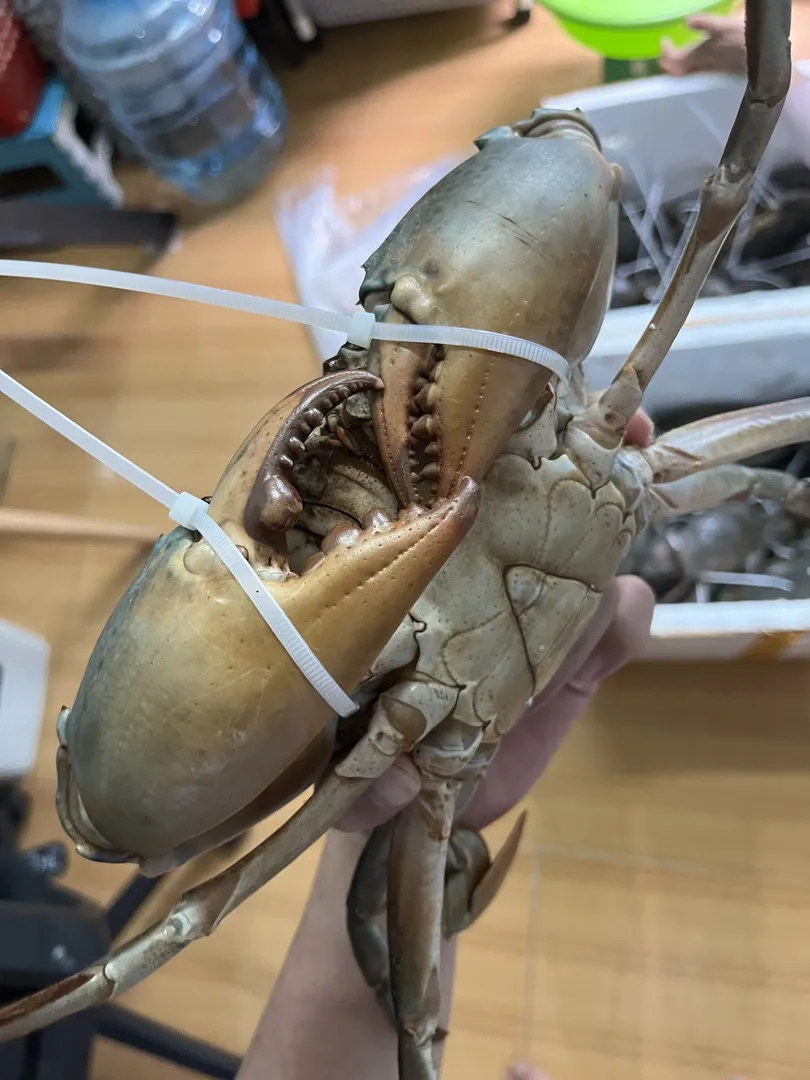
Heritage Ingredient
Ca Mau Jumbo Mud Crab
Ca Mau Jumbo Mud Crab
A large male mud crab prized for dense, sweet meat and thick claws, commonly used in steamed crab and grilled crab dishes across the Mekong Delta.
An icon of coastal culinary heritage, featuring firm, sweet meat that captures the raw power and freshness of Ca Mau's tides.
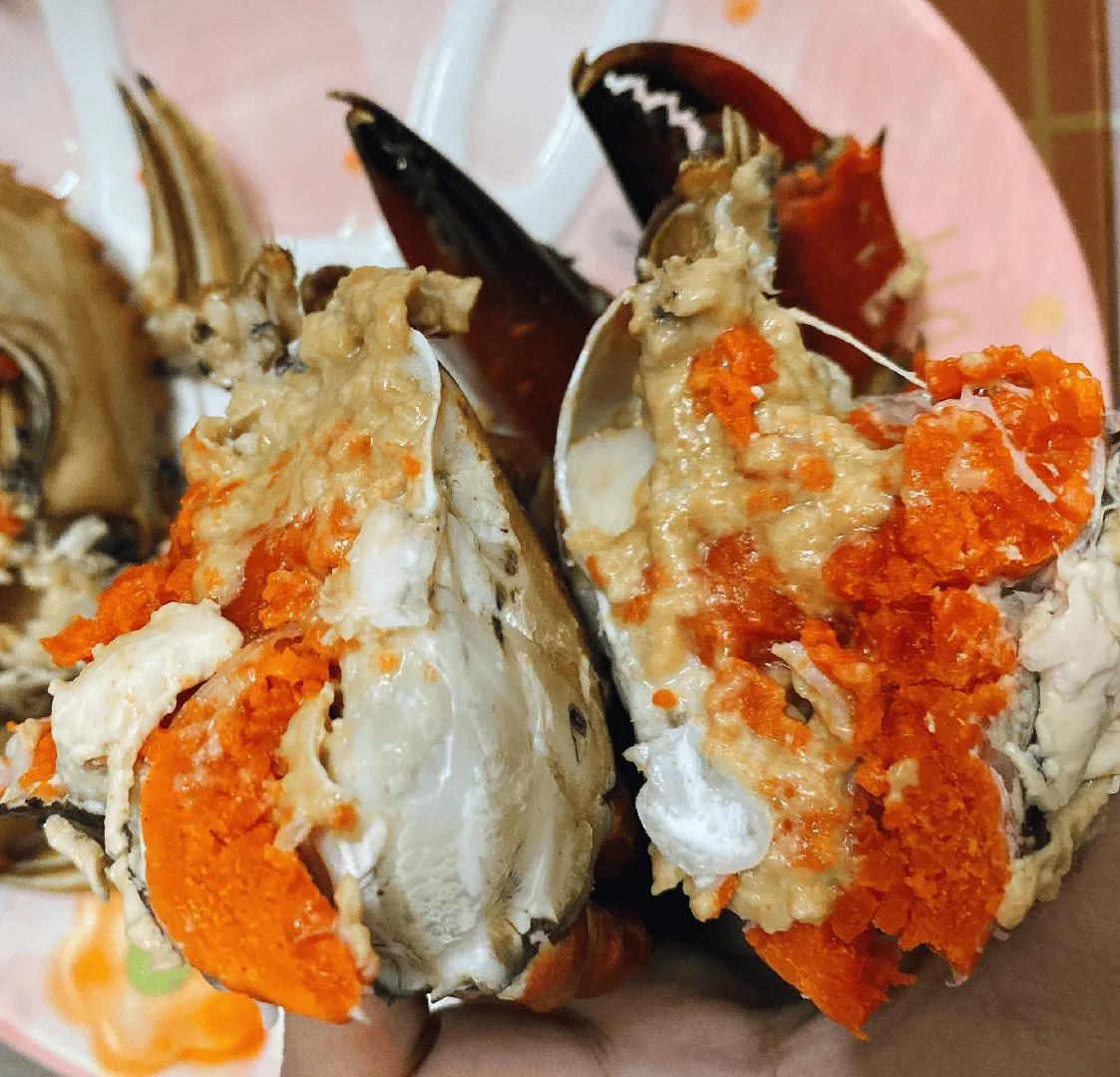
Heritage Ingredient
Ca Mau Roe Mud Crab
Ca Mau Roe Mud Crab
A female mud crab known for deep orange roe and a rich, creamy finish, often featured in celebratory Southern Vietnamese seafood meals.
A crimson treasure hidden within a shell, boasting rich, creamy roe that melts on your tongue like a golden sunset over the delta.
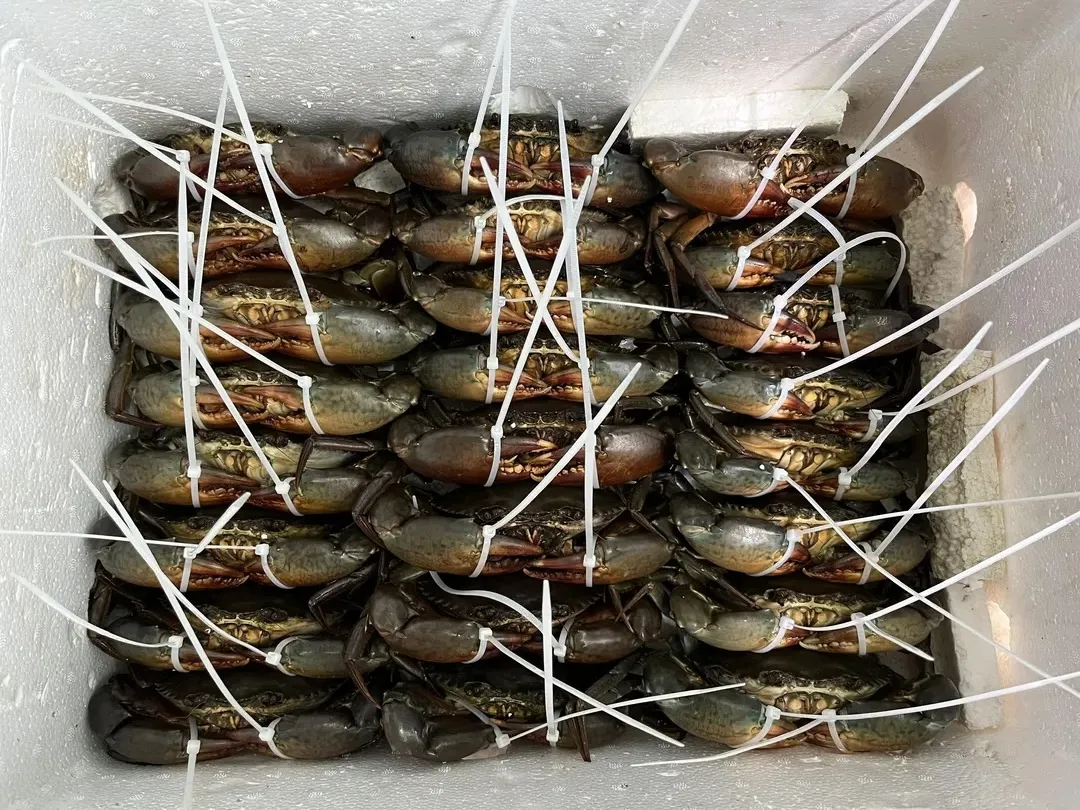
Heritage Ingredient
Export-Grade Ca Mau Roe Crab
Export-Grade Ca Mau Roe Crab
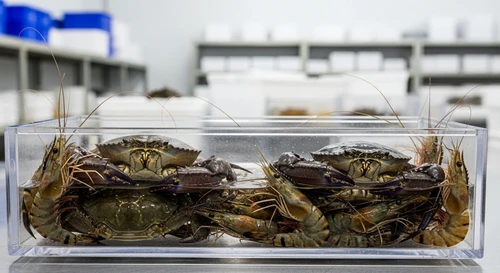
A carefully sorted roe crab selected for size, shell quality, and roe consistency, suitable for explaining premium grading in Vietnamese crab culture.
The pinnacle of perfection—pristine shells and bursting roe, meticulously selected to conquer the hearts of global gourmets.
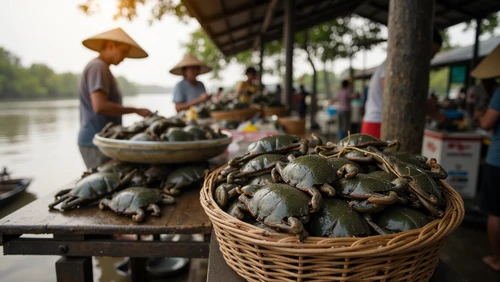
Fishermen face longer hours and greater effort for a diminished return. Local markets, the vibrant hubs of delta life, experience reduced availability, forcing vendors to either pay significantly more for what little they can procure or face empty stalls. This scarcity, driven by nature's unpredictable hand, is the first domino to fall.
4 The Economic Echo: Market Fluctuations and Price Hikes
Basic economics dictates that when supply dwindles and demand remains steady or, in some cases, even increases (as consumers may seek alternatives or simply desire the luxury of crab), prices inevitably climb. This year, the impact of El Niño on crab yields has directly translated into significantly higher prices across Southeast Asian markets. What was once an affordable delicacy is becoming a luxury item, even for locals.
For restaurants and food businesses that rely on a steady supply of crabs, these price surges present a formidable challenge. They must either absorb the increased costs, potentially reducing profit margins, or pass the burden onto consumers, risking a decline in customer numbers. This ripple effect extends from the small family-run eateries in the delta to international export markets, where the demand for high-quality Vietnamese crab remains strong.
The unpredictability of El Niño means these market fluctuations are not isolated incidents but can persist for months, impacting seasonal culinary traditions and the overall stability of the seafood economy. Buyers are left guessing, and planning becomes an exercise in navigating an increasingly volatile landscape.
5 Mekong Delta's Resilience: Adapting to the New Normal
Yet, the spirit of the Mekong Delta is one of profound resilience. For generations, its people have learned to adapt to the whims of nature. While El Niño presents a significant challenge, it also spurs innovation and adaptation within the fishing and aquaculture communities.
Fishermen are exploring alternative fishing grounds or shifting their focus to species less affected by the current conditions. Aquaculture practices are being re-evaluated, with a greater emphasis on species that can tolerate a wider range of salinity and temperature, or on more controlled farming environments. Some communities are investing in more sustainable mangrove restoration projects, recognizing the crucial role these natural barriers play in protecting crab habitats from extreme weather and salinity changes.
The government and research institutions are also playing a vital role, providing early warning systems for climate events and supporting initiatives that promote climate-resilient aquaculture. Education and training for fishermen on best practices for navigating these changing conditions are becoming increasingly important.
6 Consumer Impact and a Glimpse into the Future
For consumers worldwide, the rise in crab prices serves as a tangible reminder of the interconnectedness of our planet. It underscores the vulnerability of global food systems to climate change. While the immediate effect is felt at the checkout counter or on restaurant menus, it also prompts a broader conversation about sustainable consumption and the importance of supporting regions that are on the front lines of climate impact.
As climate patterns become more volatile, the challenges faced by the Mekong Delta's fisheries are likely to intensify. The future may hold more frequent and severe El Niño events, or other climatic shifts that continue to test the limits of these vital ecosystems. This necessitates a long-term strategy that combines local adaptation with global efforts to mitigate climate change.
Understanding the forces behind price fluctuations—from the unseen hand of El Niño to the salinity of our waters—is crucial. It allows us to appreciate the true value of the seafood we enjoy and to support the communities working tirelessly to preserve these precious resources for generations to come. The story of the Mekong crab is a powerful narrative in the ongoing global dialogue about climate change and its profound impact on our plates and our planet.
7 Expert Insights: Navigating the Market
In these volatile times, discerning consumers and businesses should pay attention to several indicators:
- Seasonal Shifts: Observe how the usual seasonal availability and price points are changing.
- Fishermen's Reports: Local fishermen's anecdotal evidence is often a leading indicator of catch quality and quantity.
- Market Rumors: Pay attention to widespread discussions in local markets about unusual weather patterns affecting catches.
- International Pricing: Track how global demand and supply chain disruptions are affecting prices in key export markets.
- Aquaculture Innovations: Look for news on advancements in resilient aquaculture practices in the region.
A Taste of Resilience
The challenges are significant, but so is the dedication of the people who bring these treasures from the water to our tables. When you choose to purchase seafood, consider its origin and the practices behind it. Supporting sustainable fisheries and aquaculture not only ensures quality but also helps bolster the resilience of communities like those in the Mekong Delta.