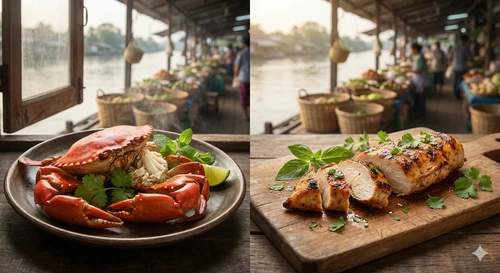
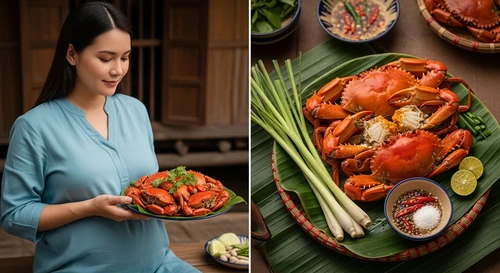
" The Mekong Delta is a treasure trove of fresh seafood. But like any adventure, it demands respect and knowledge. Some treasures, if mishandled, can turn into a dangerous threat. "
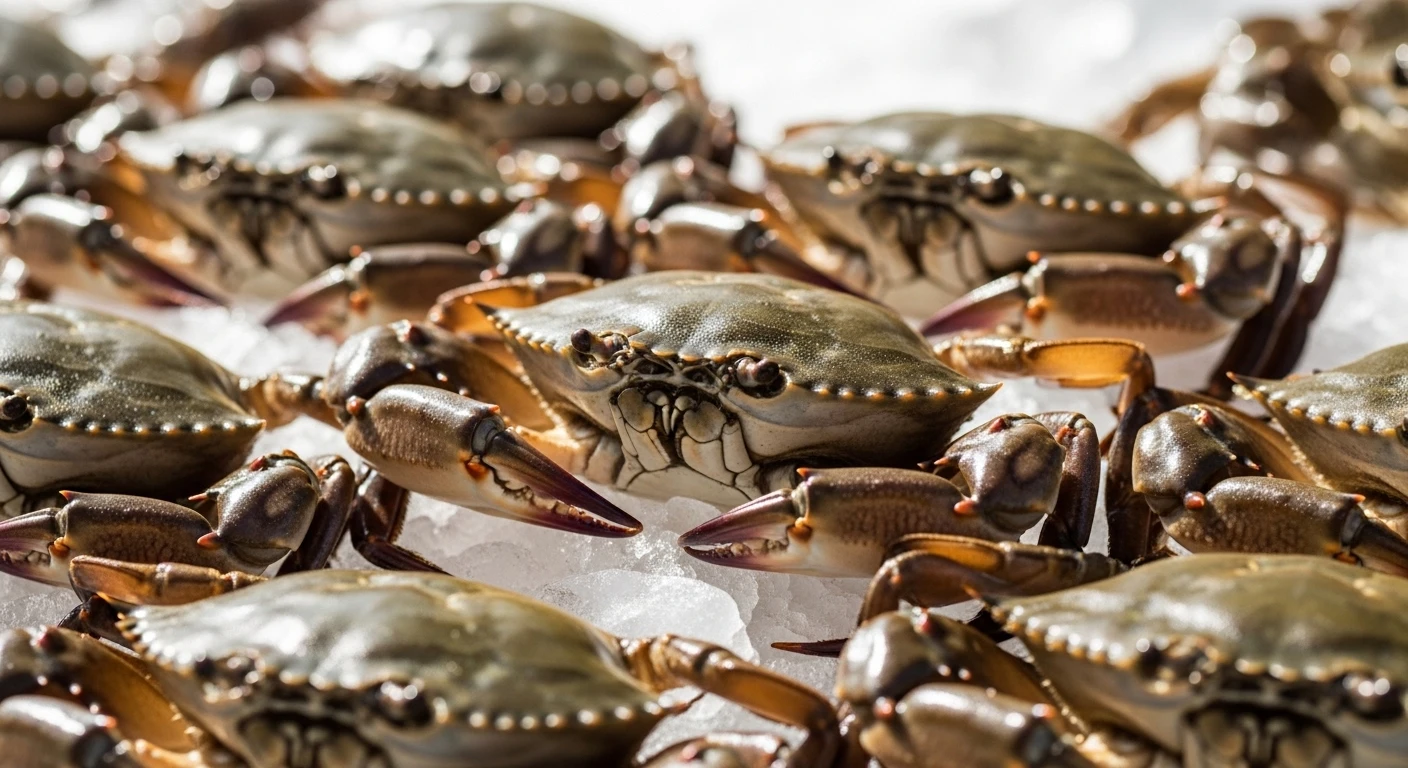
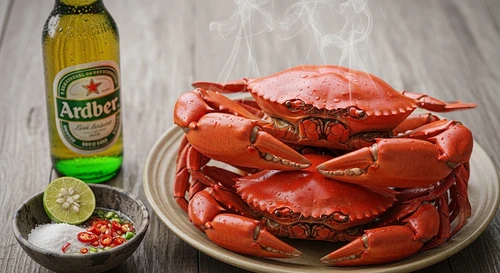
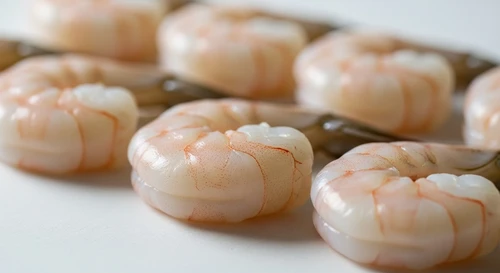
📸 The perfect specimen: Freshness is paramount when sourcing seafood.
1 The Silent Threat: Histamine
When we talk about food poisoning, many minds jump to bacteria or viruses. But with certain seafood, particularly darker-fleshed fish and crustaceans, a less commonly known culprit lurks: histamine.
This isn't about a crab being "off" in the traditional sense of smelling bad. Histamine is a biogenic amine produced by the decarboxylation of histidine, an amino acid naturally present in the flesh of many seafood species. This process is carried out by bacteria that proliferate rapidly when seafood is not kept at proper refrigeration temperatures after being caught.
What is Histamine?
A naturally occurring compound. When seafood decomposes (due to improper storage after being caught), bacteria convert histidine into histamine. High levels of histamine are toxic.
The Critical Flaw
Crucially, histamine is heat-stable. Boiling, frying, or any cooking method cannot destroy it. Once formed, it remains in the seafood, regardless of how thoroughly it's cooked.
2 The Crab Connection in Ca Mau
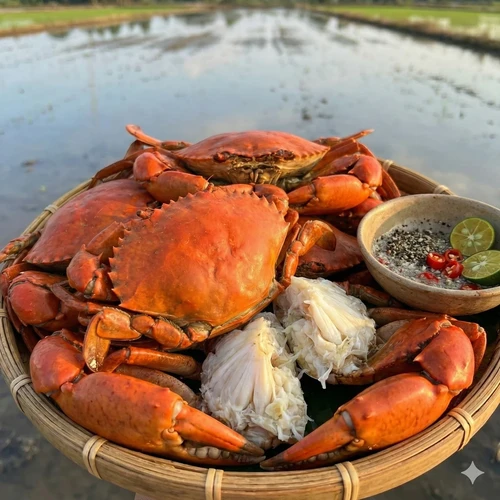
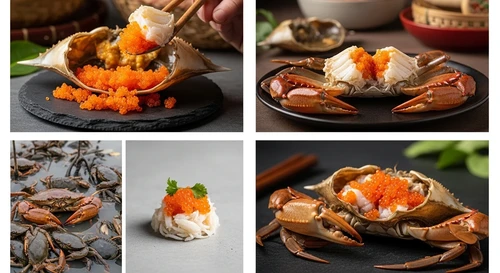
The Mekong Delta, particularly the coastal province of Ca Mau, is renowned for its abundant crab fisheries. Species like the Ca Mau Jumbo Mud Crab, prized for its dense, sweet meat, are a staple. The same goes for the richly roed Ca Mau Roe Mud Crab. These creatures, harvested from brackish waters and mangrove ecosystems, are a delight.
However, their environment and physiology make them particularly susceptible to histamine formation if mishandled:
Histidine Content
Crabs, like many other marine crustaceans and fish, naturally contain high levels of the amino acid histidine. This provides the raw material for bacterial conversion into histamine.
Temperature Sensitivity
Once the crab is dead, its natural defenses against bacterial growth disappear. If not immediately chilled or processed, the bacteria that produce histamine will multiply exponentially. This is especially true in the humid, tropical climate of the Mekong Delta where temperatures can rise quickly.
3 Time is the Enemy
The critical factor is the time elapsed between the crab's death and its consumption, combined with storage conditions. Even a few hours at ambient temperature can be enough to trigger significant histamine production.
Caught & Cooked Immediately
This is the ideal scenario. Live seafood cooked within hours of capture, properly stored and handled, poses minimal risk.
Stored for a Day (Poorly)
If crab dies and is left at room temperature for even a few hours, or refrigerated improperly, histamine can build up significantly.
Several Days Old, Unrefrigerated
This is the highest risk scenario. Crab that has been dead for "several days" and not kept consistently frozen or under strict refrigeration is a prime candidate for dangerous histamine levels.
The Aftermath: Scombroid Poisoning
When you consume seafood with high histamine levels, you're not experiencing a typical bacterial infection. It's a chemical poisoning known as scombroid poisoning or histamine poisoning.
Onset
Rapid; typically within 20 minutes to 2 hours after ingestion.
Key Symptoms
Red flushing of the skin (face, neck, chest), nausea, vomiting, diarrhea, burning sensation in the mouth, headache, dizziness.
Treatment
Antihistamines can help manage symptoms. Severe cases may require medical attention. It usually resolves within 24-48 hours.
If you experience these symptoms after eating seafood, especially crab, seek medical advice. Do NOT assume it's just a common stomach bug.
Navigating the Delta's Bounty Safely
The Mekong Delta is a paradise for food explorers, a place where the freshest ingredients are often the heart of every meal. From the bustling floating markets of Can Tho to the remote fishing villages of Ca Mau, seafood is king.
Source Wisely
- Reputable Vendors: Buy from established markets or vendors known for quality and proper handling. Look for seafood that is visibly fresh, kept on ice, and handled with care.
- Live is Best: For crabs, always aim for live specimens. If a crab is already dead, its freshness is compromised.
Handle with Care
- Immediate Refrigeration: If you buy seafood that needs to be transported, ensure it stays cold. Use ice packs or insulated bags.
- Cook Promptly: Ideally, cook seafood the same day it is purchased. If you must store it, keep it well-chilled in the coldest part of your refrigerator.
- Discard if Suspicious: If seafood smells off, has an unusual texture, or if you're unsure about its freshness, it is always safer to discard it.
Beyond Crab: Other Mekong Risks
While crabs are a common concern for histamine poisoning, other seafood can also be risky if not handled properly. In the Mekong Delta, many traditional delicacies are preserved or prepared using methods that require strict adherence to food safety.
Fermented Seafood (Mắm)
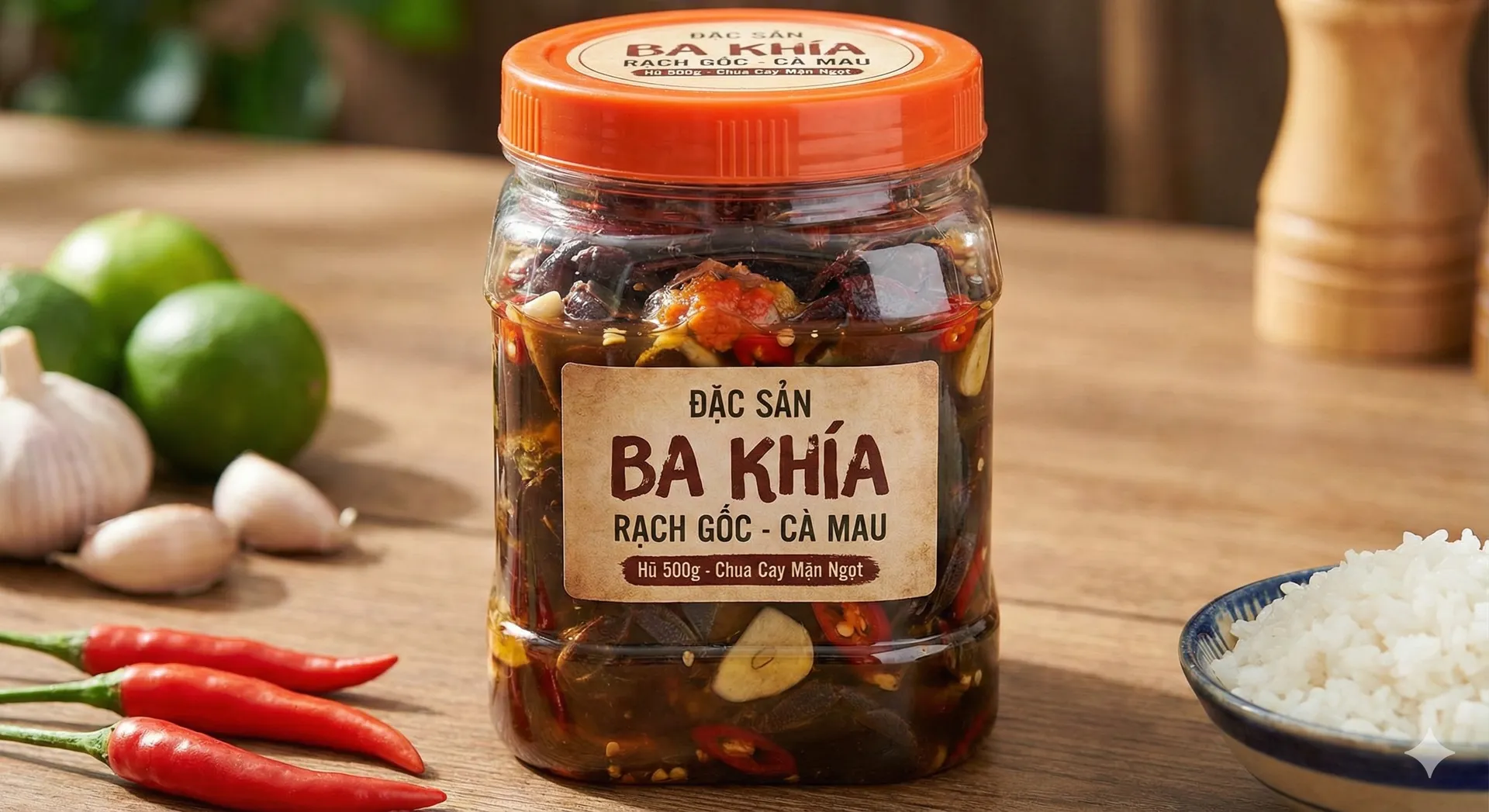
Specialties like Fermented Mangrove Crab (Ba Khia) are delicious but rely on precise fermentation processes. Improperly made *mắm* can harbor harmful bacteria or toxins.
Risk: Bacterial contamination, toxin formation if fermentation is off.
Raw or Lightly Cooked Shellfish
While less common as a primary source of histamine poisoning, raw or undercooked shellfish from potentially polluted waters can carry viruses and bacteria like Vibrio, leading to severe gastrointestinal issues.
Risk: Pathogenic bacteria and viruses.
Smoked or Sun-Dried Fish/Shrimp
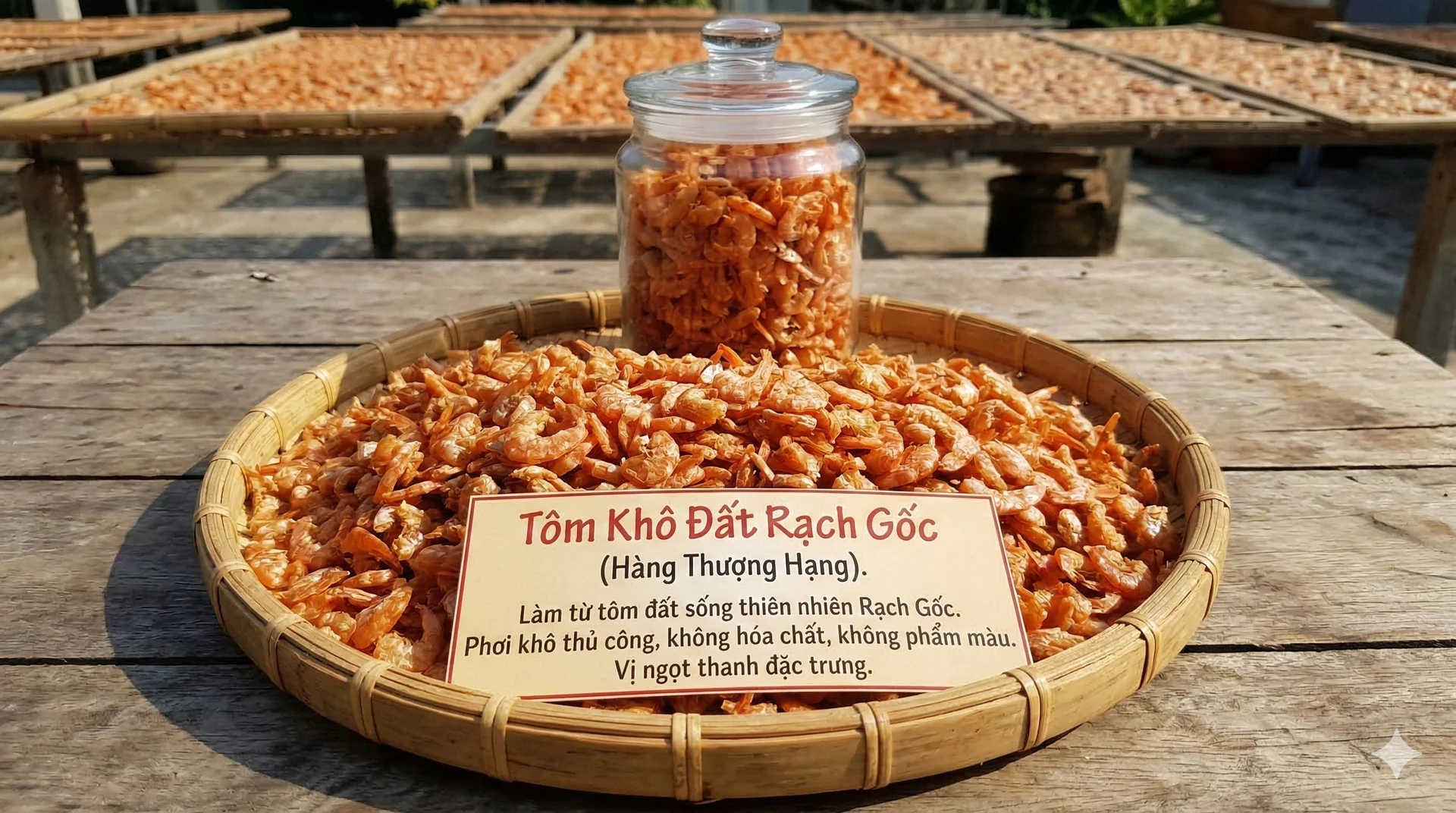
Traditional drying and smoking methods, if not done correctly (e.g., insufficient heat or humidity), can allow bacteria to thrive, even in preserved products.
Risk: Bacterial growth if preservation is inadequate.
When in the Delta: Eat Smart
The Mekong Delta offers an unparalleled culinary journey. To enjoy it safely and fully, always remember these key takeaways:
🧐 Always prioritize freshness.
🌡️ Temperature control is king.
♨️ Cooking doesn't guarantee safety from histamine.
🗣️ Ask questions, if you can.
Respect the Bounty
The Mekong Delta's culinary gifts are extraordinary, offering flavors and experiences found nowhere else on earth. By understanding the potential risks, such as histamine poisoning from improperly handled crab, and practicing vigilance, you can savor these incredible tastes with confidence. Treat the seafood with the respect it deserves – from the moment it's caught to the moment it graces your plate – and you'll unlock its true, safe, delicious potential.