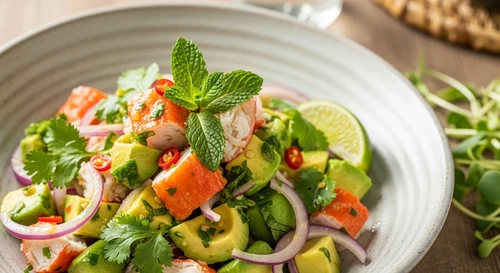
" In the sprawling labyrinth of the Mekong Delta, where lifeblood flows through a million waterways, the true taste of the sea and rivers is a delicate matter. It's not about drowning your ingredients in a fiery broth. It's about coaxing out the soul of the ocean itself. And for that, clarity is king. "
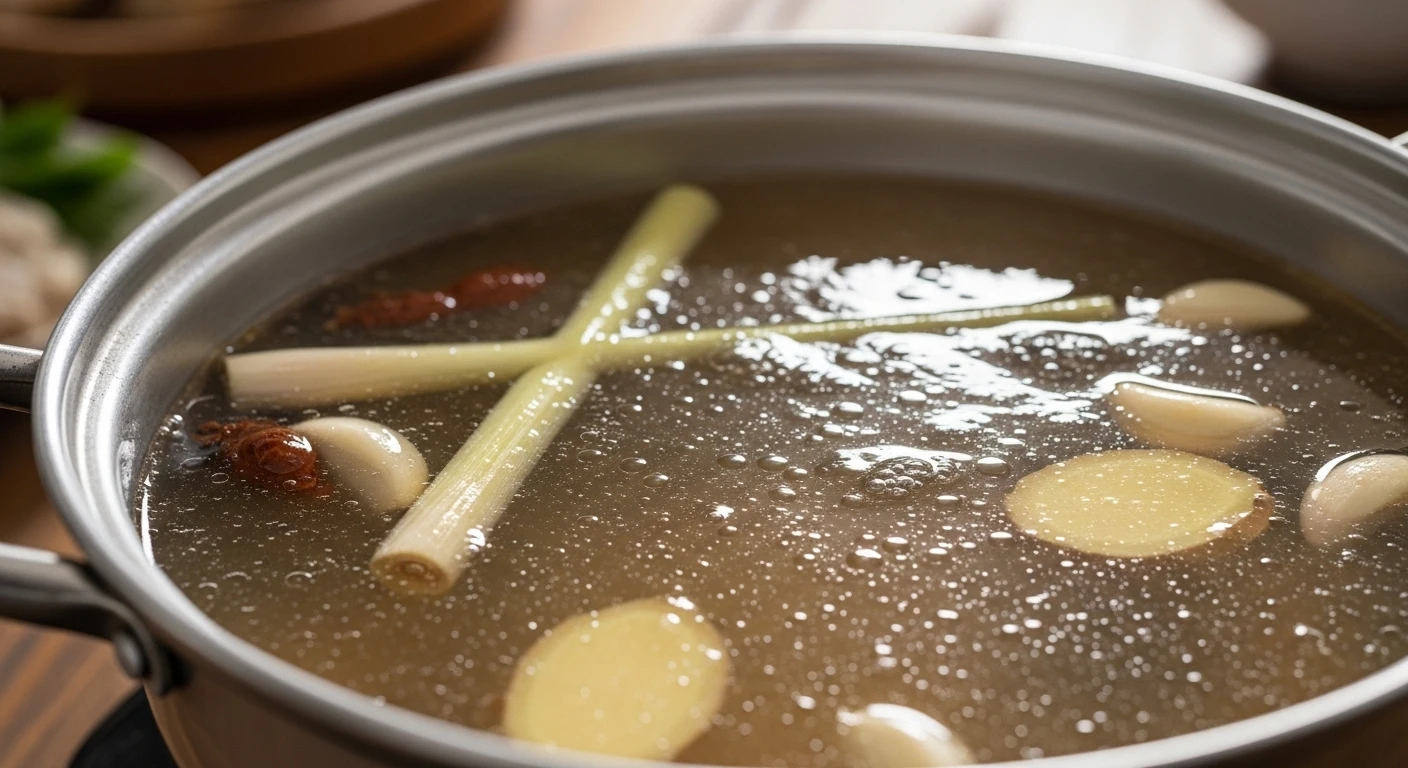
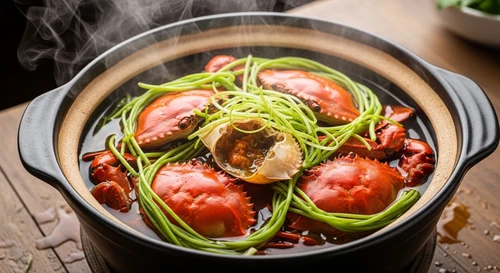
📸 The essence captured: A pristine broth that promises pure flavor.
1 The Soul of the Broth: Why Shrimp Heads?
In the kitchens dotting the waterways of the Mekong Delta, from the vast mangrove forests of Ca Mau to the bustling floating markets of Can Tho, resourcefulness is key. Nothing is wasted. The humble shrimp head, often discarded in Western kitchens, is a goldmine of flavor. It’s where the sweet, unctuous juices that form the foundation of any great seafood broth reside.
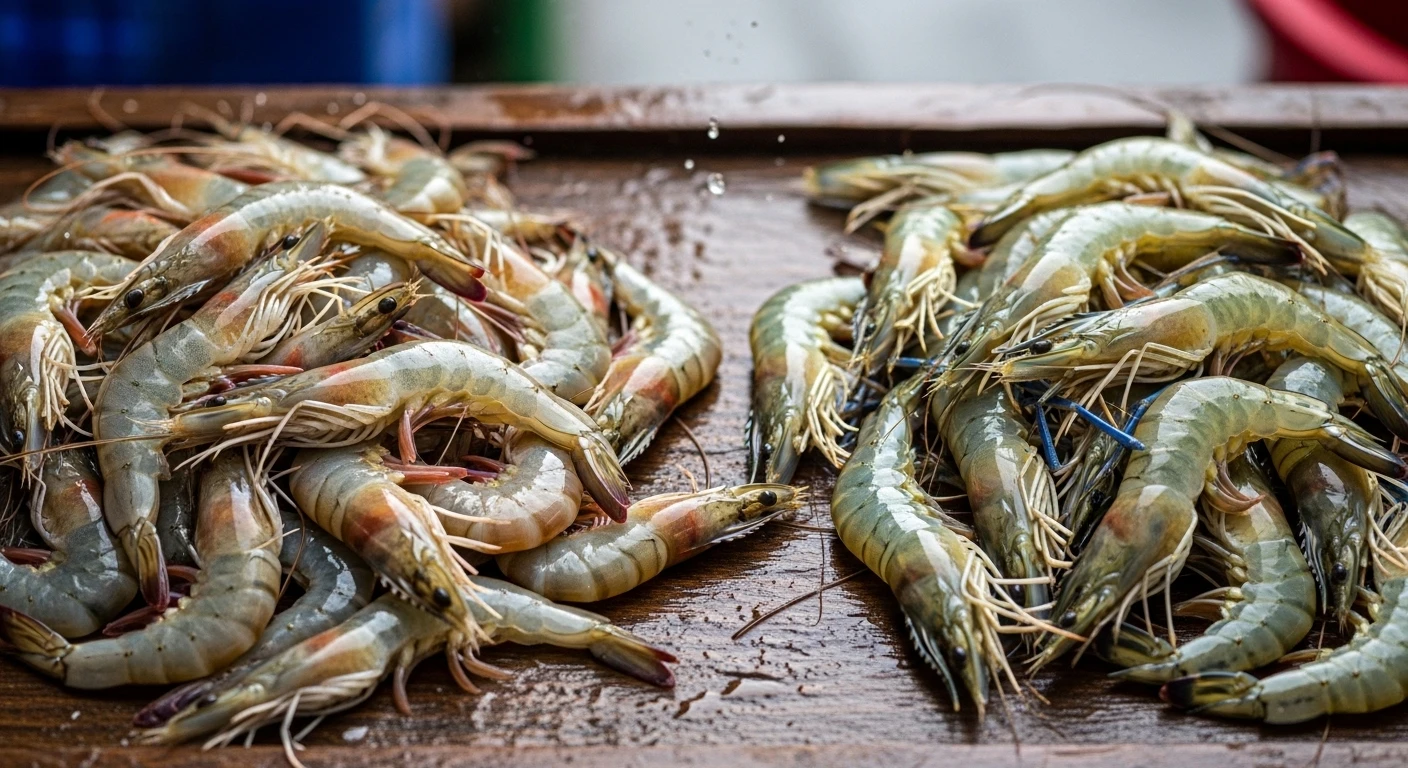
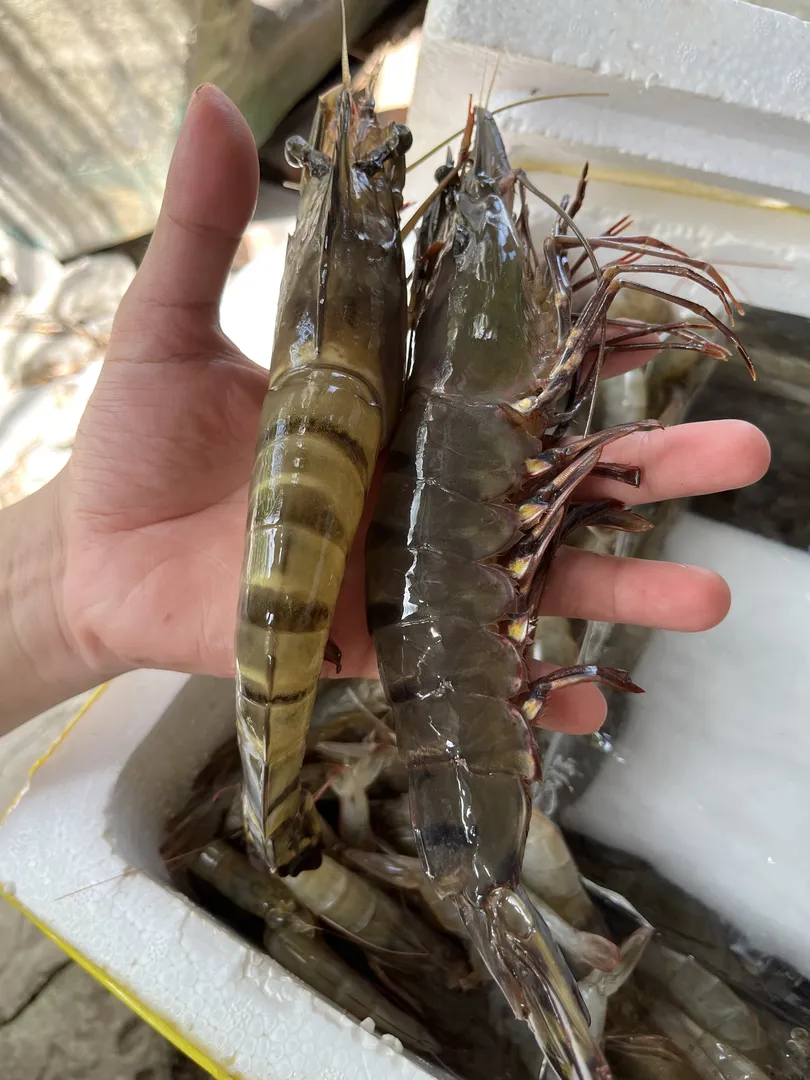
Think of the journey these shrimp take. Whether it’s the prized Ca Mau Black Tiger Shrimp, known for their firm flesh and vibrant flavor from mangrove aquaculture, or the larger river prawns, their heads are packed with natural sugars, lipids, and umami compounds. This is the untapped potential we aim to unlock for our hotpot.
Heritage Ingredient
Ca Mau Black Tiger Shrimp
Ca Mau Black Tiger Shrimp
Large black tiger shrimp associated with mangrove aquaculture in Ca Mau, known for firm flesh and a cleaner, sweeter finish than intensively farmed shrimp.
Wild spirits of the mangroves, these black-banded gems deliver a firm, snappy texture and a sweetness that echoes the forest's vibrant life.
However, the treasure within these heads comes with a caveat: residue. If not handled properly, the juices release proteins and fine particles that cloud the broth, turning a delicate seafood soup into a murky disappointment. This is where technique becomes paramount.
2 Toasting the Treasure: Roasting for Flavor & Clarity
The first step is to concentrate that flavor. Forget boiling them straight away. We're going to roast. Roasting the shrimp heads at a medium-high heat (around 400°F or 200°C) is critical. This process achieves two vital goals:
- Caramelization: The natural sugars in the shrimp heads begin to caramelize, adding a nutty depth and a beautiful amber hue to our eventual broth. This is far more complex than simple boiling.
- Releasing Oils: The heat breaks down the cell walls, releasing those precious aromatic oils and the rich, orangey fat from the shrimp's head gland.
Spread the shrimp heads in a single layer on a baking sheet. Toss them for about 10-15 minutes, or until they turn a deep reddish-orange and start to smell fragrant. Don't burn them; just toast them to perfection. This transformation is where the magic begins, setting the stage for a broth that is both intensely flavored and visually stunning.
3 The Gentle Press: Capturing Pure Liquid Gold
Once roasted, the heads are ready to yield their precious liquid. This is where precision matters most for clarity. We want to extract as much flavorful juice as possible without crushing the shells and releasing the clouding sediment.
The Technique
The best way is to use a potato ricer or a garlic press, but on a larger scale. You can also gently *mash* them in a bowl with a sturdy spoon or pestle, but avoid pulverizing. The goal is to press out the juices, not to turn the heads into paste.
The Juice
You'll collect a vibrant, amber-colored liquid – this is your concentrated essence. It will likely still contain some fine particles, and that's perfectly normal at this stage. Don't worry, the next step handles that.
4 The Great Filter: Achieving Flawless Clarity
This is the single most crucial step for that desired crystal-clear broth. After pressing the heads, you'll have a liquid that's flavorful but still potentially cloudy. We need to strain it meticulously.
The Tool of Choice
Forget coarse strainers. You need a fine-mesh sieve. The finer the mesh, the clearer your broth will be. A chinois is ideal, but a good quality kitchen sieve with very small holes will also work wonders.
The Process
Set your fine-mesh sieve over a clean bowl or pot. Slowly pour the pressed shrimp head liquid into the sieve. Resist the urge to push or stir the solids; let gravity do the work. You might need to do this in batches. For an extra level of clarity, you can line your sieve with a piece of cheesecloth or a coffee filter, but this can be slow and might sacrifice some flavor extraction, so a fine-mesh sieve alone is often sufficient for home cooks.
5 Layering the Flavors: Delta Aromatics
Now that we have our pristine shrimp essence, it's time to build a foundation for a truly exceptional hotpot broth. The Mekong Delta's culinary landscape is rich with aromatic ingredients that complement seafood beautifully.
The Base
Combine your strained shrimp head liquid with good quality water or a light seafood stock. Use a ratio of about 1:1 or 1:2 (shrimp essence to water/stock), depending on the intensity you desire.
The Aromatics
Add classic Mekong aromatics to the pot:
- Lemongrass: Bruised stalks to release their fragrance.
- Ginger: Sliced generously.
- Shallots: Lightly roasted or bruised.
- Garlic: Whole cloves, lightly crushed.
- Optional: A few dried shiitake mushrooms for earthy depth, or a small piece of dried kombu (seaweed) for additional umami.
6 The Long & Slow Dance: Simmering to Perfection
This is not a race. True flavor development requires patience. Bring the broth to a gentle simmer over low heat.
The Key Rule: NO BOILING
Once your strained shrimp essence is combined with water/stock and aromatics, bring it to a very low simmer. You should see only the faintest bubbles occasionally rising to the surface. A rolling boil will agitate the proteins and fats, destroying the clarity you worked so hard to achieve. Simmer for at least 30 minutes, or up to an hour, allowing the aromatics to infuse their essence into the pure shrimp base.
As it simmers, skim off any impurities that rise to the surface. This further ensures a pristine broth. Taste and adjust seasoning with a touch of salt. You want the pure, sweet flavor of the shrimp to be the star, supported by the subtle aromatics.
7 The Symphony of Ingredients: Filling Your Hotpot
With your crystal clear broth ready, it's time to populate your hotpot. The beauty of this pure base is its versatility. It allows the natural flavors of your chosen ingredients to shine. Consider these Mekong-inspired additions:
The Catch
- Fresh fish fillets (e.g., catfish, tilapia)
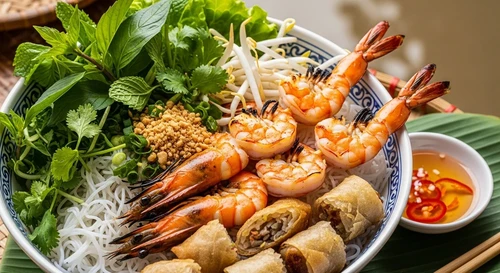
- More shrimp (whole or peeled)
- Tender squid rings
- Clams, mussels, or scallops
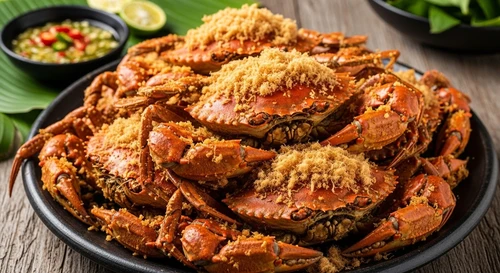
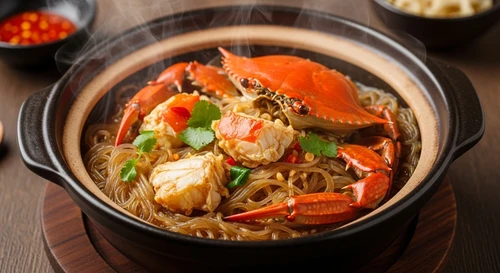
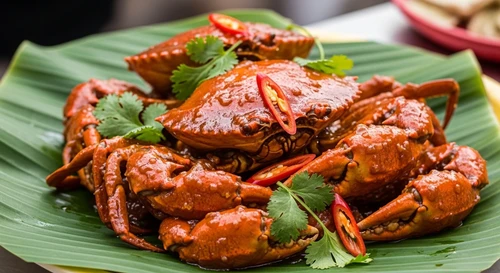
- Jumbo Mud Crab segments (a true Mekong delicacy!)
The Greens & Staples
- Napa cabbage, bok choy, water spinach
- Enoki mushrooms, straw mushrooms
- Tofu puffs or firm tofu
- Rice noodles or vermicelli
- Hau Giang Featherback Fish Cake