" The Mekong Delta, a cradle of life and an unparalleled pantry, offers seafood that is both sustenance and medicine. But when the goal is bone health, which of its many treasures truly shines? "
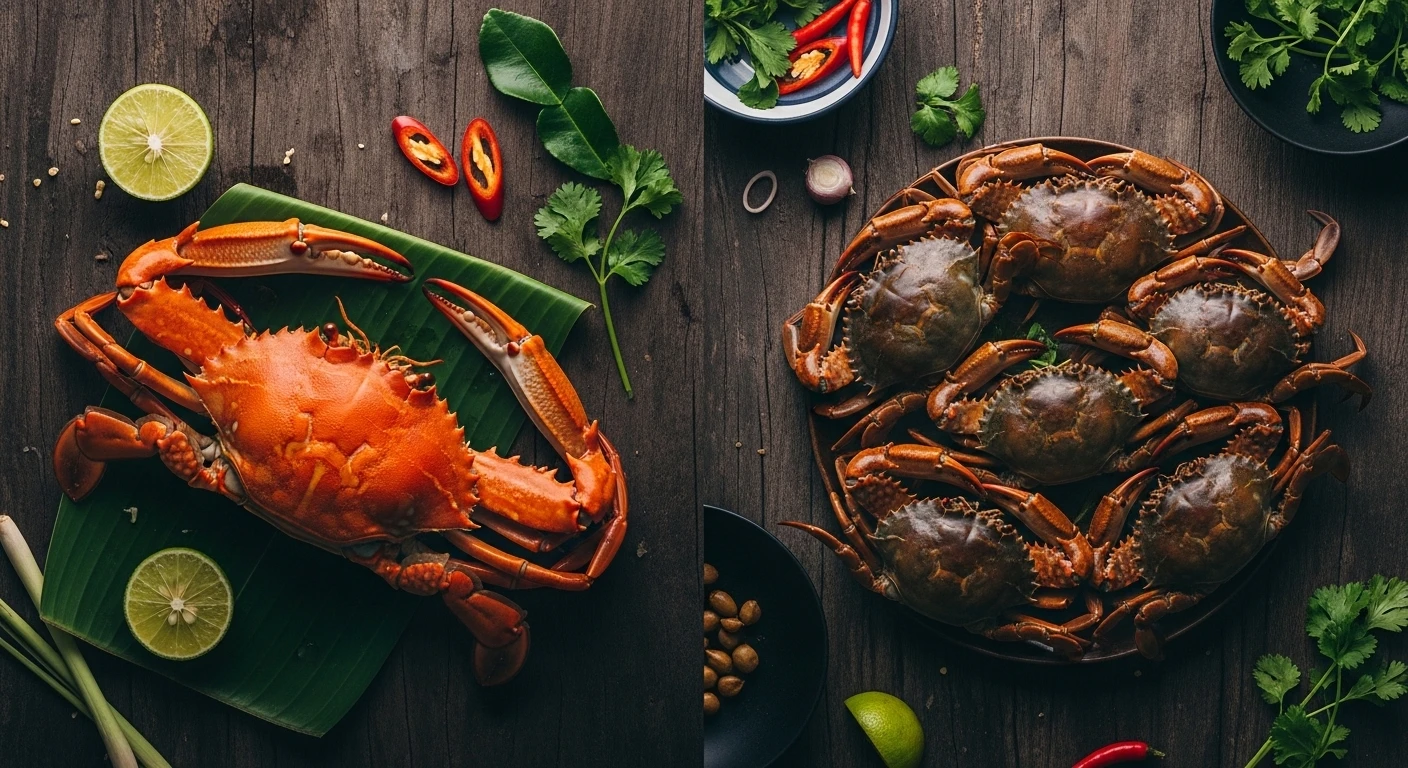
📸 The bounty of the delta: A visual guide to two distinct crustacean heroes.
1 Introduction: The Mekong's Rich Harvest
The Mekong Delta, a vast and fertile network of rivers and canals stretching across southern Vietnam, is a region where life ebbs and flows with the water. Its rich ecosystem has long provided a bounty of seafood, forming the backbone of local cuisine and livelihoods. Among these treasures are crabs, a diverse group offering not just culinary delight but significant nutritional value.
For anyone concerned with bone health, particularly those facing the challenges of osteoporosis, the mineral content of our diet is paramount. Calcium, the primary building block of bones, is a key nutrient we seek from food sources. Today, we delve into the nutritional profiles of two distinct crab species found in the delta's waters: the widely recognized Blue Swimmer Crab and the more rustic, often overlooked, Field Crab.
Understanding their calcium levels isn't just about numbers on a chart; it's about appreciating the role these creatures play in the delta's ecosystem and how their consumption can contribute to our well-being. We'll dissect the data, explore their origins, and ultimately, help you make an informed choice for your bone health.
2 The Blue Swimmer Crab: A Delta Favorite
The Blue Swimmer Crab (Portunus pelagicus), known locally by various names but often recognized by its broad, swimming legs and distinctive blue hues on its carapace, is a common sight in the coastal areas and estuaries of the Mekong Delta. These crabs are prized for their sweet, succulent meat, particularly in the claws and legs, and are a staple in markets and kitchens across the region.
Harvesting Blue Swimmer Crabs is a significant economic activity, with fishermen employing various net types to catch them. They are commonly prepared steamed, grilled, or incorporated into stir-fries and soups. Their popularity stems from their excellent meat-to-shell ratio and the clean, briny flavor that appeals to a wide audience.
For the health-conscious consumer, Blue Swimmer Crabs offer a good source of protein and essential minerals. While they are often celebrated for their flavor, their contribution to daily calcium intake is also noteworthy.

Heritage Ingredient
Ca Mau Jumbo Mud Crab
Ca Mau Jumbo Mud Crab
A large male mud crab prized for dense, sweet meat and thick claws, commonly used in steamed crab and grilled crab dishes across the Mekong Delta.
An icon of coastal culinary heritage, featuring firm, sweet meat that captures the raw power and freshness of Ca Mau's tides.
3 The Humble Field Crab: A Taste of the Rice Paddies
Field crabs, often smaller and more robust than their Blue Swimmer cousins, inhabit the freshwater canals and paddy fields that crisscross the delta's interior. These are the crabs that farmers might encounter while working the land, and they possess a different, yet equally cherished, culinary profile. Varieties like the "Ba Khia" (Sesarma bidens) are distinct, known for their intense, briny, and somewhat earthy flavor, often preserved through fermentation.
Unlike the Blue Swimmer Crab, which is typically found in brackish or saltwater environments, field crabs thrive in freshwater. Their diet, consisting of organic matter and vegetation in the paddies, influences their flavor. They are less about the large, meaty claws and more about the concentrated, intense taste of the entire body, often enjoyed in dishes like fermented crab dipping sauces or stir-fried with tamarind.
While perhaps less globally recognized, field crabs are deeply ingrained in the rustic culinary traditions of the Mekong Delta, offering a unique connection to the land and its cycles. Their nutritional contribution, particularly in terms of calcium, is often underestimated.
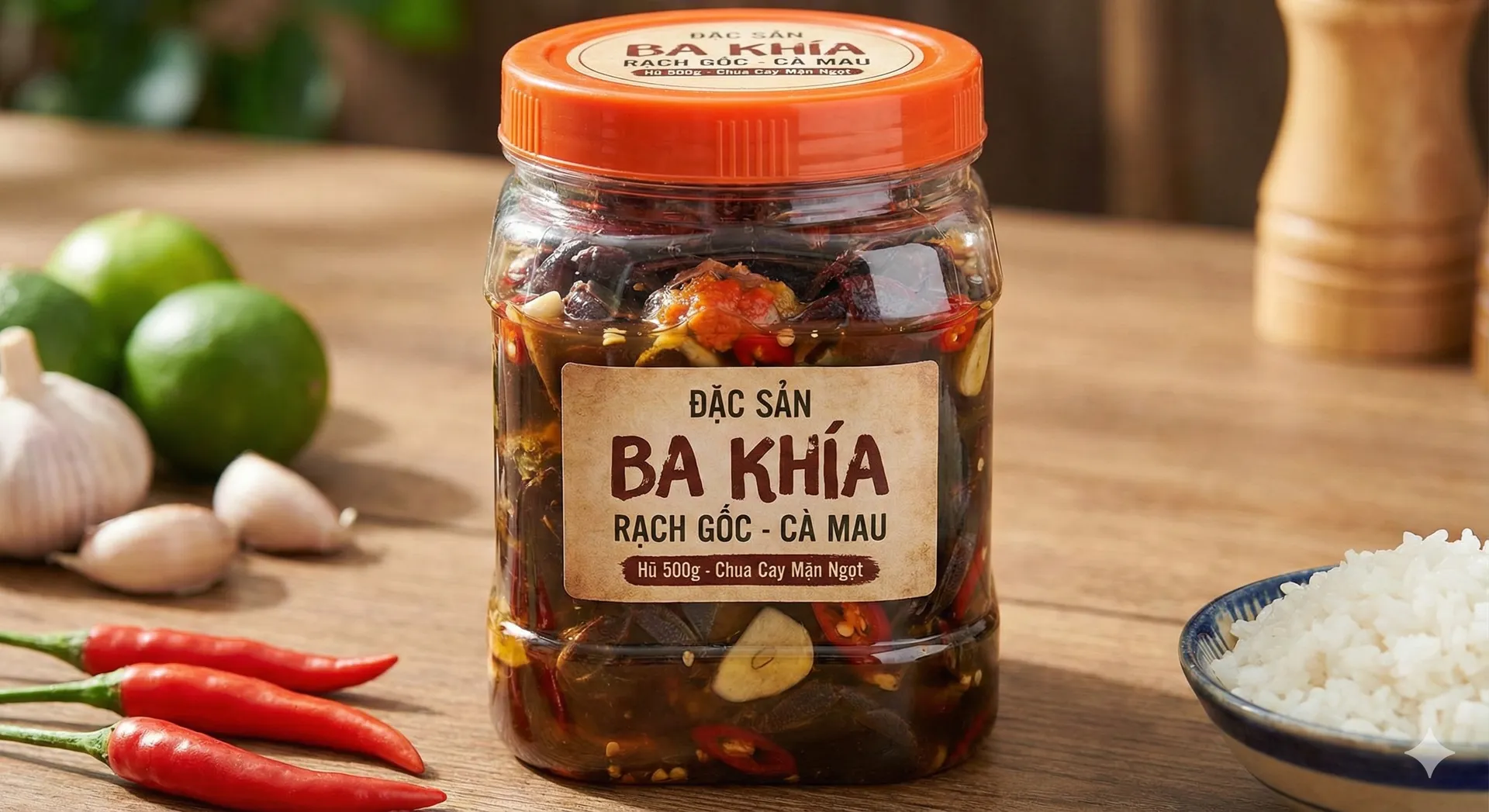
Heritage Ingredient
Fermented Mangrove Crab (Ba Khia)
Fermented Mangrove Crab (Ba Khia)
A traditional fermented crab specialty from the mangrove region of Rach Goc, often cited in articles about rustic Mekong Delta flavors and preserved seafood culture.
The salty-sour heartbeat of the wild south, where traditional fermentation turns forest crabs into a nostalgic explosion of rustic Mekong soul.
4 The Nutritional Showdown: Calcium Content Unveiled
To truly compare these two crustaceans for their bone-supporting potential, we must look at their calcium content. While exact figures can vary based on species subspecies, diet, size, and preparation methods, general nutritional data provides a clear picture. For the purpose of this analysis, we will refer to standard nutritional databases for representative values, typically per 100 grams of cooked crab meat.
Calcium Content (approximate per 100g cooked crab):
- Blue Swimmer Crab: Typically ranges from 70 mg to 150 mg of calcium per 100g. The meat from the body and legs provides a good amount, with some variations depending on the part consumed.
- Field Crab (e.g., Ba Khia): These often pack a more concentrated nutritional punch, with calcium levels potentially ranging from 100 mg to over 200 mg per 100g. This is especially true when considering the entire edible portion, including the roe and internal organs which are richer in minerals.
Based on these figures, field crabs, particularly when consumed whole or in preparations that utilize more of the crab's internal parts (like fermented pastes), tend to offer a significantly higher concentration of calcium compared to the predominantly meat-focused Blue Swimmer Crab.
5 Beyond Calcium: Other Bone-Beneficial Nutrients
While calcium is the star player in bone health, other nutrients found in crabs also play a supportive role:
Phosphorus
Works synergistically with calcium to build and maintain strong bones. Both crab species are good sources.
Vitamin D
Essential for calcium absorption. While crabs don't contain high levels of Vitamin D, other dietary choices incorporating fish and sunlight are crucial.
Magnesium
Another mineral vital for bone structure and density. Crabs contribute to magnesium intake.
Protein
The structural matrix of bones is largely protein. High-quality protein from crab supports overall skeletal health.
Both Blue Swimmer and Field Crabs provide these beneficial nutrients, making them excellent additions to a bone-strengthening diet.
6 Implications for Osteoporosis Sufferers
For individuals managing osteoporosis, consistent and adequate intake of calcium is non-negotiable. While medication and lifestyle changes are key, dietary adjustments can significantly support treatment.
The higher calcium density found in many field crab preparations positions them as a potentially more potent dietary tool for bone health compared to Blue Swimmer Crabs, especially if the latter are consumed primarily for their leg and body meat. However, this doesn't negate the value of Blue Swimmer Crabs.
The key is preparation and consumption patterns. A Blue Swimmer Crab dish focusing on whole-crab consumption, or a recipe that utilizes more of the crab's body, can still offer substantial calcium. Ultimately, the *best* crab for bone health is the one you will consistently eat and enjoy, as adherence to a diet plan is crucial for long-term success.
Furthermore, the rich protein content in both types of crabs aids in maintaining muscle mass, which indirectly supports bone health by improving balance and reducing the risk of falls – a major concern for those with osteoporosis.
7 Sourcing and Sustainability in the Mekong
Understanding the source of your seafood is as important as its nutritional content, especially in a sensitive ecosystem like the Mekong Delta. Both Blue Swimmer Crabs and field crabs are integral to the region's aquaculture and wild-catch fisheries.
Responsible sourcing practices are vital to ensure the long-term availability of these crustaceans and the health of the delta's environment. Consumers looking for sustainable options should inquire about fishing methods and origins. Many small-scale fishing communities in the Mekong Delta practice traditional, lower-impact methods that are more sustainable.
The rise of aquaculture for species like Blue Swimmer Crabs also presents opportunities for controlled farming, which can reduce pressure on wild stocks. However, ensuring these farms adhere to environmental standards is crucial. Field crabs, often caught through more artisanal methods in rice paddies and canals, represent a connection to the delta's agricultural rhythm. Supporting local fishermen and farmers who employ sustainable practices helps preserve both the ecosystem and the culinary heritage of the region.
8 Conclusion: The Verdict for Bone Health
When directly comparing Blue Swimmer Crabs and Field Crabs based solely on their calcium content, the data leans towards **Field Crabs** as the superior choice for bone health, particularly when consumed in ways that utilize more of the crab's body and roe. Their higher mineral density per serving makes them a more potent source of calcium.
However, the story isn't that simple. Blue Swimmer Crabs remain an excellent source of protein and minerals, and their delicious meat can be incorporated into a bone-healthy diet. The key lies in maximizing calcium intake from whichever crab you choose. Opt for dishes that emphasize whole-crab consumption, consider recipes that include the crab's roe or tomalley, and pair them with other calcium-rich foods.
For those in or visiting the Mekong Delta, embracing the diversity of its crab population is a culinary and nutritional journey. Whether you're enjoying the sweet flesh of a Blue Swimmer Crab or the intense flavors of a fermented Field Crab, you are engaging with the region's rich heritage and providing your body with valuable nutrients. For optimal bone health, prioritize the field crab, but never underestimate the nourishing power of the beloved Blue Swimmer.
Further Health Insights
View More Health & Nutrition
If You Have a Cough or Sore Throat, Must You Completely Avoid Shrimp and Crab?
Actually, it's the hard shell of the shrimp that irritates the throat lining. If you eat the soft meat, it absolutely will not worsen a cough.

Weight Loss: Crab as a Lean Protein
Feeling full longer with low calorie intake.
Is the Dark Vein in Shrimp and Prawns Toxic?
Clearing up the confusion about the digestive tract of crustaceans. It's not toxic, but here is why you should still remove it.

Introducing Crab to Your Baby's Diet: When and How?
Pediatrician guidelines on the safe age to introduce shellfish to toddlers to avoid choking and monitor for allergies.
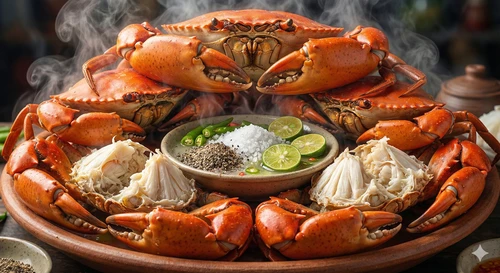
Is Mud Crab Keto-Friendly?
Zero carbs, high protein. The perfect diet food.

Collagen and Shells: Skin Benefits
Can chitosan from shells help your skin?
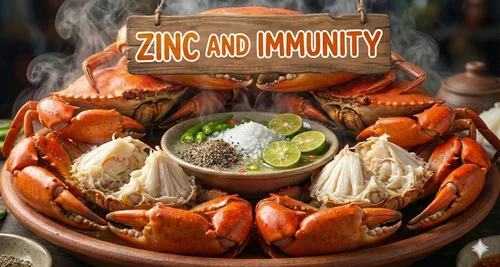
Zinc and Immunity: Crab's Secret Weapon
How eating crab boosts your immune system.
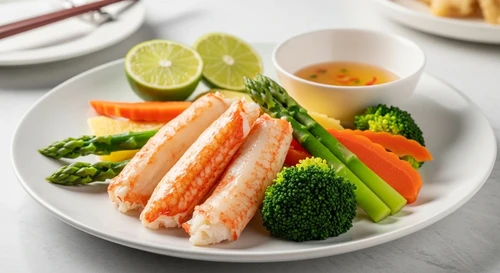
Eat Clean with Crab: Low-Calorie Diet Plans
How to incorporate steamed crab meat into your weight-loss journey without sacrificing flavor or feeling hungry.
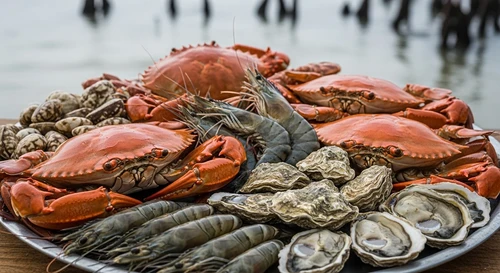
Zinc from the Sea: Why Seafood is Essential for Male Vitality
Exploring the scientific facts behind crab meat, oysters, and their high zinc content for men's health and stamina.