" In the labyrinthine waterways of the Mekong Delta, the bounty of the earth and sea is not just about flavour – it's about purity. Before the sizzle, before the stir-fry, comes the most crucial step: making sure your treasures from the riverbed are as clean as the morning mist on the water. "
1 The Unseen Enemy: Sand and Mud
We’ve all been there. That moment of culinary delight turns into a textural nightmare when a tiny grain of sand grinds between your teeth. Whether it’s clams harvested from brackish estuaries or snails from muddy riverbanks, they are living creatures, and they carry their environment with them. This isn’t just about unpleasantness; it’s about respecting the ingredient and ensuring a truly sublime eating experience.
In the bustling floating markets of Can Tho, or the rustic seafood shacks along the Ca Mau coast, the ability to present pristine shellfish is a mark of a skilled cook and a trustworthy vendor. They know that the final dish is only as good as its cleanest components.
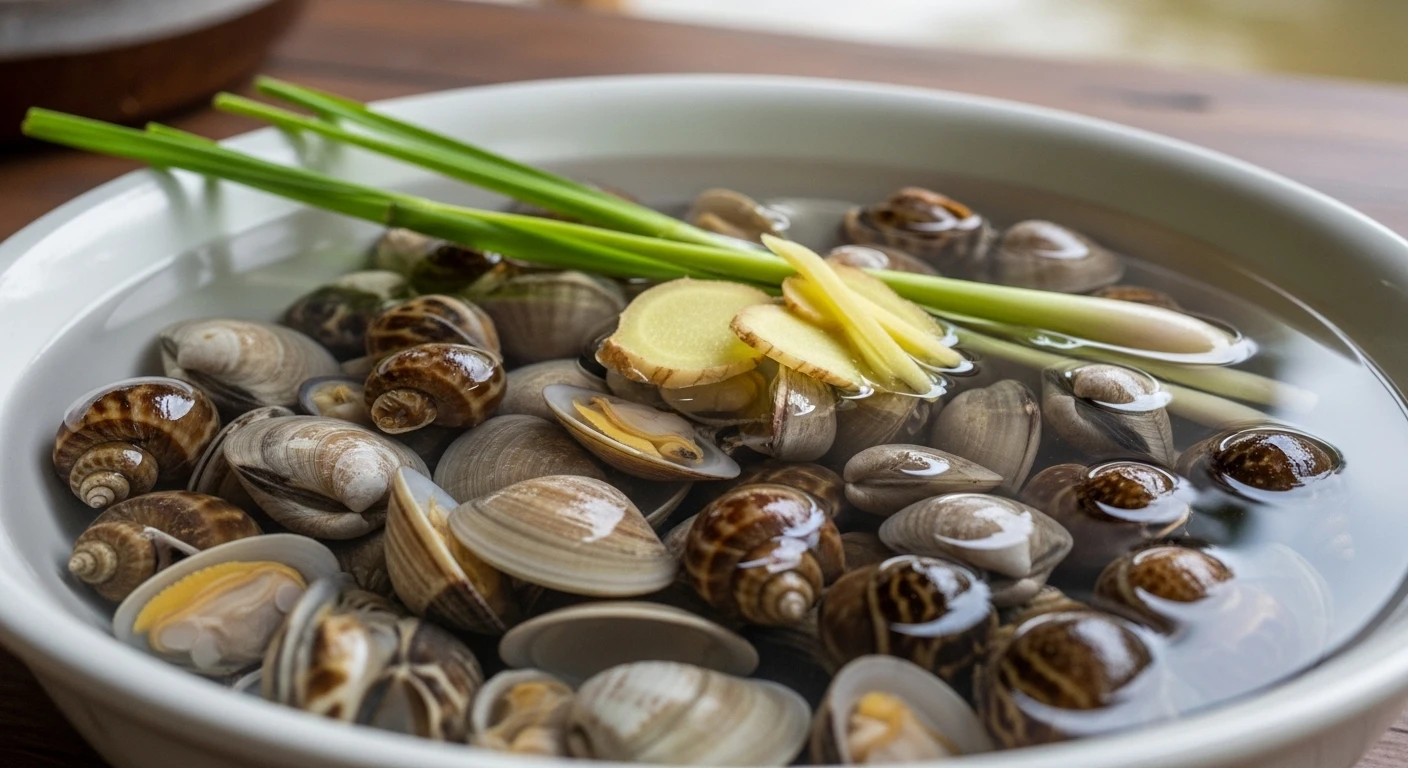
📸 Pristine and ready: Shellfish, purged and eager for the pot.
2 The Purging Ritual
For generations, cooks in the Mekong have employed simple yet ingenious methods to coax the grit out of clams and snails. While soaking in plain water is a start, the true professionals add a few key elements to accelerate the process and ensure thorough cleansing. This isn’t alchemy, but it’s certainly a masterful application of basic science and culinary intuition.
Think of the river snails, ốc, or the small river clams, nghêu, pulled from the muddy banks after a receding tide. They are often packed with sediment. A quick rinse won't cut it. They need a persuasive nudge to release their internal burdens.
3 The Power Trio: Acid and Metal
The core of this method lies in a potent, yet simple, combination. It’s about creating an environment that encourages the shellfish to expel their contents rapidly.
Warm Water
The temperature is key. Not hot enough to cook, but warm enough to encourage activity and faster respiration. Around 30-40°C (85-105°F) is ideal.
Acidic Boost (Vinegar & Lime)
A splash of white vinegar and a good squeeze of lime juice (or calamansi, common in Vietnam). The acidity mimics natural environmental cues that trigger a purge response. It also helps to break down any clinging mud.
The Metallic Catalysts
This is where it gets interesting. Adding a few clean stainless steel spoons (or even clean coins) to the water is a tried-and-true trick. The exact science is debated, but it's believed the metal can stimulate the shellfish, encouraging them to open wider and expel their contents more aggressively.
4 The Purge Process
This method works for most types of clams and snails. It’s remarkably effective and often cuts down purging time significantly, from hours to as little as 30 minutes for some.
Prepare the Soak
Take a large bowl or basin. Fill it with enough water to fully submerge your shellfish. Make it comfortably warm (not hot) to the touch.
Add the Purge Agents
Stir in a generous splash of white vinegar and the juice of half a lime (or more, to your preference). Then, drop in 3-4 clean stainless steel spoons. Ensure they are fully submerged.
Introduce the Shellfish
Add your rinsed clams or snails to the water. Ensure they are not overcrowded; give them space to open up. Cover the bowl with a clean cloth or lid (not airtight).
Wait and Observe
Let them sit in a cool, dark place for 30-60 minutes. You’ll see sand and muck accumulating at the bottom of the bowl. You may even hear or see the shellfish actively expelling water.
Final Rinse
Drain the dirty water. Give the shellfish a final, thorough rinse under cold running water, agitating them gently to remove any residual debris. They should now be sparkling clean and ready for cooking.
From Mudflats to Your Table
The Mekong Delta, with its vast network of rivers, canals, and coastal mudflats, is a paradise for shellfish. From the small, sweet river clams to the plump snails harvested from mangrove roots, this purging method is essential for unlocking their full potential.
River Snails (Ốc)
Varieties like ốc gạo (rice snail) or ốc len (swamp snail) are common. Perfect for steaming with lemongrass or stir-frying with tamarind sauce.
River Clams (Nghêu)
Sweet and tender, often cooked in fragrant broths with ginger and scallions, or grilled with a dollop of savory fermented shrimp paste (mắm).
The simple act of purging ensures that every bite, whether it’s a delicate clam or a chewy snail, is a testament to the purity of the Mekong's natural gifts.

Heritage Ingredient
Fermented Sour Shrimp (Mekong Style)
Fermented Sour Shrimp (Mekong Style)
A Southern Vietnamese fermented shrimp preserve made with garlic, chili, and shredded green papaya, often served with boiled pork, rice paper, or plain rice.
A vibrant dance of flavors—sour, spicy, and sweet—where tender shrimp and crunchy papaya create a masterpiece of Southern preserved heritage.
6 Tips for Perfection
Freshness is Paramount
This method works best on live shellfish. If they are already dead or smell strongly "off," purging won't help. Always start with the freshest possible ingredients.
Don't Overcrowd
Giving the shellfish room allows the water and purging agents to circulate freely around each one, leading to a more efficient and thorough clean.
Taste Your Water
After purging, discard the water. If it's excessively murky or smells strongly, consider a second, shorter purge. The goal is clear water when you discard it.
Beyond Metal Spoons
While spoons are common, some cooks use small metal trinkets or even a few clean pebbles. The key is a non-reactive material that can stimulate the creatures.
7 The Sweet Reward
When your clams and snails are perfectly purged, the cooking process becomes about enhancing their natural, delicate sweetness. Imagine plump clams steamed with fragrant herbs, or tender snails stir-fried with a vibrant chili-lime dressing – all free from the dreaded grit. This simple, time-tested method elevates humble ingredients into stars of the table.
It’s a fundamental step that separates good home cooking from restaurant-quality dining, especially in a region where seafood is not just food, but a way of life.
8 A Taste of the Delta's Soul
In the Mekong Delta, life revolves around the water. The rhythm of the tides, the flow of the rivers, and the ebb and flow of the seasons dictate what ends up on the plate. For coastal communities in Ca Mau or farming villages along the Bassac, shellfish are a vital source of sustenance and income.
A vendor selling fresh nghêu at the Cai Rang floating market understands that the journey from the water to the customer's kitchen must be a clean one. This purging technique, passed down through generations, is a silent promise of quality and a reflection of the deep respect for the bounty provided by this fertile land. It’s more than just removing sand; it’s about preserving the integrity of the ingredient and honouring the natural world that gives it life.

📸 A typical Mekong seafood scene: freshness is key.
You Might Also Like:
More From The Waterways
View More Food & Culinary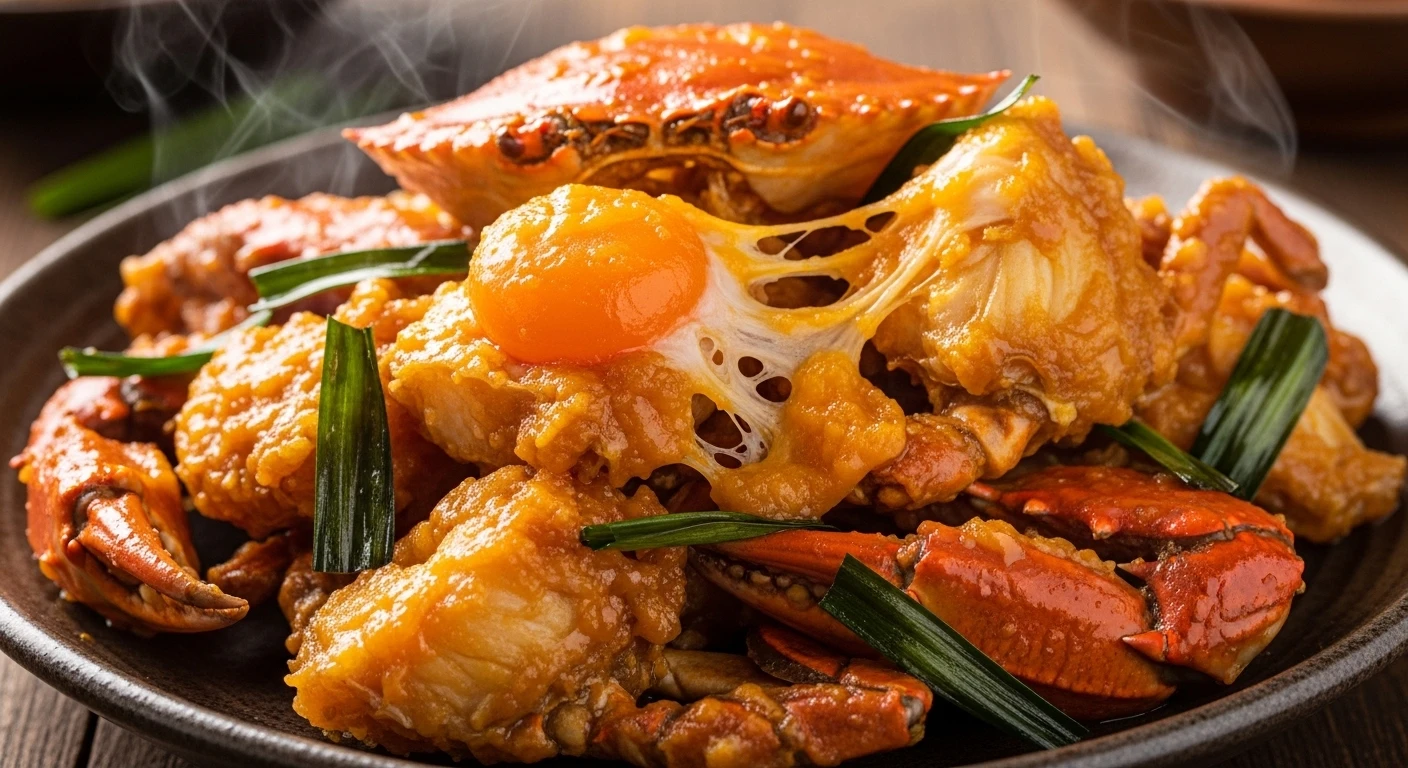
Viral Crab Stir-fried with Stretchy Salted Egg Yolk and Fragrant Green Pandan Leaves
Mix blended pandan leaves into the crab's frying batter, and drizzle over a melting, rich salted egg yolk sauce. You'll lick the shell clean.
Cheese Baked Mud Crab with Stretchy Mozzarella
Halved mud crabs smothered in rich, creamy Mozzarella cheese and baked until golden brown and fragrant.
Get Rid of the 'Fishy' Smell on Your Hands in Seconds
Forget soap. Learn why rubbing your hands with lemon, used tea bags, or toothpaste neutralizes seafood odors instantly.
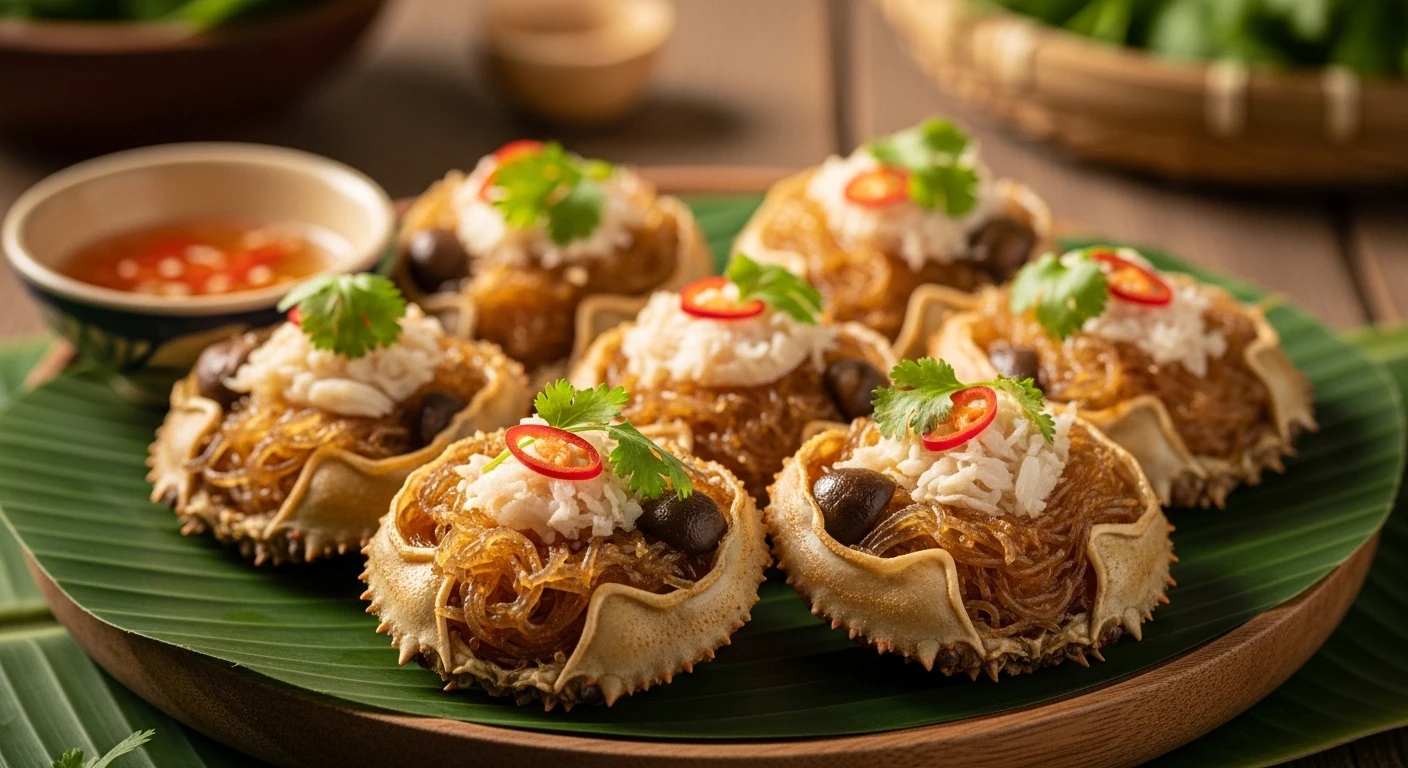
Stuffed Crab Shells Deep-Fried to Perfection
Mix crab meat, wood ear mushrooms, and minced pork, stuff them back into the crab shell, fry, and serve with sweet & sour sauce.
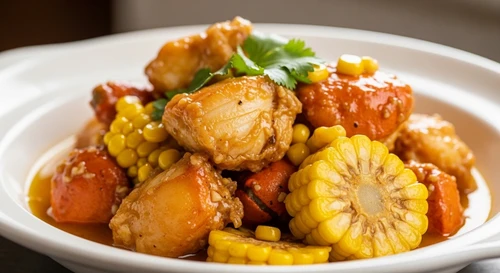
Garlic Butter Crab Stir-fry with Sweet Corn
Crunchy sweet American corn kernels mixed with unsalted butter and minced garlic, stir-fried with crab chunks.
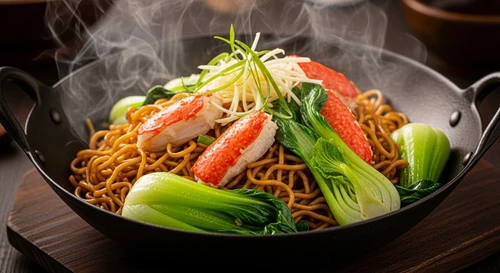
Crab Egg Noodles with Bok Choy in an Iron Wok
Crispy charred egg noodles stir-fried with bright green bok choy and peeled crab claws, just like a Chinese restaurant.
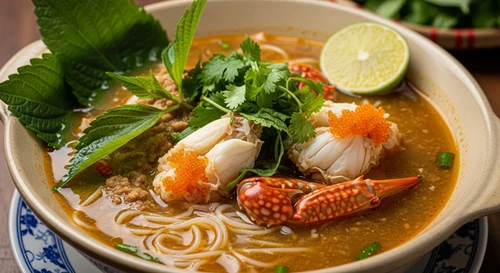
Crab Noodle Soup with Fermented Rice Paste (Me)
A Northern Vietnamese broth made from blended mud crab and fermented rice paste (Me), offering a gentle sourness.
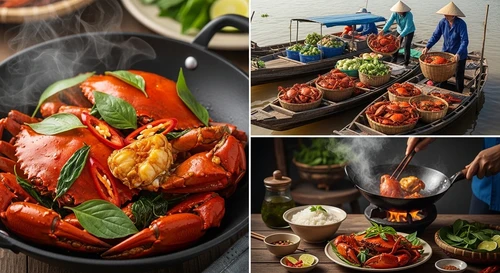
Stir-fried Mud Crab with Basil Leaves (Cua Xao La Que)
The licorice-like aroma of Thai basil elevates the sweetness of the crab in this fast-paced wok dish.
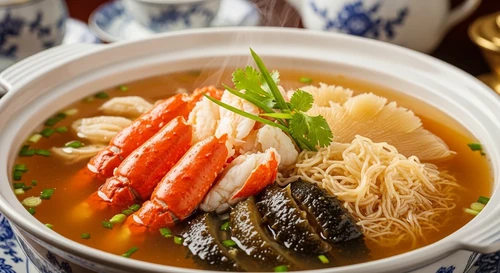
Nutritious Crab, Shark Fin & Sea Cucumber Soup
A premium appetizer for grand banquets, providing a massive amount of collagen and essential minerals.