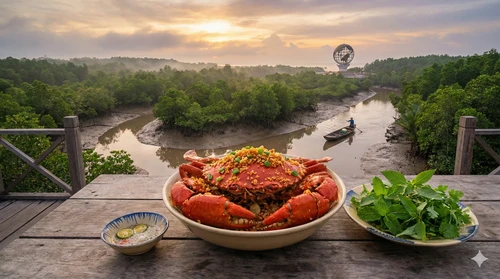
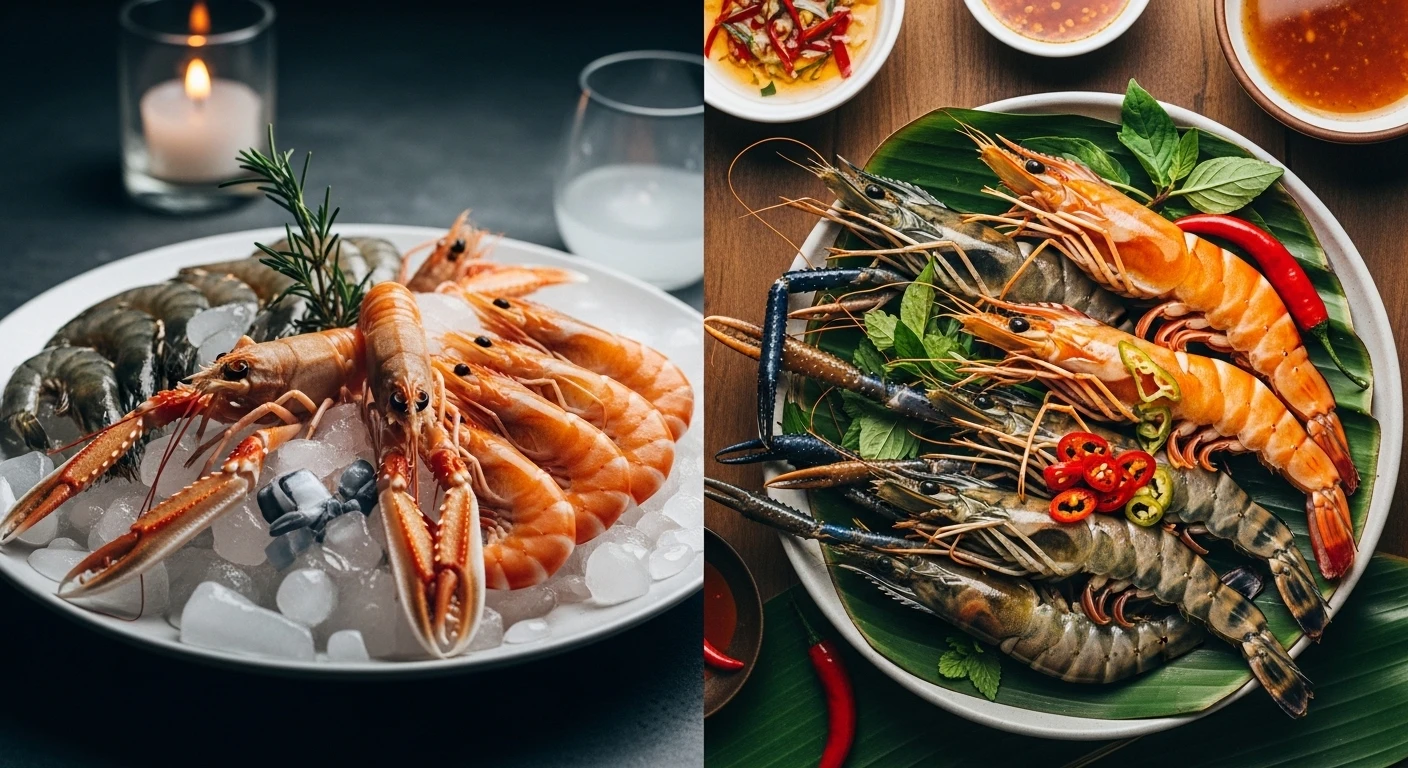
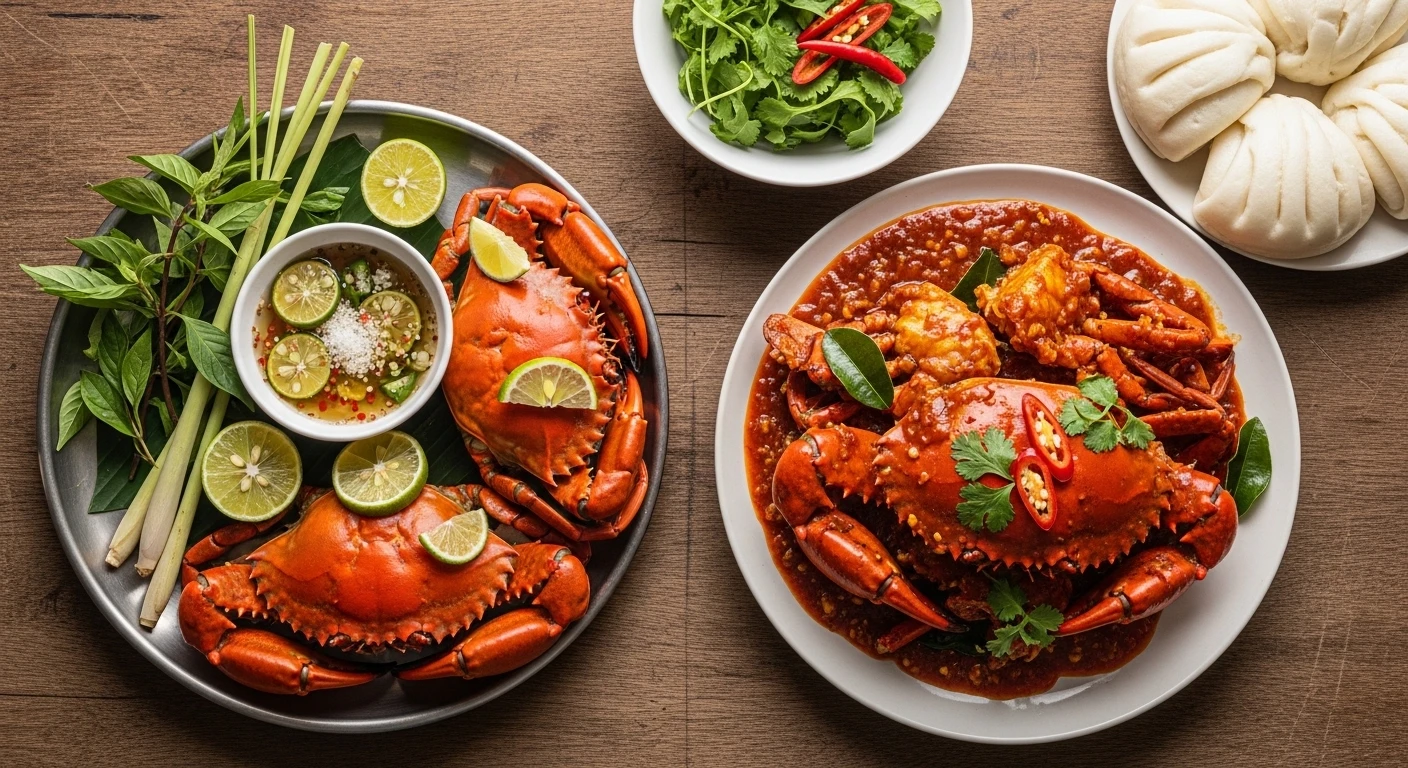
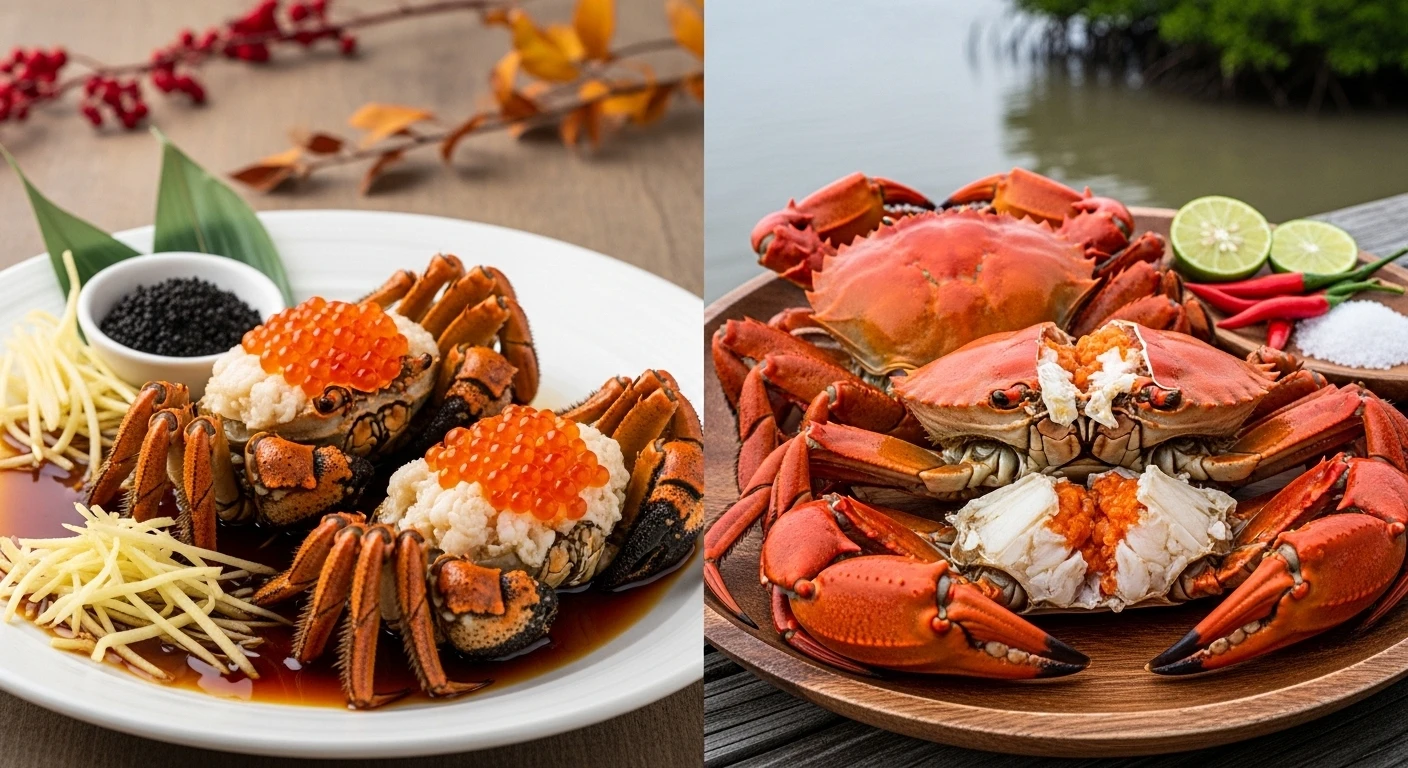
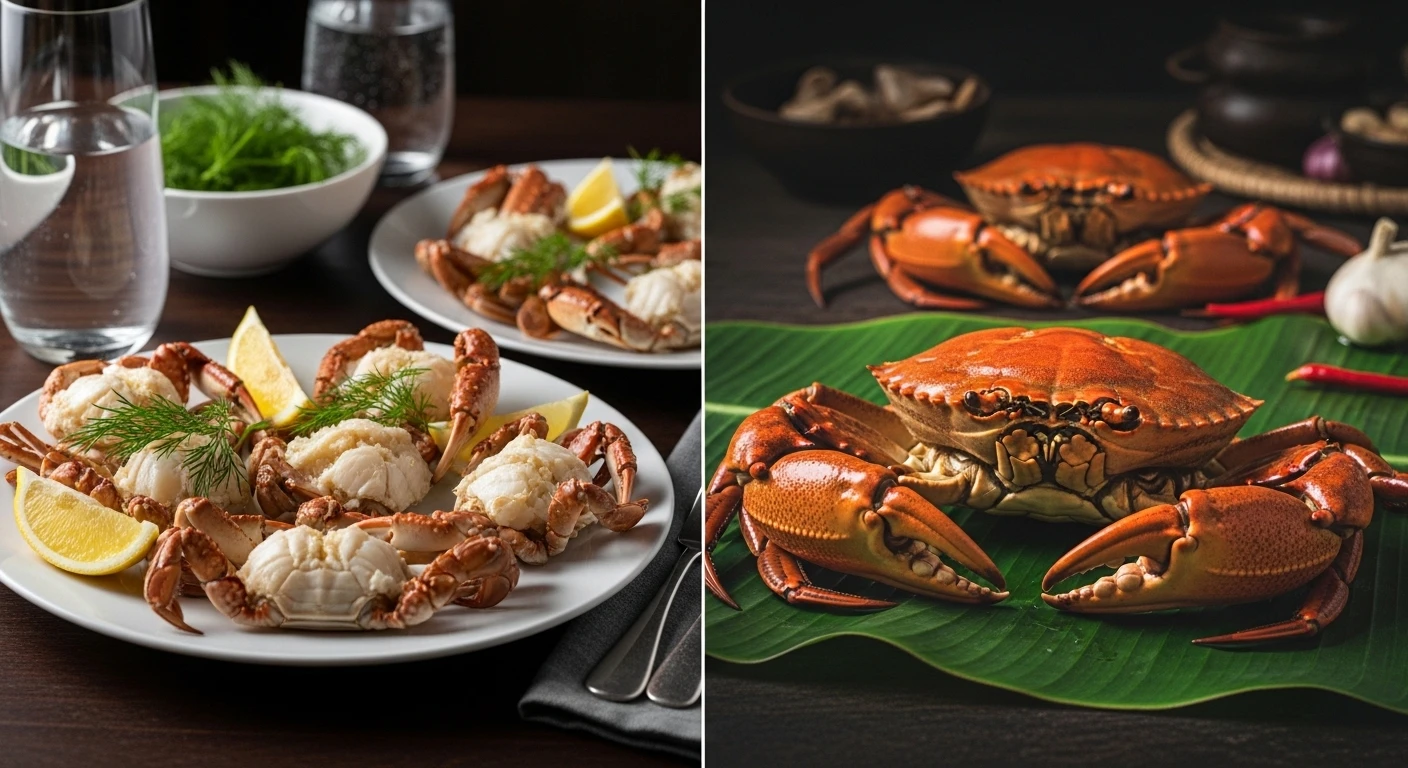
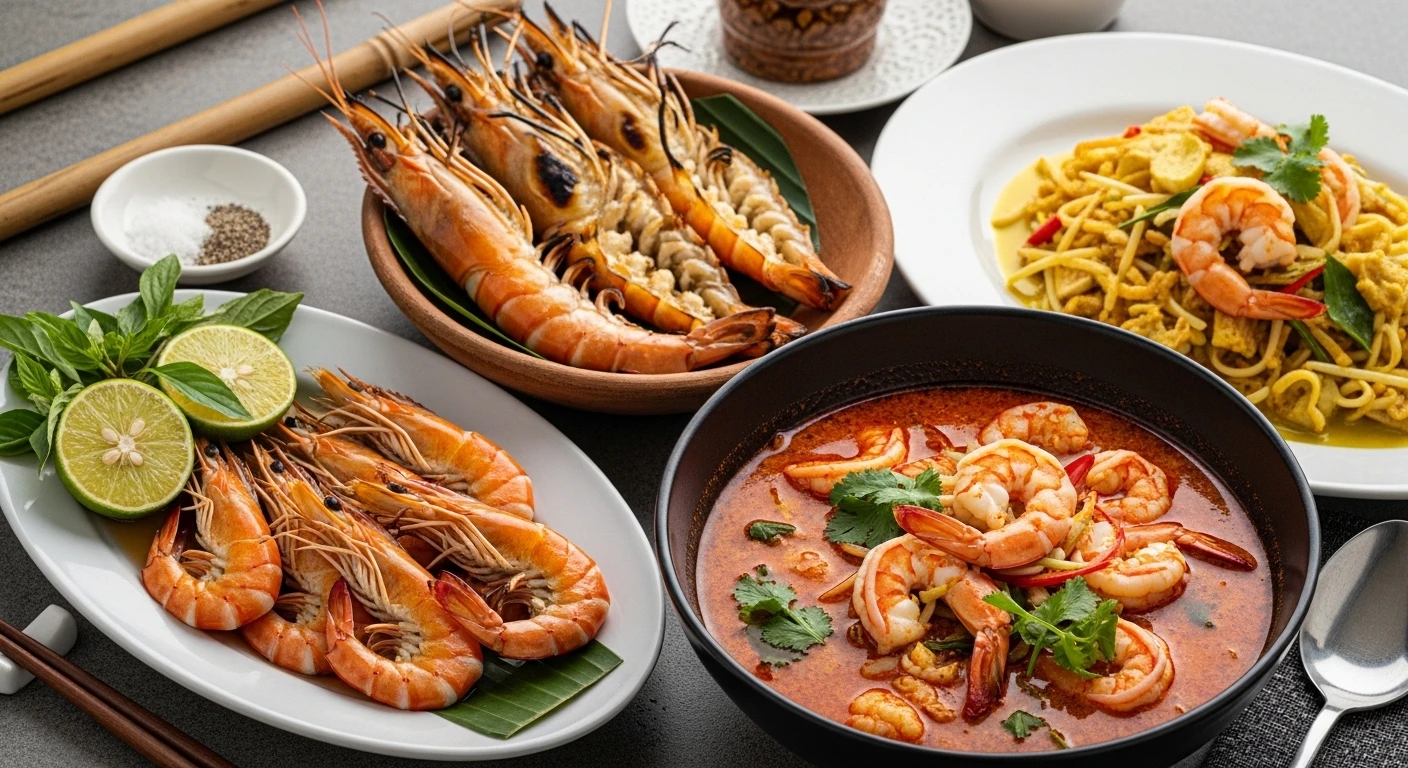
" The world of crab is vast, a universe of shells, roe, and sweet meat. For centuries, two titans have held court in the global seafood imagination: the revered Hairy Crab of China, and the ever-present, robust mud crab of Vietnam's Mekong Delta. "
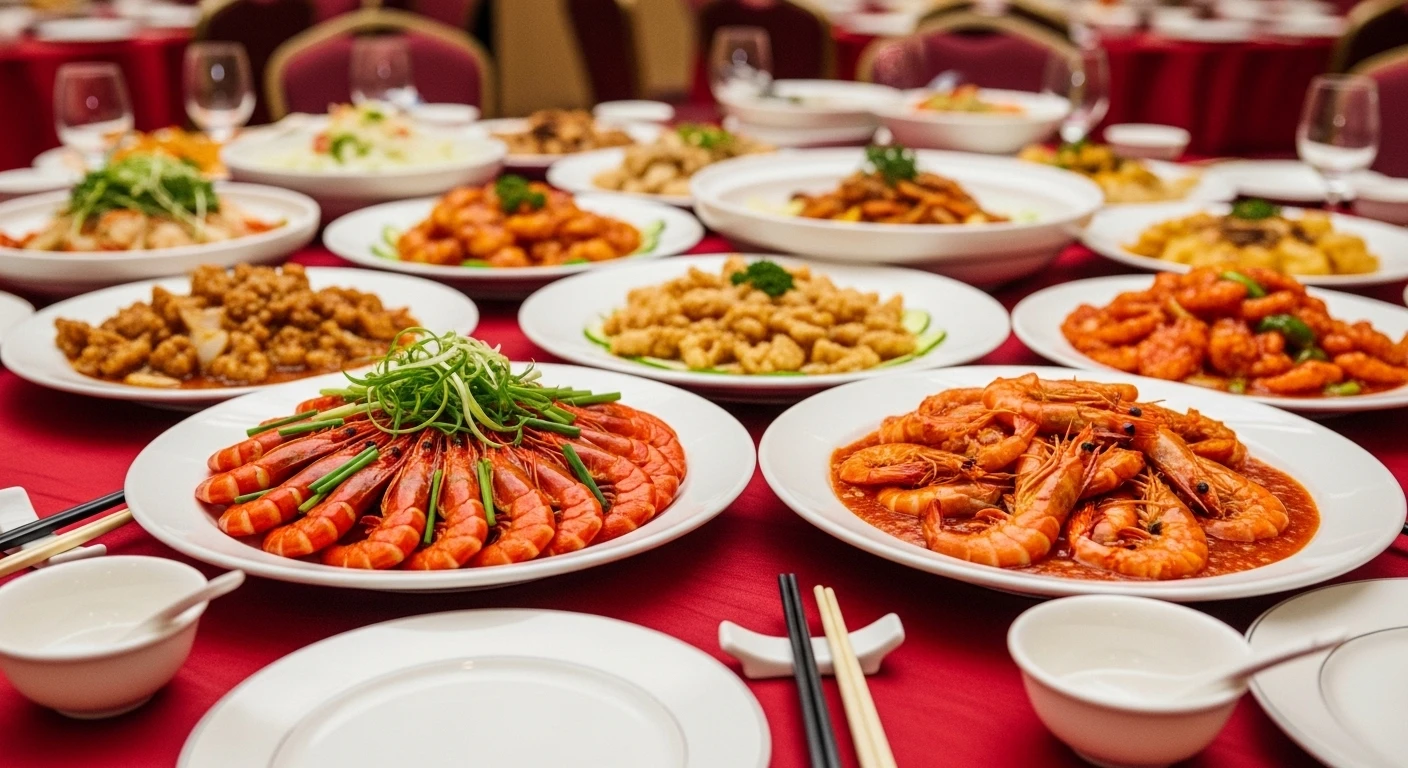
📸 A Tale of Two Crabs: Hairy Crab from China meets the Mud Crab of Vietnam.
1 The Celestial Hairy Crab: A Symbol of Autumn's Bounty
In China, particularly in regions like Shanghai and Jiangsu, the Eriocheir sinensis, or Chinese mitten crab (often colloquially known as Hairy Crab), isn't just food; it's a seasonal event, a culinary ritual steeped in tradition and prestige. Its arrival signals the crisp embrace of autumn, a time when the crab is at its peak, its roe developed to a state of almost creamy opulence.
The fascination with hairy crab lies primarily in its precious roe – a vibrant orange-red or deep yellow mass that is both rich and unctuous. The meat, while sweet, is often overshadowed by the roe's intoxicating character. This crab is celebrated for its complex flavor profile, a delicate balance of saline, sweet, and a subtle earthy undertone that speaks of its freshwater habitat.
Preparation is often minimalist, designed to showcase the crab's natural essence. Steaming is the favored method, sometimes with a touch of ginger or Shaoxing wine, allowing the true flavor of the roe and meat to shine. The ritual of eating hairy crab is as important as the taste: the careful dissection, the appreciation of the texture and color of the roe, the specific dipping sauces (often black vinegar with ginger shreds) designed to complement, not mask, its unique qualities. It's a dish that commands patience and reverence, often enjoyed during family gatherings and important autumnal festivals, symbolizing prosperity and good fortune.
Roe Obsession
The heart of hairy crab's prestige is its luxurious roe, prized for its creamy texture and intense, sweet flavor. The richer and more abundant, the higher the value.
Seasonal Prestige
Hairy crab is a strictly seasonal delicacy, available only in the cooler months. This scarcity elevates its status and desirability.
2 The Mekong Mud Crab: A Tropical Powerhouse
Venture south, to the labyrinthine waterways of Vietnam's Mekong Delta, and you'll encounter a different kind of crab king: the mud crab, or Scylla serrata. These aren't delicate, seasonal sprites; they are robust, muscular inhabitants of brackish mangrove forests and estuaries, thriving in the warm, tropical climes.
The defining characteristic of the Mekong mud crab, especially those from the renowned Ca Mau province, is its dense, intensely sweet, and firm meat. Unlike the hairy crab's focus on roe, the Vietnamese mud crab is celebrated for its sheer crabby goodness – the substantial claws packed with succulent flesh, the rich body meat that yields with every bite. Whether it's a male crab prized for its "text-book" meatiness or a female with developing roe, the emphasis is on a clean, pure crab flavor that speaks of its untamed, natural environment.
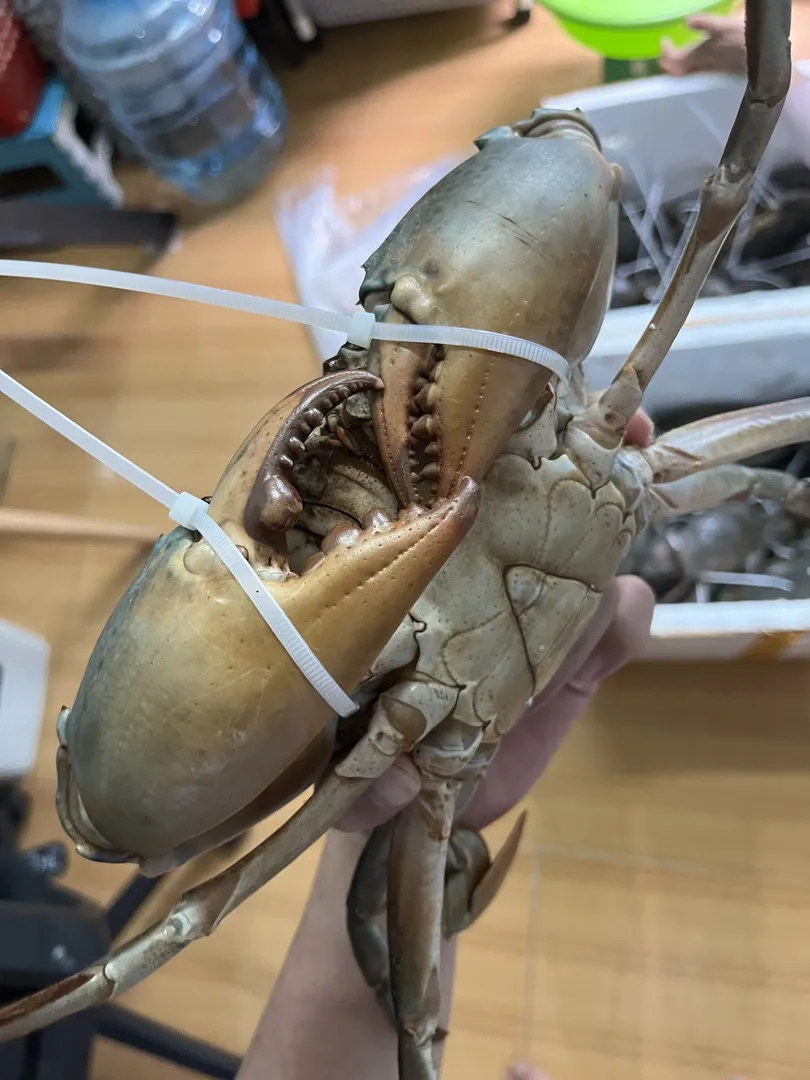
Heritage Ingredient
Ca Mau Jumbo Mud Crab
Ca Mau Jumbo Mud Crab
A large male mud crab prized for dense, sweet meat and thick claws, commonly used in steamed crab and grilled crab dishes across the Mekong Delta.
An icon of coastal culinary heritage, featuring firm, sweet meat that captures the raw power and freshness of Ca Mau's tides.
The culinary traditions surrounding mud crab in Southern Vietnam are as diverse as the delta itself. While steaming is common and respected, it's often accompanied by a more adventurous spirit. Think grilled crab with salt and chili, simmered in rich tamarind sauce, or even steamed with beer and lemongrass, a method that still celebrates the crab's essence but adds layers of aromatic complexity. The dipping sauces are typically bolder, designed to cut through the richness and enhance the sweetness – think of the iconic lime, salt, and chili dip, or potent chili-garlic concoctions.
The Ca Mau mud crab is a symbol of the Mekong Delta's rich biodiversity and the livelihoods it supports. These crabs are a staple in local markets, a source of pride for fishermen, and a cornerstone of Southern Vietnamese cuisine. They represent abundance, resilience, and the vibrant, untamed spirit of the tropics.
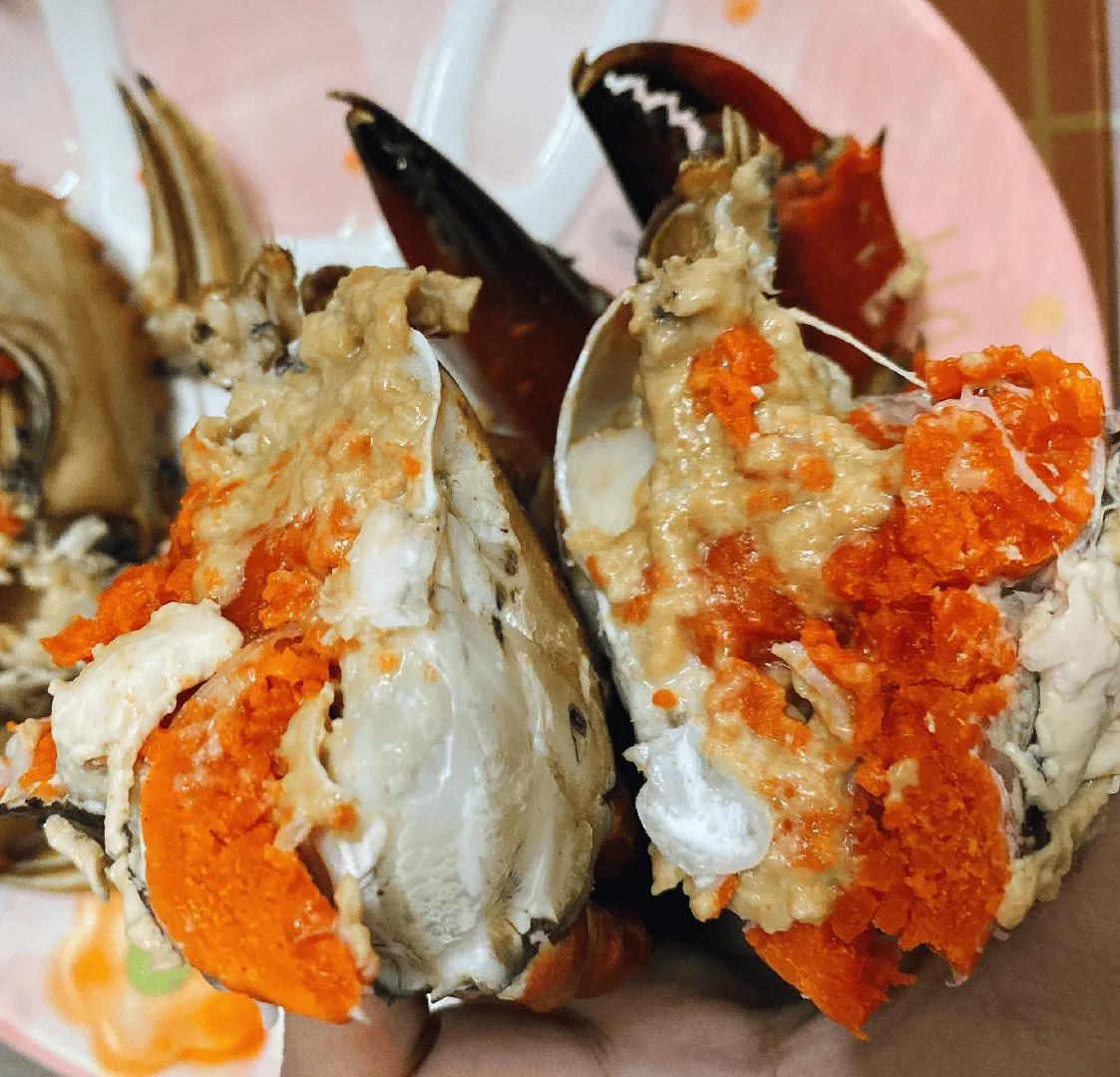
Heritage Ingredient
Ca Mau Roe Mud Crab
Ca Mau Roe Mud Crab
A female mud crab known for deep orange roe and a rich, creamy finish, often featured in celebratory Southern Vietnamese seafood meals.
A crimson treasure hidden within a shell, boasting rich, creamy roe that melts on your tongue like a golden sunset over the delta.
3 Texture, Roe, Ritual: A Direct Showdown
Texture
Hairy Crab: The meat is delicate, slightly fibrous, sweet, but often less substantial. The true textural star is the roe – thick, creamy, almost buttery.
Mekong Mud Crab: The meat is dense, firm, and exceptionally sweet, with a satisfying chew. Female crabs also offer roe, but it's typically less concentrated and more of a rich, creamy addition than the primary focus.
Roe
Hairy Crab: The roe is paramount. Its abundance and quality dictate the crab's value and enjoyment. It's rich, complex, and central to the eating experience.
Mekong Mud Crab: Roe is a delightful bonus, particularly in female crabs closer to spawning. It's often described as rich and smooth, but it complements the meaty claws rather than dominating the dish.
Ritual & Dining
Hairy Crab: A focused, almost meditative autumnal ritual. Minimalist preparation, specific vinegars, and a cultural emphasis on the roe's aesthetic and taste.
Mekong Mud Crab: A more robust, communal dining experience. Versatile cooking methods, bolder flavors, and a celebration of the crab's raw, powerful taste of the tropics and its mangrove habitat.
4 The Social Canvas: Cultural Significance
Both crabs hold significant cultural weight, but in different ways. In China, the hairy crab is tied to the philosophical appreciation of nature's cycles, the specific terroir of its freshwater origins, and an almost connoisseur-like approach to seasonal delicacies. It's a dish that fosters quiet conversation and appreciation for a fleeting, perfect moment.
In the Mekong Delta, mud crab is woven into the fabric of daily life and communal feasts. It represents the bounty of the delta's unique ecosystem – the rich silt, the brackish waters, the mangrove forests that nurture these powerful crustaceans. It's less about a singular, precise ritual and more about the joy of sharing abundant, delicious seafood, often prepared with a hearty dose of local flavor and a touch of Southeast Asian spice. The Mekong Delta crab is a symbol of sustenance, resilience, and the generous spirit of Vietnamese hospitality.
5 Value and Accessibility: A Matter of Terroir
The "prestige" of hairy crab often translates to a higher price point, particularly for specimens with exceptional roe. Its seasonal scarcity and its status as a delicacy contribute to its exclusivity, making it a sought-after treat rather than an everyday staple for many.
Mekong Delta mud crabs, while highly prized and certainly not cheap, are generally more accessible due to their year-round availability and their role in everyday Southern Vietnamese cuisine. The sheer volume and natural abundance of these crabs in the region mean they can be enjoyed more frequently, often prepared in ways that highlight their pure, unadulterated flavor at a more practical value proposition for both locals and adventurous travelers.
6 Why the Mekong Delta is a Must-Visit for Crab Lovers
If your palate yearns for the pure, unadulterated taste of the ocean's bounty, a journey to Vietnam's Mekong Delta is an absolute imperative. Here, the mud crab is king, and its domain is a captivating tapestry of emerald waterways, bustling floating markets, and resilient mangrove forests.
Imagine savoring a plump, grilled Ca Mau mud crab, its shell glistening with chili salt, the sweet, firm meat melting in your mouth. Picture yourself at a riverside restaurant in Can Tho, cracking open impossibly large claws, the briny air mingling with the aroma of fresh seafood. This isn't just eating; it's an immersion. The Mekong Delta offers a sensory feast, a chance to experience seafood culture in its most authentic, vibrant form.
Culinary Adventure
From simple steamed crab to fiery tamarind stir-fries, explore a spectrum of flavors shaped by generations of delta cooking.
Authentic Experience
Taste crabs fresh from their natural brackish environment, a true representation of Vietnam's rich biodiversity.
While China's hairy crab offers a refined, seasonal indulgence, the Mekong Delta's mud crab provides a robust, flavorful, and deeply ingrained part of a living culinary landscape. It's a taste of raw tropical abundance, a true powerhouse of the sea that deserves its place on every seafood lover's map.
7 The Verdict: A Matter of Taste and Terroir
Ultimately, the comparison between Vietnam's mud crab and China's hairy crab is not about declaring one superior, but about appreciating their distinct beauty and the unique culinary cultures they represent. The hairy crab is the sophisticated autumn jewel, prized for its delicate roe and seasonal prestige. The Mekong mud crab is the tropical powerhouse, celebrated for its intensely sweet meat and its fundamental place in a vibrant, year-round seafood tradition.
For those who seek the ultimate expression of crab meat – dense, sweet, and profoundly flavorful – the Mekong Delta, and particularly the crabs from Ca Mau, offer an unparalleled experience. It's a testament to the richness of Southern Vietnam's waters and the skill with which its people transform this natural bounty into unforgettable dishes. While the hairy crab has its season of reverence, the Mekong mud crab offers a year-round embrace of pure, unadulterated crab flavor that beckons exploration.
8 Planning Your Mekong Crab Pilgrimage
Should this exploration of Vietnam's crab culture ignite a desire to taste it firsthand, planning a trip to the Mekong Delta is straightforward. The region is accessible via Can Tho, the delta's largest city, or through Ho Chi Minh City's international airport, with onward travel by bus or private car.
When in the delta, seek out seafood restaurants in cities like Can Tho, Rach Gia, or the coastal province of Ca Mau itself. Many tours can be arranged to visit local crab farms or floating markets where fresh catches are abundant. Don't shy away from the simpler, local eateries; often, they serve the most authentic and delicious preparations. Embrace the spirit of discovery, and let the sweet, firm meat of the Mekong mud crab be your guide.